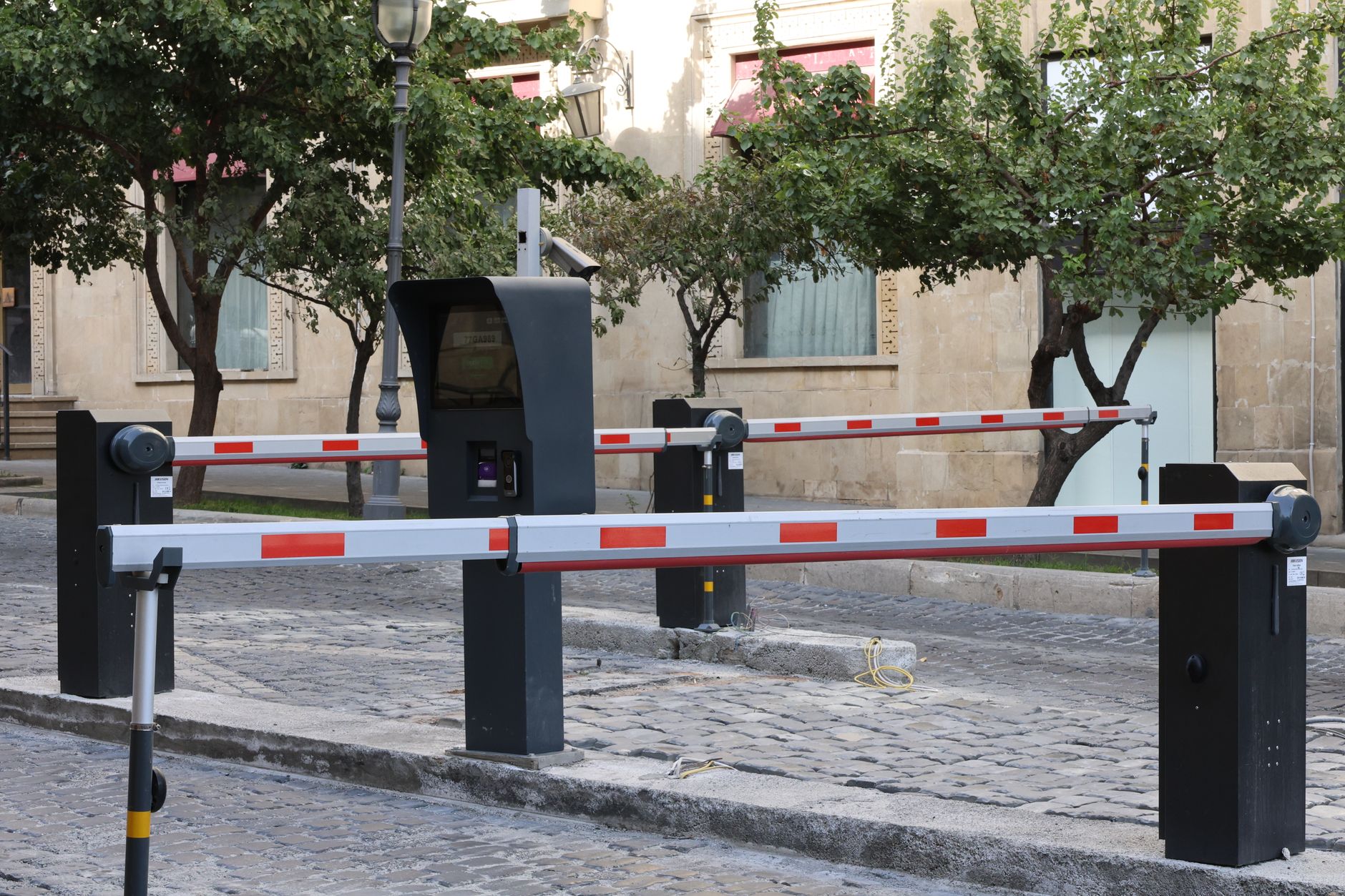
LPR barriers and magnetic card barriers are two popular vehicle access control solutions in Vietnamese schools. This article provides a detailed comparison of the two technologies based on cost, accuracy, maintenance, and scalability — helping school administrators and technical departments choose the right type for their school.
What is a magnetic card barrier for schools?
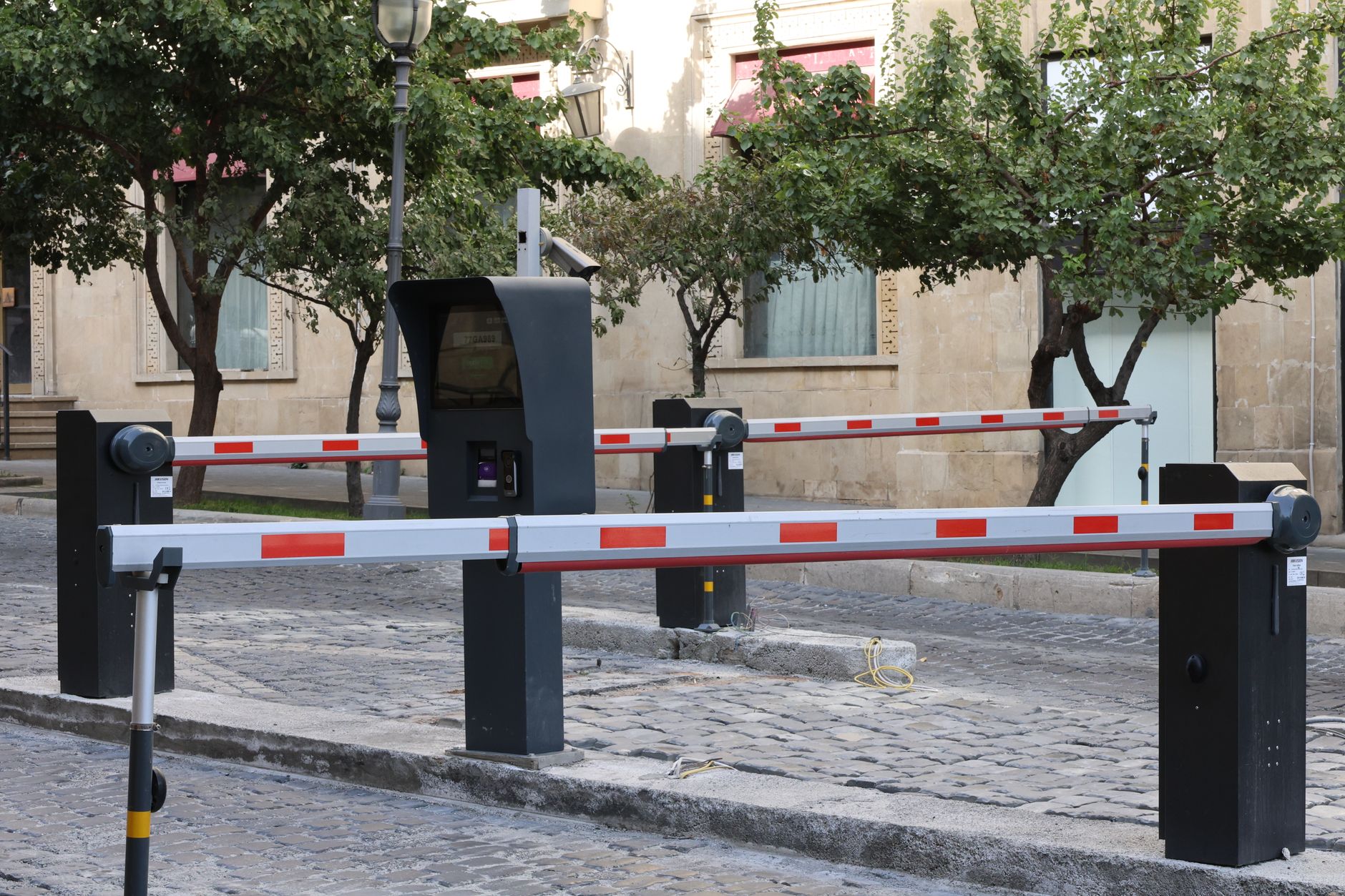
A magnetic card barrier uses RFID or magnetic stripe cards to open the barrier. Users swipe their card through a reader installed at the gate, and the barrier automatically lifts or lowers. Suitable for schools with a stable, low-turnover vehicle volume and a limited budget.
Magnetic card barriers operate based on short-range RFID communication (13.56 MHz or 125 kHz). The card reader is installed in a position easily accessible to the driver (0.5-1 meter from the gate). When a valid card is presented, a signal is sent to the controller, activating the motor to raise the barrier. The average response time is 1-2 seconds. This system does not require cameras or image processing software, so the initial cost is significantly lower. However, each vehicle must have its own card — if a card is lost or damaged, a replacement must be issued. Preschools and elementary schools often choose magnetic card barriers because the number of vehicles for drop-off and pick-up is fixed and changes little. The total cost for one magnetic card barrier lane ranges from 12-20 million VND, including the barrier, card reader, 50 cards, and controller. The system is easy to operate and does not require a dedicated technician.
What is an LPR (License Plate Recognition) barrier for schools?
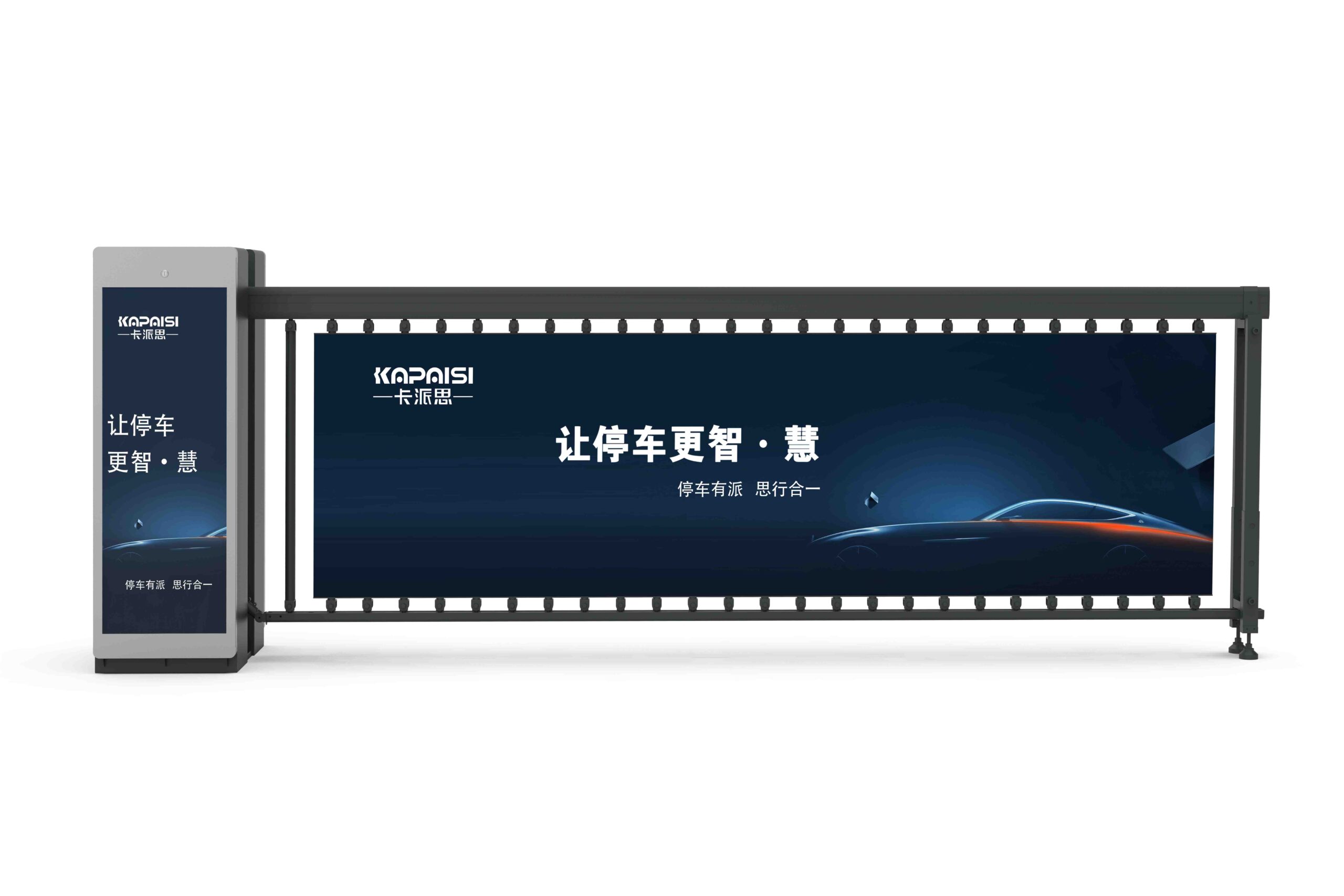
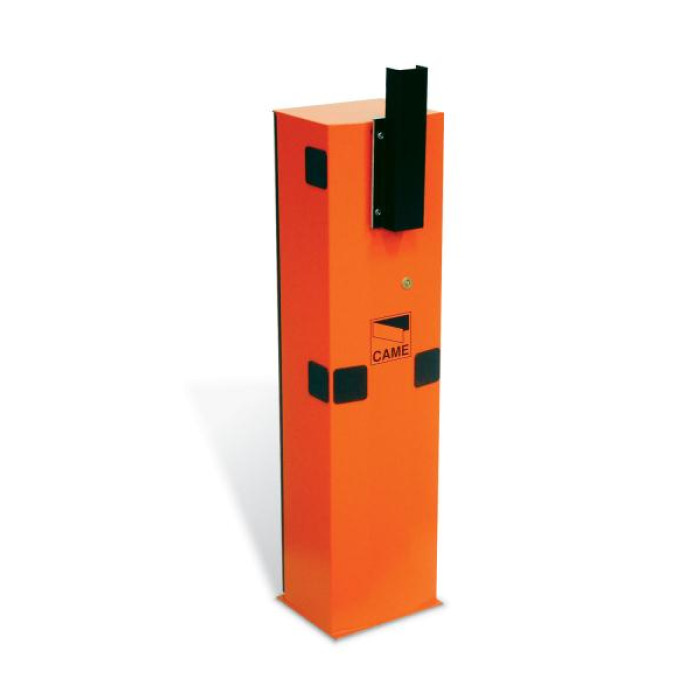
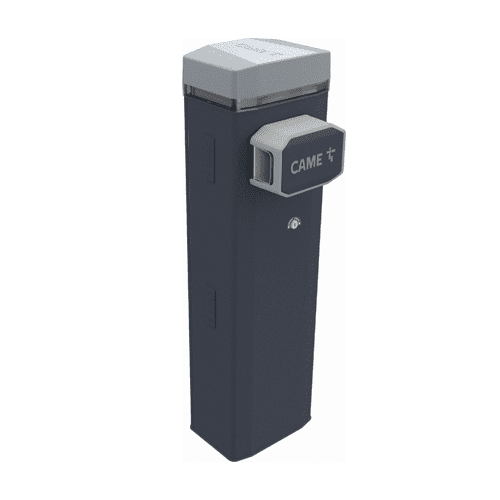
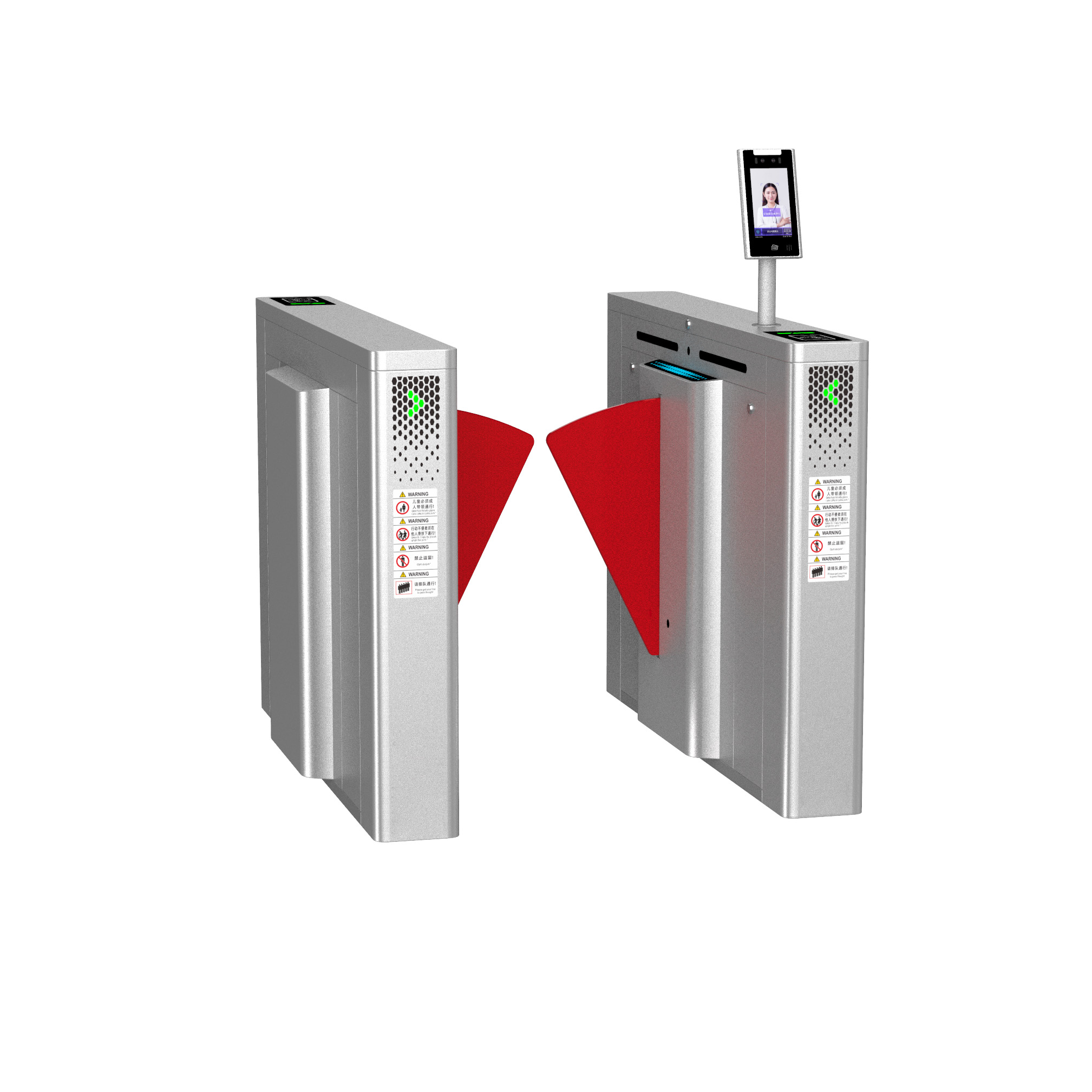
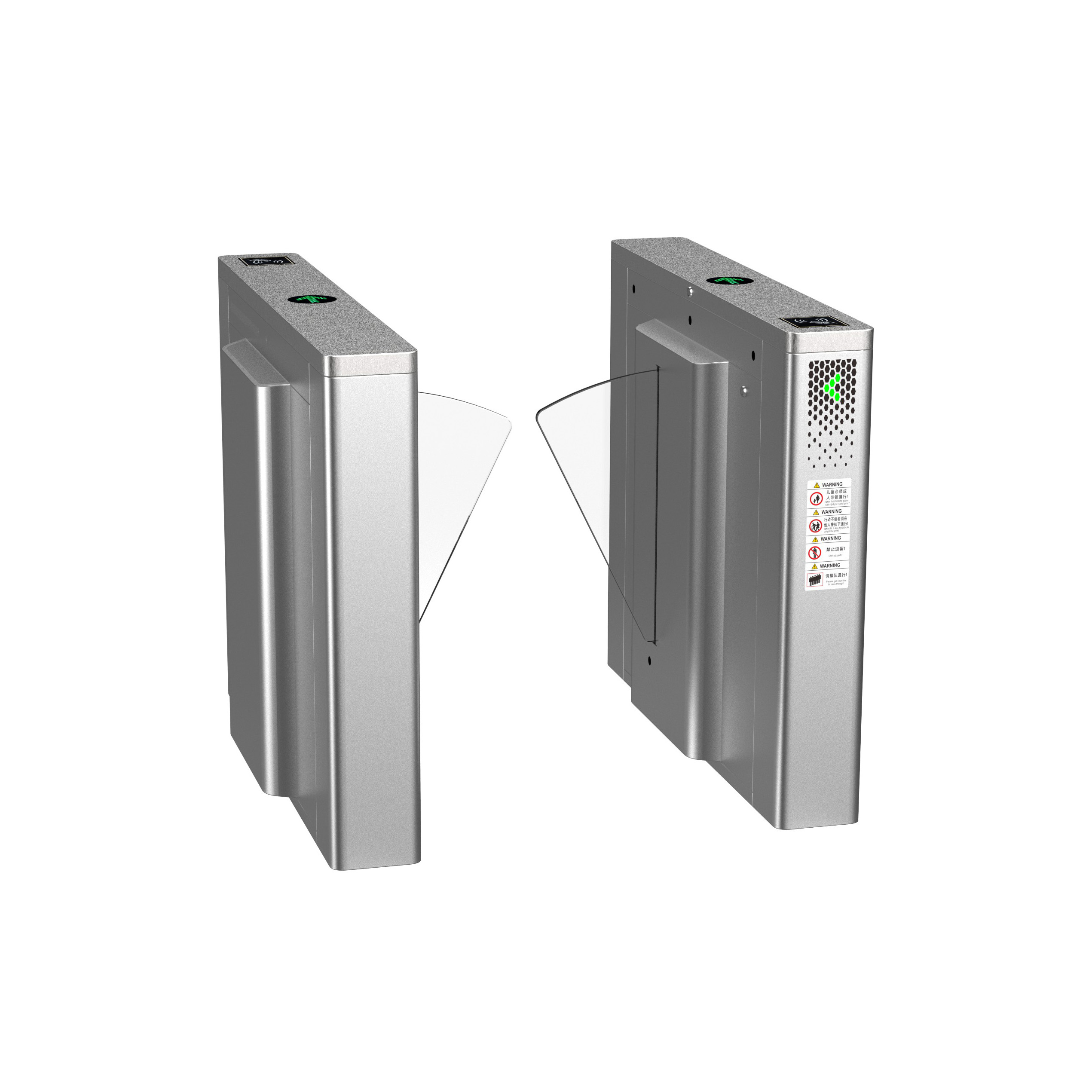
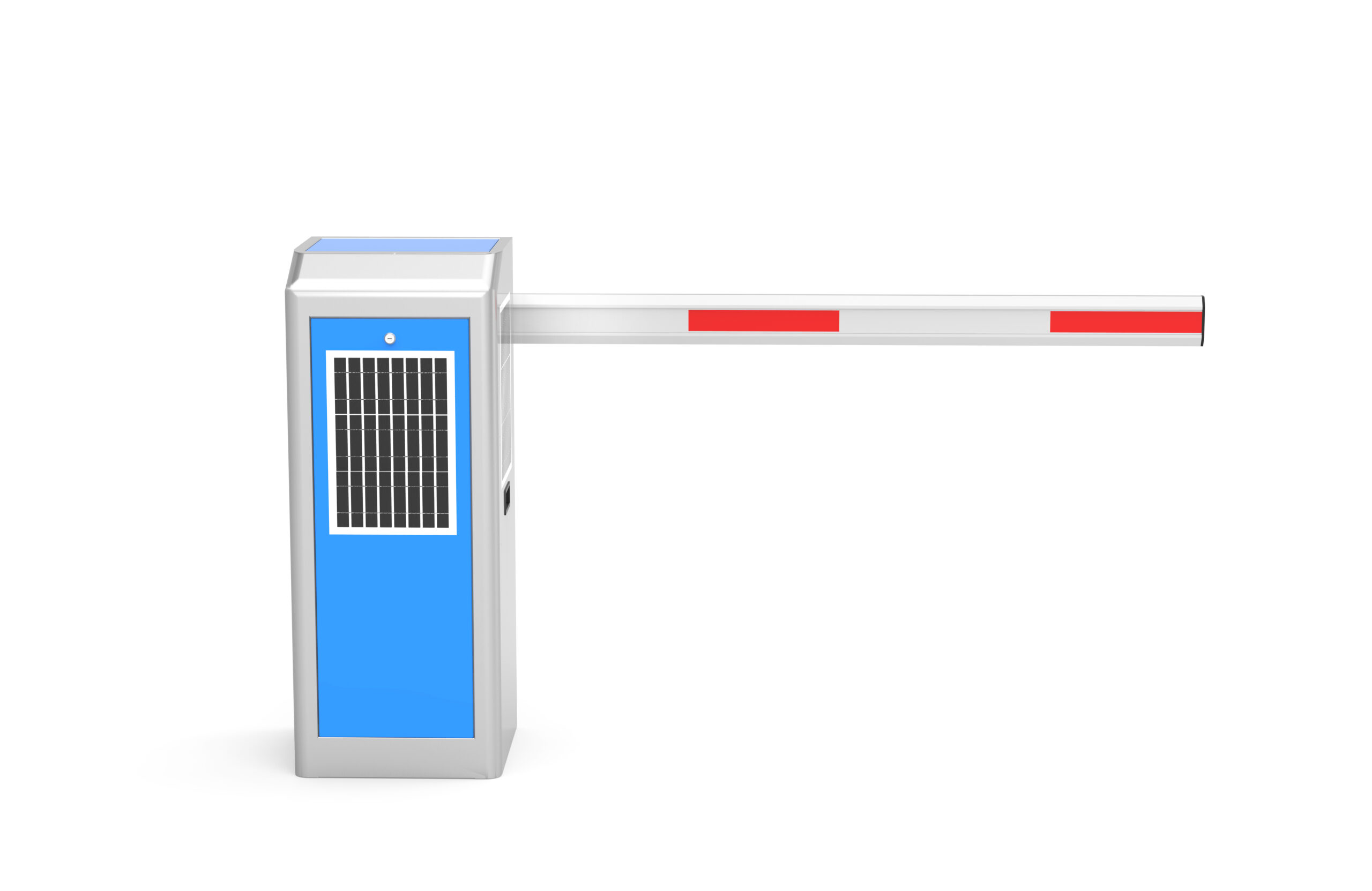
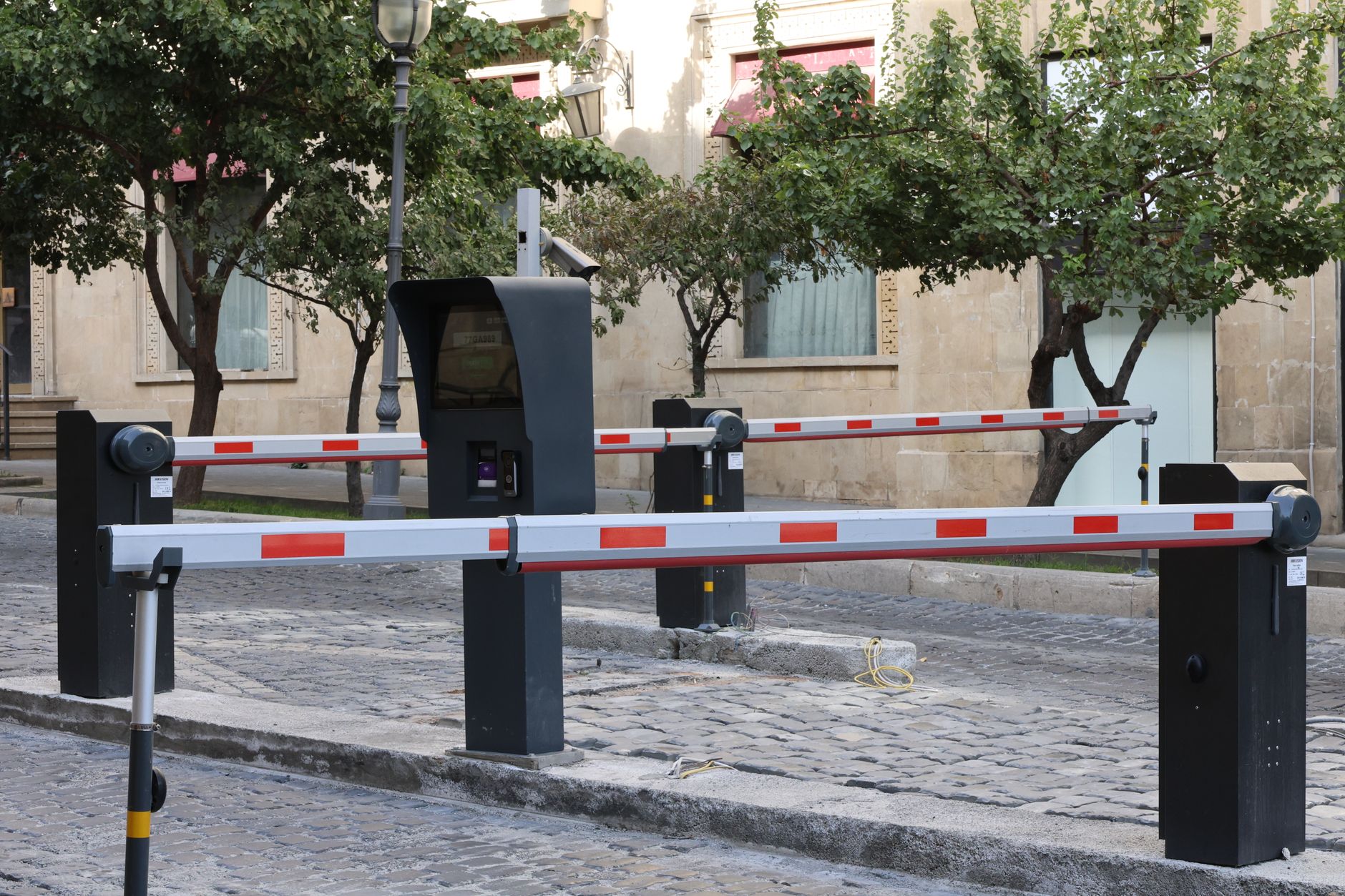
An LPR barrier uses a camera to automatically recognize vehicle license plates, requiring no card. The vehicle only needs to stop in front of the gate; the camera captures and recognizes the license plate, and the barrier opens if the plate is on the whitelist. Suitable for universities and large campuses with high vehicle traffic and many visitor vehicles.
The LPR (License Plate Recognition) system includes a minimum 2MP resolution camera with an infrared light, an AI image processing module, and vehicle list management software. The camera is placed at a height of 2-2.5 meters, with a capture angle of 30-45 degrees relative to the road surface. When a vehicle stops or moves slowly below 15 km/h, the camera captures the license plate image, and the software compares it against the database. The average recognition time is 1-3 seconds, with an accuracy of 95-99% depending on lighting conditions. LPR barriers allow for managing visitor vehicles (e.g., parents dropping off/picking up without prior registration) by capturing the license plate image and charging a fee or recording entry/exit times. A complete LPR barrier lane costs between 35-70 million VND, including the LPR camera, barrier, management software, and host computer. The system requires periodic maintenance: cleaning the camera 1-2 times per month, updating recognition software every 6 months. Universities with large campuses and vehicle traffic of 500-2000 trips per day often prioritize LPR to reduce congestion during peak hours.
Detailed comparison of LPR barriers and magnetic card barriers for schools
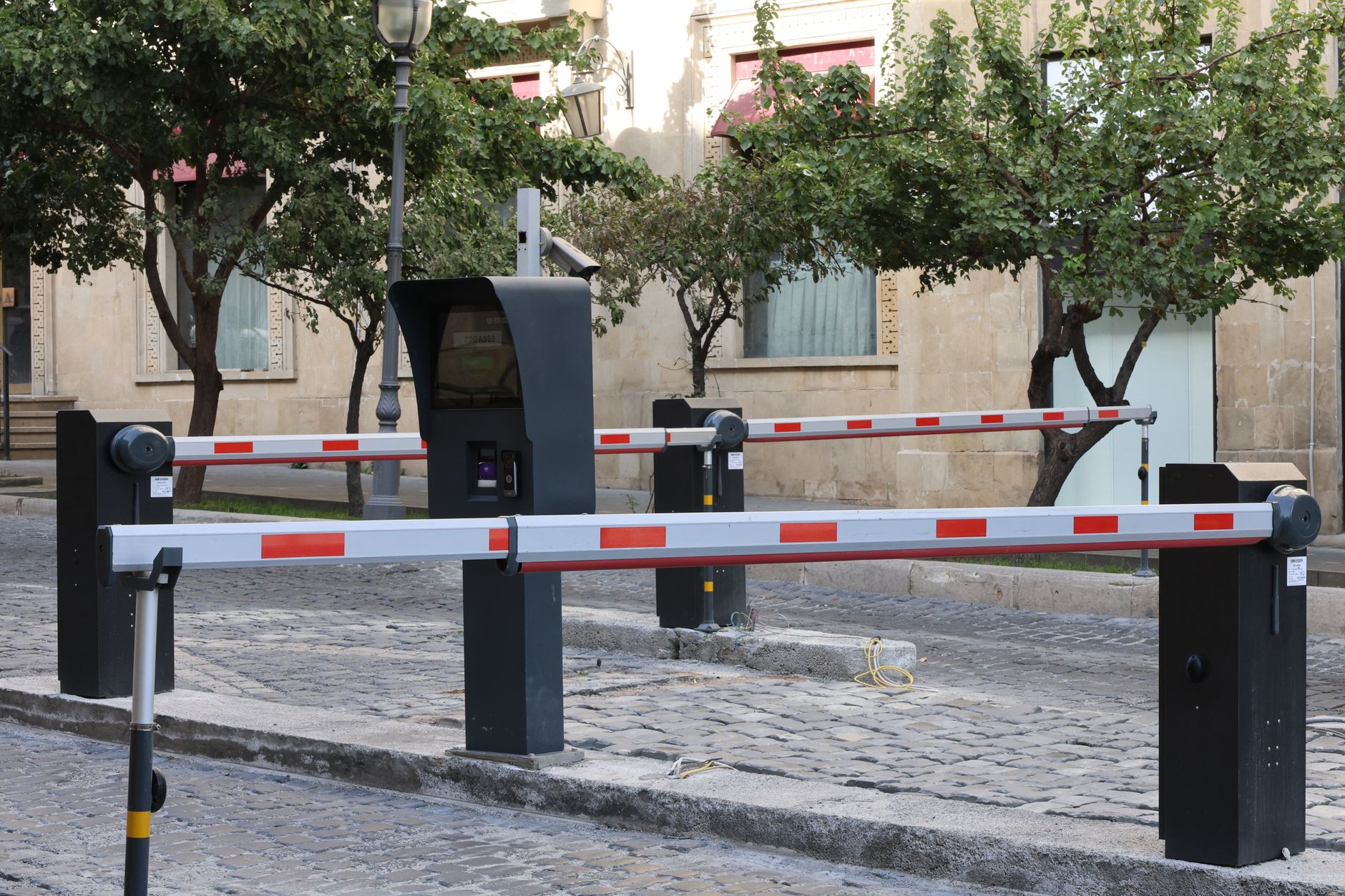
The table below compares 8 important criteria between LPR and magnetic card barriers, helping schools make an objective assessment before investing. The "Best" column highlights the solution that has the advantage for each criterion.
| Criterion | Magnetic Card Barrier | LPR Barrier | Best |
|---|---|---|---|
| Initial investment cost | 12-20 million/lane | 35-70 million/lane | Magnetic Card |
| Annual operating cost | 2-5 million (replacing damaged cards, batteries) | 5-10 million (camera maintenance, software) | Magnetic Card |
| Recognition accuracy | Nearly 100% (valid card) | 95-99% (affected by weather, dirty plates) | Magnetic Card |
| Processing speed per vehicle | 2-4 seconds (swipe card + wait for barrier) | 1-3 seconds (automatic recognition) | LPR |
| Visitor vehicle management | Not supported (requires manual logging by guard) | Yes (captures image + records time) | LPR |
| Periodic maintenance | Low (only check motor, reader) Ready to deploy in 7–14 days Start with a free 60-minute site surveyOur senior technical team will visit your site, assess the current setup, and propose a bundle matched to your business model and budget. |