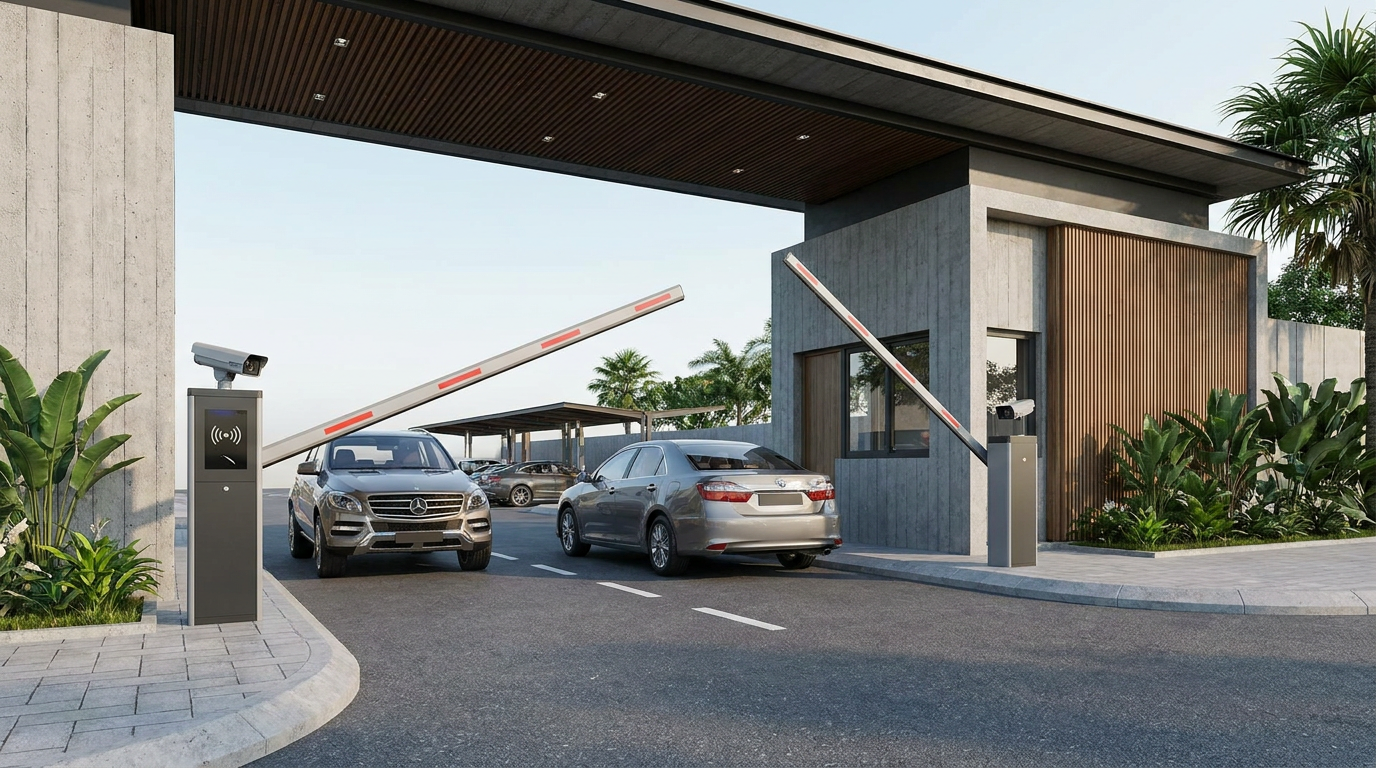
LPR (License Plate Recognition) barriers and RFID (remote tag) barriers are the two most popular vehicle access control technologies in Vietnam in 2026. Each technology has its own advantages and disadvantages regarding cost, speed, accuracy, and security. This article compares LPR vs RFID barriers based on 6 technical criteria and 5 real-world use cases — helping business owners choose the right solution for their scale and budget.
What is an LPR Barrier? How Does it Work?
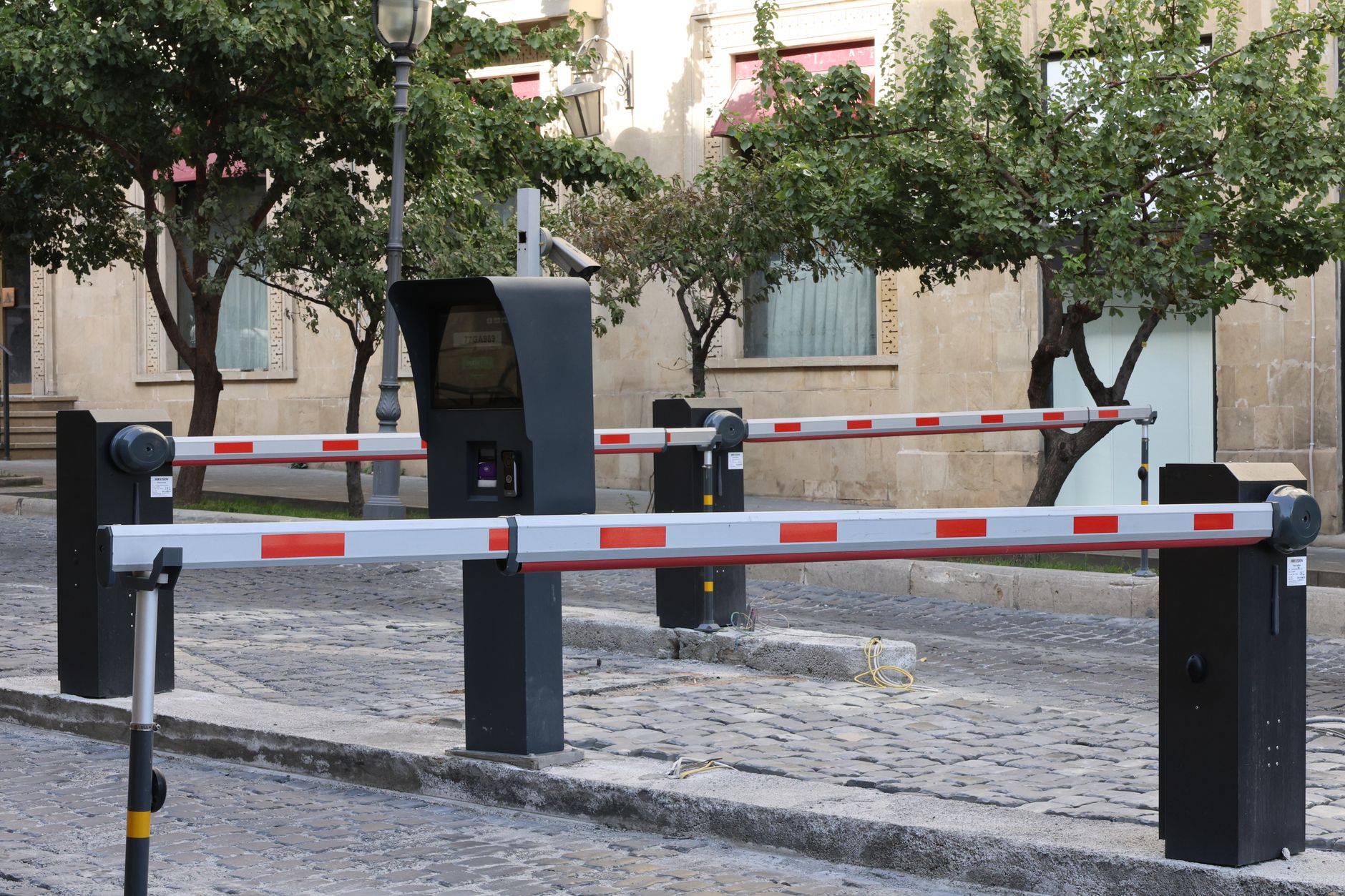
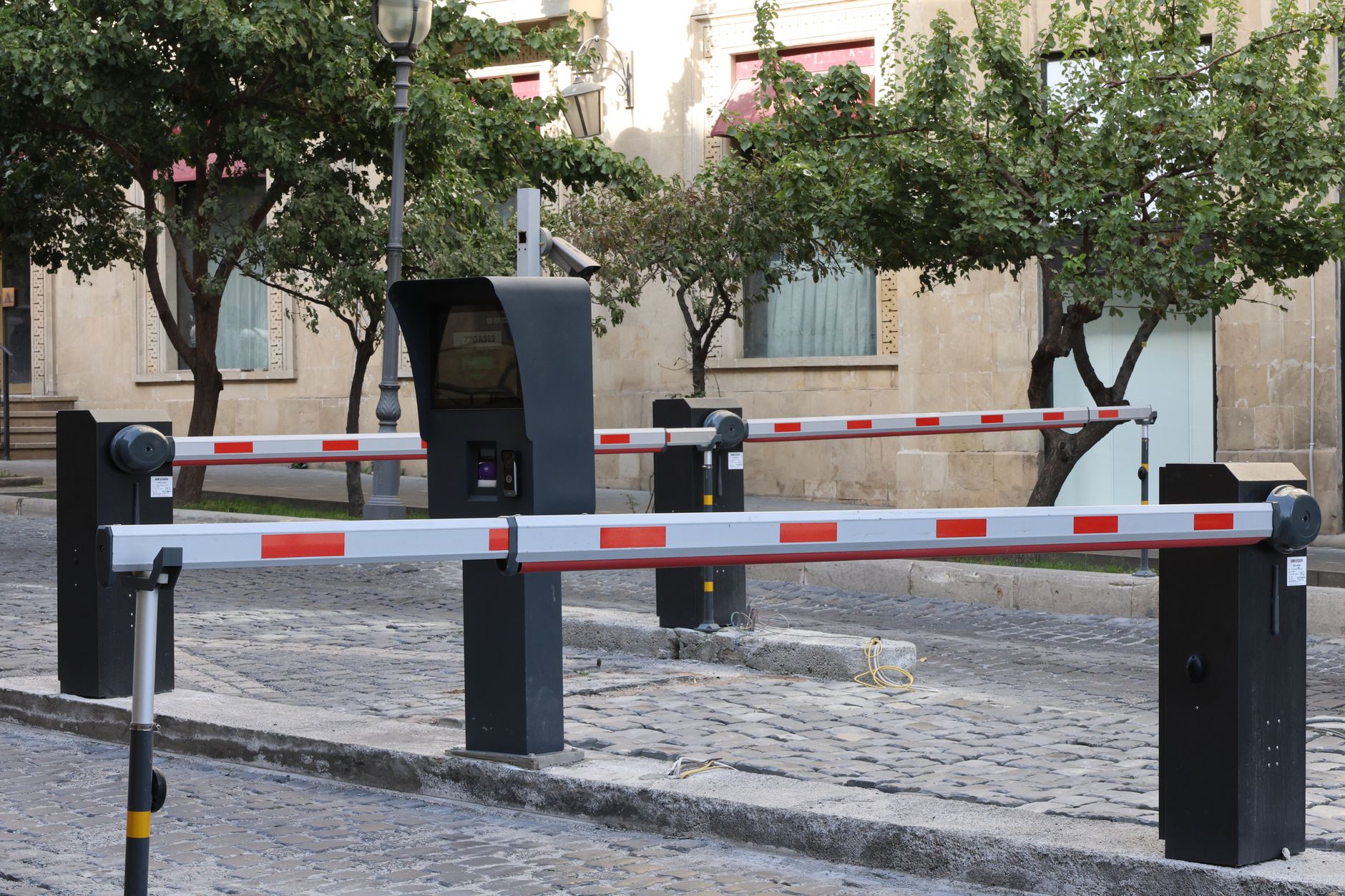
LPR (License Plate Recognition) barriers use AI cameras to capture and recognize vehicle license plates within 0.3-0.8 seconds, then cross-reference with a database to open the barrier. This solution does not require cards, readers, or auxiliary equipment on the vehicle.
LPR cameras are installed at the entrance, automatically detecting vehicles and capturing license plate images. The system processes images using AI, extracts characters, and compares them with a list of authorized vehicles. If a match is found, a signal to open the barrier is sent within 0.5-1.5 seconds. Data is stored for lookup and statistical purposes.
LPR barriers are suitable for high-traffic parking lots that require 24/7 monitoring and prefer not to issue cards or manage in-vehicle devices. The investment cost for a complete LPR system (camera + barrier + software) ranges from 25-45 million VND depending on the brand.
What is an RFID Barrier? How Does it Work?
Related Products
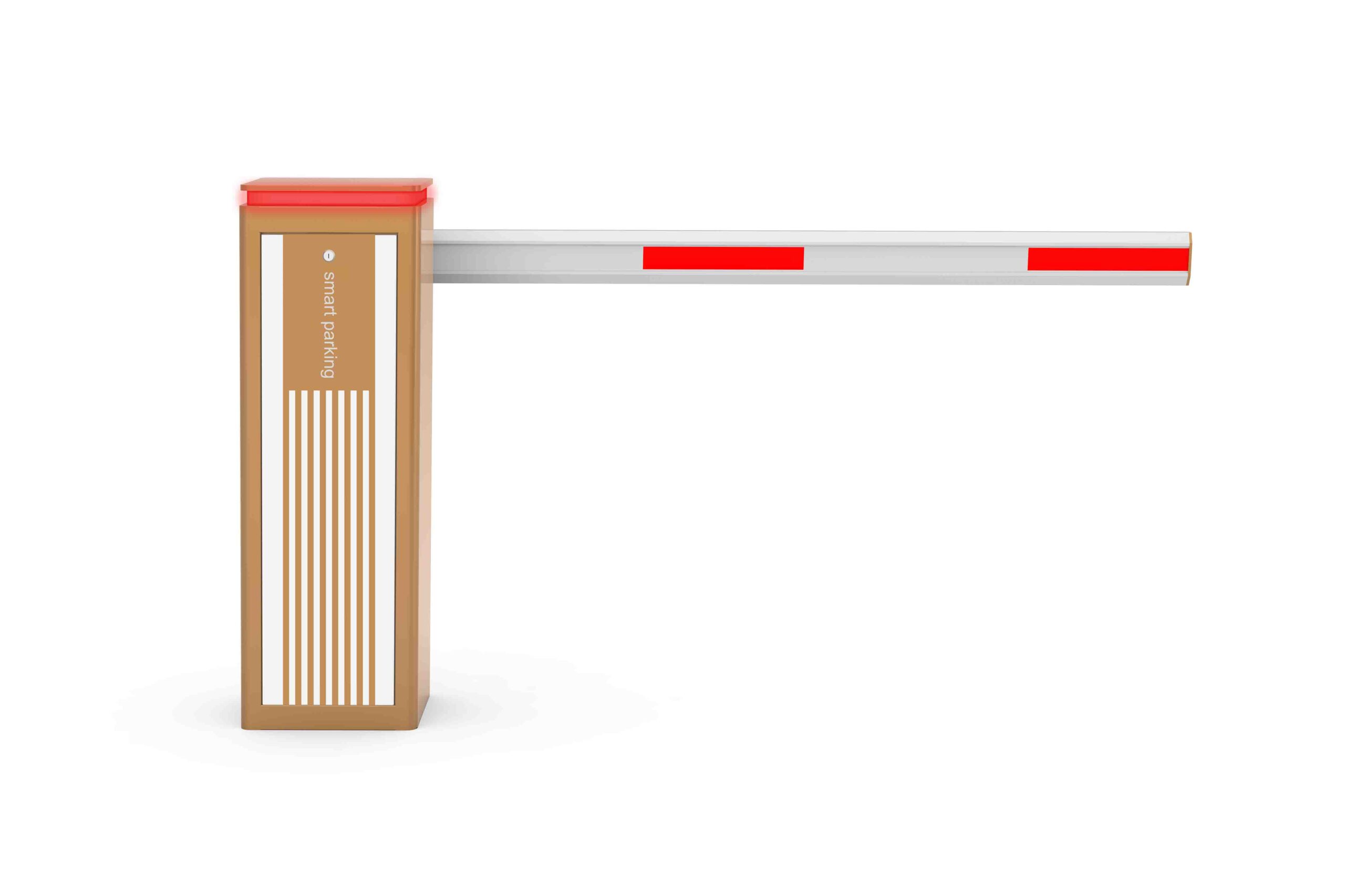
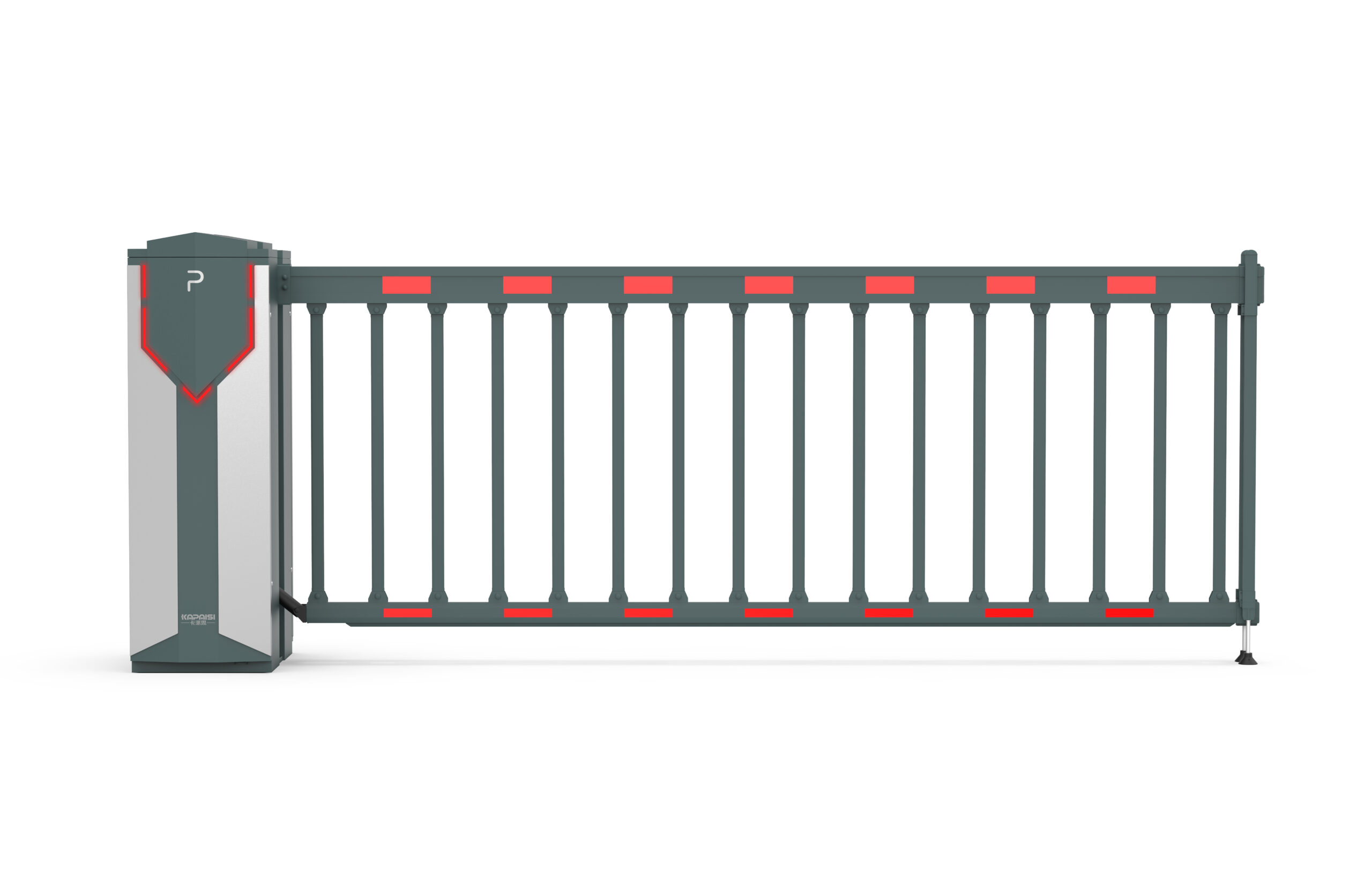
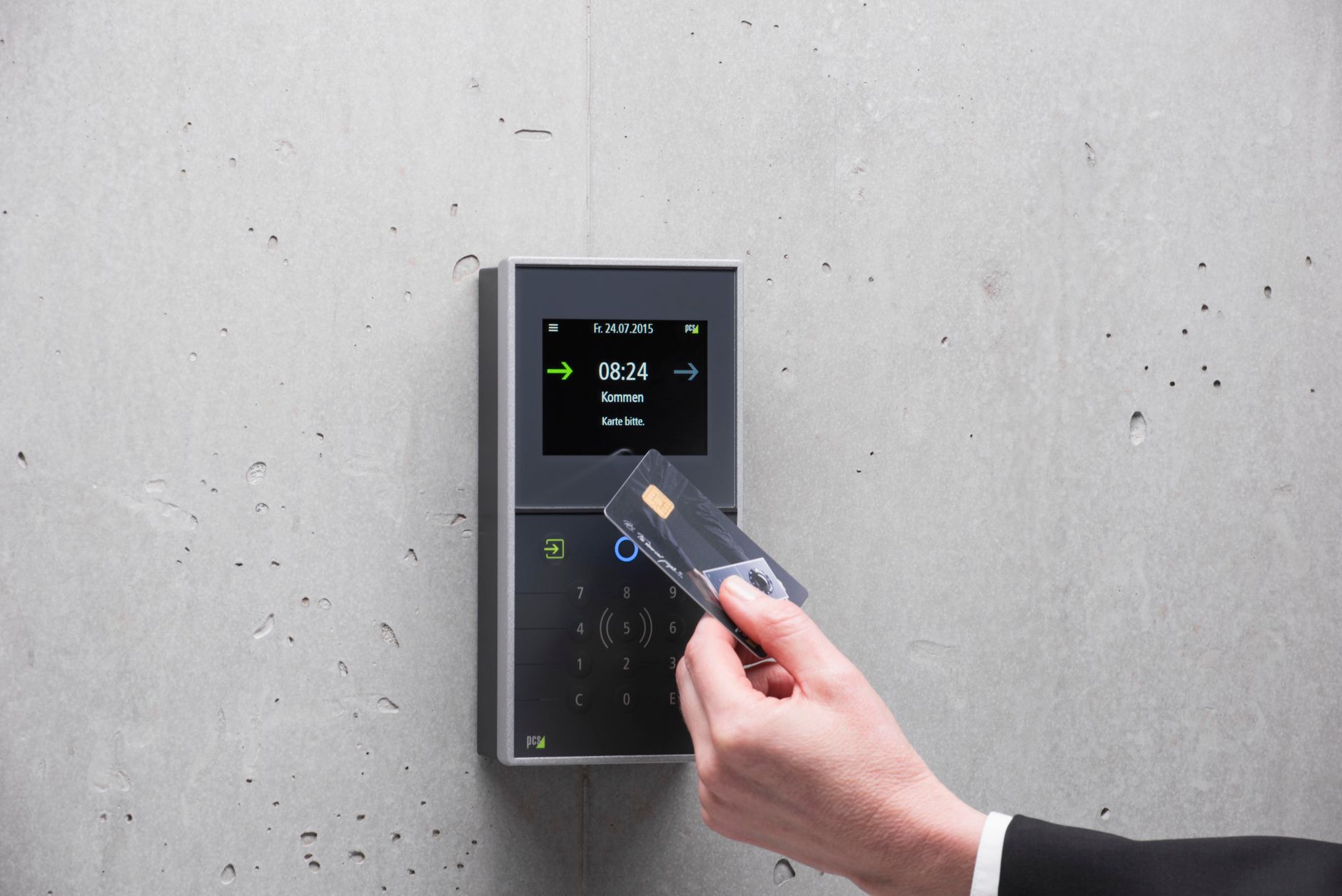
RFID barriers use remote tags (RFID tags) attached to the windshield or front bumper of a vehicle. When the vehicle approaches the barrier, the RFID reader activates the tag, authenticates the code, and opens the barrier. This process occurs within 0.1-0.3 seconds, without requiring the vehicle to stop completely.
Each vehicle is issued a unique UHF (860-960 MHz frequency) or HF (13.56 MHz) RFID tag with a unique code. A reader installed at the entrance emits radio waves to activate the tag within a 3-8 meter radius. The tag responds with its code, the system verifies it, and opens the barrier. RFID does not require light and operates well in all weather conditions.
RFID barriers have a lower cost than LPR, approximately 15-25 million VND for one entry/exit lane (reader + barrier + software), but incur additional tag costs (5,000-15,000 VND/tag). They are suitable for parking lots with a fixed number of vehicles and few transient visitors.
Detailed Comparison of LPR vs RFID Barriers
The table below compares 6 important criteria between LPR and RFID barriers: initial investment cost, recognition speed, accuracy, security, maintenance requirements, and scalability. The "Best" cell is highlighted.
| Criteria | LPR Barrier | RFID Barrier |
|---|---|---|
| Initial Investment Cost | Best — 25-45 million VND/lane | 15-25 million VND/lane + tags |
| Recognition Speed | 0.5-1.5 seconds | Best — 0.1-0.3 seconds |
| Accuracy | 95-98% (depends on lighting, camera angle) | Best — 99.5% (no reading errors) |
| Security / Anti-counterfeiting | Best — difficult to counterfeit license plates | RFID tags can be copied |
| Maintenance / Operation | Regular camera cleaning, software updates | Best — low maintenance, tag battery 2-3 years |
| Scalability | Best — adding vehicles does not require tags | Must issue tags for each new vehicle |
Choosing LPR or RFID Barriers by Use Case
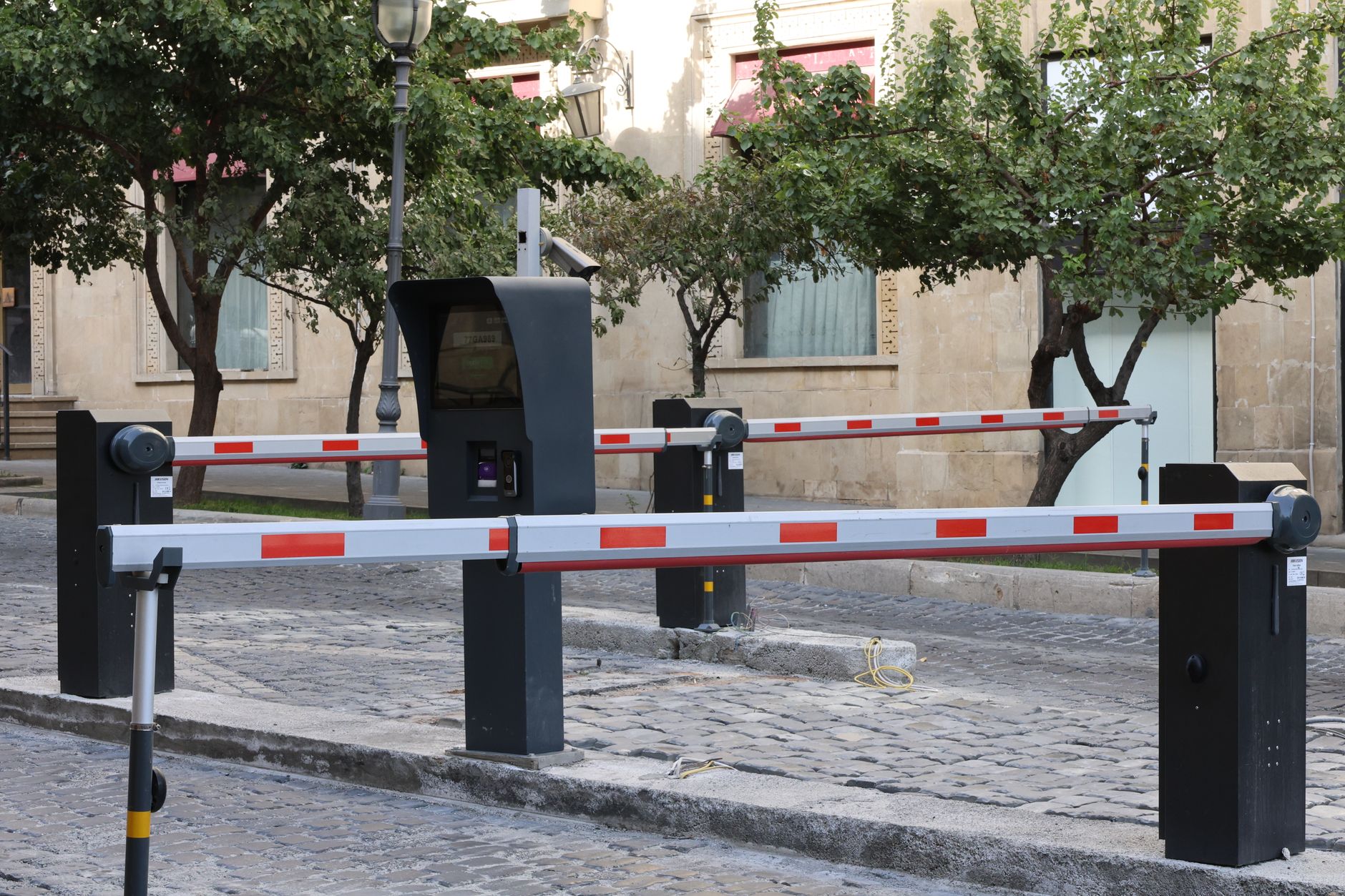
Each parking lot model has different requirements. Below are 5 common use cases in Vietnam with recommended suitable technologies.
Use case 1: Apartment Buildings / Urban Areas — Choose RFID
Fixed vehicle entry/exit, 100-500 vehicles. RFID offers low cost, high speed, no need to stop vehicles. No worries about dust affecting cameras. Simple installation, minimal maintenance.
Use case 2: Offices / Rental Buildings — Choose LPR
Many transient visitors, non-fixed vehicles. LPR does not require issuing tags, making entry/exit history management easy. Integrates with building management software for hourly billing.
Use case 3: Factories / Warehouses — Choose RFID
Trucks and containers enter/exit multiple times a day. RFID reads quickly, is unaffected by dust or rain. Long-term windshield tags, 2-3 year battery life. Combines with electronic scales, automatic ticket printing.
Use case 4: Hospitals / Schools — Choose LPR
High and diverse vehicle traffic (staff, patients, visitors). LPR offers flexible management, no need to issue tags for each person. Cameras store license plate images for lookup when needed.
Use case 5: Public Parking Lots / Shopping Malls — Choose LPR + RFID Hybrid
Combines both: fixed vehicles use RFID, transient vehicles use LPR. Optimizes speed for regular vehicles and flexibility for visitors. Costs increase by 30-40% but operational efficiency is highest.
Pros and Cons of LPR Barriers
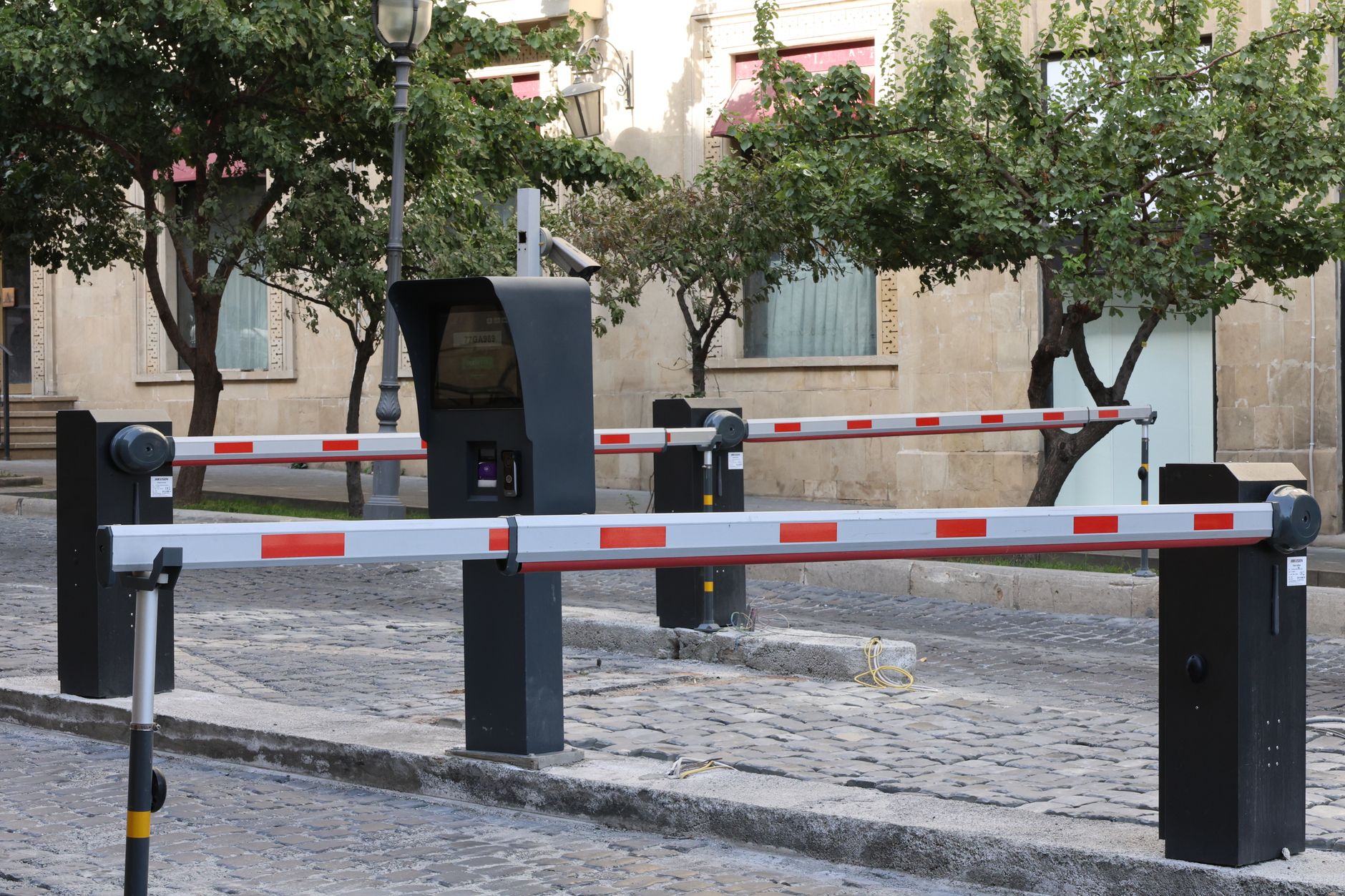
LPR barriers offer superior security, no need for tags, and easy scalability. The main disadvantages are dependence on lighting, higher investment costs, and the need for regular camera maintenance.
Pros
Start with a free 60-minute site survey
Our senior technical team will visit your site, assess the current setup, and propose a bundle matched to your business model and budget.