
Face ID (facial recognition) and proximity cards (RFID/Proximity) are the two most popular access control solutions for factory gates and industrial parks in Vietnam. This article provides a detailed comparison of Face ID vs proximity cards based on 6 practical criteria — cost, accuracy, fraud prevention, speed, maintenance, and scalability — helping business owners choose the right solution for factories with 200-2000 workers.
What is Face ID for factory gates? Who is it suitable for?

Face ID (facial recognition) uses AI cameras to authenticate worker identity based on facial biometric features, requiring no card or touch. Suitable for factories with high security requirements, wanting to completely eliminate buddy swiping, or in the process of digitizing HR processes.
A Face ID system for factories typically includes: face recognition terminals, centralized management software, and connection to turnstiles or barrier gates. Facial data is encrypted and stored on an internal server, independent of the cloud. This solution is especially suitable for garment, electronics, and auto parts industrial parks — where strict access control and automatic time attendance are required.
What are proximity cards for factory gates? Who is it suitable for?

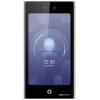


Proximity cards (RFID 125kHz or Proximity 13.56MHz) are the traditional solution: workers swipe their card past a reader to open the gate. Suitable for factories with a low budget, a scale of under 300 workers, or those that already have an existing proximity card infrastructure.
The initial investment cost for proximity cards is about 40-60% lower than Face ID (depending on the number of readers). Each worker is issued 1 plastic card or sticker card. The system is simple and easy to replace when broken. However, the biggest disadvantage is the risk of lost cards, borrowed cards, or card cloning — leading to time attendance fraud and security vulnerabilities.
Detailed comparison of Face ID vs proximity cards for factories

Below is a comparison table of 6 key criteria between Face ID and proximity cards, based on real-world deployments in industrial park factories with 200-2000 workers.
| Criteria | Face ID | Proximity Cards (RFID) |
|---|---|---|
| Initial Investment Cost | High (8-15 million VND/reader + software) | Low (3-5 million VND/reader + cards) |
| Operating Cost (3 years) | Low (no card costs, software maintenance) | High (replacing lost/damaged cards: 5-15 thousand VND/card) |
| Recognition Accuracy | Best (99.5%+ with 3D AI) | Average (depends on card/reader quality) |
| Fraud Prevention | Best (cannot buddy swipe, anti-spoofing) | Poor (easy to borrow cards, clone, buddy swipe) |
| Entry/Exit Speed (peak hours) | Fast (1-2 seconds/time, no stopping) | Average (3-5 seconds/time, must swipe) |
| Maintenance & Durability | Average (camera needs cleaning, firmware updates) | High (readers rarely break, cards easy to replace) |
Conclusion from the table: Face ID is optimal for factories with 500 workers or more — where the cost of fraud and card management far exceeds the initial investment difference. Proximity cards are suitable for small factories under 300 people with tight budgets.
Choosing based on real-world use cases
Related articles
Hospital Access Control with AI Face ID: ICU, Pharmacy, Operating Rooms 2026
9 min readFace ID AI attendance & access control for schools and universities: Solutions and costs 2026
8 min readStart with a free 60-minute site survey
Our senior technical team will visit your site, assess the current setup, and propose a bundle matched to your business model and budget.