
Electronic locks and multi-factor access control systems (MFA + anti-passback) are two popular choices for data centers. This article compares cost, security, audit logs, and the ability to prevent unauthorized access, helping business owners choose the right solution for their server room in 2026.
What is a traditional electronic lock for data centers?

A data center electronic lock is a door locking device for rack cabinets or server rooms that uses electronic signals (swipe cards, PIN codes, fingerprints) instead of mechanical keys. This solution is suitable for small data centers with limited budgets and basic control requirements.
Standalone electronic locks are typically installed on rack cabinet doors or server room doors and operate independently. Users unlock them using RFID cards, numeric codes, or fingerprints, without a network connection. According to a 2025 survey by the European Telecommunications Standards Institute (ETSI), about 35% of small and medium data centers in Vietnam use standalone electronic locks due to their low cost and ease of deployment.
Main advantages: low initial investment cost (3-8 million VND per door), quick installation, no network infrastructure required. Disadvantages: no centralized audit log, easily bypassed if an unauthorized person obtains a swipe card, no anti-passback support.
What is a multi-factor access control system (MFA + anti-passback)?
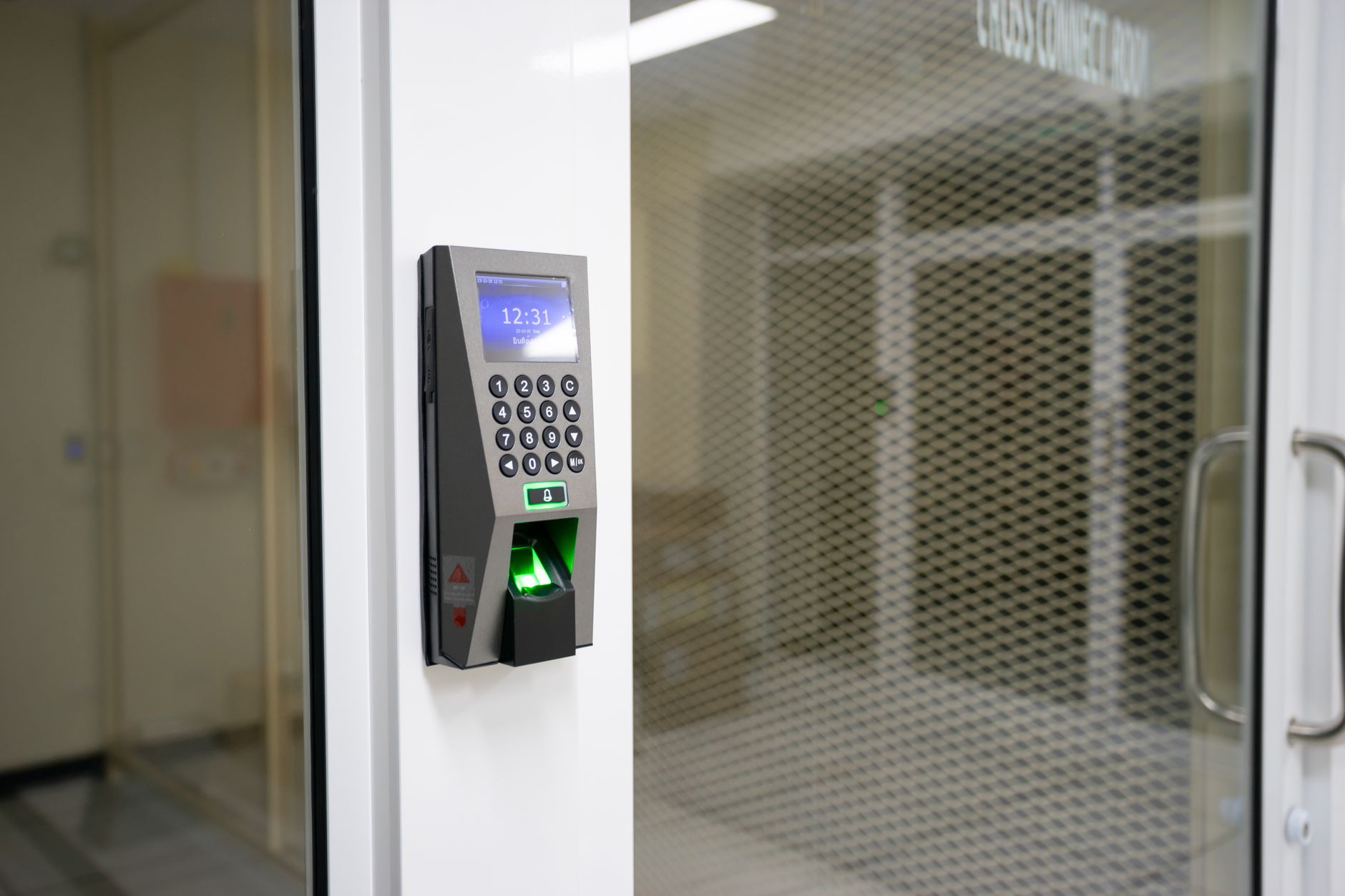
A multi-factor access control system combines multiple authentication layers (card + fingerprint/face + PIN code) and an anti-passback algorithm, ensuring each person enters only once and cannot swipe a card for someone else. This solution is suitable for large enterprise data centers, colocation facilities, and high-security requirements.
The MFA data center system includes: card readers + fingerprint/face sensors, door controllers, central management software, and an anti-passback mechanism. When a user enters, the system records and marks their status as "inside." If that person attempts to swipe a card for someone else, the system denies access. According to Uptime Institute standards, Tier III data centers and above require at least two authentication layers.
This solution provides detailed audit logs: who entered, the time, which door, and how long they stayed. The investment cost is higher (15-30 million VND per door) but reduces the risk of data loss.
Detailed comparison: Electronic locks vs MFA anti-passback systems
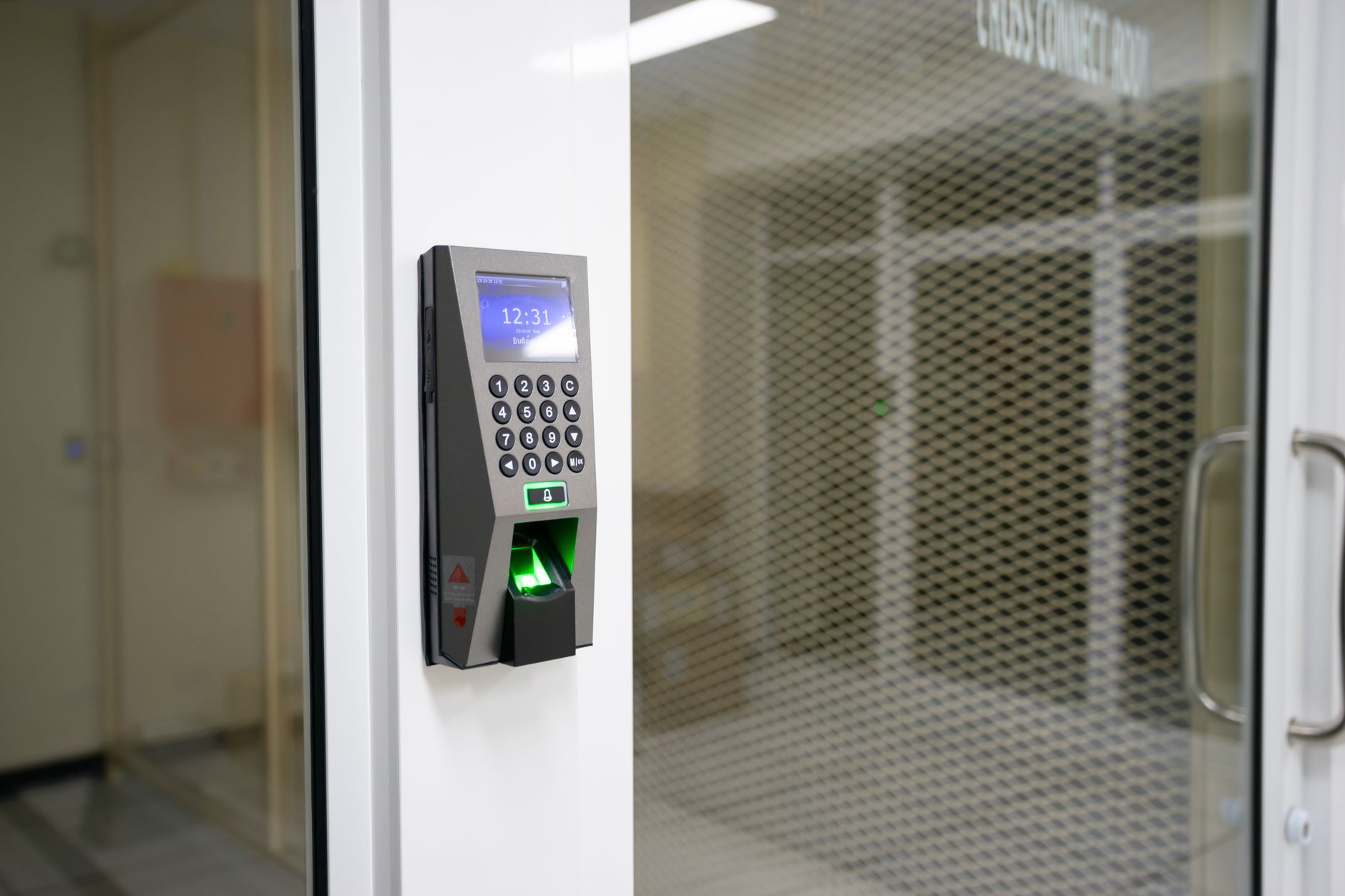
The comparison table below analyzes 7 key criteria: cost, security, audit log, anti-passback, scalability, reliability, and deployment time.
| Criterion | Traditional Electronic Lock | MFA + Anti-passback System |
|---|---|---|
| Investment cost (per door) | 3-8 million VND | 15-30 million VND |
| Security | Basic (1 layer) | Best (3 layers: card + biometric + PIN) |
| Audit log | None or local | Centralized, real-time, stored for 1-3 years |
| Anti-passback | No | Yes (prevents card sharing) |
| Scalability | Limited (independent per door) | High (LAN network, integrates multiple doors) |
| Reliability | Average (battery, power outage) | High (backup power, fail-safe) |
| Deployment time | 1-2 days | 5-10 days |
Based on the comparison table, the MFA + anti-passback system holds an absolute advantage in security and audit logs. However, the cost is 3-5 times higher than traditional electronic locks.
Choose by use case: What type of data center do you have?

Each type of data center has different security requirements. Below are 3 common use cases and recommended solutions.
Use case 1: Small and medium data center (under 20 racks, limited budget)
Recommendation: Traditional electronic lock. Reason: low cost, easy to deploy, no need for IT staff to operate software. Can be combined with surveillance cameras to compensate for the lack of an audit log.
Use case 2: Large enterprise data center (over 50 racks, requires ISO 27001 certification)
Recommendation: MFA + anti-passback system. Reason: meets audit standards, prevents unauthorized access, detailed audit logs for compliance. High initial investment but reduces the risk of data loss worth billions of VND.
Use case 3: Colocation data center (server space rental)
Recommendation: MFA + anti-passback system combined with individual rack cabinet locks. Reason: needs to control access to common areas (MFA) and protect individual rack cabinets (electronic locks). Cost is 20-35 million VND per rack cabinet door.
Advantages and disadvantages of each solution
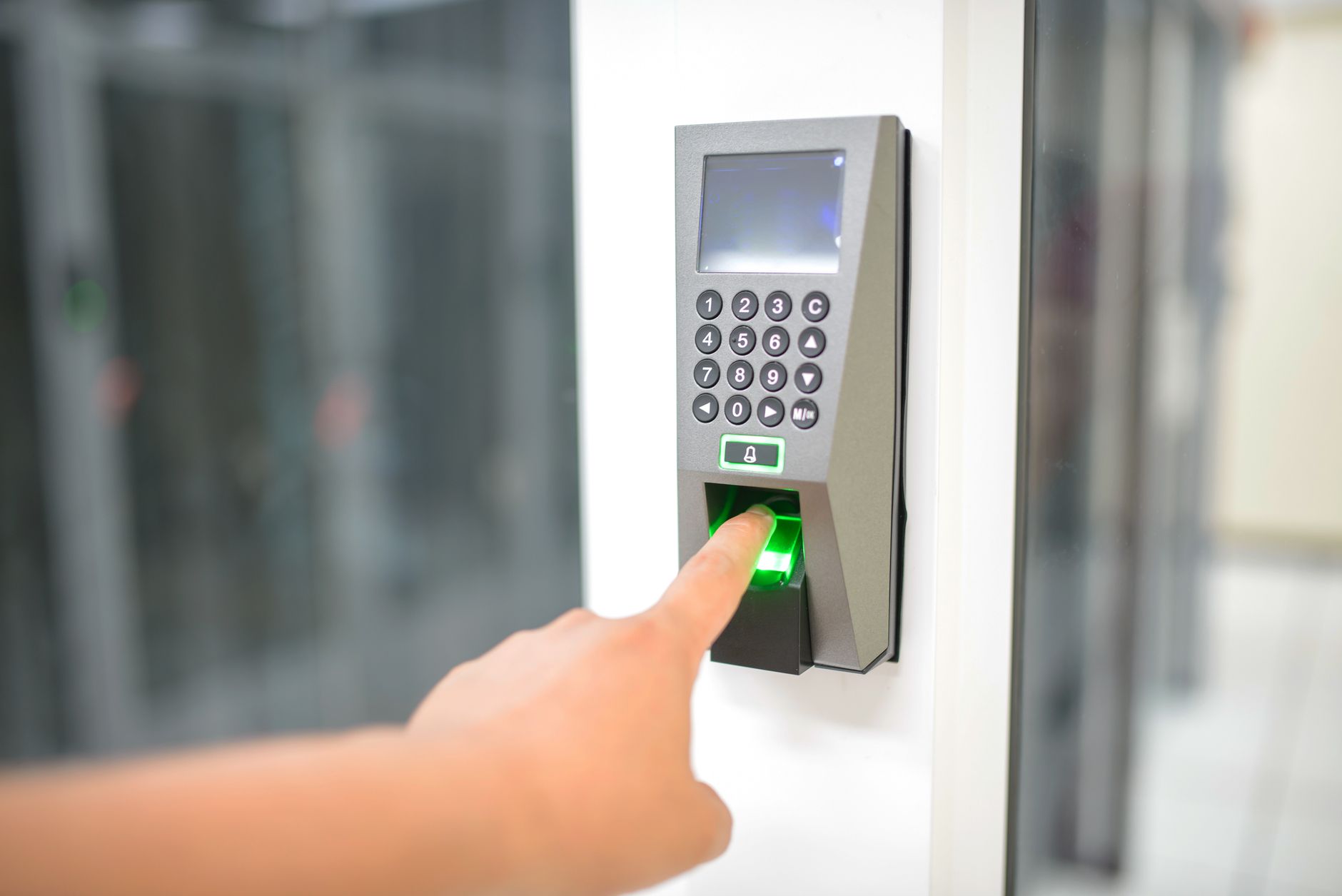
Below is a summary of the advantages and disadvantages of traditional electronic locks and MFA + anti-passback systems, helping you carefully consider before deciding.
Traditional Electronic Lock
Advantages
- Low investment cost, suitable for small budgets
- Quick installation, no network infrastructure required
- Easy to replace, simple maintenance
- Does not depend on management software
Disadvantages
- No centralized audit log
- Cannot prevent card sharing (tailgating)
- Single-layer security, easily bypassed
- Difficult to scale as the data center grows
MFA + Anti-passback System
Advantages
- Multi-layer security, effectively prevents unauthorized access
- Detailed audit log, meets audit requirements
- Anti-passback prevents tailgating
- Flexible scalability, integrates multiple doors
Disadvantages
- High investment cost, 3-5 times more than electronic locks
- Requires network infrastructure and management software
- Longer deployment time
- Requires IT staff for operation
Frequently Asked Questions
Does a data center access control system need anti-passback?
Yes, if the data center requires high security or needs ISO 27001 certification. Anti-passback prevents users from swiping a card for someone else to enter together, reducing the risk of unauthorized access. For small data centers, this feature can be omitted to save costs.
What is the installation cost of an MFA system for a data center?
Start with a free 60-minute site survey
Our senior technical team will visit your site, assess the current setup, and propose a bundle matched to your business model and budget.