
Conveyor metal detectors are essential quality inspection equipment in food production lines, helping to detect metal contaminants (ferrous, stainless steel, aluminum) in products before packaging. This article compares the 3 most popular lines — single-frequency, multi-frequency, and rotating magnetic field — to help you choose the right solution for your product characteristics and investment budget.
What is a Single-Frequency Conveyor Metal Detector? Who is it suitable for?

A single-frequency conveyor metal detector operates at a fixed frequency (typically 100-800 kHz), suitable for dry, low-interference products such as confectionery, rice, and grains. This is an entry-level line, low-cost, easy to operate, but sensitivity drops significantly with moist products or those containing non-ferrous metals.
This line uses one transmitter coil and two balanced receiver coils, creating a stable magnetic field. When a product containing metal passes through, the magnetic field is disturbed, triggering an alarm signal. The main advantage is low investment cost (approximately 40-70 million VND) and easy maintenance. However, the biggest limitation is poor interference rejection — products with high moisture (fresh meat, cheese) or containing salt, spices can easily cause false alarms. Suitable for medium and small-scale processing plants for grains, cereals, and dry confectionery.
Multi-Frequency Conveyor Metal Detector: Higher Technology for Complex Products
Related Products

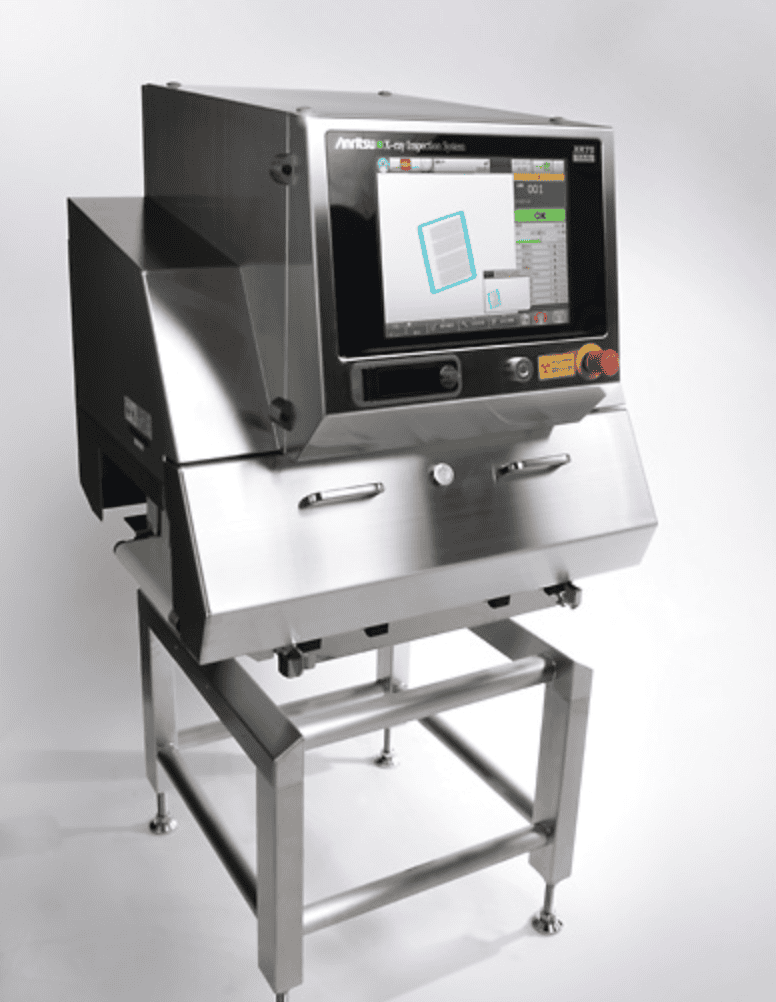


Multi-frequency metal detectors can simultaneously scan 2-5 different frequencies, helping to detect various types of metals (ferrous, stainless steel, aluminum) on all products, including moist foods or those packaged in aluminum film. This is the optimal choice for food factories with diverse product lines.
Operating principle: the detector emits multiple frequencies simultaneously, each optimized for a specific metal type or product condition. Signal processing software analyzes the differences between frequencies, eliminates product interference (product effect), and only alarms when actual contaminants are present. This line has a higher cost (120-250 million VND) but reduces false alarms by up to 80% compared to single-frequency, making it suitable for processed meat, seafood, dairy, and frozen foods. Some models from Mettler Toledo (Safeline Profile) or CEIA can integrate an automatic rejection module.
Rotating Magnetic Field Conveyor Metal Detector: Solution for Stainless Steel and Difficult Products

Rotating magnetic field metal detectors use multiple transmitter coils to create a rotating magnetic field, allowing detection of metal contaminants from all directions — particularly effective for non-ferrous stainless steel (304, 316) and products with low electrical conductivity.
Unlike single-frequency detectors that only detect metal in one specific orientation, the rotating magnetic field creates a uniform detection zone, enabling detection of even small stainless steel fragments (diameter 0.5-1.0 mm) regardless of their orientation within the product. This is the most advanced technology, commonly found on CEIA (THS/MS Series) lines with prices ranging from 200-400 million VND. Suitable for canning, meat processing, and export seafood factories requiring high IFS, BRC standards. The downside is high investment cost and the need for skilled technicians for setup.
Detailed Comparison of 3 Conveyor Metal Detector Lines

The comparison table below summarizes 6 important criteria: detection capability, interference rejection, cost, product suitability, ease of operation, and maintenance. Highlighted rows indicate the best criterion.
| Criterion | Single-Frequency | Multi-Frequency | Rotating Magnetic Field |
|---|---|---|---|
| Ferrous Detection Capability | Good (0.8-1.2mm) | Best (0.5-0.8mm) | Best (0.3-0.5mm) |
| Stainless Steel 304 Detection Capability | Average (1.5-2.5mm) | Good (1.0-1.5mm) | Best (0.5-1.0mm) |
| Moist Product Interference Rejection | Poor (false alarms 5-15%) | Good (false alarms <2%) | Best (false alarms <1%) |
| Investment Cost (million VND) | Low (40-70) | Average (120-250) | High (200-400) |
| Suitable Products | Dry, low-interference products | Diverse, including moist, salty | All products, including canned, complex |
| Ease of Operation & Maintenance | Easy | Average (requires initial setup) | Difficult (requires technician) |
Selecting a Conveyor Metal Detector by Specific Use Case

Based on product characteristics and production scale, below are 5 common use cases with recommendations for the most suitable detector line.
Use Case 1: Confectionery, Cereal, Dry Spice Factory
Recommendation: Single-Frequency Detector. Dry products, low interference, no requirement for extremely high sensitivity. Low investment cost, simple operation. Example: Lá Me biscuit factory (Long An) installed 3 single-frequency detectors on 3 lines, total investment 180 million VND, reducing metal defects by 85%.
Use Case 2: Fresh Meat, Seafood Processing Factory
Recommendation: Multi-Frequency Detector. Moist products containing salt, protein cause significant interference. Multi-frequency detectors help eliminate product effect, reducing false alarms. Tân Phát factory (Cần Thơ) processing export pangasius switched from single-frequency to multi-frequency, reducing false rejection rate from 12% down to 1.5%.
Use Case 3: Canned Food Factory (canned fish, canned meat)
Recommendation: Rotating Magnetic Field Detector. Products in metal cans or with aluminum film cause extremely strong interference. CEIA rotating magnetic field detectors can detect 0.8mm stainless steel fragments in sardine cans. Initial investment is high (~350 million VND) but saves costs from product recall.
Use Case 4: Dairy, Beverage Factory (liquid products)
Recommendation: Multi-Frequency or Rotating Magnetic Field Detector. Highly conductive products (milk, fruit juice) cause significant background interference. Multi-frequency detectors (Mettler Toledo Safeline) offer sensitivity of 0.6mm ferrous, 1.0mm stainless steel. If non-metallic contaminants (glass, stone) are also present, consider combining with an X-ray inspection system.
Use Case 5: Frozen Food Factory (frozen meat, IQF seafood)
Recommendation: Multi-Frequency Detector. Frozen products typically have low temperature and high moisture. Multi-frequency detectors with temperature compensation algorithms help maintain stable sensitivity. Đồi Cát factory (Phú Yên) processing frozen shrimp for EU export installed 5 multi-frequency detectors, achieving a 99.8% contaminant detection rate.
Pros and Cons of Each Conveyor Metal Detector Line

Each detector line has its own pros and cons, depending on production conditions and quality requirements. Below is a pro/con overview for all 3 types.
Single-Frequency Detector
- Pros: Low cost (40-70 million VND), easy to operate, simple maintenance, suitable for dry products.
- Cons: Low stainless steel sensitivity, many false alarms with moist products, poor interference rejection.
Multi-Frequency Detector
- Pros: Detects diverse metals, good interference rejection, reduces false alarms, suitable for many product types.
- Cons: High cost (120-250 million VND), requires thorough initial setup, needs experienced technician.
Rotating Magnetic Field Detector
- Pros: Highest sensitivity (stainless steel 0.5mm), detects all orientations, absolute interference rejection, suitable for difficult products.
- Cons: Very high investment cost (200-400 million VND), requires in-depth maintenance, difficult to find technicians in Vietnam.
Real-World Case Study: Vietnamese Food Factory Reduces Defects by 90% by Choosing the Right Machine
Lá Me seafood processing factory (Long An) previously used single-frequency detectors on its IQF frozen shrimp line. The false alarm rate reached 18%, causing product and time waste. After switching to a multi-frequency detector, the false alarm rate dropped to below 2%, saving over 500 million VND annually in rejected products and labor costs.