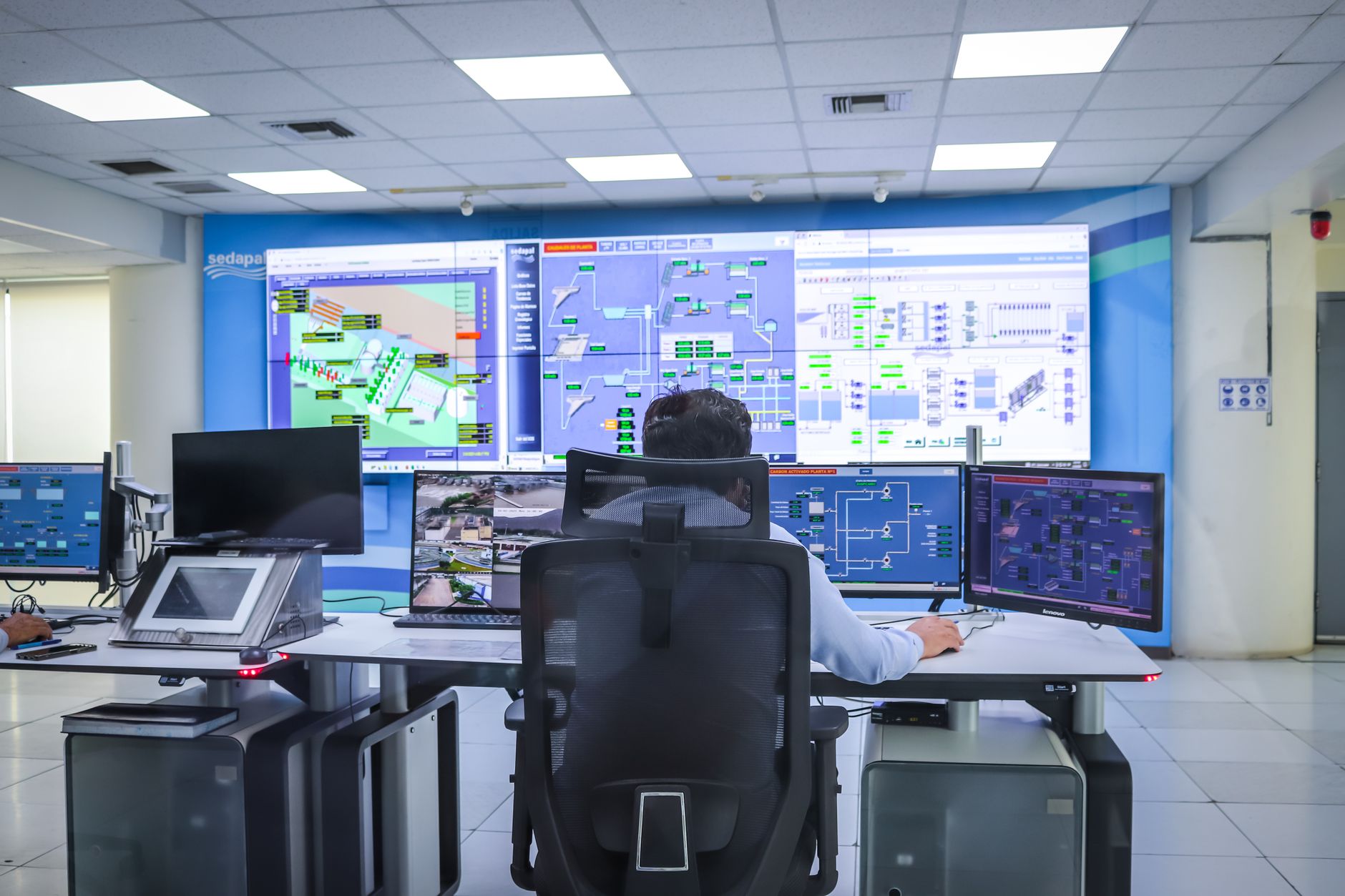
A Building Management System (BMS) is the central control hub for HVAC, lighting, security, and fire protection. This article compares Siemens Desigo CC with three main competitors: Honeywell EBI, Johnson Controls Metasys, and Schneider EcoStruxure — helping Vietnamese business owners choose the right solution after reading.
What is Siemens Desigo CC and who is it for?
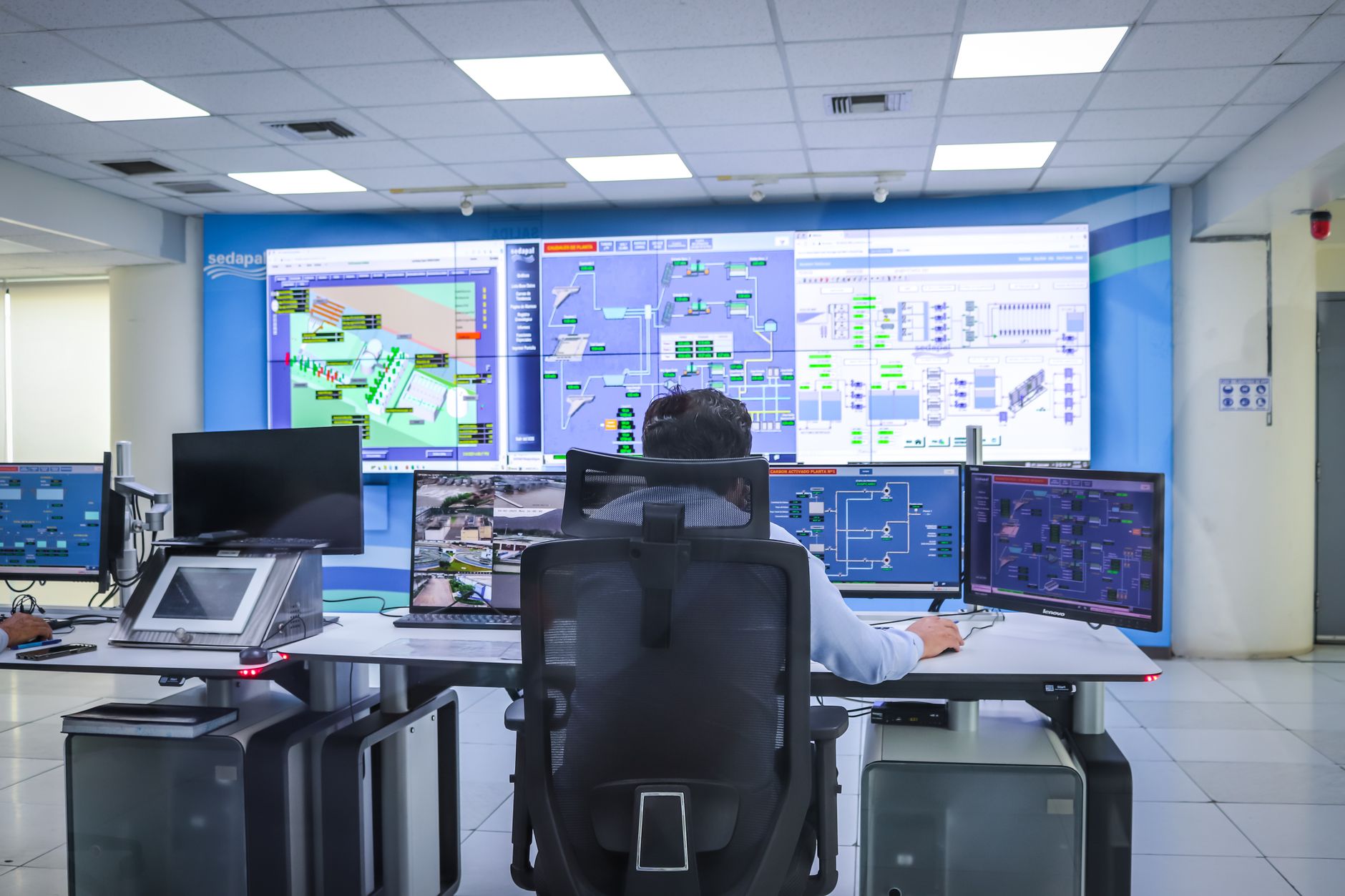
Siemens Desigo CC is an open-source, multi-domain integration platform designed to centrally manage HVAC, lighting, security, fire protection, and energy. It is suitable for grade A office buildings, hospitals, and large commercial centers requiring deep integration and flexible scalability.
Desigo CC uses open protocols BACnet and OPC UA, enabling connectivity with over 200 device types from various manufacturers. The system can scale from a few hundred data points to hundreds of thousands, making it suitable for complex buildings. In Vietnam, Desigo CC has been deployed at many international hospitals and premium office buildings.
What is Honeywell EBI (Enterprise Buildings Integrator) and who is it for?
Related Products

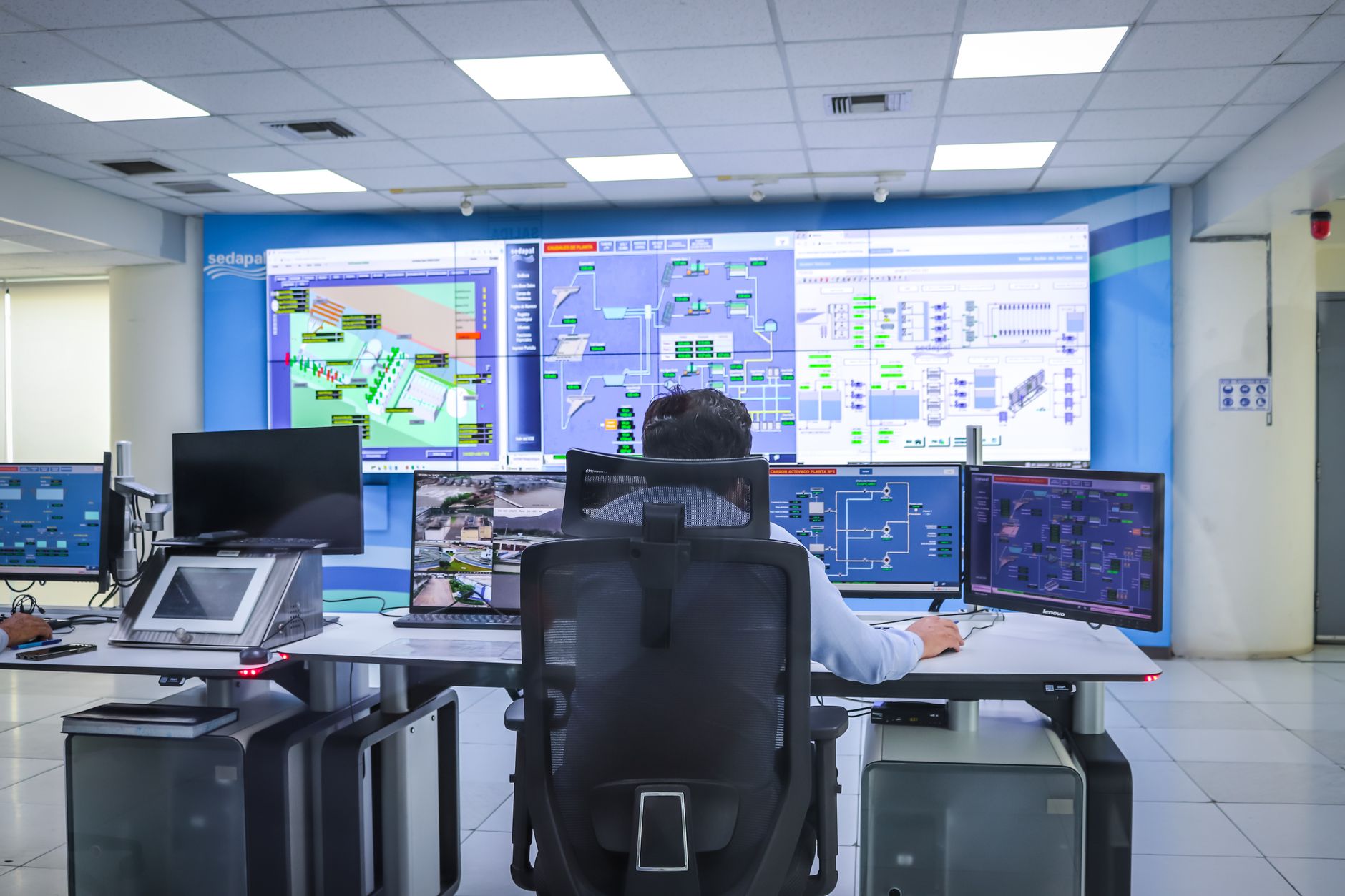
Honeywell EBI is an enterprise BMS integration system, strong in security and fire protection management. It is suitable for manufacturing plants, warehouses, and government buildings with high safety requirements and strict regulatory compliance.
EBI excels with deep integration of fire alarm, access control, and security camera systems from the native platform. The system supports BACnet, Modbus, and Honeywell proprietary protocols. Initial cost is typically 10-15% lower than Desigo CC for equivalent configurations, but expansion and software license costs can be higher as scale increases.
What is Johnson Controls Metasys and who is it for?

Johnson Controls Metasys is the most popular BMS system in the US, known for its intuitive user interface and ease of operation. It is suitable for small to medium commercial buildings, schools, and regional hospitals with limited budgets.
Metasys uses the BACnet/IP protocol and supports integration with most standard HVAC equipment. Its strengths are fast deployment time and 15-25% lower initial installation cost than Desigo CC. However, security integration (cameras, access control) is not as deep as Desigo CC or Honeywell EBI, often requiring additional gateways or middleware software.
What is Schneider Electric EcoStruxure and who is it for?
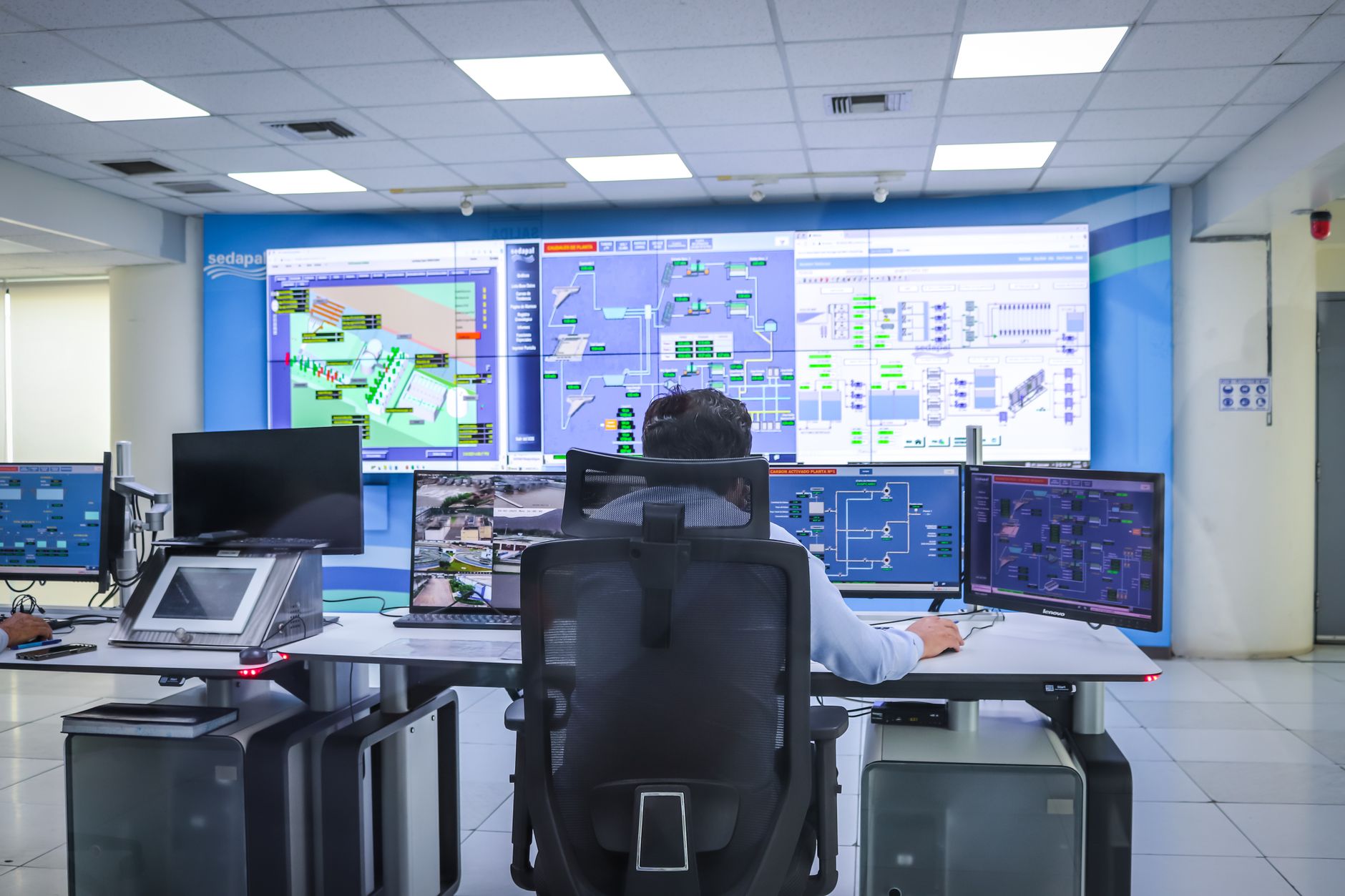
Schneider EcoStruxure is an IoT-integrated BMS platform, strong in energy management and data analytics. It is suitable for green buildings, industrial parks, and data centers with energy saving and carbon reduction goals.
EcoStruxure combines hardware (PLC, controllers) with energy analysis software (Power Monitoring Expert). The system supports BACnet, Modbus, LonWorks, and IoT protocols (MQTT). Initial investment cost is comparable to Desigo CC, but operating costs are lower thanks to automated energy optimization. Camera and access control security integration is via separate modules, not as strong as Desigo CC.
Detailed comparison: Desigo CC vs Honeywell vs Metasys vs Schneider
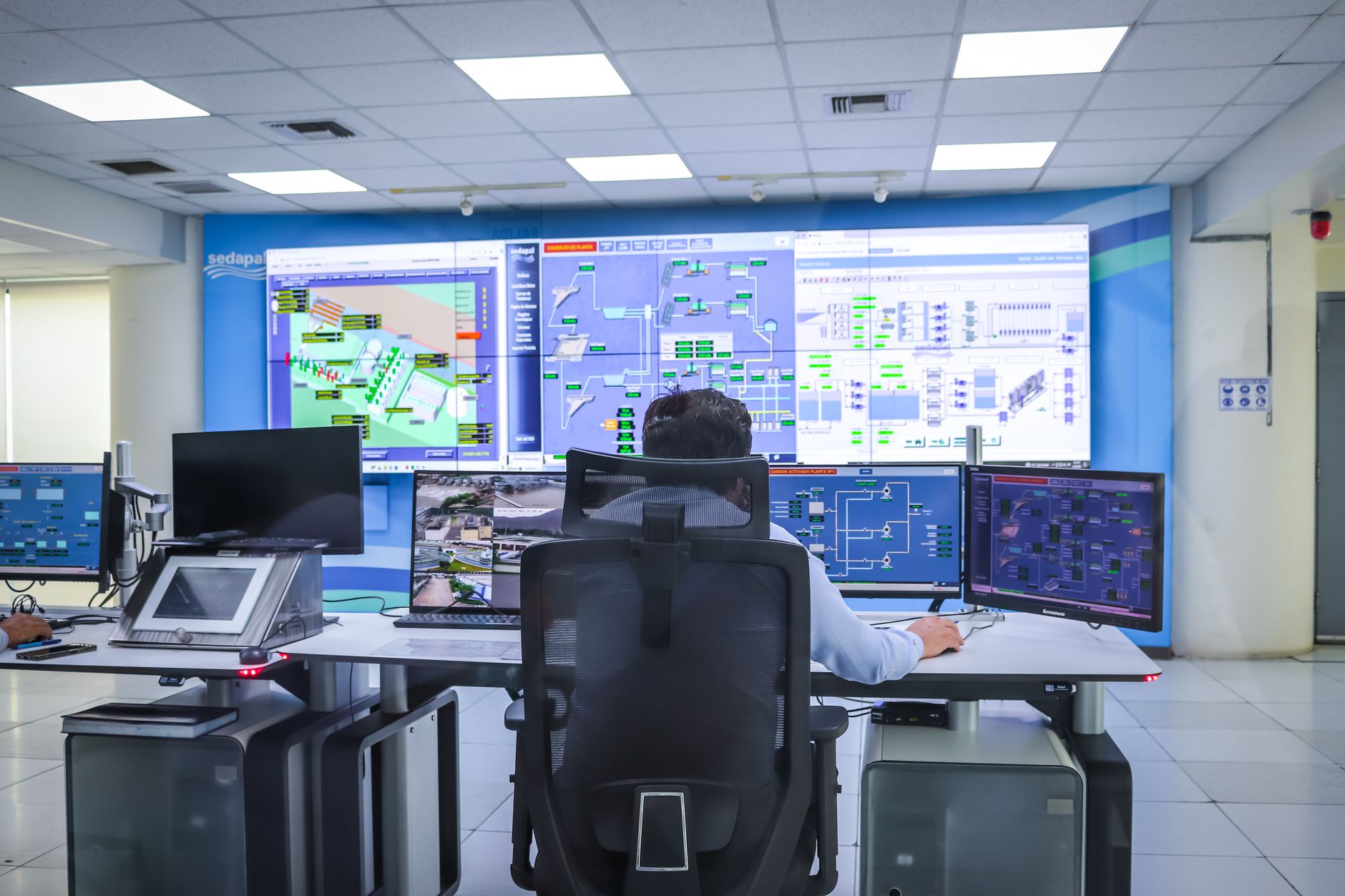
The comparison table below evaluates the 4 BMS systems across 7 important criteria, giving you an overview before making a decision.
| Criteria | Siemens Desigo CC | Honeywell EBI | Johnson Controls Metasys | Schneider EcoStruxure |
|---|---|---|---|---|
| Initial cost (10,000m² building) | 800 million - 1.2 billion VND | 700 million - 1 billion VND | Best: 600 - 900 million VND | 850 million - 1.3 billion VND |
| Annual operating cost | 50 - 80 million VND | 60 - 90 million VND | 40 - 70 million VND | Best: 35 - 60 million VND |
| Scalability (data points) | Best: 100,000+ points | 50,000+ points | 30,000+ points | 80,000+ points |
| Security integration (cameras, access control) | Best: Deep, native | Good, native | Average, requires gateway | Fair, separate modules |
| Supported protocols | BACnet, OPC UA, Modbus, KNX | BACnet, Modbus, Honeywell proprietary | BACnet/IP, N2, Modbus | BACnet, Modbus, LonWorks, MQTT |
| Ease of operation (rating 1-10) | 8 | 7 | Best: 9 | 7.5 |
| Technical support in Vietnam | Good (official partner) | Fair (partner) | Average (via distributor) | Good (official partner) |
Choosing BMS by use case: Office building
Use case: Grade A office building, 15 floors, area 20,000m², requiring integration of security cameras and access control.
Recommendation: Siemens Desigo CC — Deep security integration, flexible scalability, suitable for premium buildings needing centralized management of multiple systems. Initial investment cost is higher than Metasys, but long-term operating savings due to energy optimization and easy maintenance.
Choosing BMS by use case: Manufacturing plant
Use case: 5,000m² manufacturing plant, prioritizing fire safety and strict access control.
Recommendation: Honeywell EBI — Strongest fire alarm and security integration, compliant with strict safety regulations. Initial cost lower than Desigo CC, suitable for small to medium plant budgets.
Choosing BMS by use case: Hospital
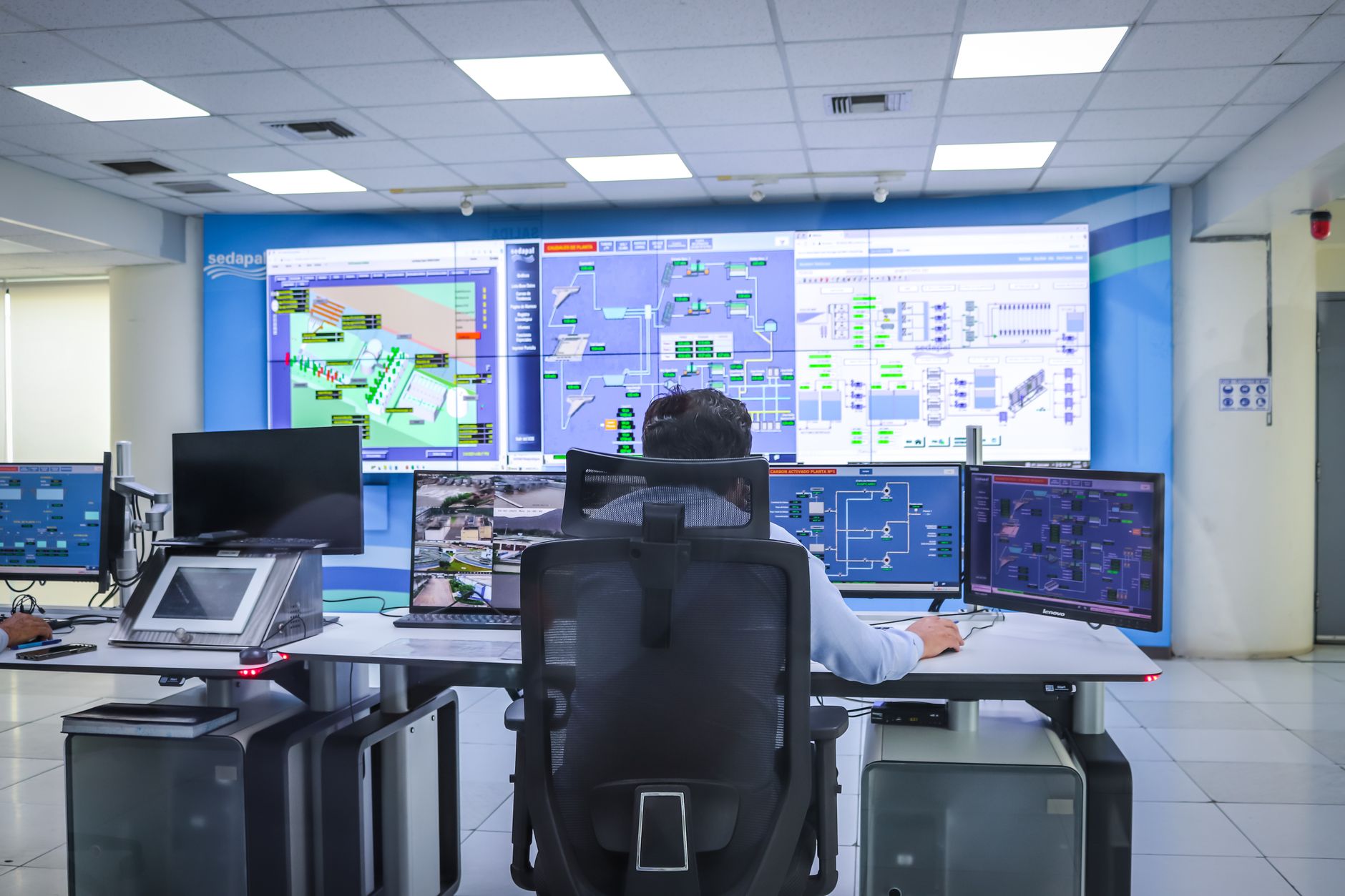
Use case: 500-bed general hospital, requiring precise environmental control (temperature, humidity) and security system integration.
Recommendation: Siemens Desigo CC — Meets stringent hospital environmental control standards, deep integration with security and fire protection systems. There are many successful case studies in Vietnam, such as at Desigo CC BMS solution for hospitals: 24/7 environmental control & security.
Choosing BMS by use case: Green building, energy saving
Use case: LEED-certified office building, targeting 30% reduction in energy consumption.
Recommendation: Schneider EcoStruxure — Strongest energy analytics platform, IoT integration, automated optimization. Lowest operating cost among the 4 systems, suitable for long-term sustainability goals.
Pros and cons of each system
Each BMS system has its own strengths and weaknesses. Below is an overview of the pros and cons of each solution.
Siemens Desigo CC
- Pros: Flexible scalability, deep security integration, supports multiple protocols, high security.
- Cons: High initial cost, requires specialized technicians, longer deployment time.
Honeywell EBI
- Pros: Strong fire safety integration, low initial cost, good technical support.
- Cons: Proprietary protocols limit expansion, high software license costs when scaling.
Johnson Controls Metasys
- Pros: Easiest to operate, lowest cost, fast deployment.
- Cons: Limited scalability, weak security integration, average support in Vietnam.
Schneider EcoStruxure
- Pros: Excellent energy management, low operating cost, IoT support.
- Cons: Security integration not strong, high initial cost, requires stable network infrastructure.
BMS deployment roadmap for buildings in 2026
Choosing a BMS is not just about comparing features. A specific deployment roadmap is needed, from survey, design, installation to operation.
First, businesses need to determine the building scale (area, number of floors, number of data points) and integration requirements (HVAC, security, fire protection). Then, select the appropriate BMS system based on the comparison table above. The total installation cost for a 10,000m² building ranges from 600 million to 1.3 billion VND, depending on the system. Deployment time is 2-6 months, including survey, design, hardware installation, software configuration, and operational training. For more details on costs, refer to Siemens Desigo CC BMS complete quotation for office buildings 2026.