
Integrating a conveyor metal detector is a solution that installs a metal detection system directly on an existing conveyor line, helping to automatically detect and remove metal contaminants (ferrous, stainless steel, aluminum) in food products. According to statistics from factories that have implemented this, the rate of product defects due to metal contamination decreases by an average of 85-95% after integration, while also cutting recall and compensation costs by up to 70%.
What is conveyor metal detector integration and why is it needed for food factories?

Conveyor metal detector integration is the process of attaching a metal detector device to an existing conveyor system, allowing 100% inspection of products as they move. This solution helps food factories comply with HACCP, IFS, BRC standards, minimize product recall risks, and protect their brand.
Conveyor metal detectors operate on the principle of magnetic field balance, detecting changes when metal passes through the detector head. The system includes a controller, detector head, conveyor belt, and rejection mechanism (pneumatic pusher, reject flap). Unlike X-ray machines, metal detectors have an investment cost 40-60% lower and are easier to integrate into existing lines without structural changes. For small and medium-sized food factories, this is an optimal quality control solution in terms of cost and effectiveness.
Conveyor metal detector integration process: 5 basic steps
Related Products


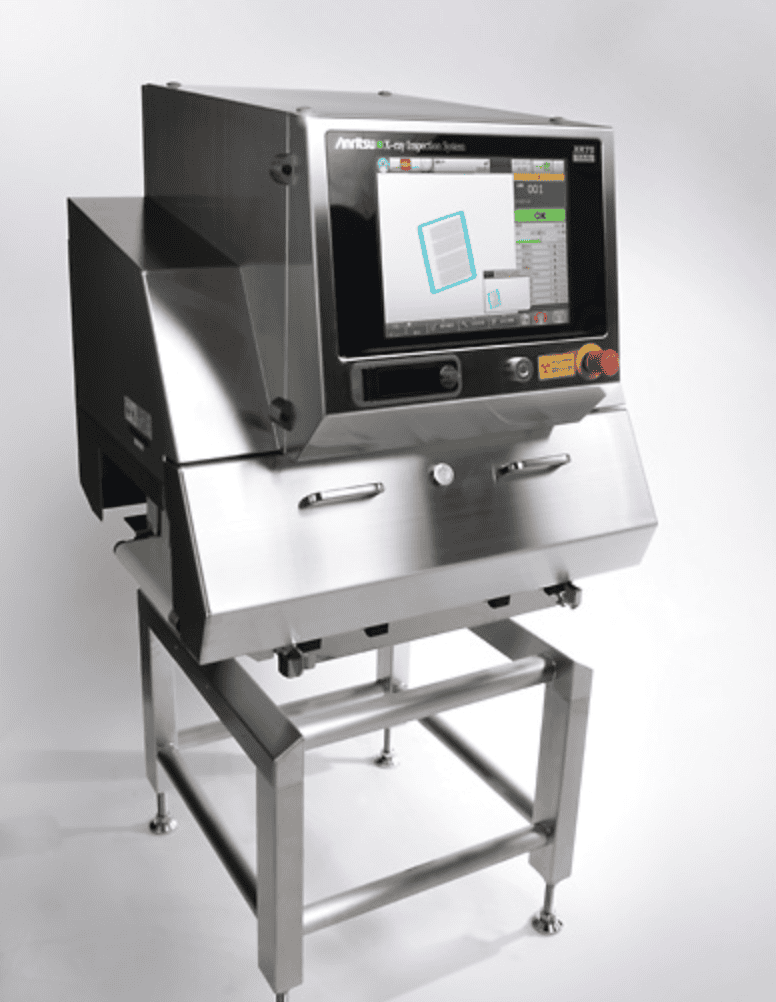


The conveyor metal detector integration process consists of 5 steps: surveying the current line, selecting the appropriate equipment, designing the mechanical interface, installing and calibrating, and trial operation. Each step affects the accuracy and performance of the system.
Step 1: Survey the production line
Technicians evaluate conveyor speed, width, product height, and working environment (temperature, humidity, vibration). These parameters determine the type of detector head and aperture size. For example, dry food packaging lines typically run at 20-40 m/min, requiring a high-frequency detector head to detect small 0.5 mm stainless steel particles.
Step 2: Select the appropriate metal detector
Based on survey results, choose between models such as Mettler Toledo Safeline (good noise immunity, detects small stainless steel), CEIA (multi-frequency, suitable for wet foods), or budget-friendly lines. Factors to consider: aperture size, number of detection zones, and automatic rejection integration capability.
Step 3: Design the mechanical interface
The most important part is ensuring the metal detector's conveyor is synchronized with the main line. This requires designing a support frame, adjusting height, and installing the rejection mechanism (pusher, flap, drop-through). Average design time is 5-7 working days.
Step 4: Install and calibrate
Mechanical installation, electrical connection, parameter setup (frequency, detection threshold, speed). Calibration is performed using test pieces with different metal types. Installation time is approximately 1-2 days for a simple system.
Step 5: Trial operation and training
Run a continuous 8-16 hour trial, recording detection rates and false alarms. Provide operation training for 2-3 personnel. Then handover and warranty.
Investment cost for conveyor metal detector integration: Product line comparison

The cost of conveyor metal detector integration ranges from 80 million to 450 million VND depending on brand, aperture size, features, and rejection mechanism. Below is a comparison table of investment and operating costs for popular lines.
| Machine line | Aperture size | Sensitivity (Fe/Stainless Steel) | Investment cost (VND) | Annual operating cost |
|---|---|---|---|---|
| Mettler Toledo Safeline | 300-600 mm | 0.3 / 0.5 mm | 250-450 million | 15-25 million |
| CEIA THS/MS | 400-800 mm | 0.5 / 0.8 mm | 180-350 million | 12-20 million |
| Budget-friendly line (China) | 300-500 mm | 0.8 / 1.2 mm | 80-150 million | 8-15 million |
Operating costs include electricity (0.5-1.5 kW/h), periodic maintenance (belt replacement, detector head cleaning), and calibration. For the Mettler Toledo Safeline line, average lifespan is 8-12 years, with long-term ownership costs 20-30% lower than budget-friendly lines due to fewer breakdowns and stable accuracy.
Real-world case study: Seafood processing plant reduces 90% defects thanks to conveyor metal detector integration

A pangasius export processing plant (capacity 50 tons/day) in Dong Thap integrated 3 Mettler Toledo Safeline conveyor metal detector systems at the end of its freezing line. Results after 3 months: defect rate dropped from 2.5% to 0.3%, saving 1.2 billion VND/year in recall and compensation costs.
Before integration, the plant used manual inspection with magnets and the naked eye, leading to many missed stainless steel contaminants from cutting blades and machine screws. Annual recall costs were approximately 1.5 billion VND. After installation, each system inspected 12-15 tons of product per hour, accurately detecting 0.5 mm stainless steel particles. The investment payback period (3 systems ~ 1.1 billion VND) was only 9 months.
Business benefits of conveyor metal detector integration

Beyond reducing product defects, conveyor metal detector integration brings clear business benefits: enhanced brand reputation, expanded export markets, reduced insurance costs, and compliance with international standards.
- Standard compliance: Meets HACCP, IFS, BRC, FSSC 22000 requirements – mandatory conditions for exporting to the EU, Japan, and the US.
- Reduced recall costs: Each food product recall costs an average of 500 million – 2 billion VND, not including brand damage.
- Increased productivity: Automatic 100% inspection at speeds of 20-60 m/min without slowing down the line.
- Equipment protection: Early detection of metal fragments from damaged machinery, reducing damage to grinders and cutters.
Comparison of conveyor metal detectors and X-ray machines: Which solution to choose?

Both technologies detect contaminants, but conveyor metal detectors are more suitable for small and medium-sized food factories due to lower cost and easier integration. X-ray machines can detect non-metallic contaminants (stone, glass, bone) but cost 2-3 times more.
| Criterion | Conveyor metal detector | X-ray machine |
|---|---|---|
| Metal detection | Yes (Fe, Stainless Steel, Aluminum) | Yes (all types) |
| Non-metal detection | No | Yes (stone, glass, bone) |
| Investment cost | 80-450 million VND | 400-900 million VND |
| Ease of integration | High (no major changes needed) | Medium (requires radiation shielding) |
| Annual operating cost | 8-25 million VND | 30-60 million VND |
| Primary application | Packaged and bulk food | Food, pharmaceuticals, high-quality inspection |
For food factories that only need to control metal contaminants (primary sources from machinery, raw materials), a conveyor metal detector is the optimal cost-effective choice. If products are at risk of glass or stone contamination (e.g., canned foods, seafood with bones), consider adding an X-ray machine at critical control points. See more in the article Mettler Toledo vs. Competitors: Which X-ray Machine to Choose for Food? for a more detailed view.
Notes when integrating a conveyor metal detector into an existing line
Integration needs to consider factors such as