A smart parking lot is not just barriers and cameras – it is the synchronized combination of 5 core specialized parking management devices: LPR, barrier, card reader, turnstile, and management software. According to the 2025 Southeast Asia Smart Parking Market Report, parking lots in Vietnam that apply all 5 of these devices reduce wait times by 65-75% and operational labor costs by 50-60%. So which device is suitable for your scale?
What is a specialized parking management device?
A specialized parking management device is a collection of hardware and software designed to automate the entry-exit, fee collection, monitoring, and management process of a parking lot. Unlike manual methods using paper tickets, this system helps reduce fraud, increase traffic flow speed, and provide real-time operational data.
These devices operate on the principle: vehicle arrives -> sensor detects -> LPR camera records license plate -> barrier opens -> vehicle enters -> counting sensor updates available spaces. The entire process takes 3-5 seconds, compared to 30-60 seconds when done manually. In Vietnam, this system is common in high-end apartments, shopping malls, hospitals, and Grade A office buildings.
#1 – License Plate Recognition (LPR) Camera: The Eye of the Parking Lot
Related Products
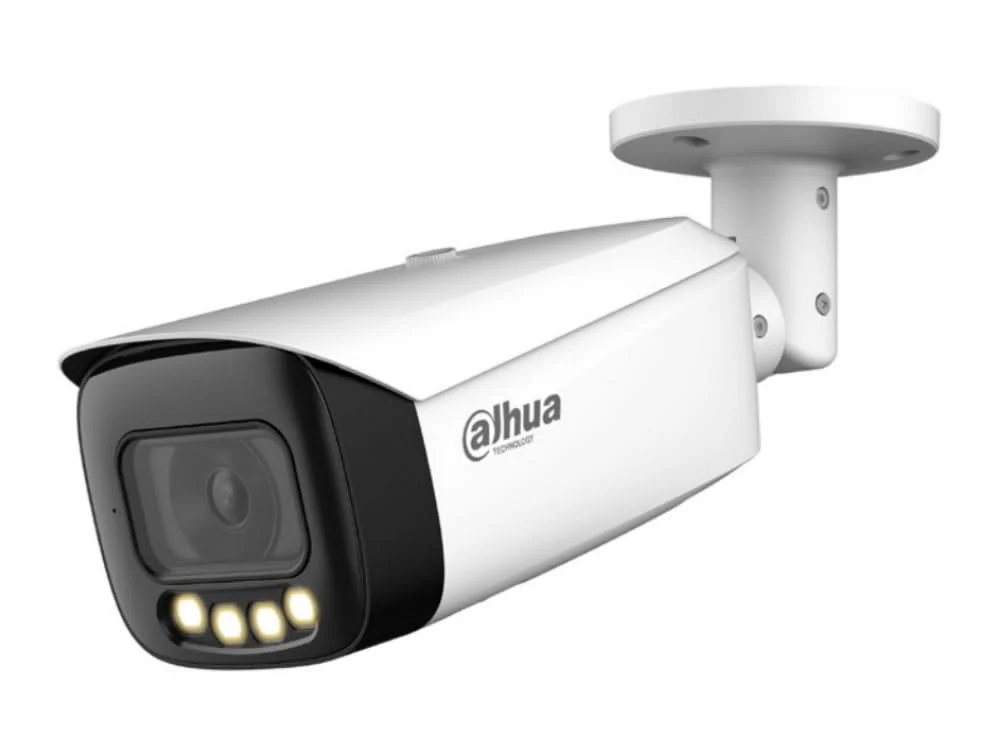
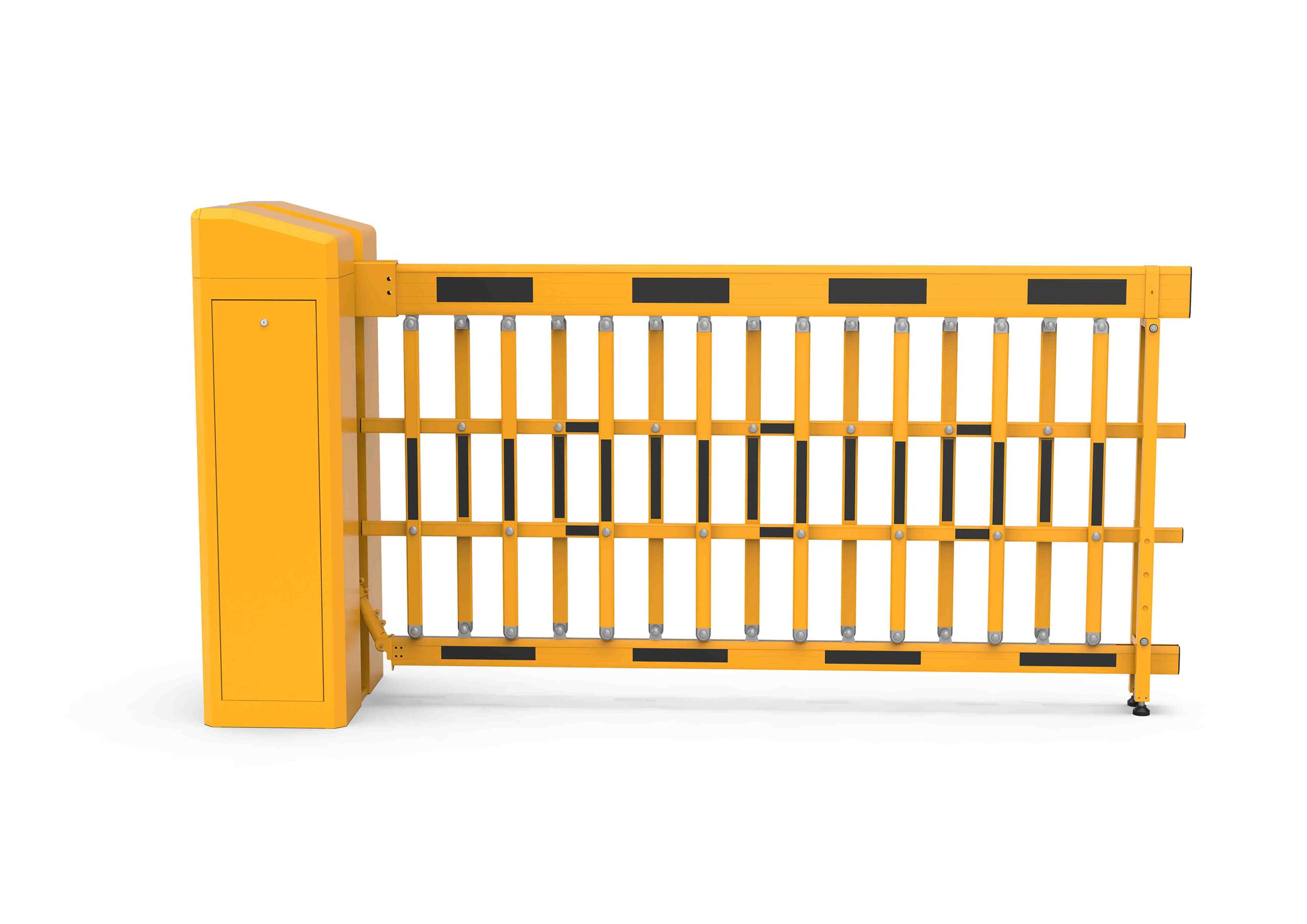
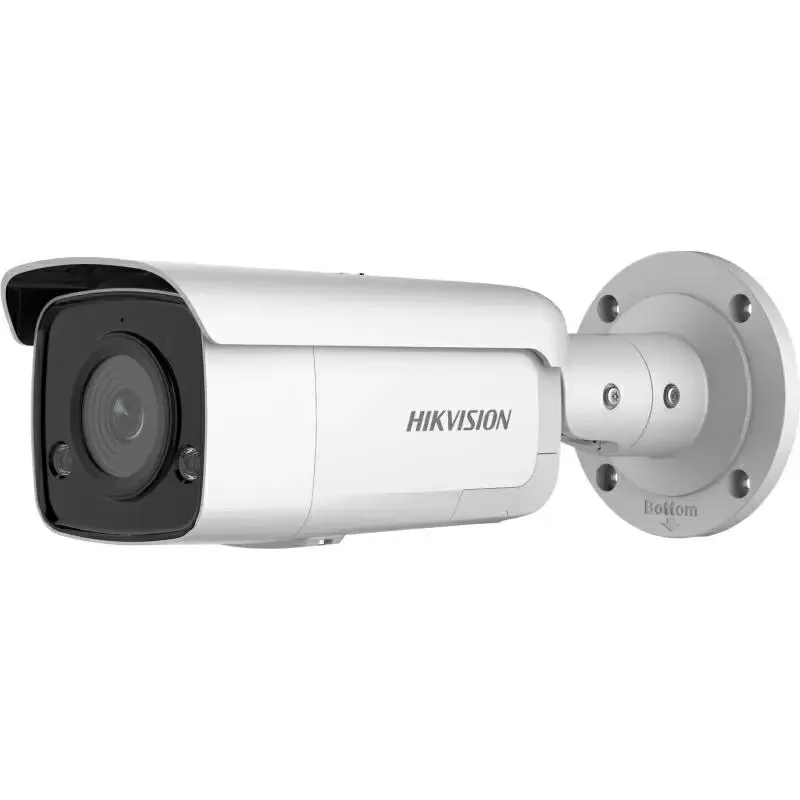
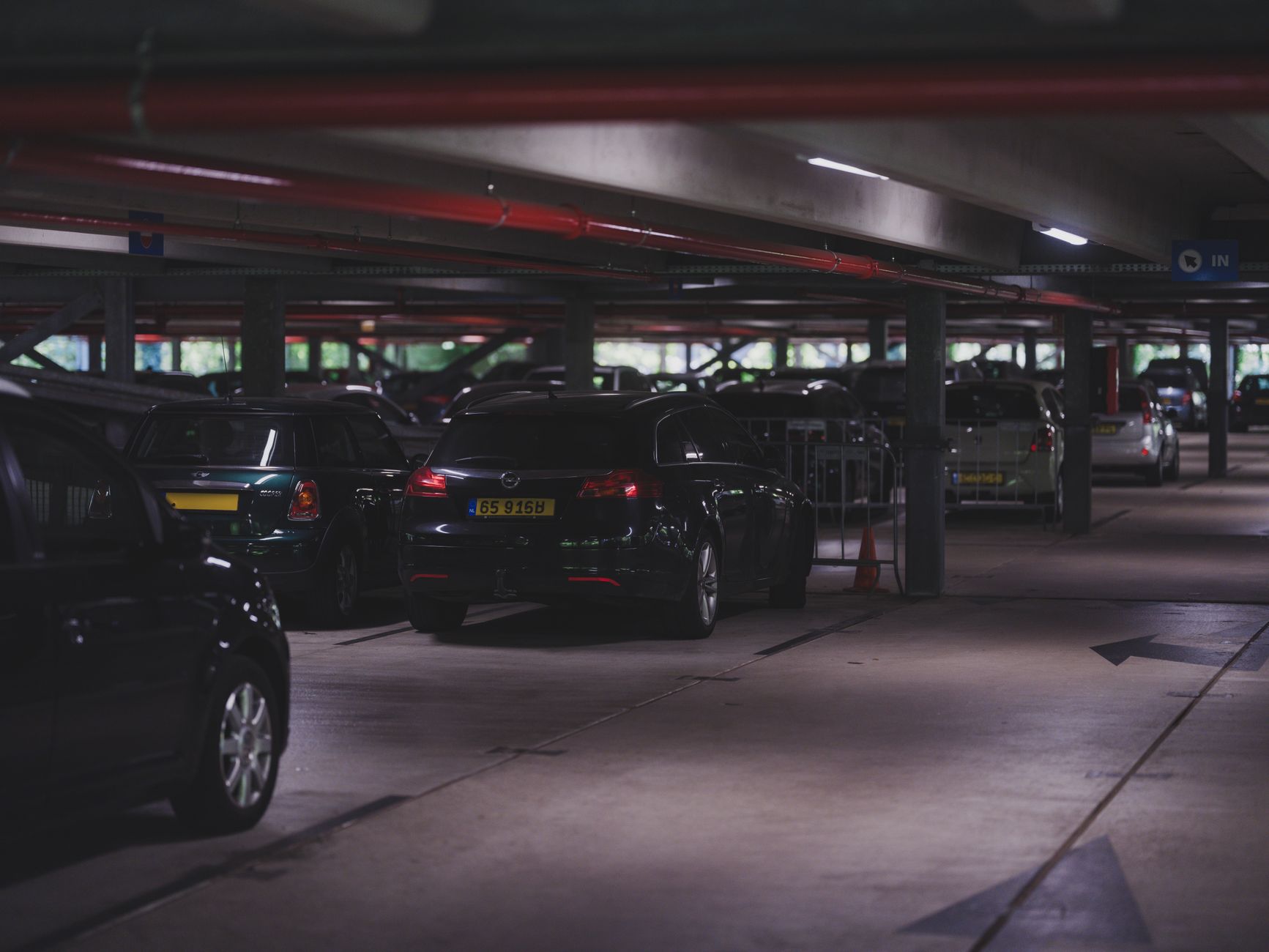
The LPR (License Plate Recognition) camera is the most important specialized parking management device, responsible for reading license plates upon entry and exit with 95-99% accuracy under normal lighting conditions. This is the foundation for all subsequent automation features.
LPR cameras use AI and image processing technology to recognize characters on Vietnamese license plates (white background, yellow background, blue plates). Some high-end models can read even dirty or slightly deformed plates. The investment cost for a dedicated LPR camera set ranges from 12-25 million VND, depending on the brand (Hikvision, Dahua, ZKTeco) and integrated features (anti-glare, infrared, 4G).
Real-world application: At an office building parking lot, LPR cameras allow pre-registered vehicles (residents, employees) to enter automatically without stopping. Transient vehicles have their license plates photographed for real-time fee calculation. License plate data is stored for 30-90 days, serving retrieval in case of disputes.
#2 – Automatic Barrier: The Gate Regulating Vehicle Flow
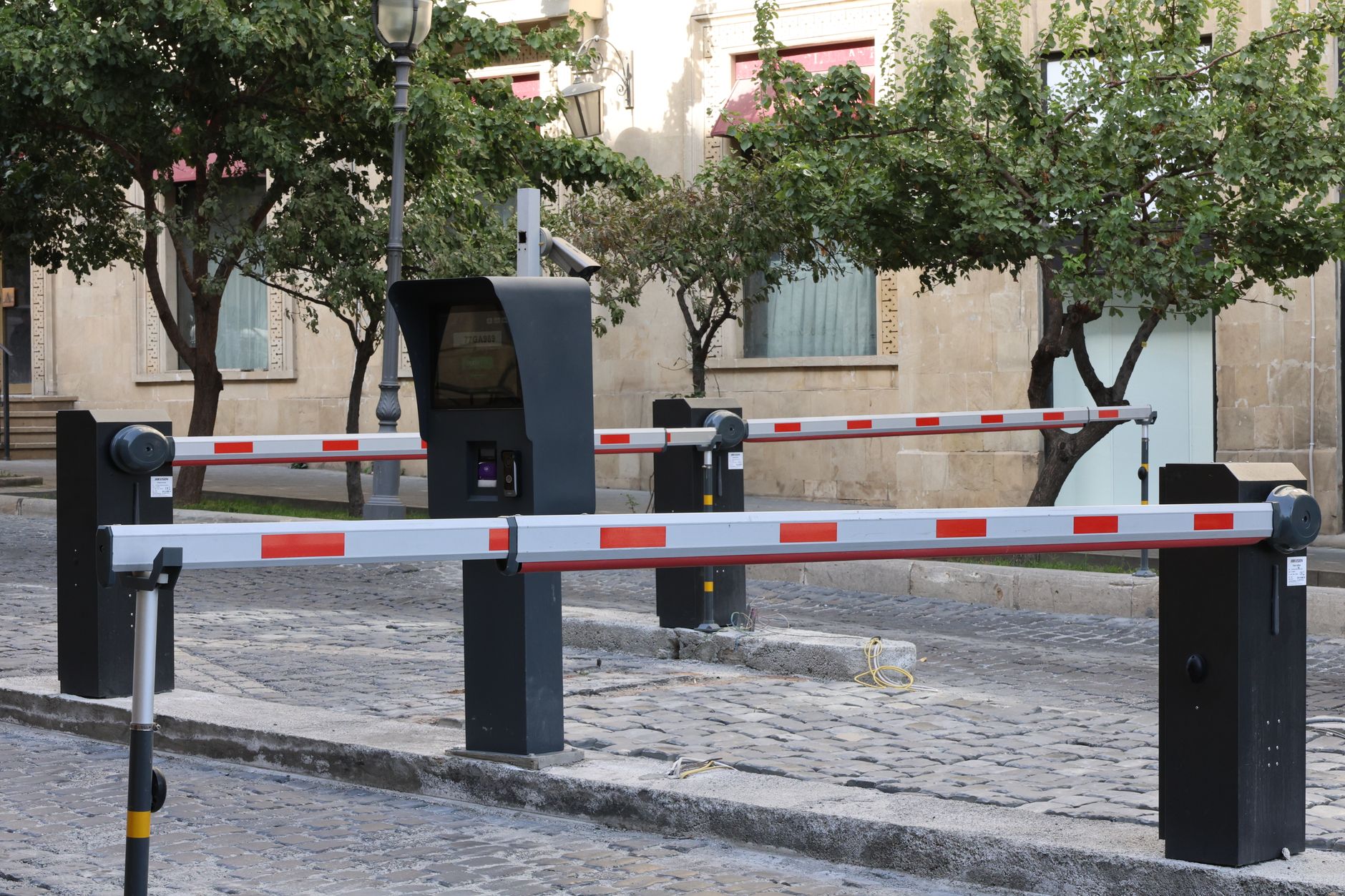
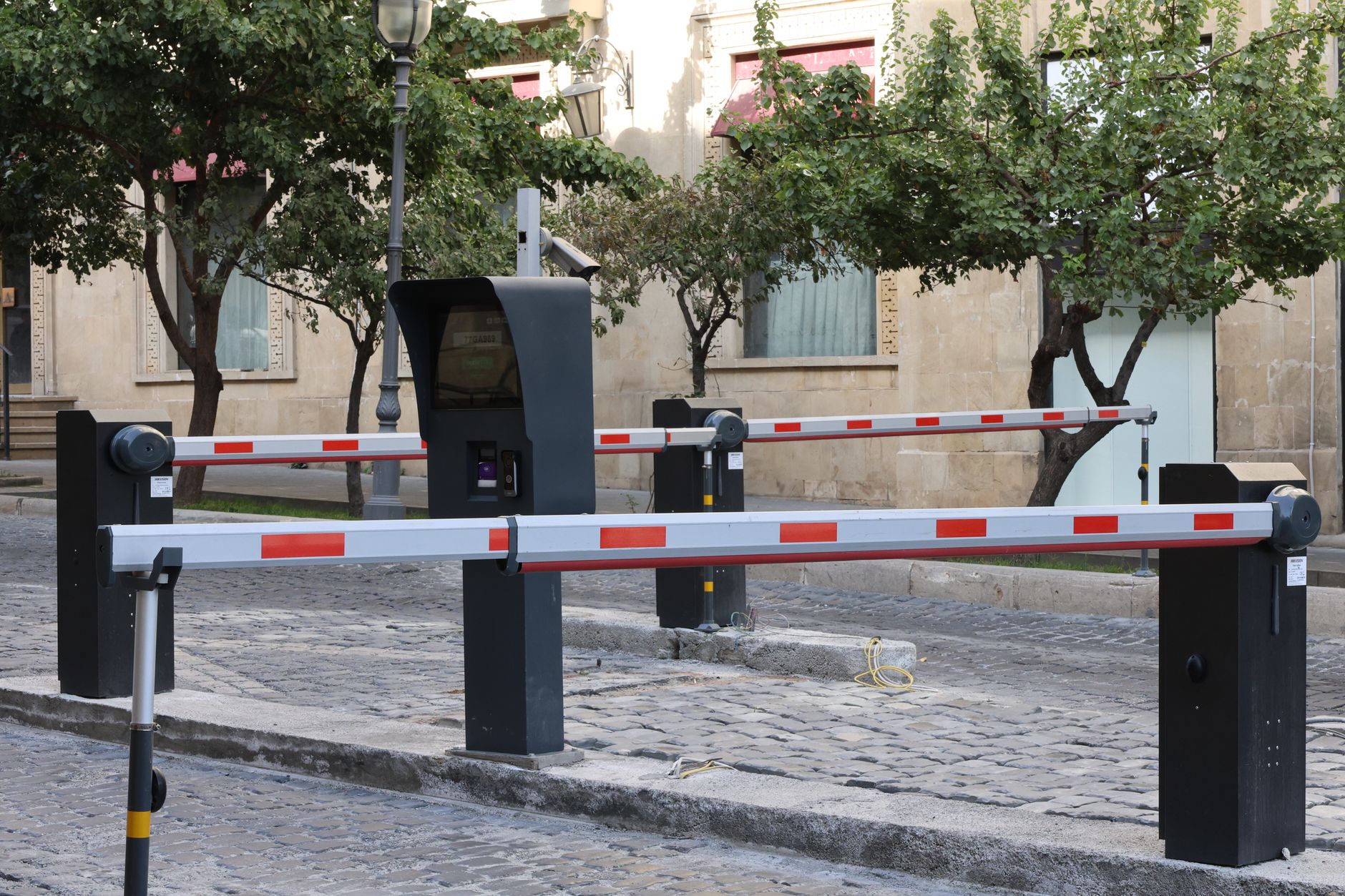
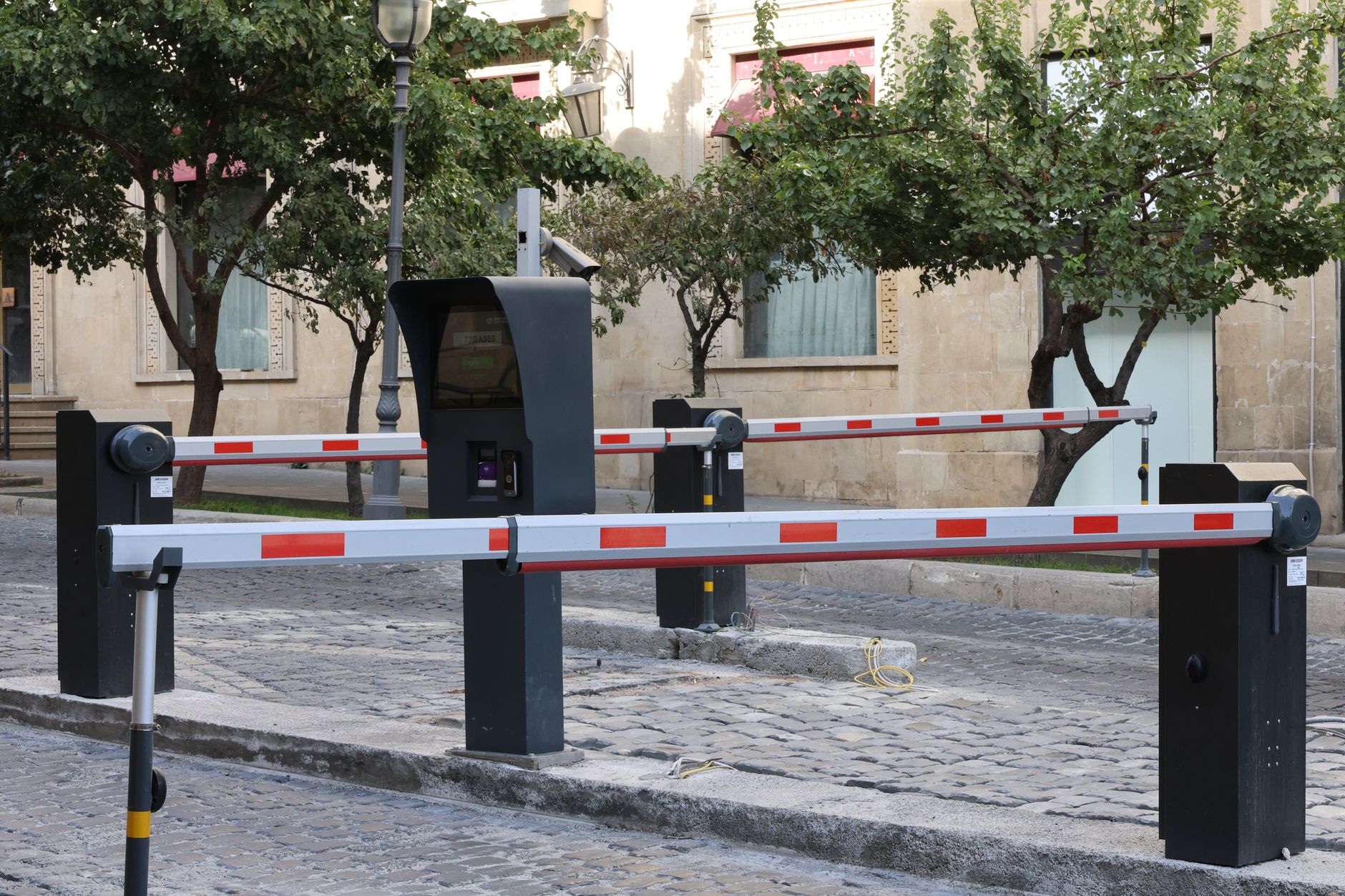
An automatic barrier (boom gate) is a mechanical device controlled by a motor, opening/closing a barrier arm to control vehicle entry and exit flow. The barrier is an indispensable specialized parking management device, directly connected to LPR cameras and card readers.
There are three common types of barriers in the Vietnamese market: folding arm barriers (for parking lots with low ceilings), straight arm barriers (for outdoor parking lots), and heavy-duty barriers (for factories, warehouses). Standard barrier opening time is 1-3 seconds, with AC or DC motors. DC barriers have the advantage of quiet operation, suitable for residential areas and hospitals.
The cost of an automatic barrier ranges from 8-25 million VND/set, depending on the barrier arm length (3-6 meters) and features (integrated LED lights, safety sensors, anti-crush). Note: Barriers require periodic maintenance every 6 months to ensure motor lifespan (3-5 years).
#3 – RFID Card Reader: Fast Authentication, Anti-Counterfeiting
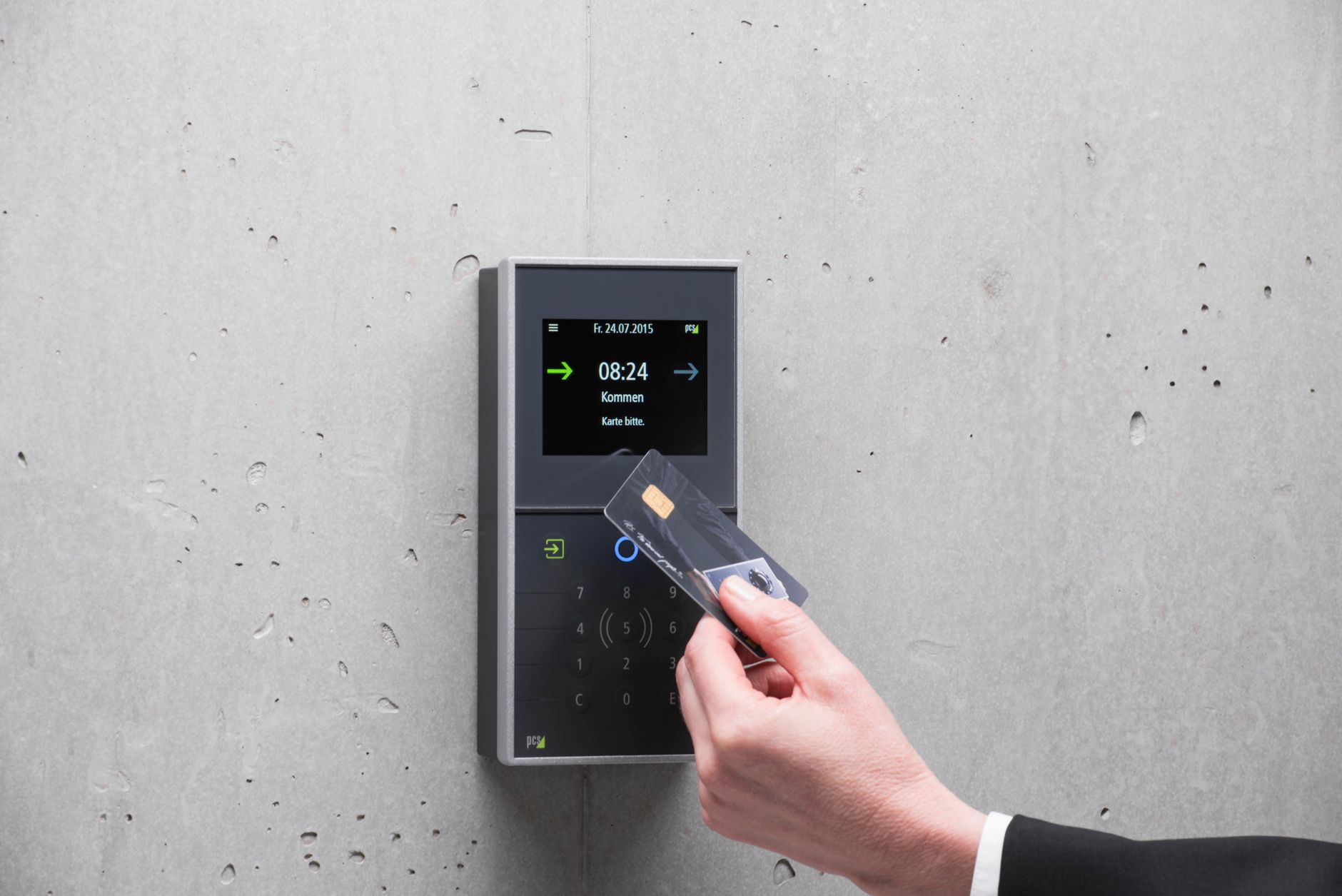
An RFID (Radio Frequency Identification) card reader allows users to authenticate entry and exit using proximity cards or stickers, instead of having to stop and scan a code. This specialized parking management device operates at LF (125kHz), HF (13.56MHz), or UHF (860-960MHz) frequencies, each with different read ranges and speeds.
LF RFID (125kHz) is common for apartment parking lots – short read range (2-10 cm), cheap cards (2,000-5,000 VND/card). UHF RFID (860-960MHz) is used for large commercial parking lots – long read range (3-8 meters), allowing card reading while the vehicle is moving slowly. RFID card readers are typically integrated into barrier posts or control cabinets, costing 5-15 million VND/reader.
The biggest benefit of RFID is reducing paper ticket fraud – each card has a unique ID, not easily copied. Combined with LPR cameras, the system can cross-reference the license plate with the card ID, detecting unauthorized vehicles using someone else's card.
#4 – Pedestrian Turnstile: Safety for People Entering and Exiting
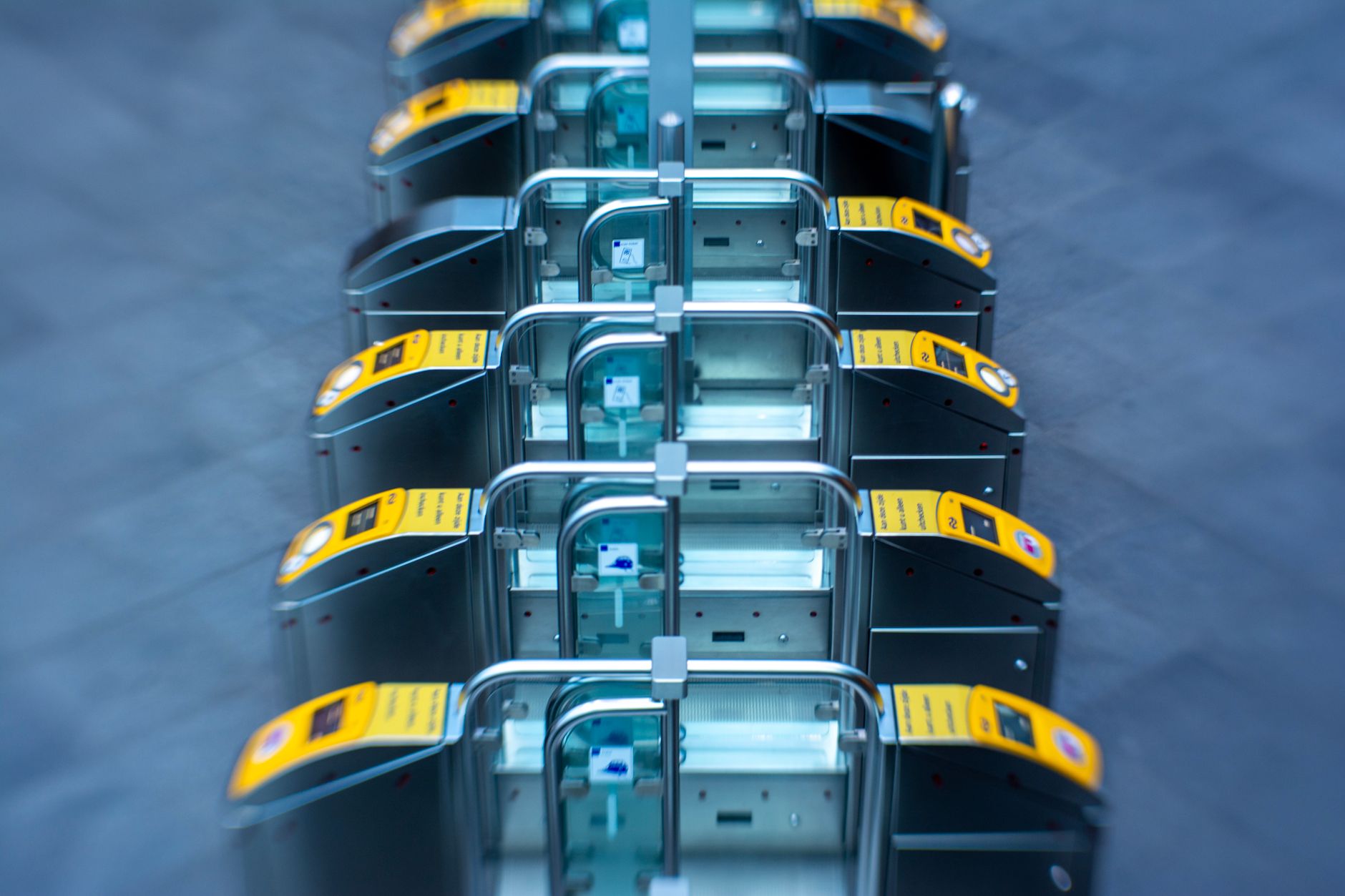
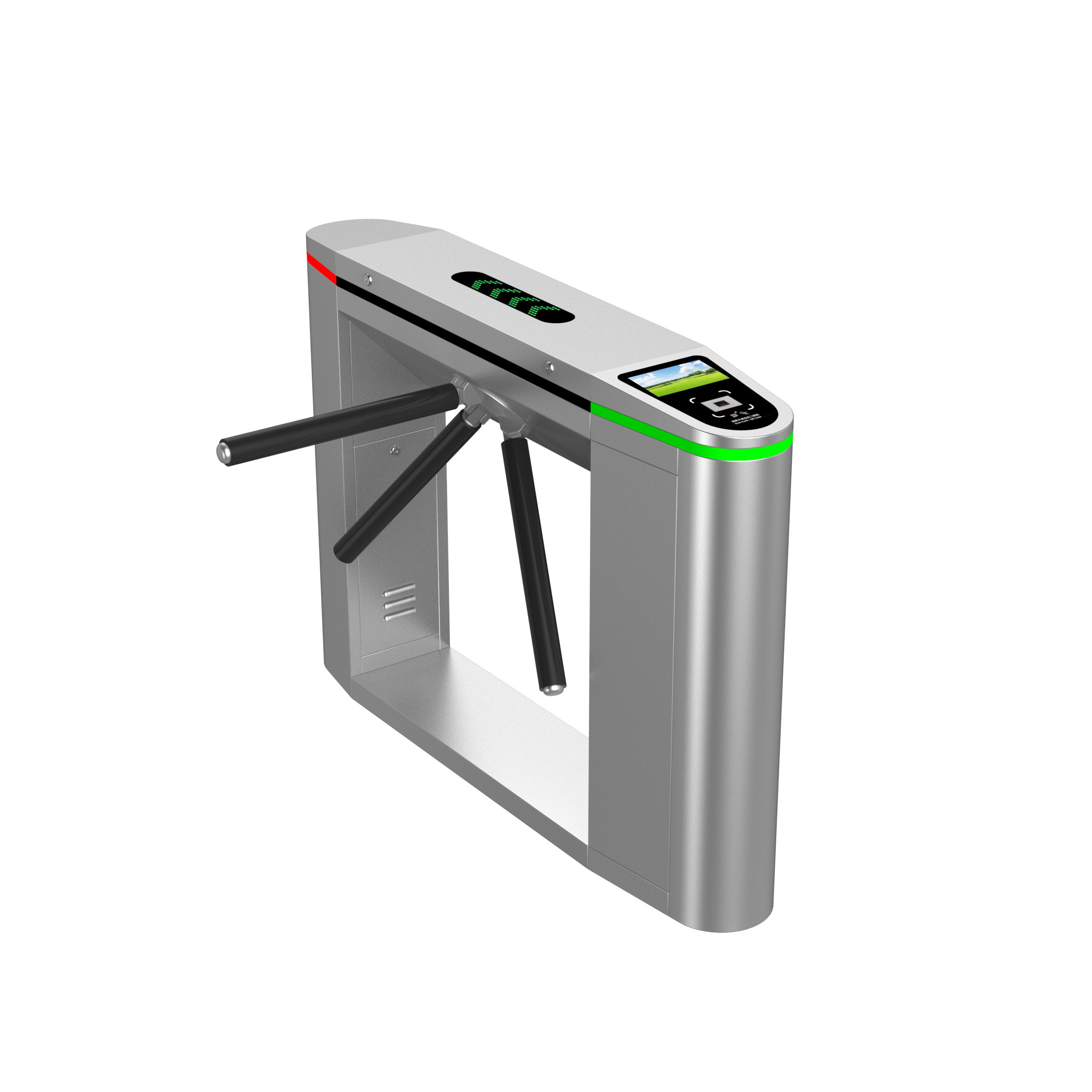
A turnstile (tripod turnstile, flap barrier) is a specialized parking management device that controls pedestrian access for guests after they have exited their vehicle. Turnstiles prevent tailgating and ensure only individuals with valid cards can enter the parking area.
There are three main types of turnstiles: tripod turnstile (3-arm) priced at 8-15 million VND – suitable for small parking lots; flap barrier (glass wing) priced at 20-40 million VND – high aesthetics for office buildings; full-height turnstile (high gate) priced at 30-60 million VND – used for high-security areas like banks, factories. Turnstiles are often integrated with RFID card readers or fingerprint/face sensors.
In apartment parking lots, turnstiles are placed at the walkway from the basement to the elevator lobby. Guests, after parking, must swipe their card through the turnstile to enter the residential area. This reduces the risk of unauthorized entry by 80-90%.
#5 – Parking Management Software: The Brain Coordinating the Entire System
Parking Management Software is a digital specialized parking management device that connects all hardware (LPR, barrier, RFID, turnstile) into a single dashboard. The software handles: fee calculation, monthly pass management, revenue reporting, and real-time monitoring.
Modern software allows: customizing fee schedules by hour/day/month; automatically sending e-invoices; generating shift-based revenue reports; alerting when a vehicle's pass has expired. Some platforms integrate additional features like pre-booking and online payment (Visa, Momo, VNPAY).
The cost of parking management software is typically calculated on a one-time basis (10-50 million VND for a perpetual license) or a subscription model (1-5 million VND/month). For a chain of parking lots (3-10 lots), cloud-based software enables centralized remote management via web/App.
Summary Comparison Table of 5 Specialized Parking Management Devices
| Device | Main Function | Cost (VND) | Popular Brands |
|---|---|---|---|
| LPR Camera | Recognizes vehicle license plates upon entry/exit | 12-25 million/set | Hikvision, Dahua, ZKTeco |
| Automatic Barrier | Opens/closes barrier arm to control vehicle flow | 8-25 million/set | Kapaisi, Pilass, ZKTeco |
| RFID Card Reader | Authenticates proximity/sticker cards for vehicles | 5-15 million/reader | ZKTeco, Suprema, HID Global |
| Turnstile | Controls pedestrian access, prevents tailgating | 8-60 million/gate | Kapaisi, ZKTeco, Honeywell |
| Management Software | Dashboard for fee calculation, reporting, monitoring | 10-50 million/one-time or 1-5 million/month | An Ninh Số, Pilass, Vinparking |
Common Mistakes When Choosing Specialized Parking Management Devices
1. Investing only in barriers while neglecting LPR
Many parking lot owners buy cheap barriers (3-5 million) without equipping LPR cameras. Result: they still have to hire staff to man the barrier, no automation is achieved, and labor costs remain high.
2. Choosing a card reader incompatible with the software
An LF 125kHz RFID reader cannot read HF 13.56MHz cards. If purchasing devices from two different suppliers, the management software may not recognize the data.
3. Installing turnstiles without emergency exits
Fixed turnstiles (without emergency release wings) violate fire safety regulations. Choose turnstiles with an automatic open mode during power outages or when a fire alarm is activated.
4. Not investing in management software from the start
Purchasing LPR + barrier + RFID separately without central software leads to fragmented data, making it impossible to generate revenue reports or retrieve vehicle history.
5. Neglecting periodic maintenance
Barriers and LPR cameras require maintenance every 6 months (lens cleaning, motor check, firmware update). Neglecting maintenance causes unexpected breakdowns and revenue loss.
Benefits of Deploying All 5 Devices Synchronously
When installing all 5 specialized parking management devices (LPR + barrier + RFID + turnstile + software), the parking lot operates fully automatically, reducing on-site staff by 70-80%, increasing revenue by 40-60% due to reduced fraud and optimized pricing.
Real-world example: A 200-space apartment parking lot in Ho Chi Minh City invested 150-250 million VND in a synchronized system. After 12 months, labor costs decreased from 30 million VND/month (4 employees) to 8 million VND/month (1 supervisor). Revenue increased by 25% thanks to detecting monthly pass fraud. The payback period (ROI) was approximately 8-14 months.
Frequently Asked Questions
Which specialized parking management device is most important?
The LPR camera is the most important because it is the eye that recognizes license plates, serving as the foundation for all automation features. Without LPR, you would still have to manually enter license plates or use RFID cards alone, reducing automation efficiency by 40-50%. LPR costs account for 20-30% of the total system investment but deliver 70-80% of the automation value.
What is the installation cost for a 100-space smart parking lot?
The total cost for a 100-space parking lot (1 entry lane, 1 exit lane) ranges from 120-250 million VND, including: 2 LPR cameras (25-50 million), 2 barriers (16-50 million), 2 RFID readers (10-30 million), 1 pedestrian turnstile (8-15 million), management software (10-50 million), control cabinet and accessories (20-40 million). The price does not include installation labor (10-20 million).
Can a regular camera be used instead of an LPR camera?
No. Regular cameras (CCTV) do not have built-in license plate recognition algorithms. You could buy a regular camera + separate LPR software, but accuracy is lower (80-85% compared to 95-99% of dedicated LPR cameras). This solution saves 30-40% in costs but increases the license plate reading error rate, causing inconvenience for customers.
Do specialized parking management devices work during a power outage?
The system requires a continuous power supply. It is recommended to equip a UPS (uninterruptible power supply) for the main devices: barrier, card reader, LPR camera, and control cabinet. A 1000-2000VA UPS is sufficient to maintain operation for 30-60 minutes during a power outage. Barriers usually have a manual opening mode (crank) to release vehicle flow. Management software needs to back up data to the cloud to avoid losing transaction data.
How is periodic maintenance of parking management devices carried out?
Recommended maintenance schedule: every 6 months for barriers (motor cleaning, oil check, barrier arm alignment); every 3 months for LPR cameras (lens cleaning, network cable check, firmware update); every 12 months for RFID readers (antenna check, backup battery replacement if any). The software needs security patch updates every 3-6 months. Average maintenance cost is 5-10 million VND/year for a 100-space system.
Can facial recognition be integrated into the parking lot?
Yes. Many high-end smart parking systems integrate additional Face ID cameras at turnstiles or barriers. Users can enter and exit using their face instead of an RFID card. This solution is suitable for Grade A office buildings, high-end apartments, where high security is required. The additional cost is 15-30 million VND per Face ID integration point.