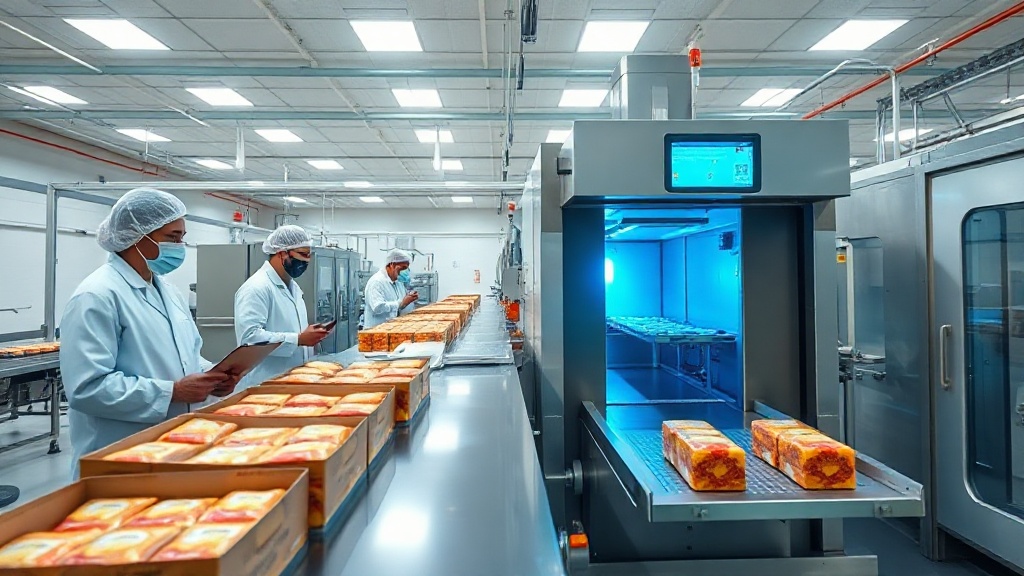
From April 2026, Decree 46/2026/NĐ-CP requires food production enterprises in Vietnam to apply HACCP or ISO 22000 — in which physical contaminant control using inspection equipment is a mandatory condition. Metal detectors, X-ray machines, and AI vision systems become the three key technologies helping enterprises meet HACCP (Codex) and FDA (21 CFR 110) standards. This article provides a detailed analysis of detection thresholds, how to choose equipment for each product line, and a practical implementation roadmap for food factories in Vietnam.
What do HACCP and FDA require for physical contaminant control?
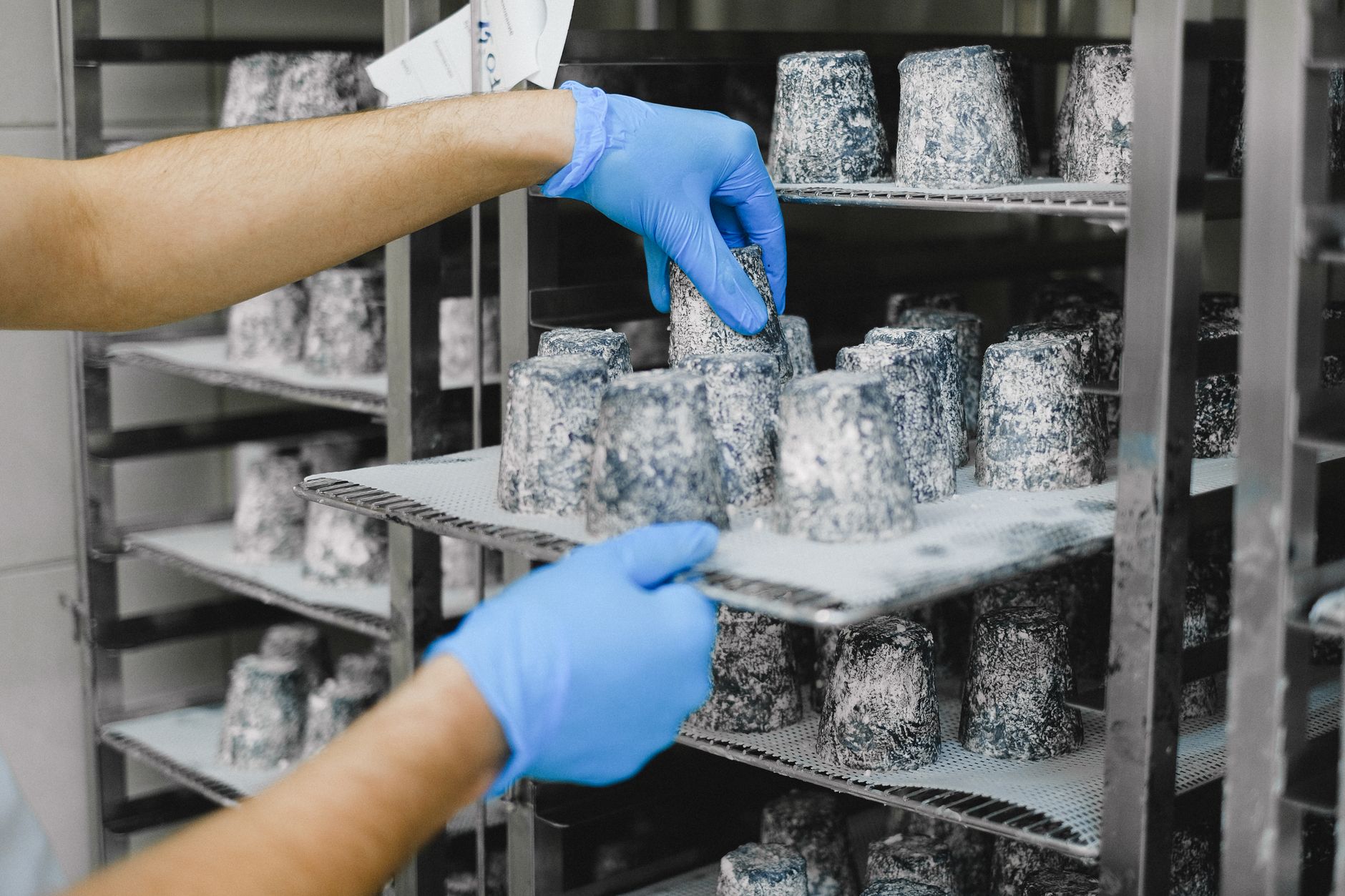
Both HACCP (Codex Alimentarius) and FDA (21 CFR Part 110) consider physical contaminants — metal fragments, glass, stones, hard plastic — as hazards requiring control at Critical Control Points (CCP). The standard requires equipment to achieve minimum detection thresholds: ferrous metal ≥ 1.0 mm, stainless steel ≥ 1.5 mm, glass ≥ 2.0 mm (X-ray), with a detection rate ≥ 99.5%.
The FDA requires enterprises exporting to the US to have a contaminant control system that is validated and records inspection data (electronic record per 21 CFR Part 11). HACCP Codex requires establishing Critical Limits, Monitoring procedures, and Corrective Actions for each CCP.
In Vietnam, Decree 46/2026/NĐ-CP mandates that enterprises producing processed food, seafood, beverages, and confectionery must have contaminant inspection equipment at CCP points. Non-compliant enterprises may face production suspension and fines ranging from 50 to 200 million VND.
Metal Detectors: The foundational technology for HACCP
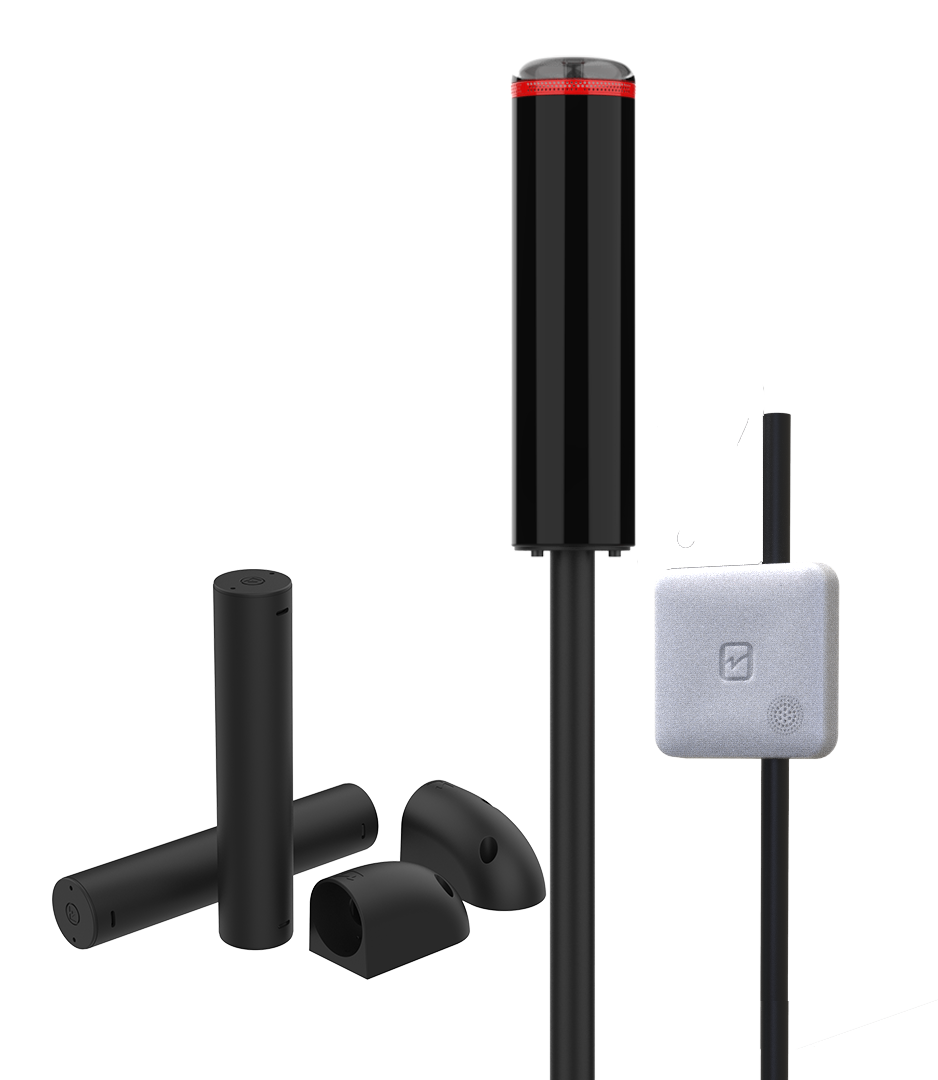

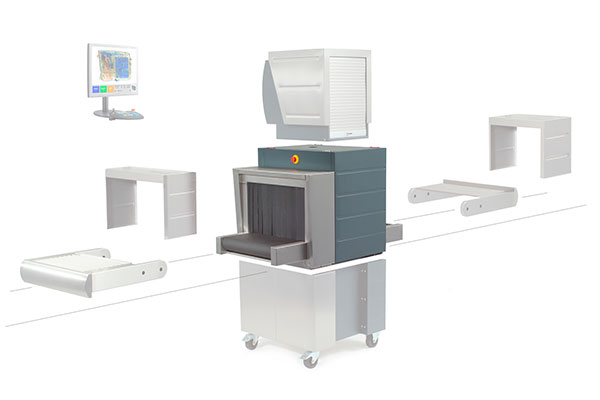

Metal detectors use the principle of balanced coil or pulse induction to detect ferrous, non-ferrous, and stainless steel metals in food. These are the most common devices in Vietnamese food factories due to their low investment cost (15-45 million VND) and ease of integration into conveyor belts.
Typical detection thresholds according to HACCP standards:
- Ferrous metal (Fe): ≥ 0.8 mm — safe threshold for most packaged products.
- Non-ferrous metal (Non-Fe): ≥ 1.2 mm — aluminum, copper, zinc.
- Stainless steel 316 (most difficult to detect): ≥ 1.5-2.0 mm depending on product type (meat, fish, high-moisture baked goods).
Leading metal detector brands for food include Mettler-Toledo Safeline, CEIA, Loma Systems, and Anritsu. The CEIA HI-PE/G3 — 18-zone Walk-Through Metal Detection Gate is suitable for inspecting incoming raw materials in large bags/packages. Enterprises should choose equipment with IP65 certification or higher for wet environments and integrate an automatic reject system to meet HACCP requirements.
X-ray Machines: Comprehensive solution for diverse contaminants
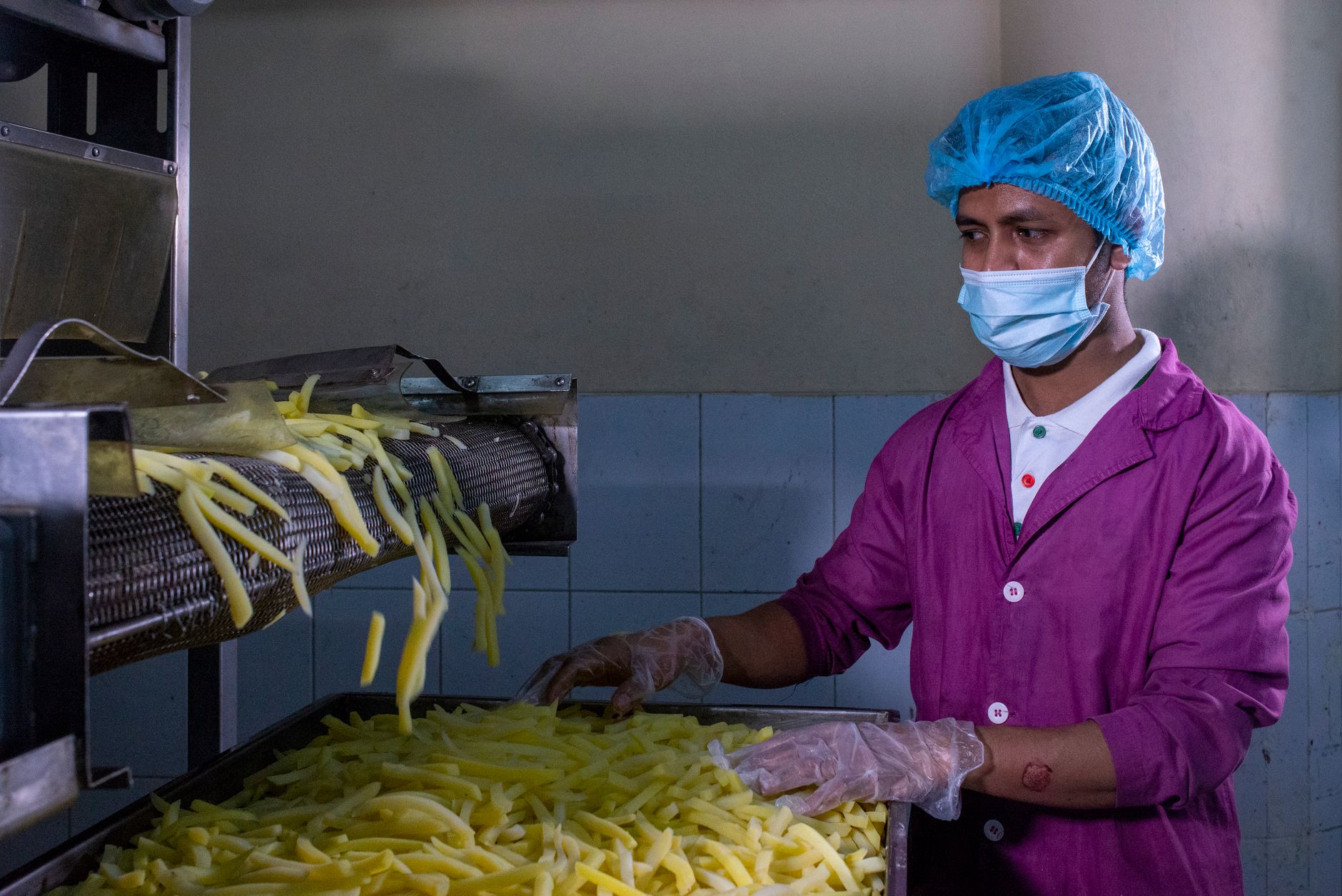
Unlike metal detectors which only detect metal, X-ray machines use low-energy X-rays (40-80 kV) to create density images of products, detecting glass, stones, hard bones, hard plastic, and even metal. This is a mandatory technology for factories exporting to the US and EU under FDA and BRC standards.
X-ray detection thresholds by product:
- Glass: ≥ 2.0 mm (solid products) / ≥ 3.0 mm (products with air bubbles).
- Stone/ceramic: ≥ 2.5 mm.
- Hard bone (chicken, fish): ≥ 3.0 mm.
- Metal: ≥ 0.5 mm (Fe/Non-Fe) / ≥ 1.0 mm (stainless steel).
X-ray machines have a higher investment cost (150-500 million VND) but offer 360° inspection capability, image recording for traceability, and simultaneous detection of multiple contaminant types. Popular brands: Smiths Detection (HI-SCAN series), Mettler-Toledo (X-ray series), Loma (X5 series). The Smiths HI-SCAN 6040C — Baggage X-ray scanner 6040 can be customized for inspecting medium-sized packaged food.