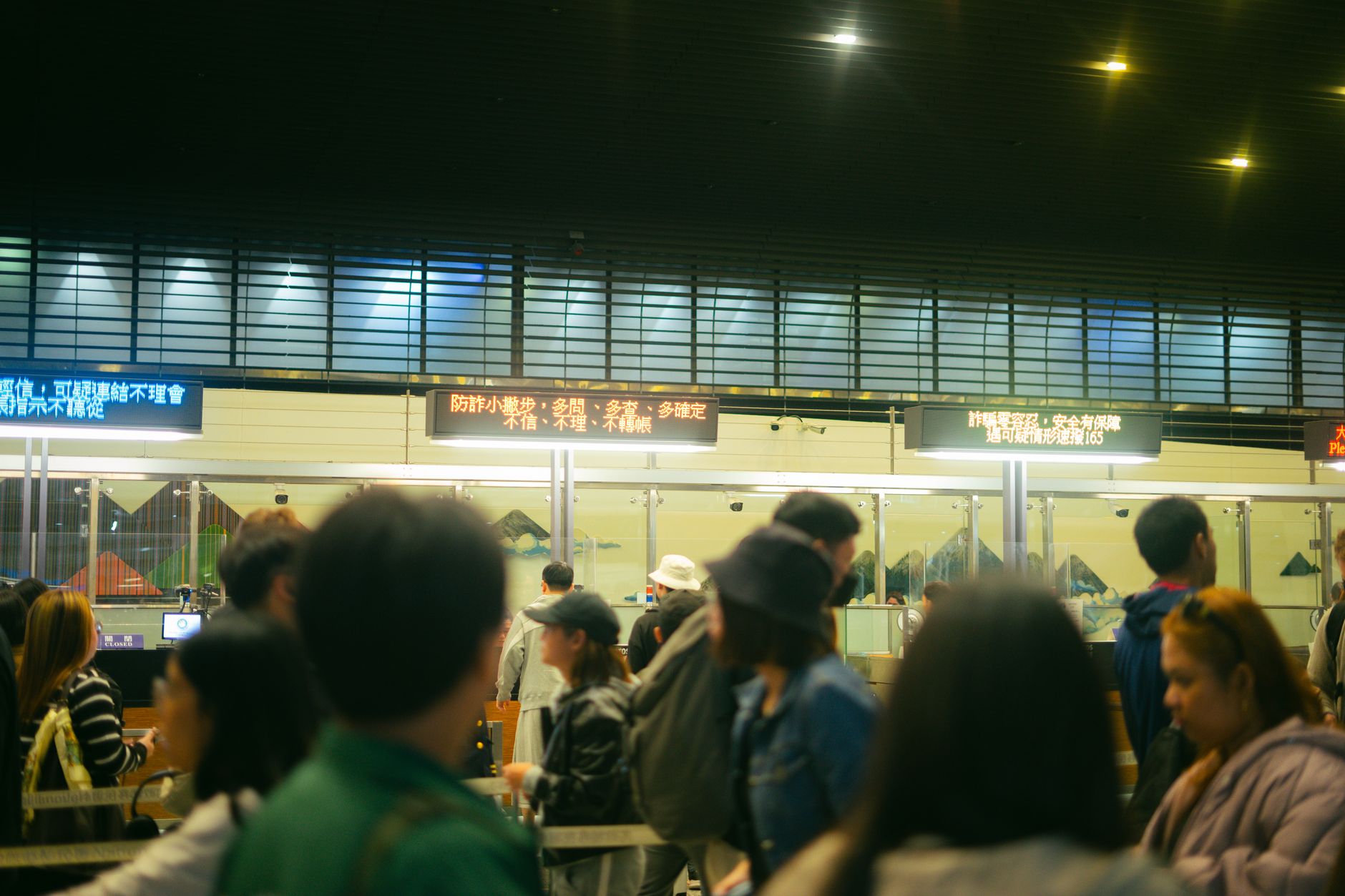
Passenger Flow AI is a solution that integrates computer vision and machine learning into airport surveillance camera systems, automatically measuring and analyzing passenger movement flows in real time. At Vietnamese terminals, this technology is helping to manage check-in queues, reducing average wait times by 25-35% and optimizing staff allocation at check-in counters.
What is Passenger Flow AI in the context of airport queue management?
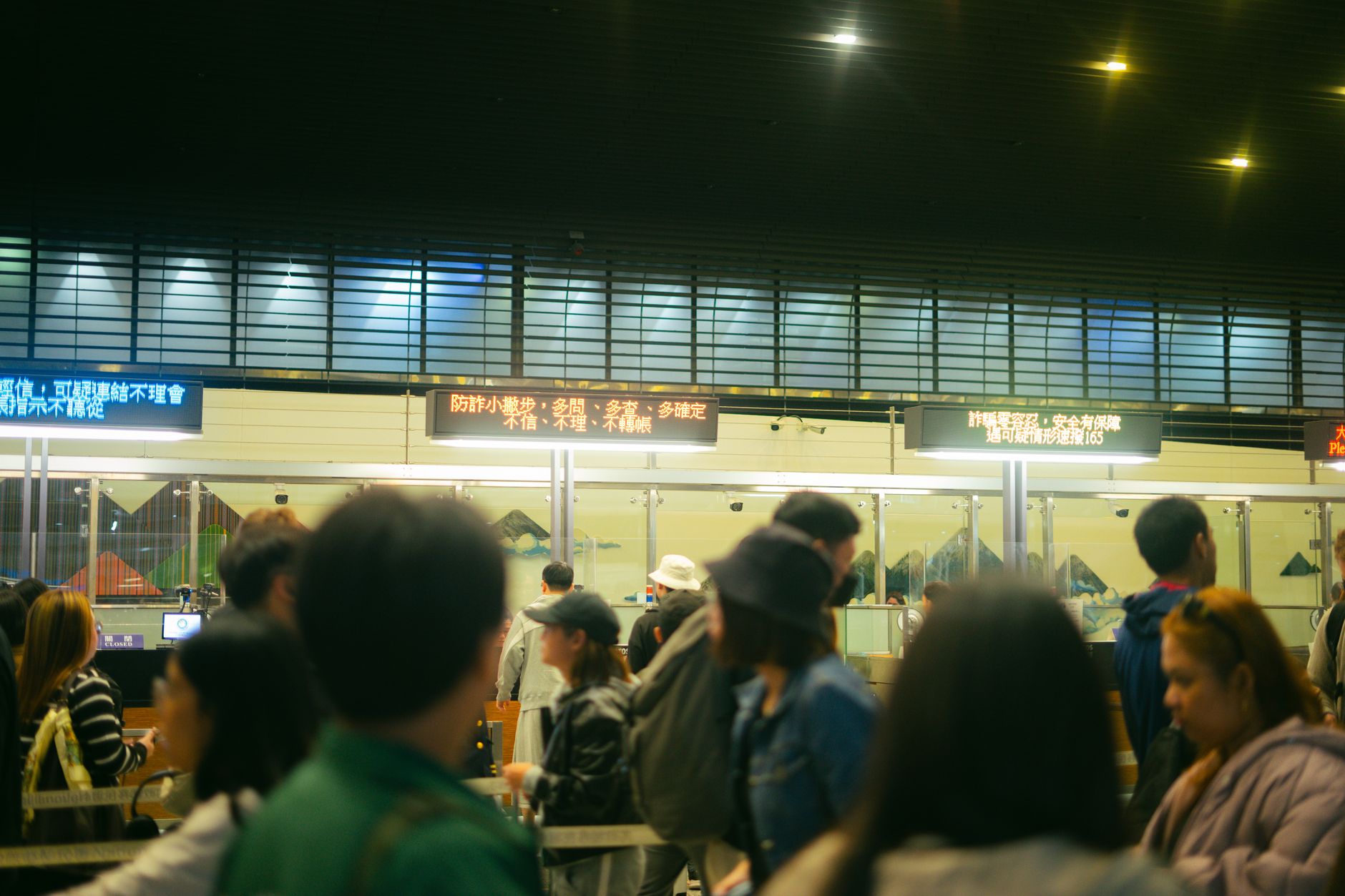
Passenger Flow AI is a system that uses AI people counting cameras and computer vision algorithms to track and analyze passenger movement flows within a terminal. Beyond just counting numbers, the system measures metrics such as wait time, queue length, and service speed, providing real-time data to operations teams.
Unlike traditional infrared sensor solutions that only count people entering and exiting, Passenger Flow AI uses AI cameras to identify and track each passenger across multiple areas: from the waiting hall, check-in counters to the security zone. The system assigns an anonymous ID to each passenger, allowing for accurate measurement of travel and wait times without violating privacy. This data is aggregated into 5 core metrics that help managers make timely resource allocation decisions.
1. Dwell Time — Time spent in the check-in area
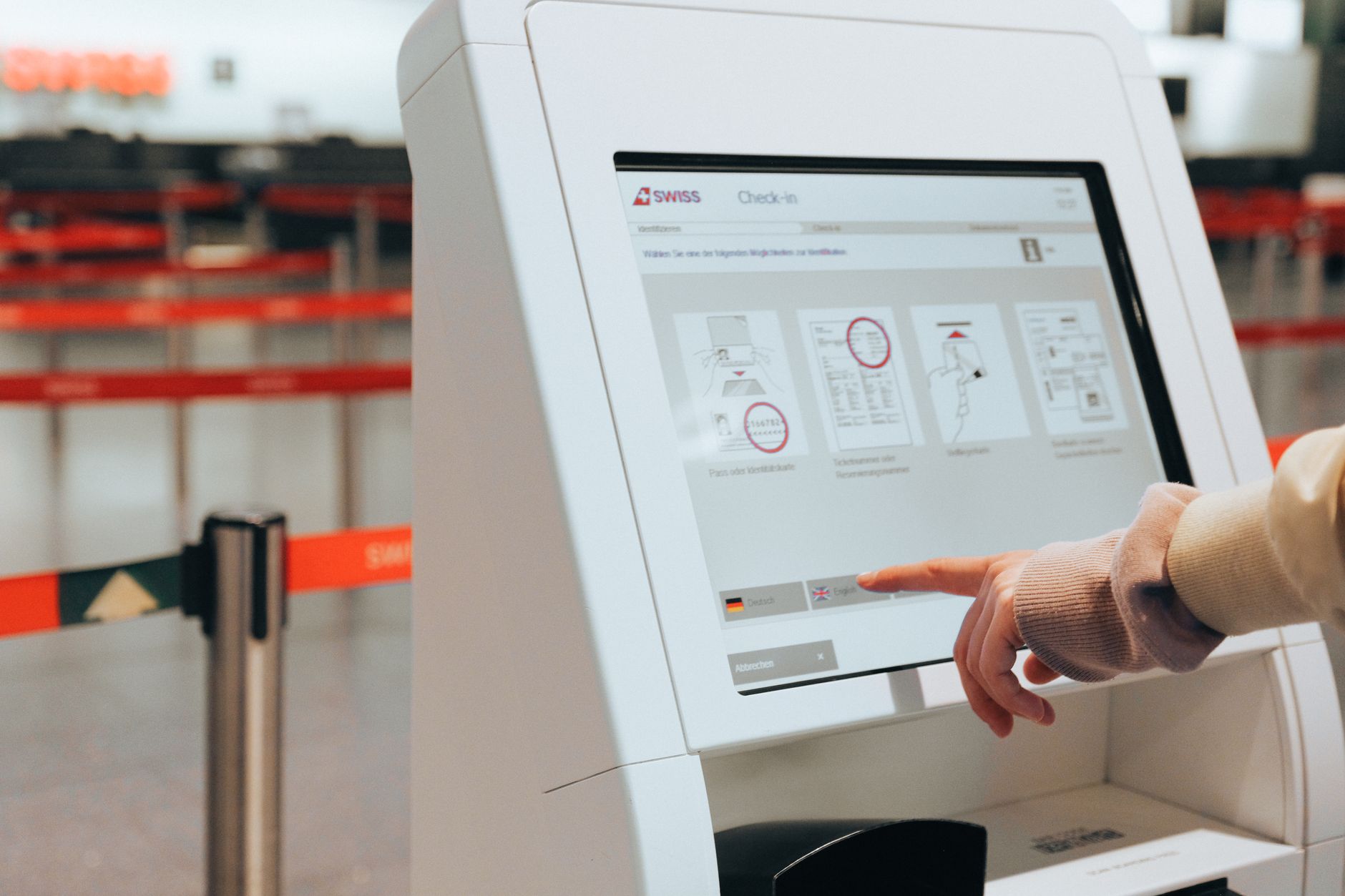
Dwell time is the total time a passenger stops within the check-in counter area, from the moment they enter the zone until they leave. This metric reflects the level of congestion and the efficiency of space layout.
Dwell time is measured by calculating the difference between the time a passenger appears in the Zone of Interest (ZOI) and the time they leave. Airport AI cameras can analyze data from multiple ZOIs: the queue area, the processing area, and the area moving towards the security gate.
At domestic terminals in Vietnam, the average dwell time at check-in counters typically ranges from 8-15 minutes during peak hours. If this metric exceeds 20 minutes, it is a sign that more counters need to be opened or the flow needs adjustment. Passenger Flow AI allows for real-time alerts when dwell time exceeds the threshold, enabling operations teams to react quickly.
2. Queue Length — Length of the queue at the counter
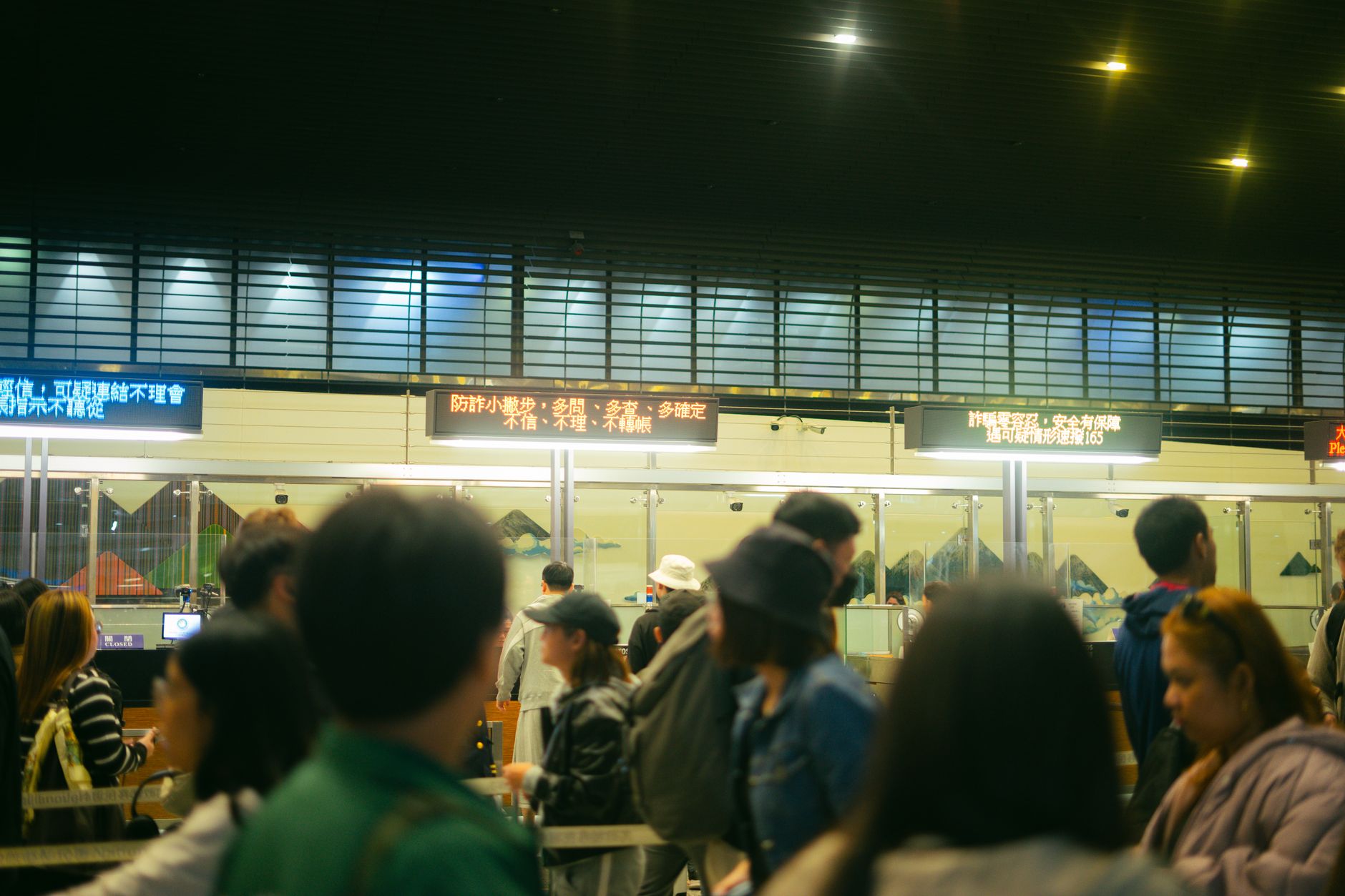
Queue length is the number of passengers queuing at a single counter or a group of check-in counters at a given time. This metric helps assess the level of overload and the need to open additional counters.
Airport AI people counting cameras can measure queue length in two ways: counting people within a predefined queue zone, or using an automatic queue detection algorithm based on movement direction and distance between passengers. Queue length data is updated every 30-60 seconds, allowing managers to monitor fluctuations in real time.
A typical application is when the queue length in an area exceeds 15-20 people, the system automatically sends a notification to the supervisor to activate a backup counter. At major airports like Tan Son Nhat or Noi Bai, this solution helps reduce localized congestion by 30-40% during peak hours.
3. Throughput — Passenger flow rate through the counter
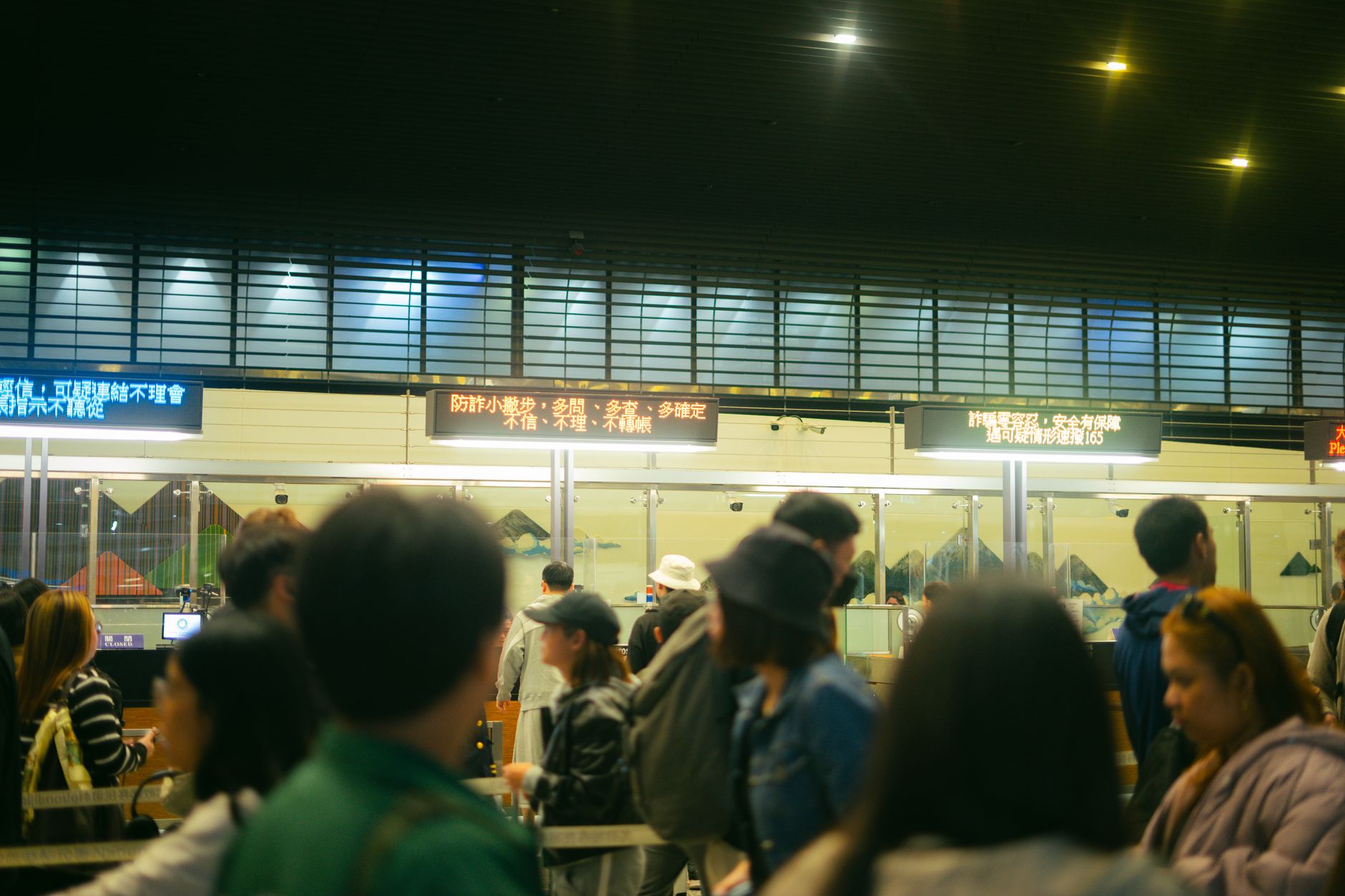
Throughput is the number of passengers completing the check-in procedure within a unit of time (usually 15 minutes or 1 hour). This metric measures the actual productivity of the counter system.
Throughput is calculated by counting the number of passengers leaving the check-in counter area after completing the procedure, divided by the measurement period. Passenger Flow AI can analyze throughput by individual counter, counter group, or the entire area, helping to identify underperforming counters.
For example, if the average throughput of a counter is 25-35 passengers/hour, but a specific counter only achieves 15 passengers/hour, this could indicate a staffing or equipment issue. Throughput data combined with service time data helps managers adjust staff allocation appropriately.
4. Wait Time — Average wait time
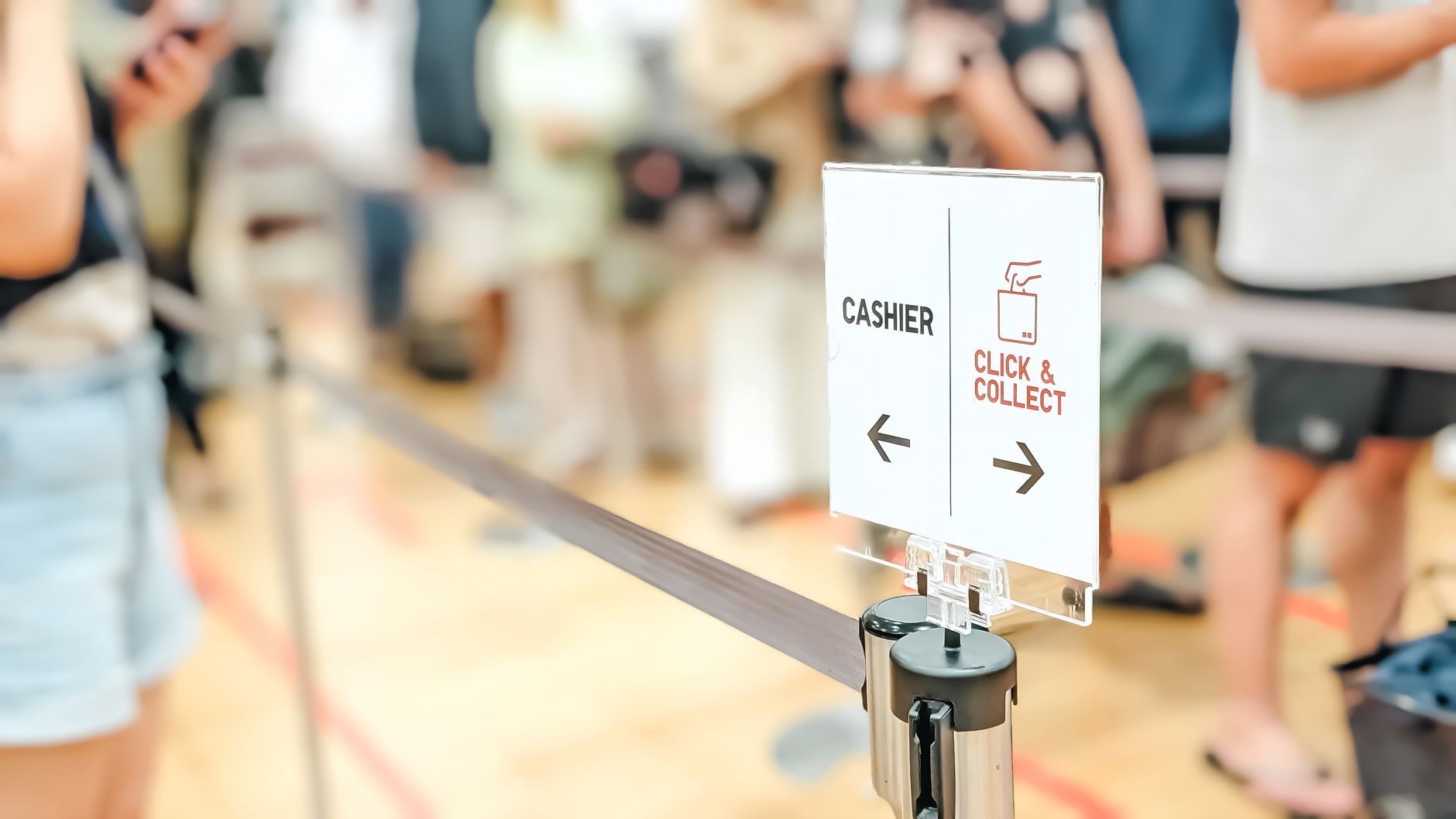
Wait time is the average period a passenger must wait from the moment they start queuing until they are served at the counter. This is the most important metric affecting passenger experience.
Unlike dwell time (which includes the processing time), wait time only accounts for the waiting period before being served. Airport AI cameras measure wait time by tracking passengers from when they join the queue until they reach the counter. This data can be aggregated by time slot, day of the week, or peak season.
At Vietnamese airports, the target wait time is typically under 10 minutes for domestic passengers and under 15 minutes for international passengers. If wait time exceeds 20 minutes, immediate intervention is needed. Passenger Flow AI can forecast wait time based on the number of arriving passengers and the number of active counters, helping managers proactively coordinate.
5. Service Time — Service time at the counter

Service time is the period from when a passenger begins their transaction with the staff member until the procedure is completed. This metric reflects staff performance and operational processes.