
AI school people counting cameras are a solution that integrates computer vision into surveillance systems, automatically detecting intrusions, recognizing faces, and sending real-time emergency alerts. In Vietnam, over 40% of private schools in Ho Chi Minh City and Hanoi have deployed or plan to invest in AI cameras in 2025-2026 to enhance campus safety.
What are AI cameras for school campus safety?
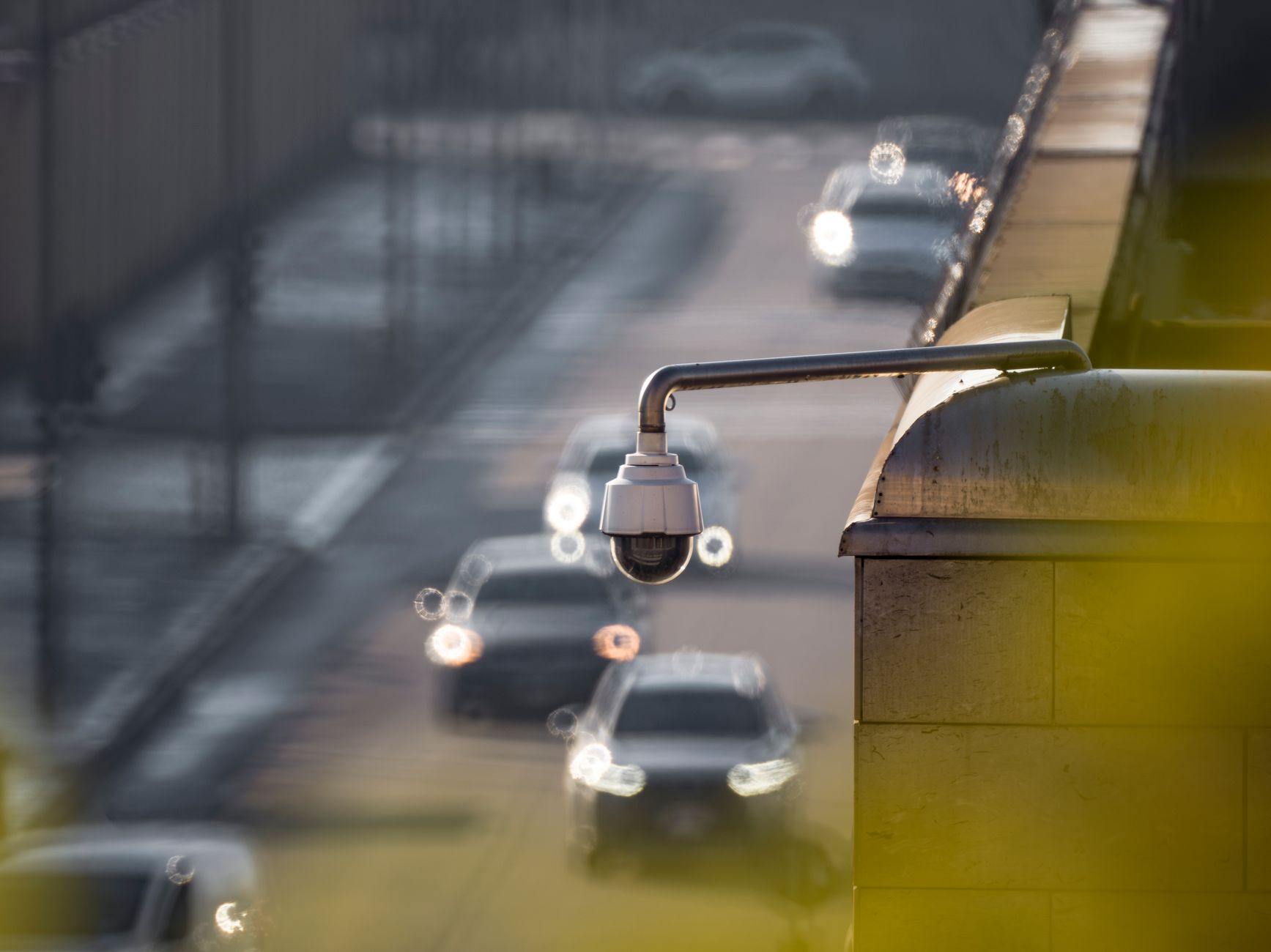
AI cameras for school campus safety are camera systems integrated with artificial intelligence, capable of automatically detecting intrusions, recognizing faces, alerting on abnormal behavior, and sending emergency alerts to school administrators within 5-10 seconds, without requiring 24/7 screen monitoring.
Unlike traditional analog cameras that only passively record, AI cameras process video directly on the device (edge computing) or on a central server. The system can distinguish between students, teachers, and strangers; detect unusual objects like forgotten backpacks, fallen people, or large gatherings in restricted areas. According to a MarketsandMarkets 2025 report, the global AI camera market for education reached $1.2 billion, growing 28% YoY.
Benefit 1: Detecting unauthorized intrusions and instant alerts
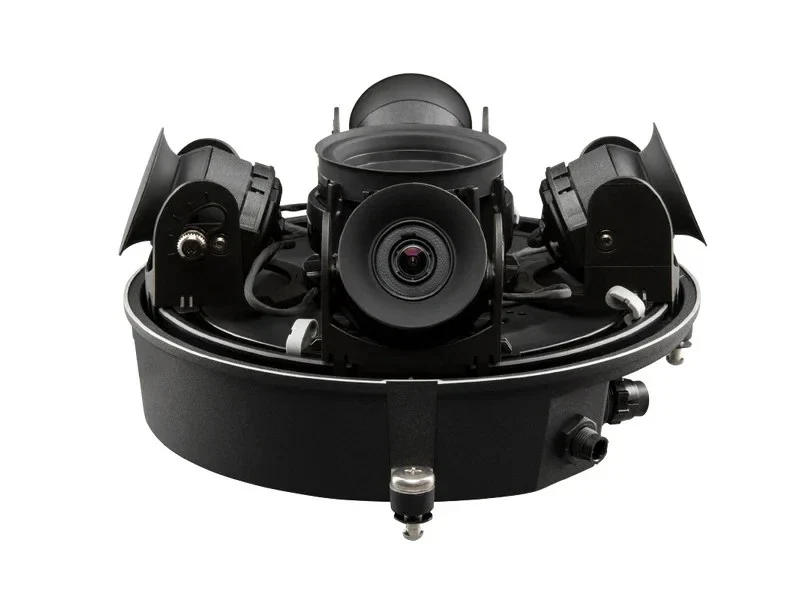
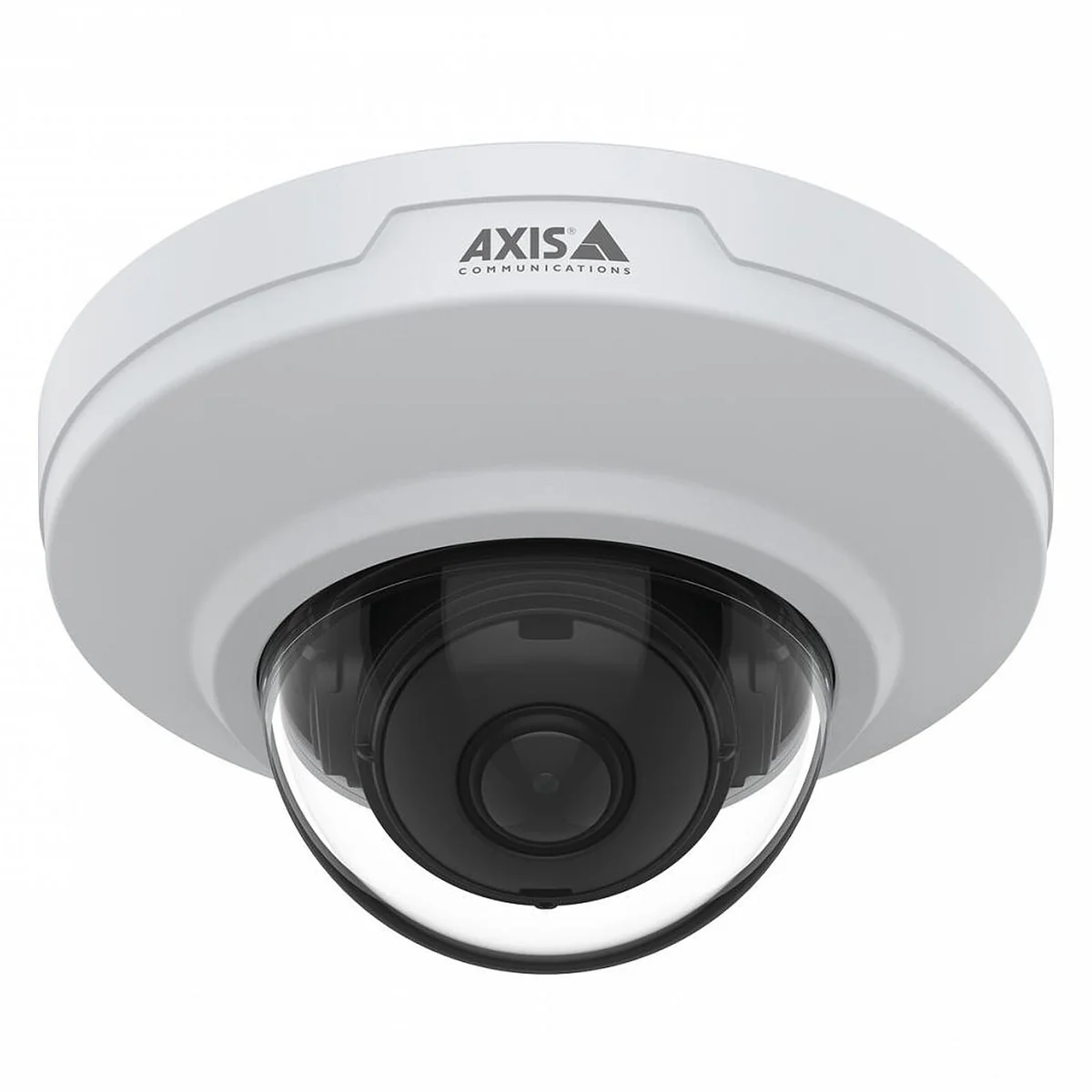
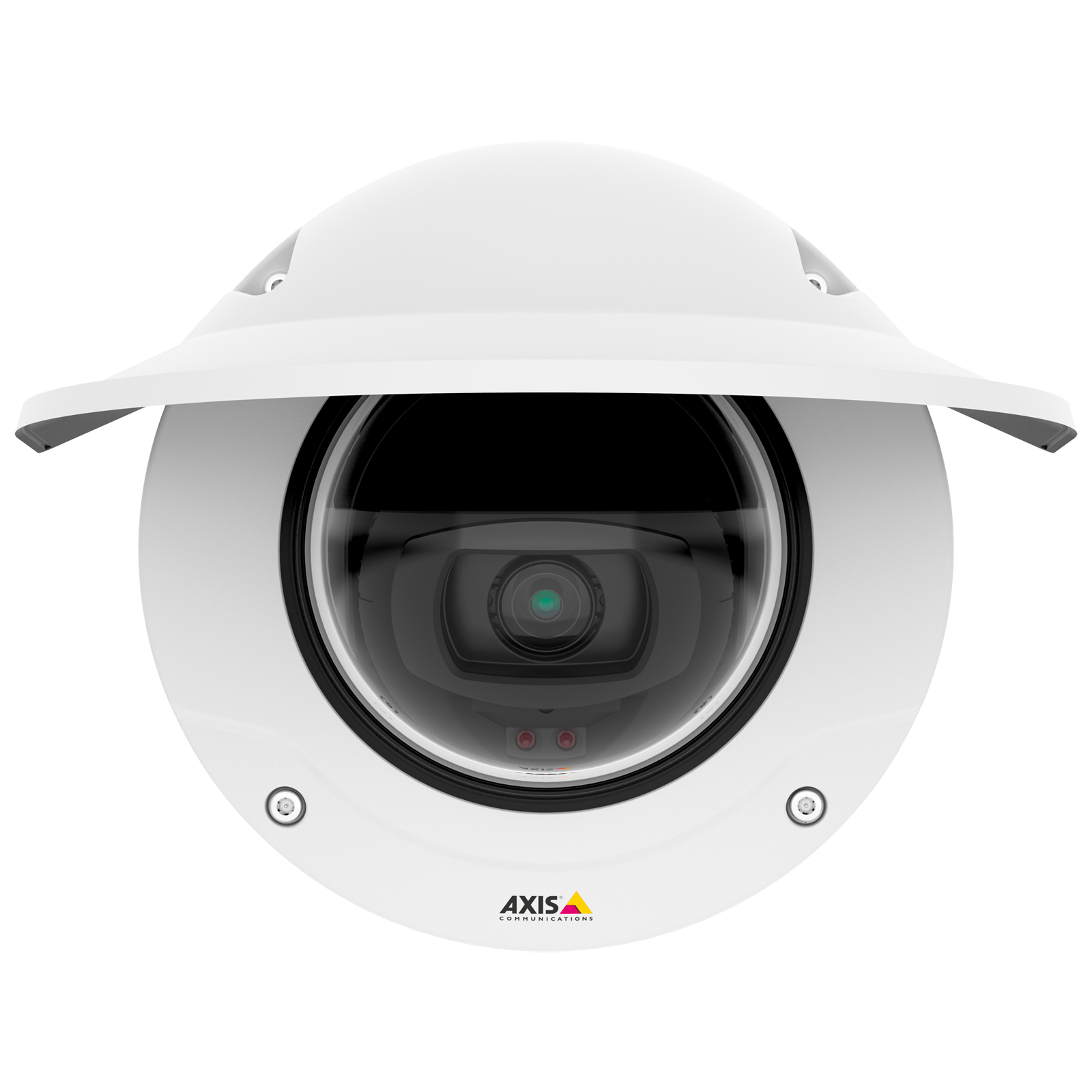
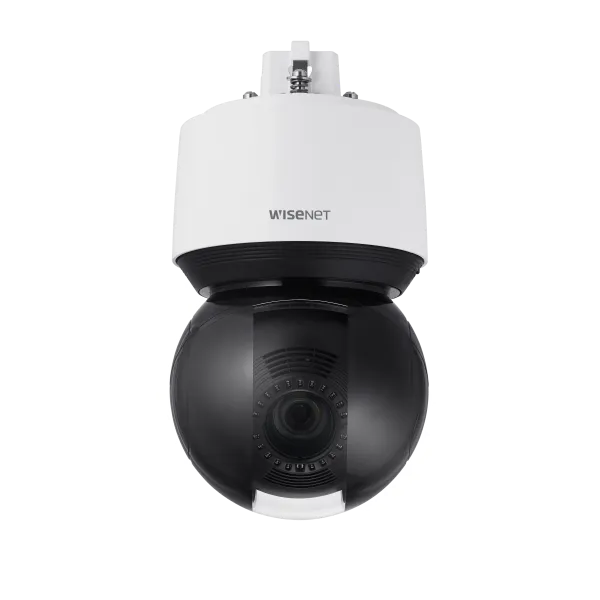
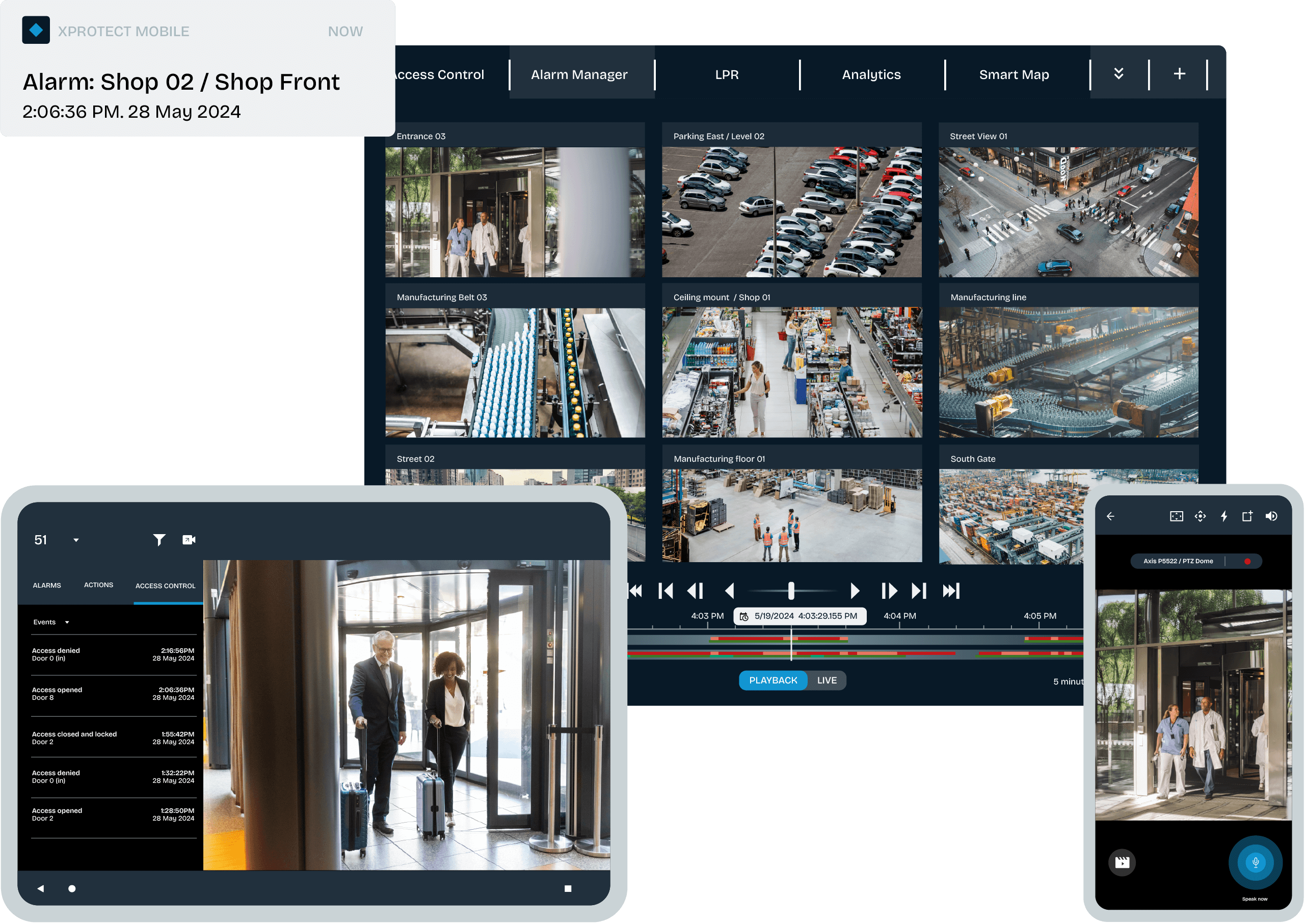
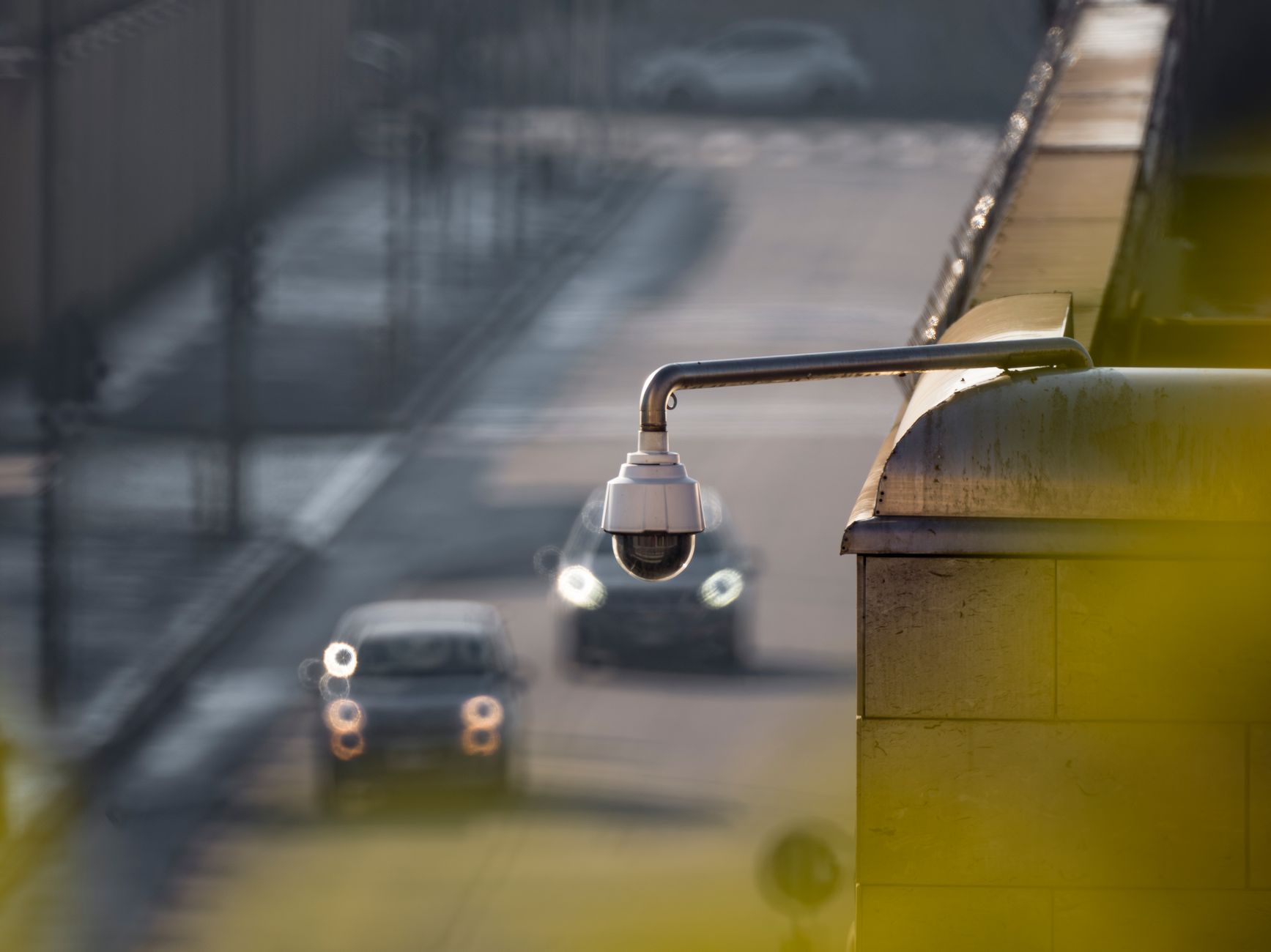
AI cameras detect strangers intruding into the school campus within 3-5 seconds, sending alerts via app to security and administrators, along with a snapshot and exact location on a digital map.
According to statistics from the Ministry of Public Security, Vietnam records an average of 45 unauthorized intrusion cases into schools each year, 30% of which occur outside school hours. AI cameras thoroughly address this issue with the following features:
- Fence crossing detection: AI recognizes the shape of people climbing walls or gates, automatically marking them with a red box and recording 10 seconds of video before the event.
- Strange license plate recognition: AI cameras integrated with LPR (License Plate Recognition) record and compare license plates against a whitelist, alerting if the vehicle is unregistered.
- Multi-channel alerts: Sends notifications simultaneously via Zalo, SMS, email, and on-site speakers. Response time drops from 15-20 minutes to 3-5 seconds.
Benefit 2: Access control with facial recognition
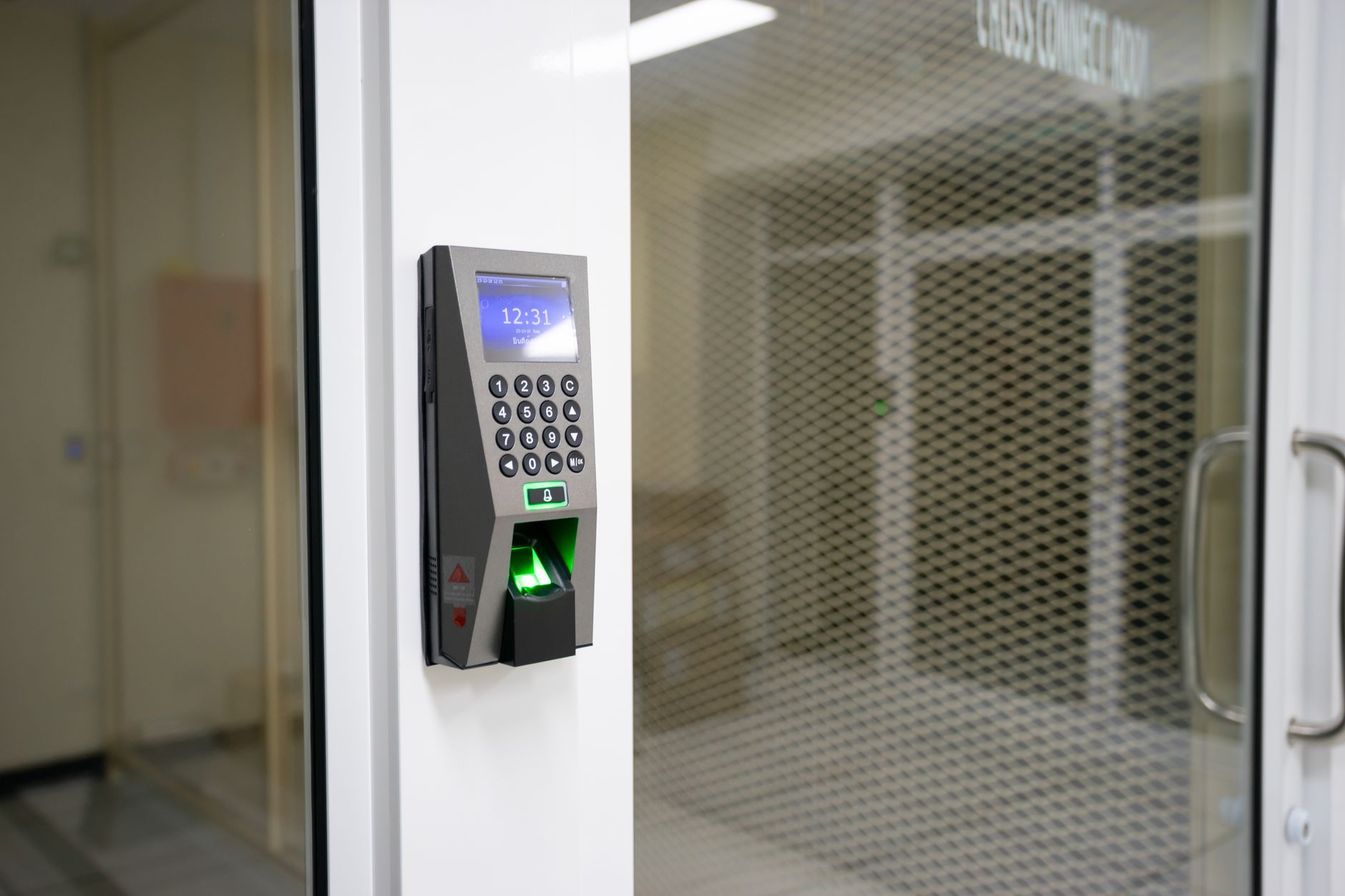
The AI camera system recognizes the faces of students, teachers, and parents at the school gate, automatically taking attendance and granting access, completely eliminating ID cards and paper attendance logs.
A high school in Binh Thanh district (Ho Chi Minh City) deployed AI cameras at the main gate and 2 side gates. Results after 3 months:
- Morning attendance time dropped from 25-30 minutes to 5-7 minutes.
- The rate of students skipping class decreased by 85% thanks to real-time alerts when students leave school during class hours.
- Parents receive automatic notifications when their children arrive at and leave school via the app, increasing trust.
This automatic attendance AI camera solution can integrate with the school's existing student management software via API, without requiring changes to the IT infrastructure.
Benefit 3: Alerting on abnormal behavior and preventing school violence

AI cameras detect abnormal behaviors such as fighting, pushing, large gatherings, or a student sitting alone for a long time — sending immediate alerts to the homeroom teacher and the security office.
According to a survey by the Vietnam Institute of Educational Sciences (2024), 65% of school violence incidents occur in blind spots: restrooms, end-of-hallway corridors, and corners of the schoolyard. AI cameras solve this problem by:
- Behavior analysis: AI learns normal behavior patterns and detects anomalies — vigorous arm movements, sudden falls, chaotic running.
- Large gathering alerts: When the number of students in an area exceeds the allowed threshold (e.g., >15 in a restroom), the system sends an alert.
- Isolated student detection: AI records the frequency of a student sitting alone in a