
A metal detector is a food safety inspection device integrated into a conveyor belt, automatically detecting and removing products contaminated with metal impurities (ferrous, stainless steel, aluminum) in the production line. In Vietnam, incorrect installation positioning or lack of product calibration accounts for 60-70% of new deployments, leading to continuous false alarms and reduced inspection productivity.
What is a metal detector in a food factory?

A conveyor-type metal detector uses an electromagnetic field to detect metal impurities in food products passing through. The system consists of a transmitter coil, a receiver coil, and a signal processor, capable of detecting metal particles from 0.5mm to 3mm depending on the product type and machine configuration.
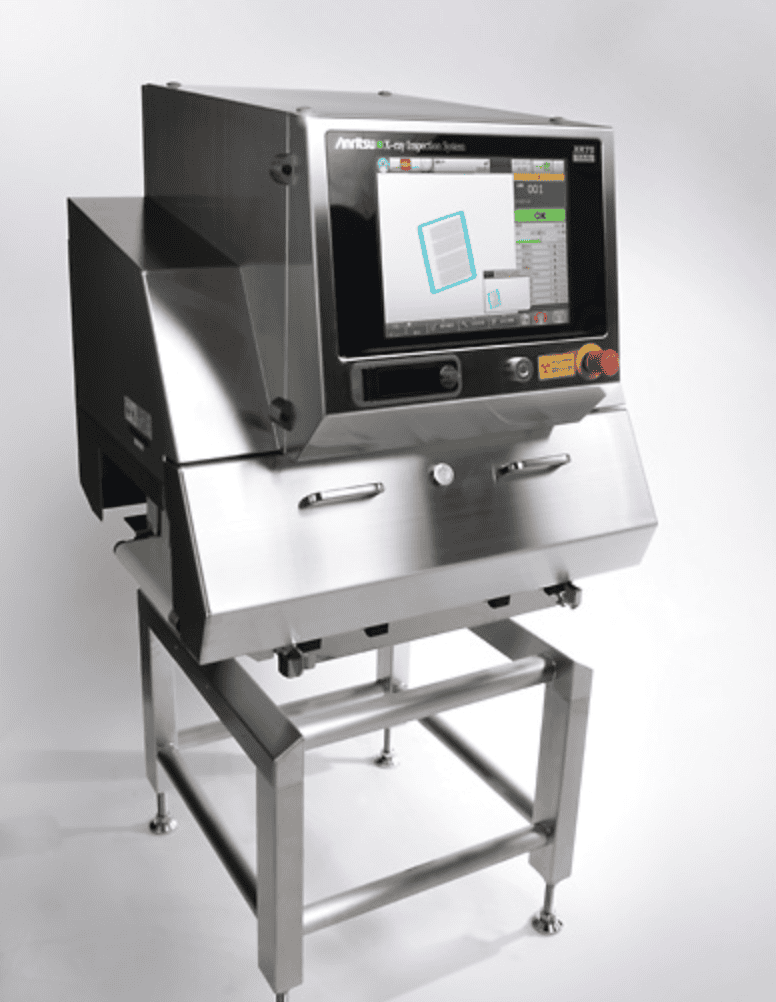
Conveyor metal detectors operate on the principle of electromagnetic field balance. When a non-contaminated product passes through, the received signal is stable. When a metal impurity is present, the field is disturbed, and the machine triggers a signal to reject the faulty product. Accuracy depends on many factors: product type (moisture, salt content, temperature), conveyor speed, installation location, and surrounding environment. A comparison of conveyor metal detectors vs. X-ray shows that each technology has its own advantages, but for packaged food, metal detectors remain the most cost-effective and efficient solution.
Mistake 1: Placing the machine near high-power electromagnetic equipment
Related Products



Conveyor motors, variable frequency drives, heat sealers, or electrical panels placed less than 2-3 meters from the metal detector generate electromagnetic interference, causing continuous false alarms. This mistake accounts for 40-50% of installation errors in Vietnamese food factories.
During a field survey of 12 food factories in Binh Duong and Dong Nai (2024-2025), we recorded 6 out of 12 cases where metal detectors had over 20 false alarms per production shift due to being placed near 5-10 HP motors. Solution: maintain a minimum distance of 3-5 meters between the metal detector and high-power electromagnetic equipment. If space is limited, install an interference shield plate made of mild steel or ferrite. A properly integrated conveyor metal detector to reduce product defects must account for environmental interference from the factory layout design stage.
Mistake 2: Not calibrating the machine for each product type

Food products with different moisture, salt content, temperature, and size generate different background signals (product effect). Without calibration (auto-setup/product calibration) for each SKU, the machine will produce false alarms or miss contaminants.
Example: frozen meat (-18°C) has completely different electrical conductivity compared to dry biscuits. A real case study at a seafood processing factory in Can Tho: when switching from fresh fish to frozen fish without recalibrating, the false alarm rate increased from 3-5% to 25-30%. Correct procedure: each time a SKU is changed or product formulation is modified, perform an auto-setup (or product learn) according to the manufacturer's instructions. For Mettler Toledo Safeline models, calibration takes only 2-5 minutes per session. Refer to Mettler Toledo Safeline food metal detectors to understand product interference rejection features.
Mistake 3: Ignoring mechanical vibration from the conveyor

If the conveyor on which the metal detector is mounted lacks vibration dampening or anti-vibration feet, vibrations from the motor and rollers transmit into the machine body, causing signal interference, especially for small metal particles (0.5-1.5mm).
Mechanical vibration changes the distance between the transmitter and receiver coils in the metal detector, creating false interference signals. At a confectionery factory in Hanoi, after installing anti-vibration rubber pads (10-15mm thick) under the machine feet, the false alarm rate dropped from 12-15 times per shift to 1-2 times per shift. Solution: use rubber feet or spring dampeners, ensure the mounting surface is flat and rigid. Periodically check vibration levels with a vibration meter, keeping the permissible threshold below 0.5mm/s.
Mistake 4: Setting the detection threshold too sensitive or too coarse

Many factories set the detection threshold too sensitive (e.g., Fe 0.3mm) for safety, but this causes continuous false alarms. Conversely, setting it too coarse (Fe 2.5mm) can miss dangerous contaminants. A balance between sensitivity and false alarm rate must be struck based on HACCP standards and product characteristics.
A survey of 20 food factories in Vietnam (2024) showed that 35% of units set the Fe threshold below 0.5mm for packaged products, leading to 30-50 false alarms per shift. Meanwhile, HACCP standards recommend an Fe threshold of 0.8-1.2mm for standard packaged food. Solution: establish thresholds based on test results with standard test pieces matching the contaminant size to be controlled. For products with high background signals (meat, cheese, high-salt foods), the threshold may need to be raised to Fe 1.5-2.0mm. Refer to the 2026 food factory metal detector installation procedure for detailed setup steps.
Mistake 5: Lack of operator training and periodic maintenance

Operators do not understand the operating principle, do not know how to reset alarms, check test pieces, or clean the detector head. Periodic maintenance is neglected, leading to reduced sensitivity and equipment failure after 6-12 months of use.
Actual case at a fruit and vegetable processing factory in Lam Dong: after 8 months of operation, Fe detection sensitivity dropped from 1.0mm to 2.5mm due to dust accumulation on the detector head window and misalignment of the receiver coil. Cause: no periodic cleaning schedule, operators not trained in daily test piece checks. Solution: develop an operating SOP including test piece checks at the start of each shift, weekly detector head cleaning, and periodic calibration every 6 months by a technician. Train at least 2-3 operators per shift on procedures for handling machine alarms (reject verification, log recording, QC reporting).
Summary table of 5 mistakes and their impact
| Mistake | Impact on Performance | Corrective Solution |
|---|---|---|
| Placing near electromagnetic equipment | 20-50 false alarms/shift, 15-25% productivity loss | Distance ≥3m, install interference shield |
| Not calibrating for product | 5-10x increase in false alarms, missed contaminants | Auto-setup for each new SKU, 2-5 minutes/session |
| Mechanical vibration | Signal interference, 30-50% sensitivity reduction | Anti-vibration rubber pads, periodic vibration checks |
| Inappropriate threshold setting | Too sensitive: false alarms; too coarse: missed defects | Set based on standard test pieces, refer to HACCP standards |
| Lack of training and maintenance | 40-60% sensitivity drop after 6-12 months, equipment failure | Operating SOP, train 2-3 people/shift, maintenance every 6 months |
Real case study: Binh Duong food factory reduces false alarms by 90%
A frozen food factory (200 employees) in My Phuoc 3 Industrial Park, Binh Duong experienced 30-40 false alarms per shift from its metal detector. After surveying and correcting 3 main mistakes (placement near a 7.5 HP motor, no calibration for frozen products, lack of vibration dampening), the false alarm rate dropped to 2-4 times per shift, and Fe 1.0mm detection accuracy reached 98.5%. Remediation cost: 12-18 million VND (interference shield, anti-vibration pads, operator training). Payback period: 3-4 months due to reduced production interruptions and increased inspection throughput.
This case study demonstrates that correctly identifying mistakes and applying appropriate technical solutions yields significant results. This factory later invested in an additional X-ray inspection system for its premium product line, combining it with the existing metal detector to achieve comprehensive contaminant control.
Frequently Asked Questions
Below are common questions from business owners and technicians when deploying metal detectors in food factories.