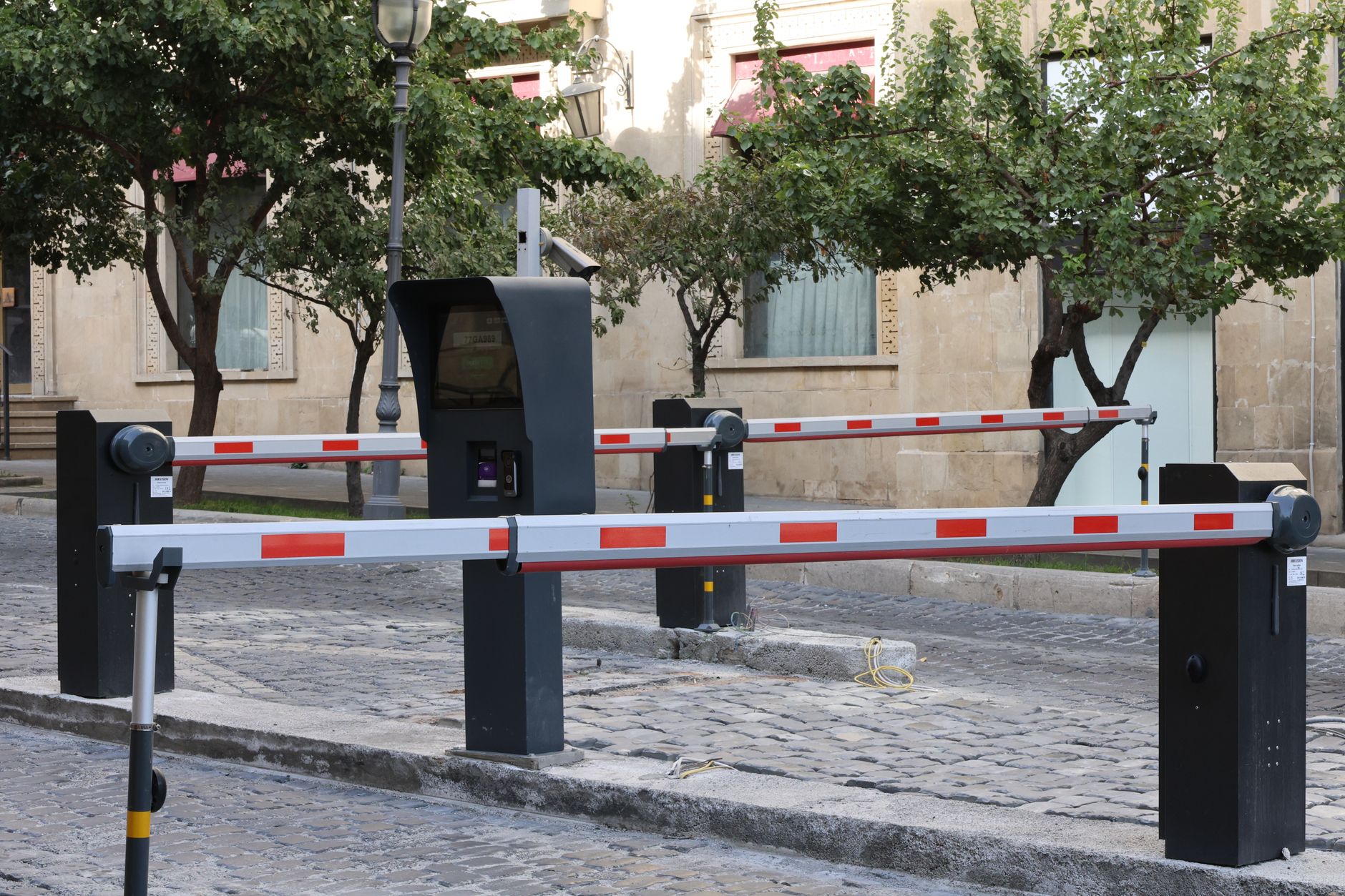
High-speed barriers and standard barriers are two common access control product lines in Vietnamese enterprise parking lots. The main difference lies in the barrier arm opening/closing speed (1-3 seconds vs. 4-6 seconds), the type of motor, and load capacity, which directly impact operational efficiency and investment costs.
How are high-speed barriers and standard barriers different?
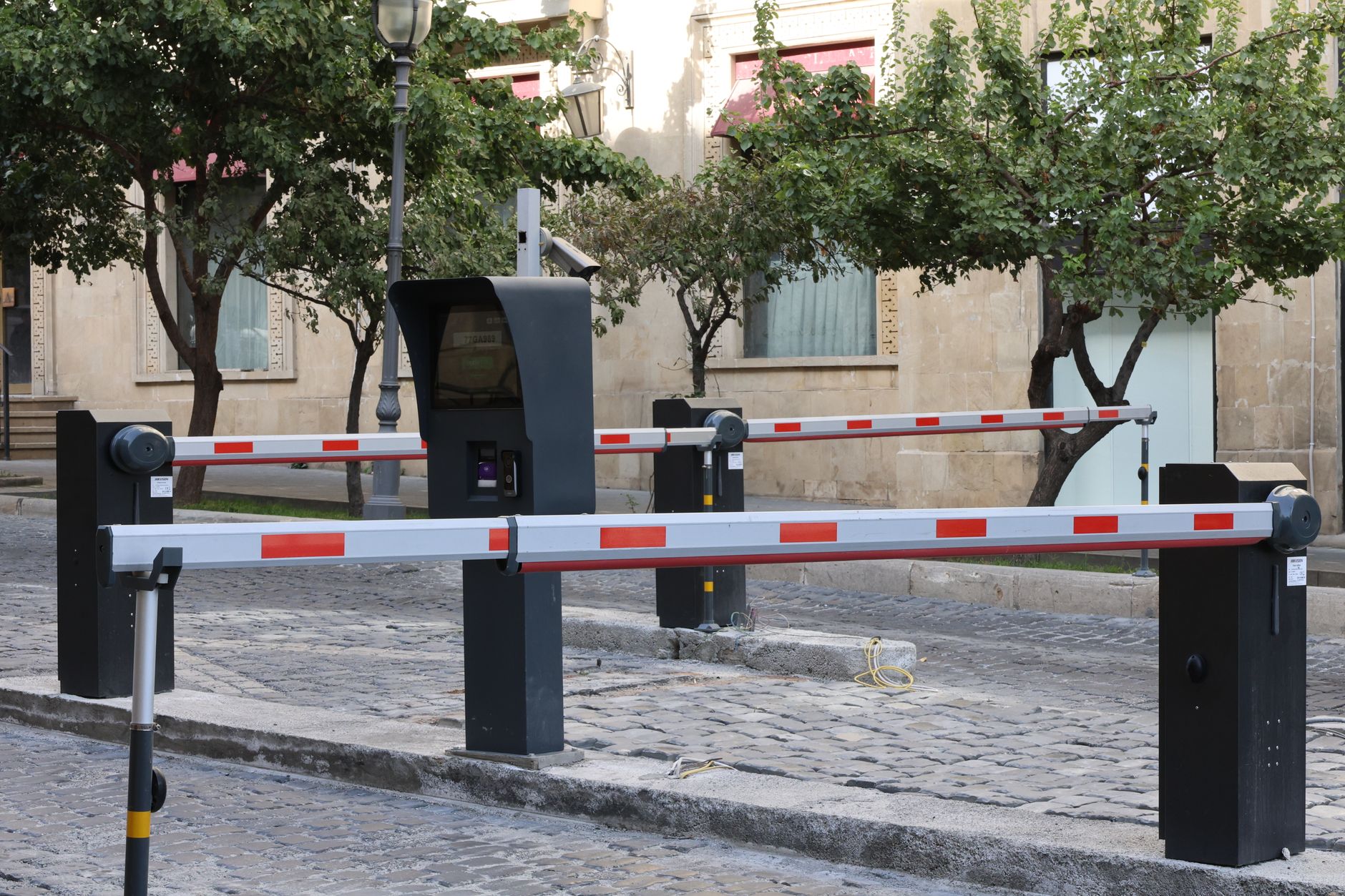
High-speed barriers use a powerful servo motor or DC motor, with an opening/closing time of 1-3 seconds, suitable for high-traffic parking lots. Standard barriers use an AC motor, with a time of 4-6 seconds, more durable but slower, suitable for average traffic volumes under 200 vehicles/day.
The core difference comes from motor technology. High-speed barriers typically use a servo motor with an encoder to precisely control the arm position, allowing for rapid acceleration/deceleration without vibration. Standard barriers use a simpler AC motor, operating stably but with a fixed, longer opening/closing time. Additionally, high-speed barriers integrate more complex LPR control boards and safety sensors.
When should a business choose a high-speed barrier?
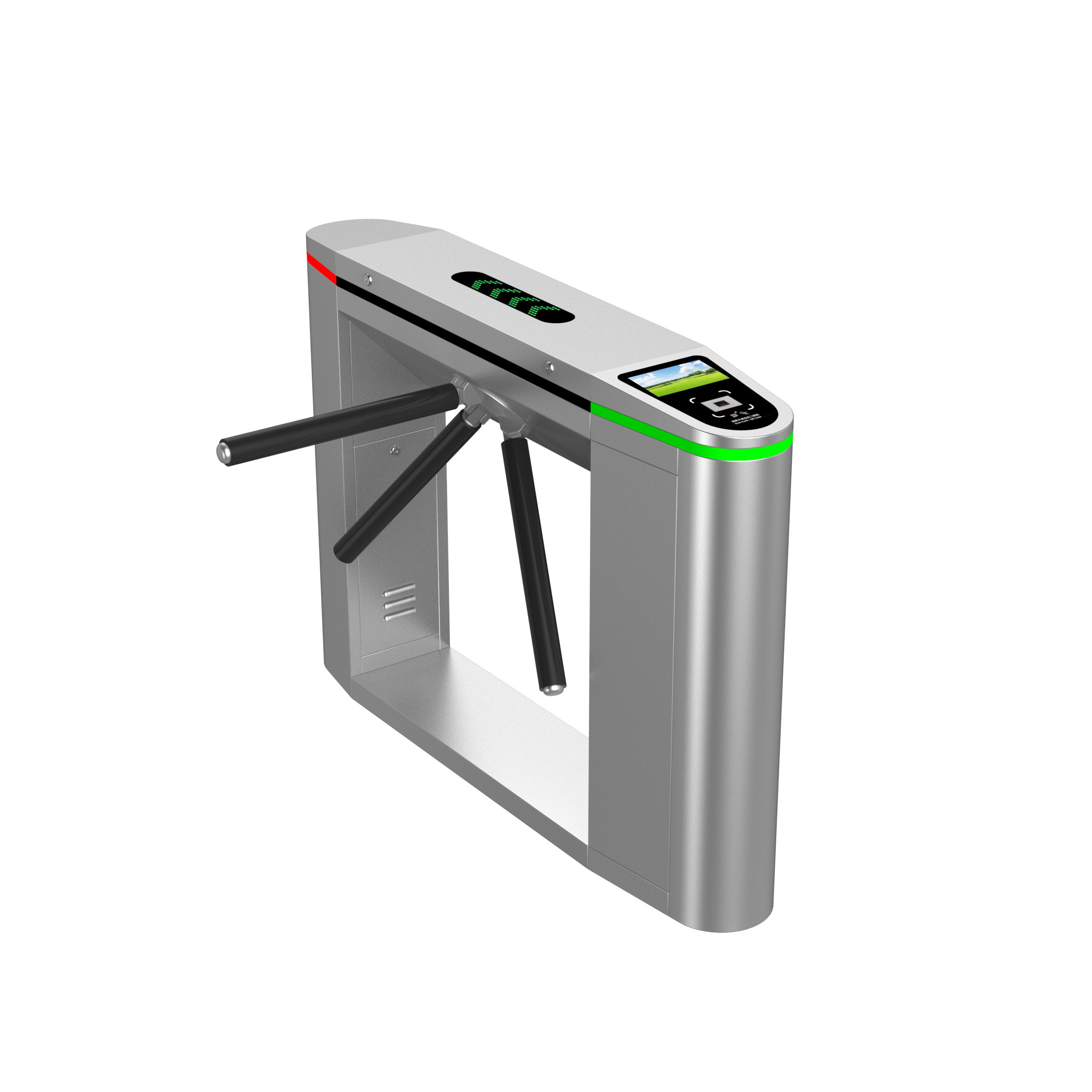
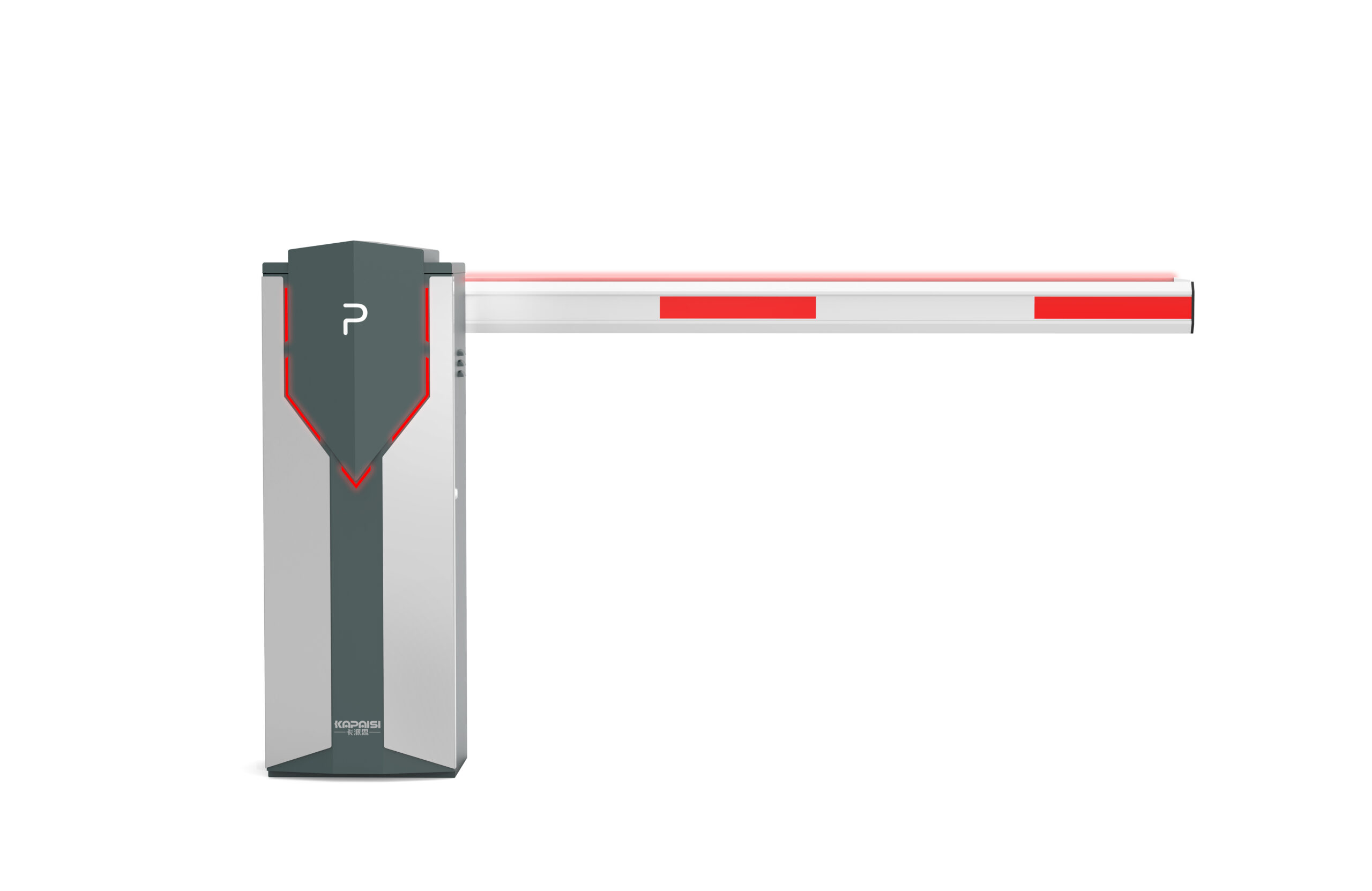
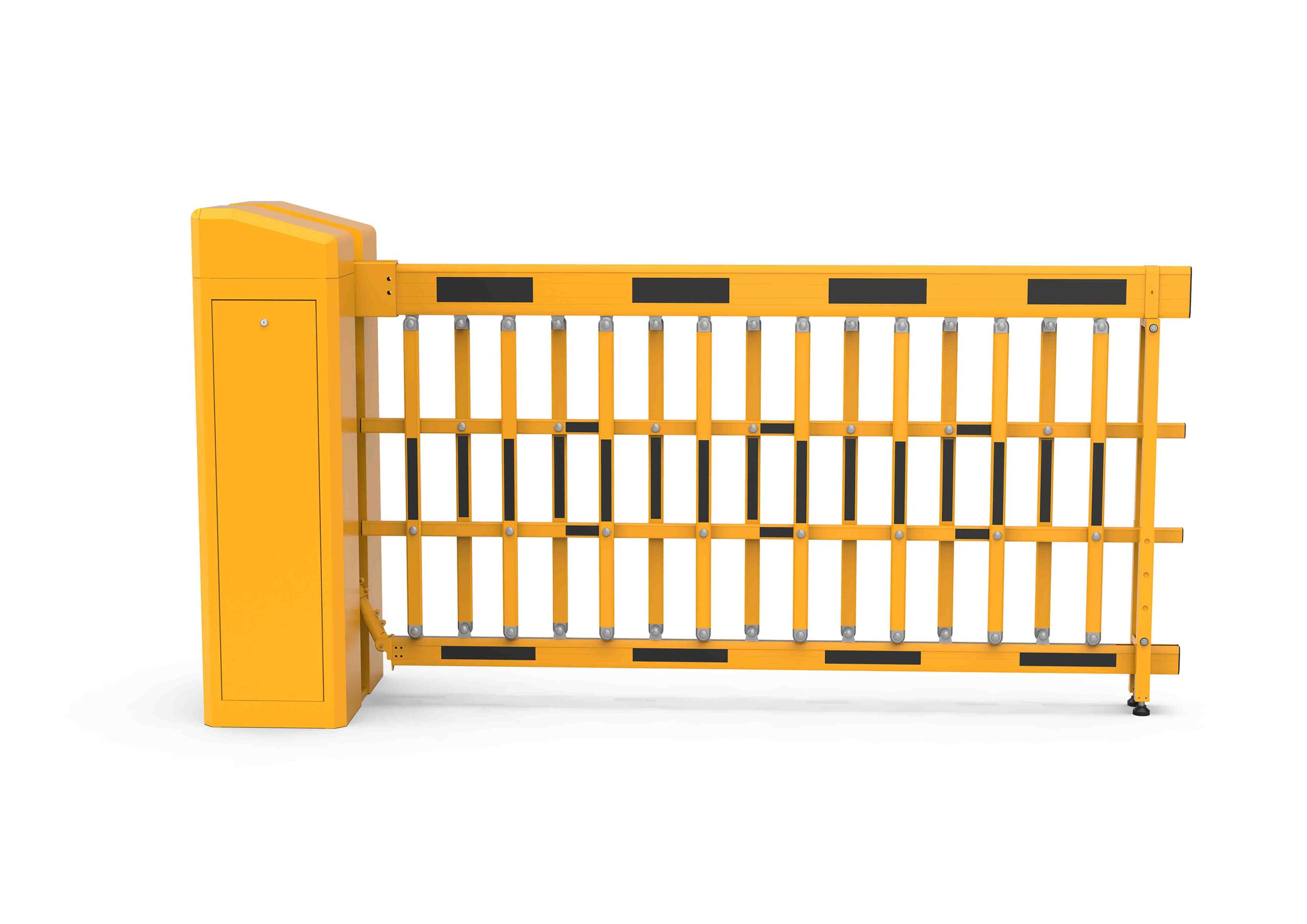
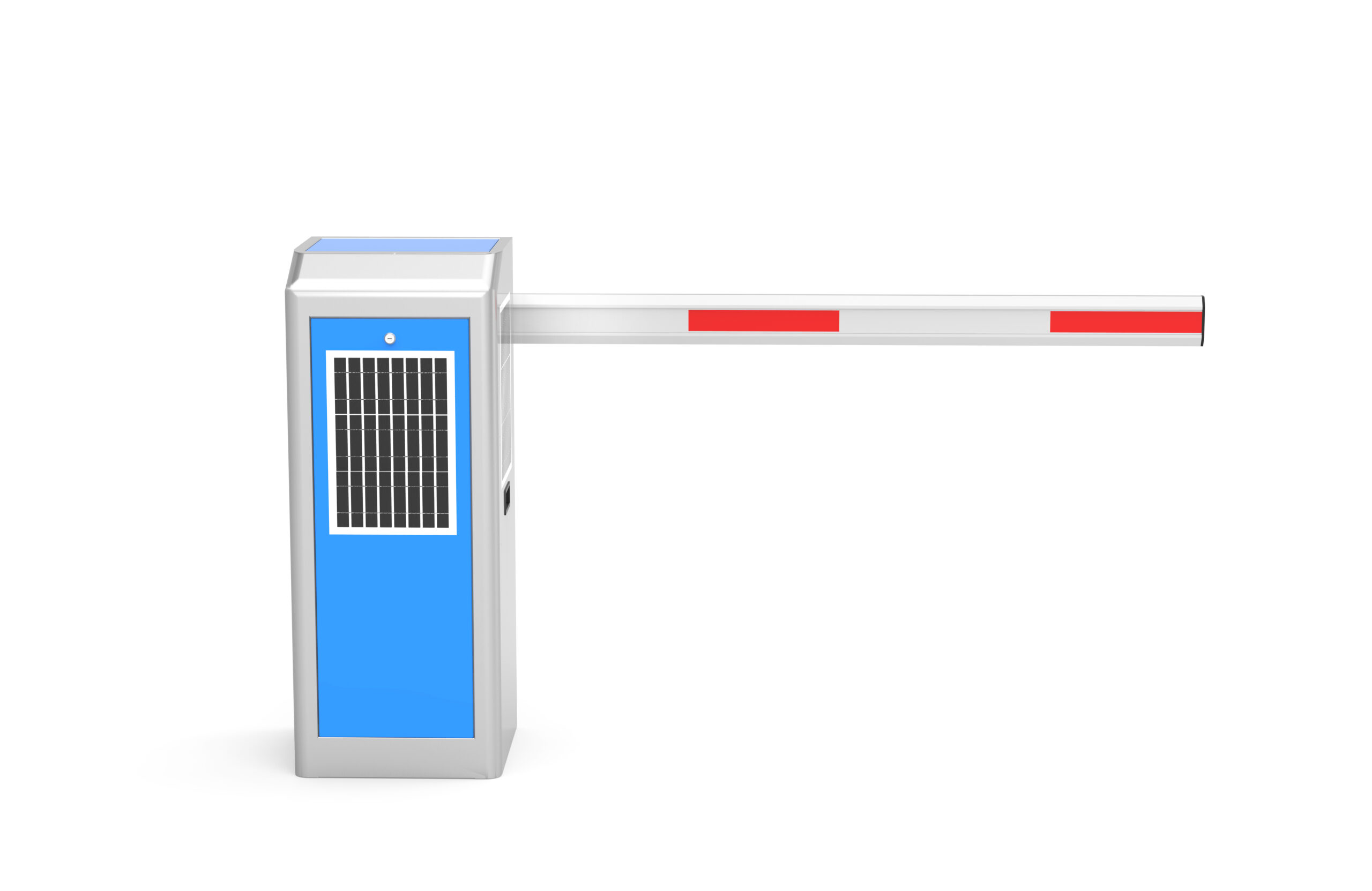
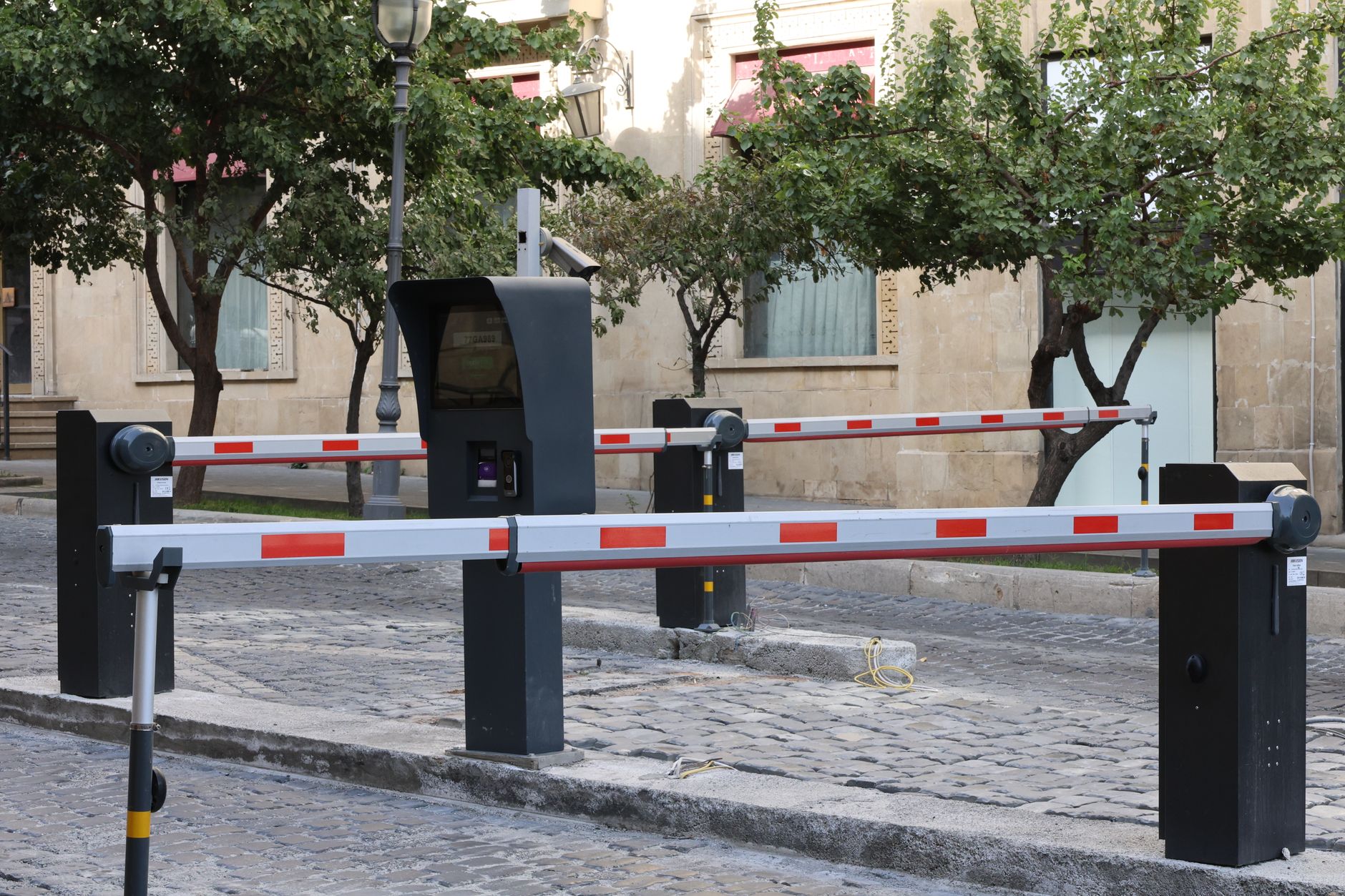
Choose a high-speed barrier when the parking lot has a traffic volume over 500 vehicles/day, prolonged peak hour congestion, or needs LPR integration for transient customers. The investment cost is 30-50% higher than standard barriers, but it reduces waiting time and increases throughput.
- Grade A offices, CBD buildings: Peak hour vehicle traffic can reach 200-300 vehicles/hour. High-speed barriers (1-2 seconds) help reduce congestion, especially when combined with LPR cameras for automatic license plate recognition — see 5 benefits of LPR barriers for offices: Save 70% waiting time.
- Factories, Industrial Parks: Containers and trucks enter and exit continuously. High-speed barriers reduce stop-and-wait time, increasing gate throughput. See more at LPR Barriers for Industrial Parks: Non-stop container/truck control 2026.
- High-end hotels, resorts: Valet parking requires fast opening/closing to avoid disrupting the guest experience. High-speed barriers reduce vehicle check-in time to under 5 seconds.
When is a standard barrier the optimal choice?
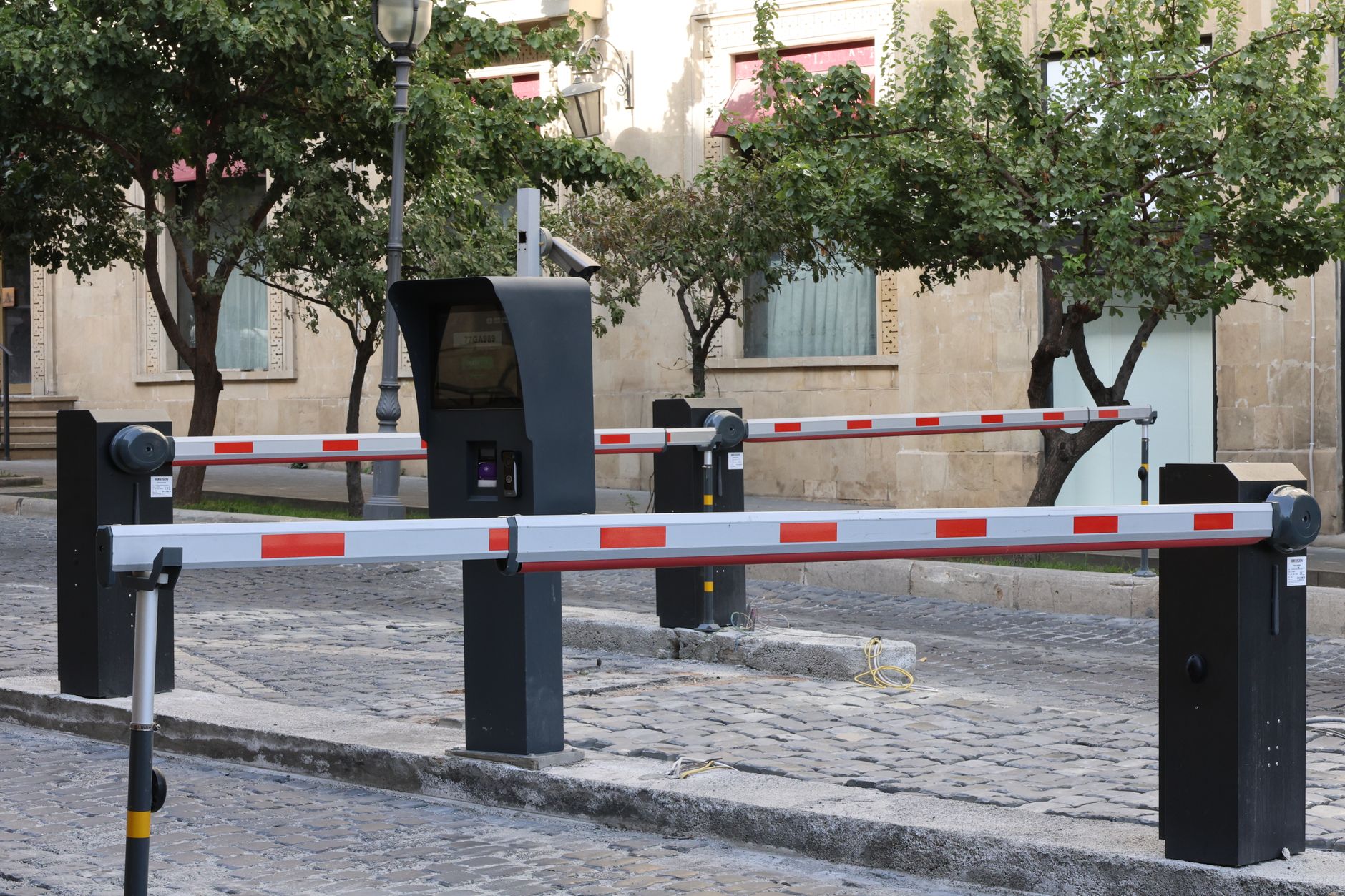
Standard barriers are suitable for low-traffic parking lots (under 200 vehicles/day), limited budgets, or areas that don't require high speed, such as older apartment buildings, district-level hospitals, and schools. The investment cost is 40-60% lower, and maintenance is simpler.
- Apartment buildings, urban areas: Residents enter and exit regularly, with low frequency (20-50 vehicles during peak hours). Standard barriers at 4-6 seconds perform well at a lower cost. See Apartment gate barriers with LPR: Automatic license plate recognition solution 2026.
- District-level hospitals, clinics: Moderate vehicle traffic, cost priority. Standard barriers combined with push buttons or magnetic cards still meet basic needs.
- Schools: Short peak hours, standard barriers combined with simple LPR optimize the budget. See School barriers: 5 benefits of controlling student and teacher vehicles 2026.
Comparison table: High-speed barrier vs. Standard barrier
| Criteria | High-speed barrier | Standard barrier |
|---|---|---|
| Opening/closing speed | 1-3 seconds | 4-6 seconds |
| Motor type | Servo motor / DC motor | AC motor |
| Durability (cycles) | 1.5-2 million cycles | 0.8-1 million cycles |
| LPR integration | Built-in or easy | Requires additional module |
| Investment cost | 25-45 million VND | 12-20 million VND |
| Annual maintenance cost | 2-4 million VND | 1-2 million VND |
| Suitable traffic volume | Over 500 vehicles/day | Under 200 vehicles/day |
Common mistakes when choosing a barrier for your business
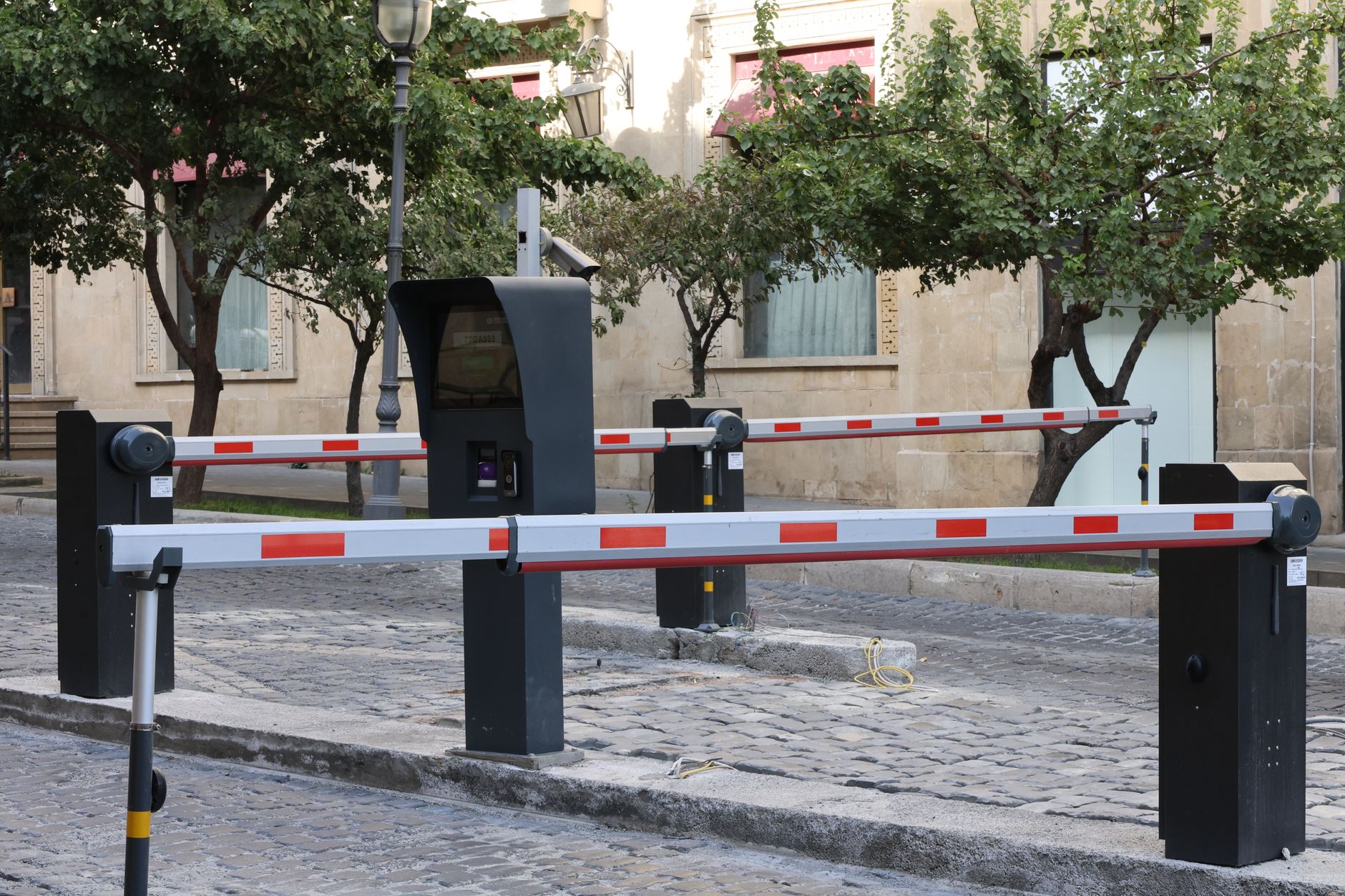
- Choosing a high-speed barrier for a low-traffic lot: Wastes 30-50% of investment cost without utilizing the speed. A standard barrier is sufficient.
- Choosing a standard barrier for a high-traffic lot: Causes peak hour congestion, increases waiting time, and affects productivity. High-speed barriers reduce waiting time by 60-70%.
- Not integrating LPR from the start