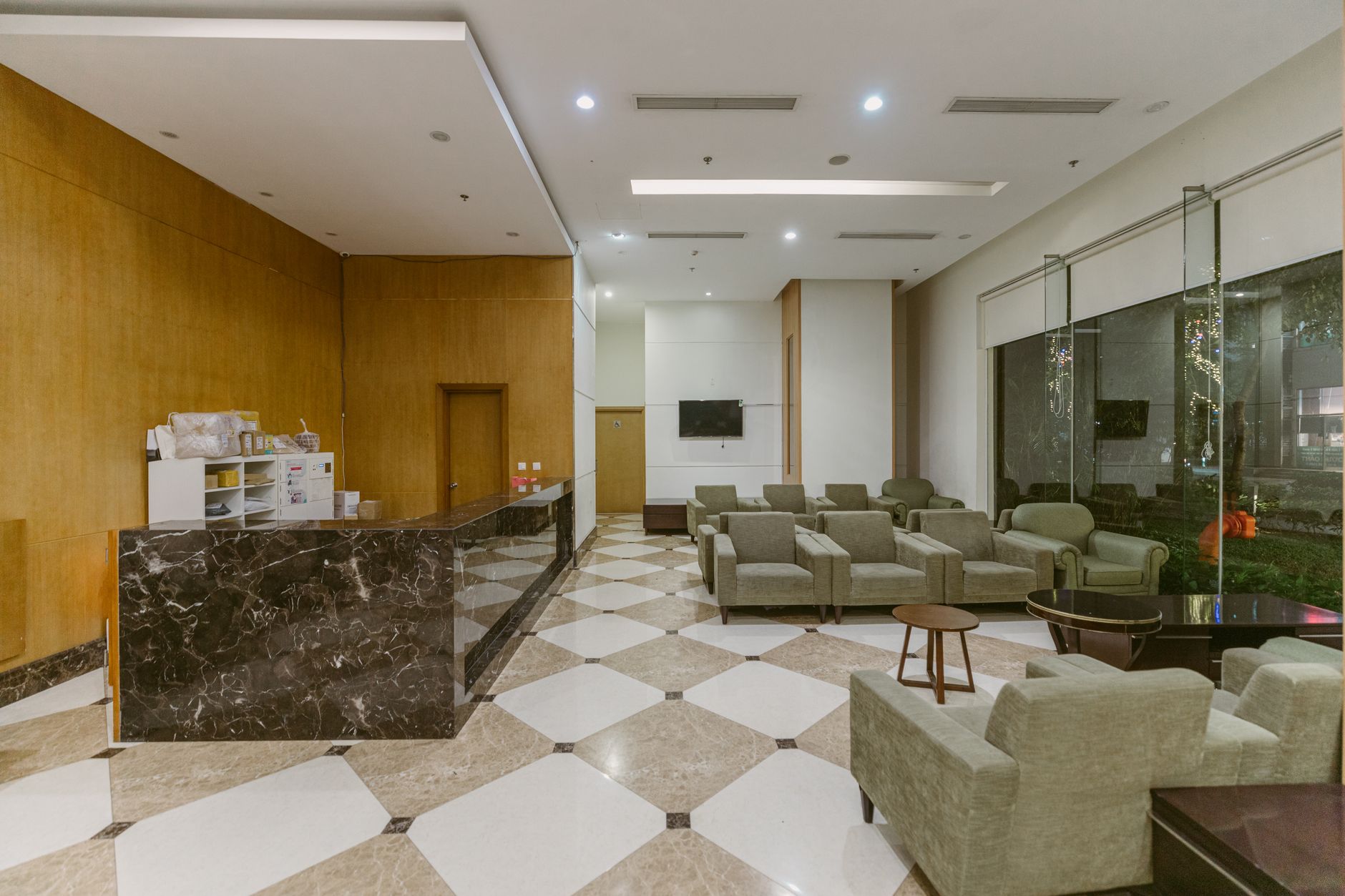
AI people counting cameras for hospitals are a solution that integrates computer vision into surveillance camera systems, automatically counting the number of patients entering and exiting in real-time in areas such as waiting rooms, examination rooms, and pharmacies. In Vietnam, this technology is being deployed in public hospitals and private clinics to reduce waiting times, optimize doctor schedules, and enhance the patient experience.
What is an AI people counting camera for hospitals and how does it work?
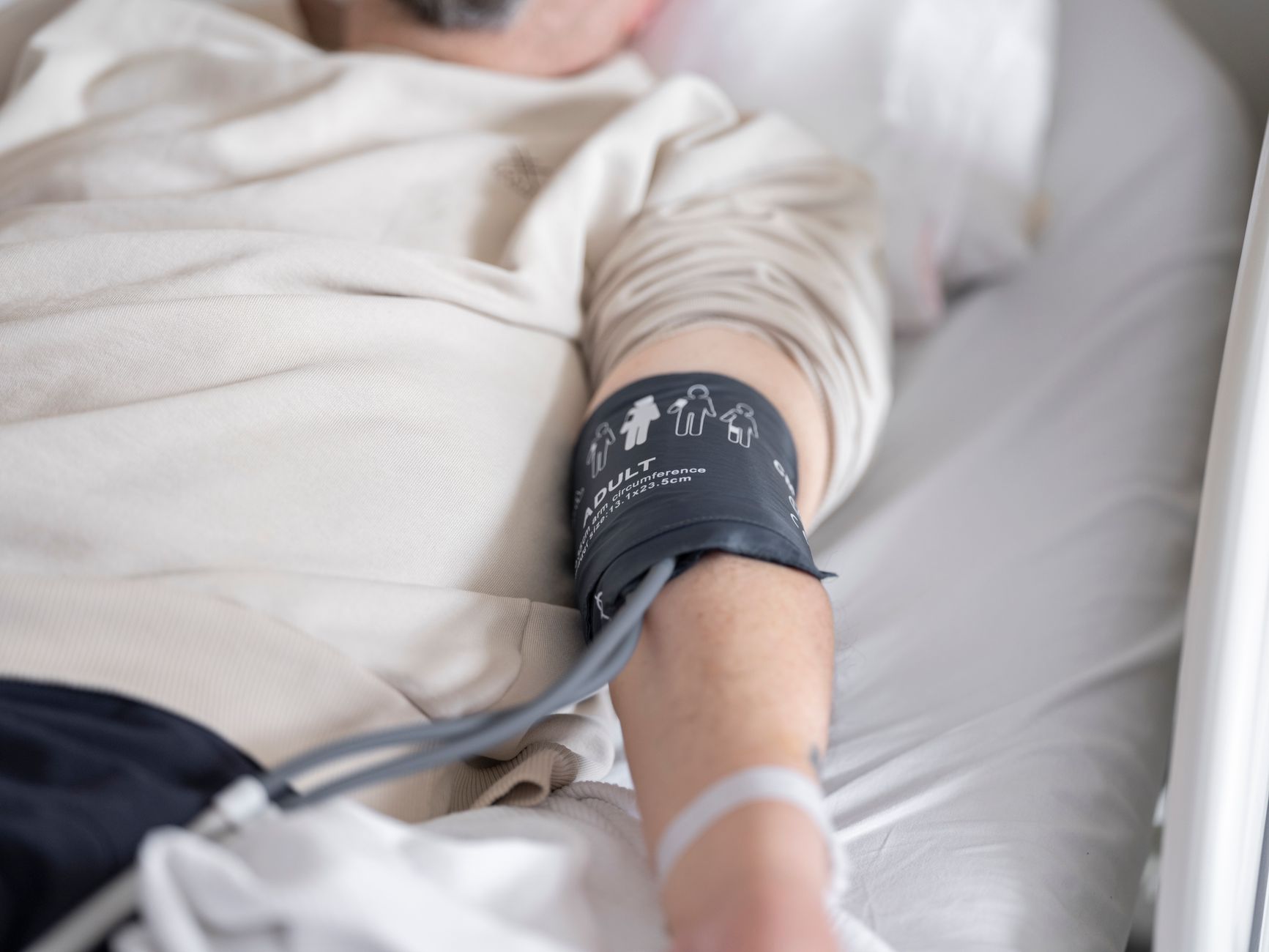
AI people counting cameras for hospitals use deep learning algorithms to analyze real-time video, identify and count the number of people in each area. The system can distinguish between patients, medical staff, and visitors, while also measuring average dwell time and crowd density.
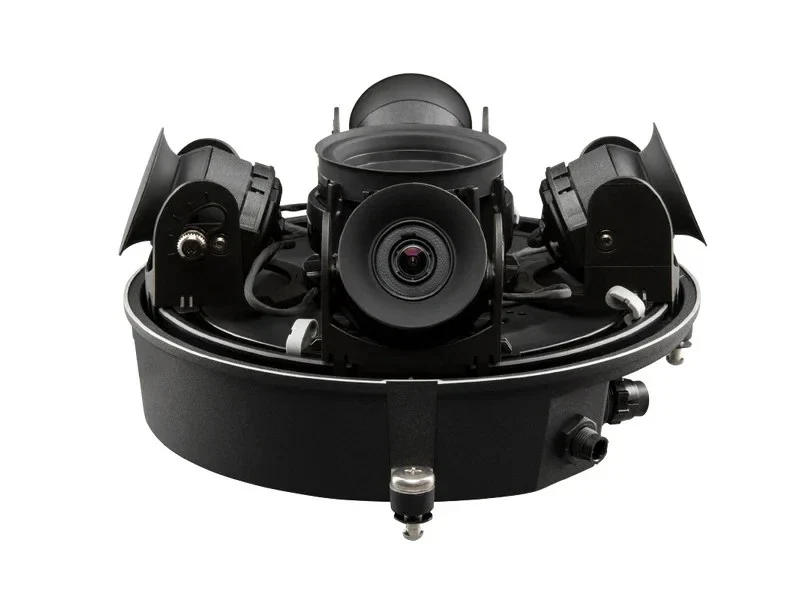
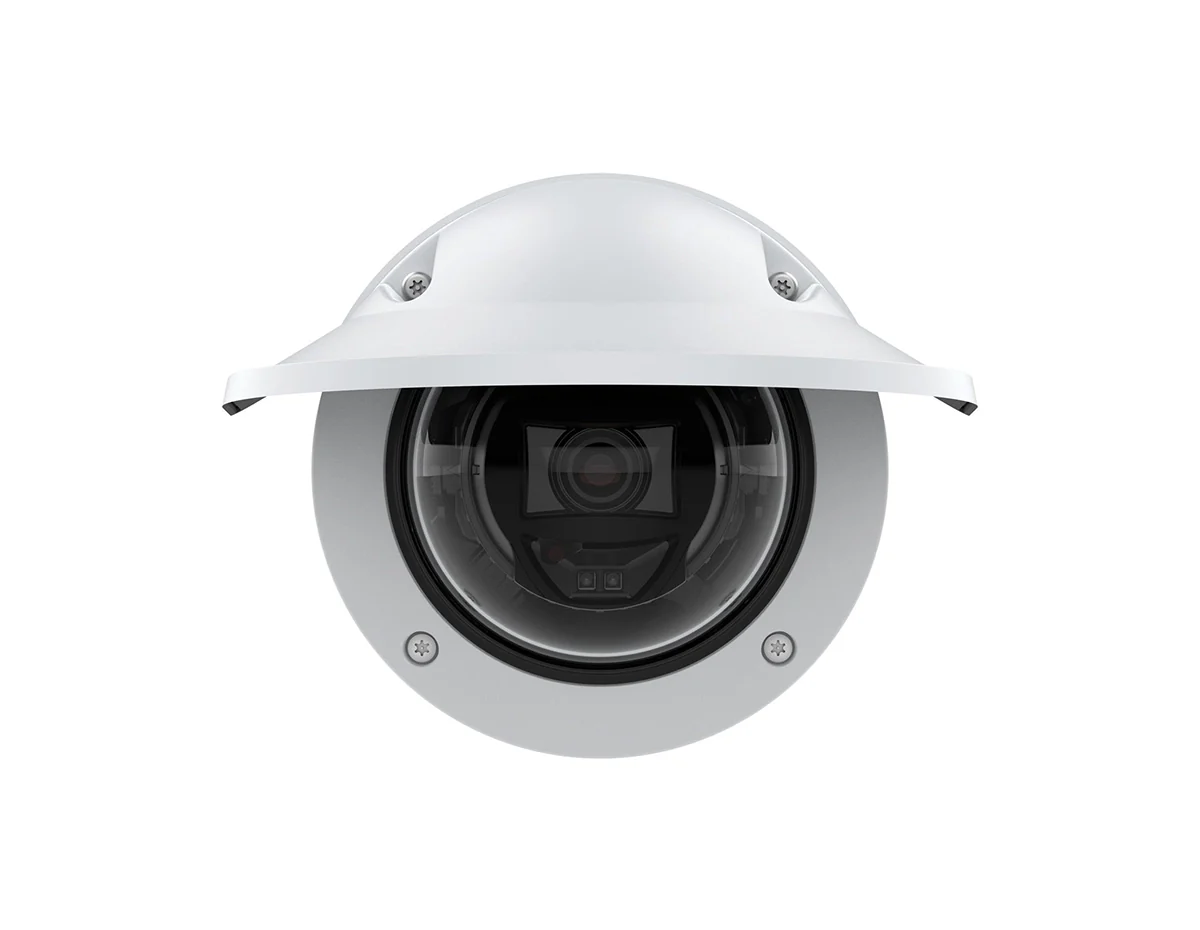
Unlike regular cameras that only record footage, AI cameras process data at the edge (edge computing) or through a central server. Results are synced to a real-time management dashboard. Some product lines, such as AI cameras from Hikvision, Dahua, or Xovis, have built-in people counting algorithms, eliminating the need for third-party software.
The system consists of three main components: AI cameras mounted on ceilings or walls (typically 3D stereo or 2D AI), patient flow analytics management software, and a data display dashboard. Data is stored for a minimum of 30 days to support trend analysis and reporting.
Benefits of AI people counting cameras for hospitals and clinics
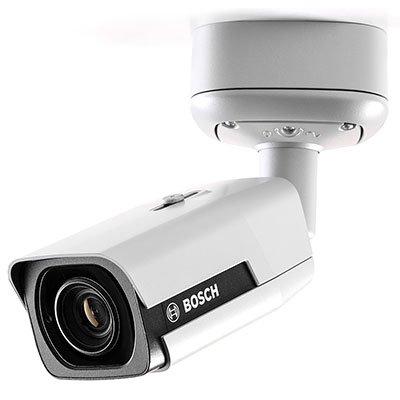
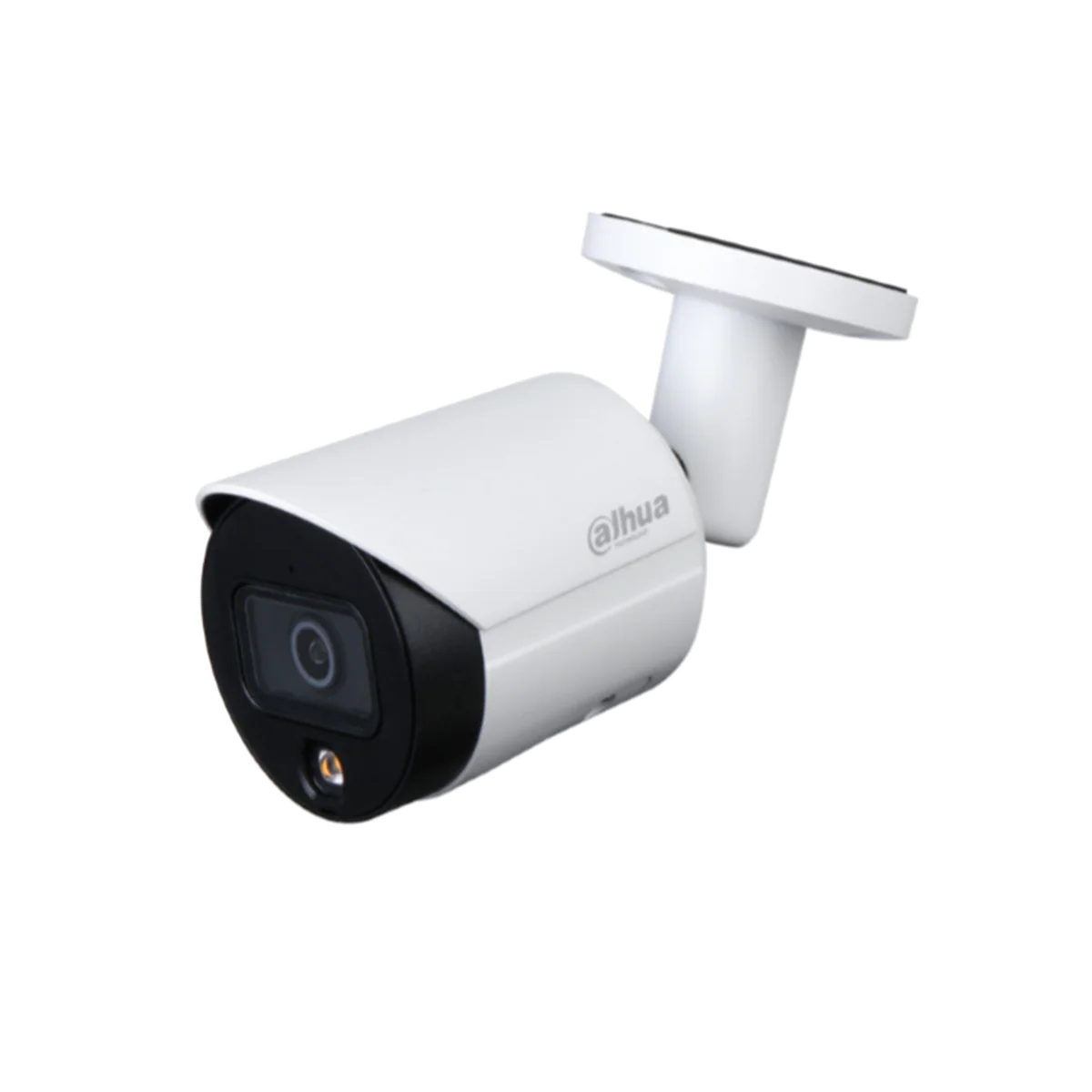
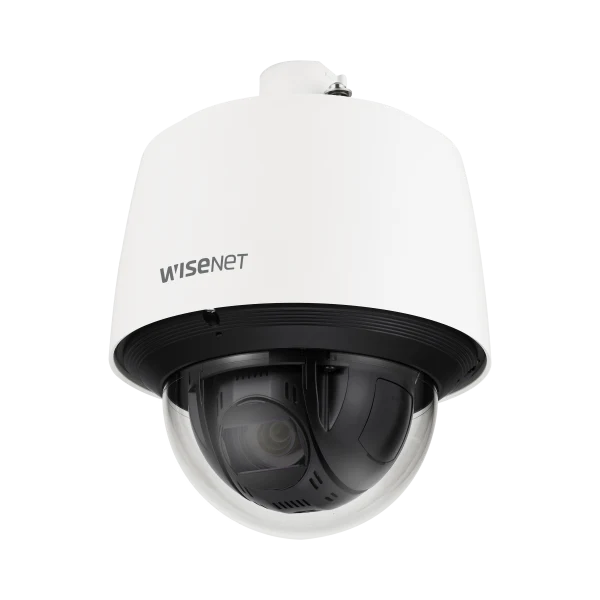

AI people counting cameras deliver 3 main benefits: reducing waiting times by 40% through optimized patient flow, increasing clinic revenue by 25% through efficient appointment management, and improving patient experience by reducing wait times.
- Reduce waiting times by 40%: The system detects congestion in waiting areas or examination rooms, automatically directing patients to other counters or notifying nurses.
- Optimize doctor schedules: Hourly people counting data helps hospitals adjust doctor shifts to match actual patient flow, avoiding situations where doctors are idle while patients wait long.
- Increase clinic revenue: AI queue management reduces average consultation time from 15-25 minutes down to 9-12 minutes, increasing the number of daily visits without expanding facilities.
- Overload alerts: When the number of patients exceeds the permitted threshold, the system sends real-time alerts via email or SMS to management.
Comparison of AI people counting cameras with infrared sensors and pressure sensors

AI people counting cameras outperform infrared sensors and pressure sensors in accuracy (over 98%), object differentiation capability, and dwell time measurement. However, the initial investment cost is higher.
| Criteria | AI People Counting Camera | Infrared Sensor | Pressure Sensor |
|---|---|---|---|
| Accuracy | 98-99% | 85-92% | 70-80% |
| Object differentiation | Yes (distinguishes patients, staff, children) | No | No |
| Dwell time measurement | Yes (average waiting time) | No | No |
| Investment cost (per point) | 12-25 million VND | 3-8 million VND | 5-10 million VND |
| Maintenance | Low (periodic lens cleaning) | Medium (sensors prone to failure) | High (mechanical wear) |
Case study: Tan Phat General Clinic reduces waiting time by 45% thanks to AI cameras

Related articles
Counting bus passengers with AI: Optimize routes, reduce operating costs & increase ticket revenue in 2026
9 min readCounting metro, subway & ferry passengers with AI cameras: Load management and safety 2026
9 min readStart with a free 60-minute site survey
Our senior technical team will visit your site, assess the current setup, and propose a bundle matched to your business model and budget.