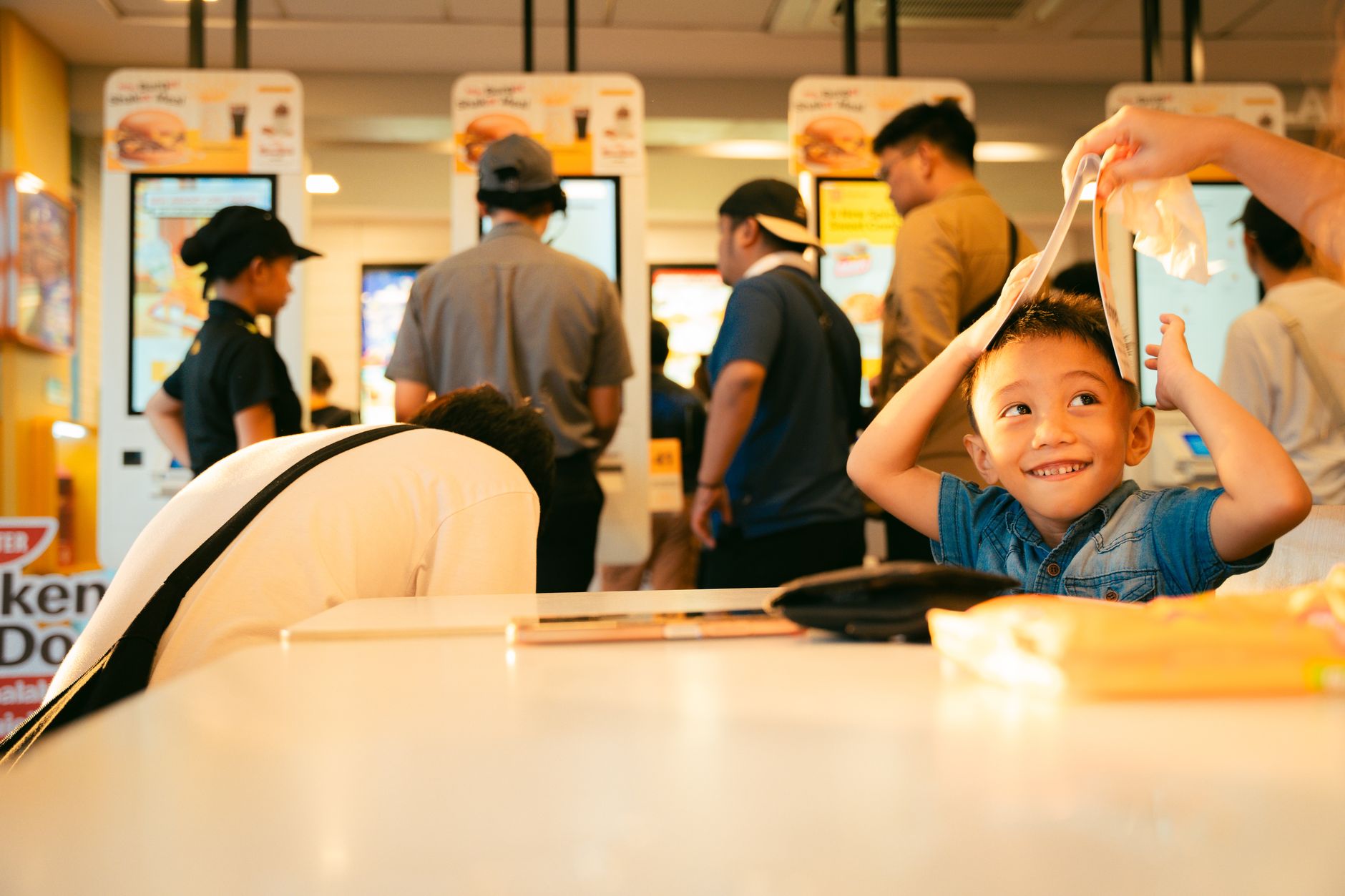
AI canteen people counting cameras are a solution that integrates computer vision into surveillance cameras, automatically counting the number of diners entering and exiting in real time. In Vietnam, this technology is being deployed in industrial parks, office buildings, and hospitals to optimize operations and reduce queue congestion.
What is a canteen people counting camera?

A canteen people counting camera is an AI camera system capable of real-time video analysis to count the number of people entering and leaving the canteen area, while also assessing occupancy density by zone (serving counter, payment area, seating area).
Unlike standard cameras that only record footage, AI people counting cameras use deep learning algorithms to recognize "person" objects and track movement across pre-configured virtual lines. Data is processed directly on the device (edge computing) or via a central server, allowing occupancy data to be updated every second. The system can integrate with displays showing estimated wait times or send alerts to management when density exceeds permitted thresholds.
Operating principle of AI cameras in canteens
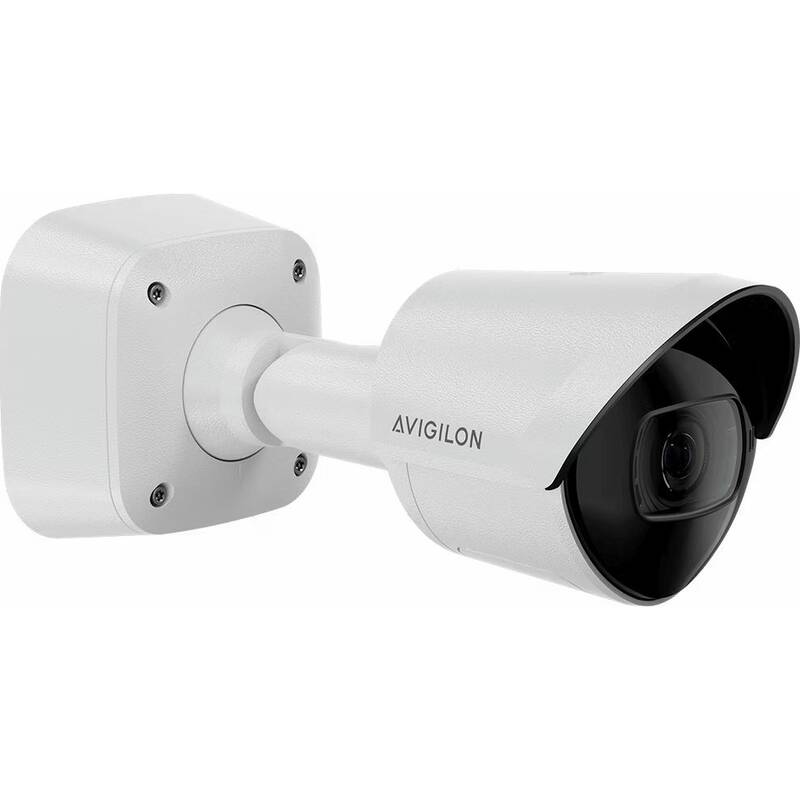
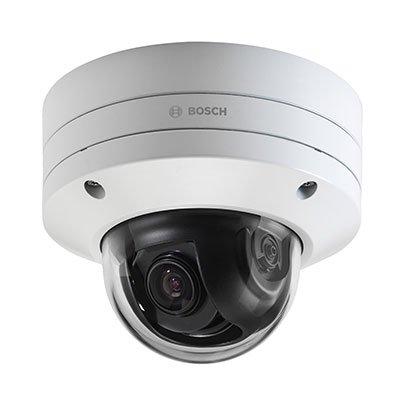
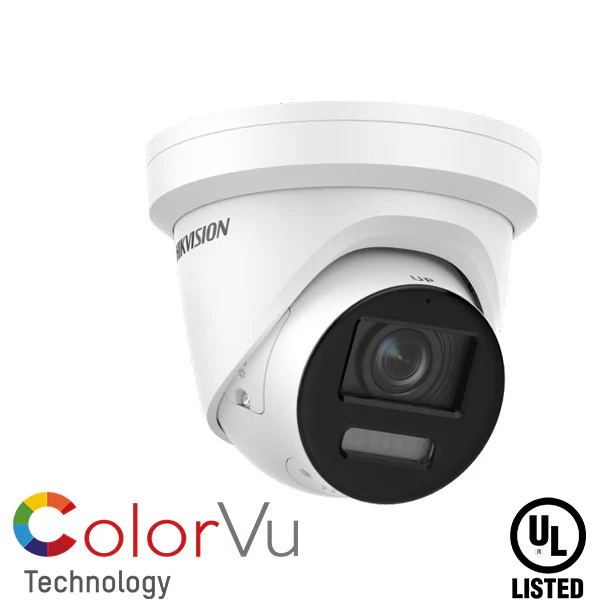
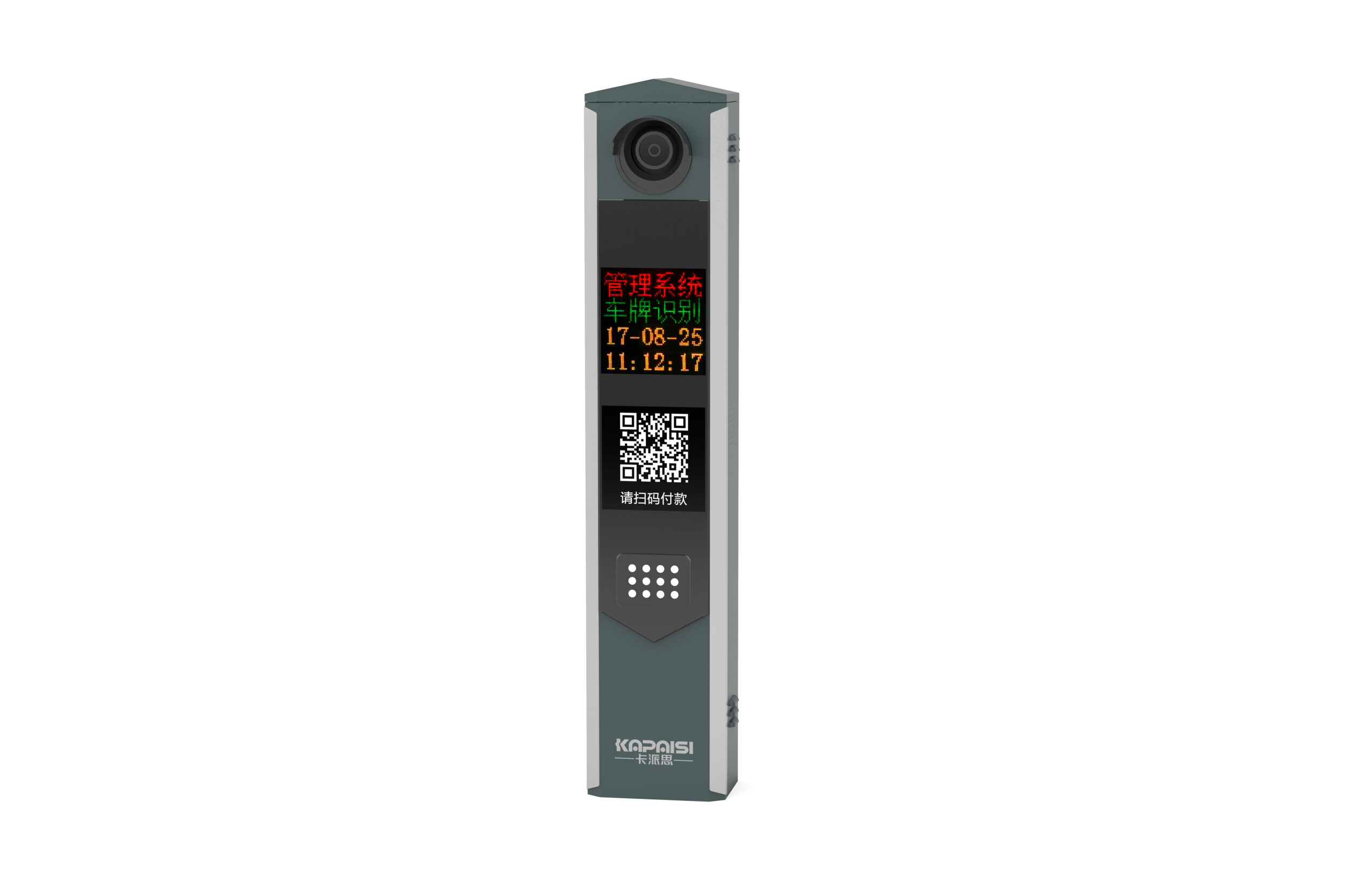
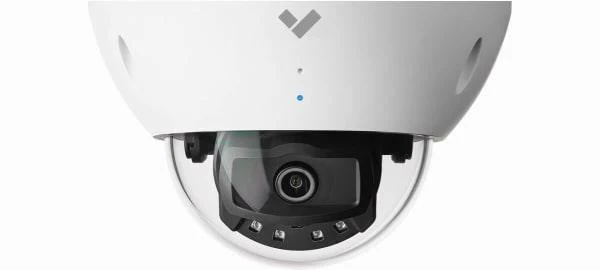
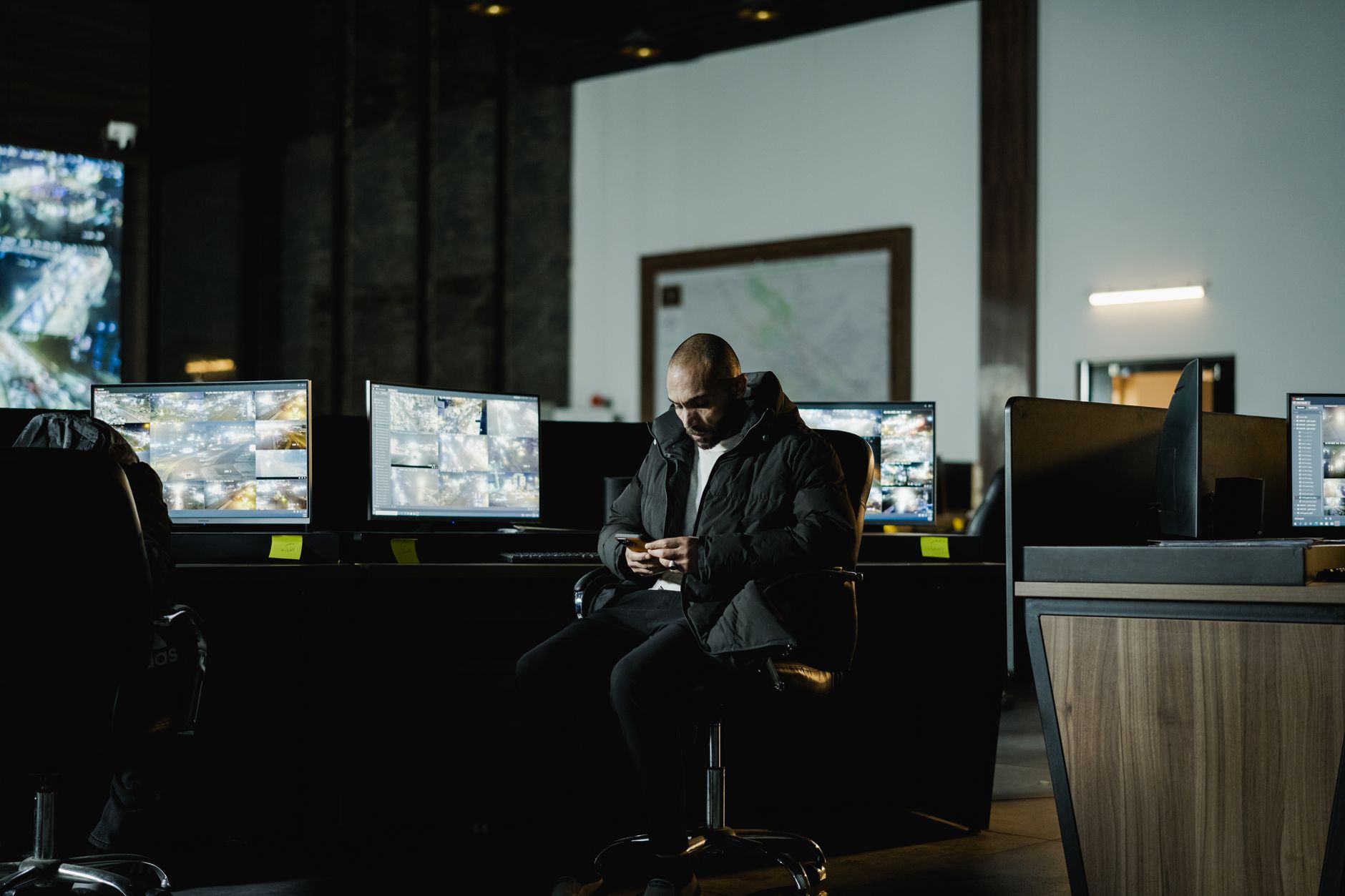
AI canteen people counting cameras operate based on three steps: object detection, movement tracking, and counting across virtual lines. Occupancy data is aggregated and analyzed to provide wait time forecasts and congestion alerts.
- Object detection: The camera scans the frame, recognizing human shapes using YOLO or CNN models. AI filters remove noise such as shadows, carts, and pets.
- Movement tracking: The tracking algorithm (Deep SORT) assigns an ID to each person, tracking their movement direction (in/out) based on bounding box coordinates across consecutive frames.
- Counting across virtual lines: When a person crosses a virtual line drawn in the software (e.g., at the entrance/exit), the system records +1 or -1 on the bidirectional counter.
- Occupancy alert: Real-time data is compared against configured thresholds (e.g., 200 people). If exceeded, the system sends a notification to an LED display or management app.
Specific benefits when deploying in corporate canteens
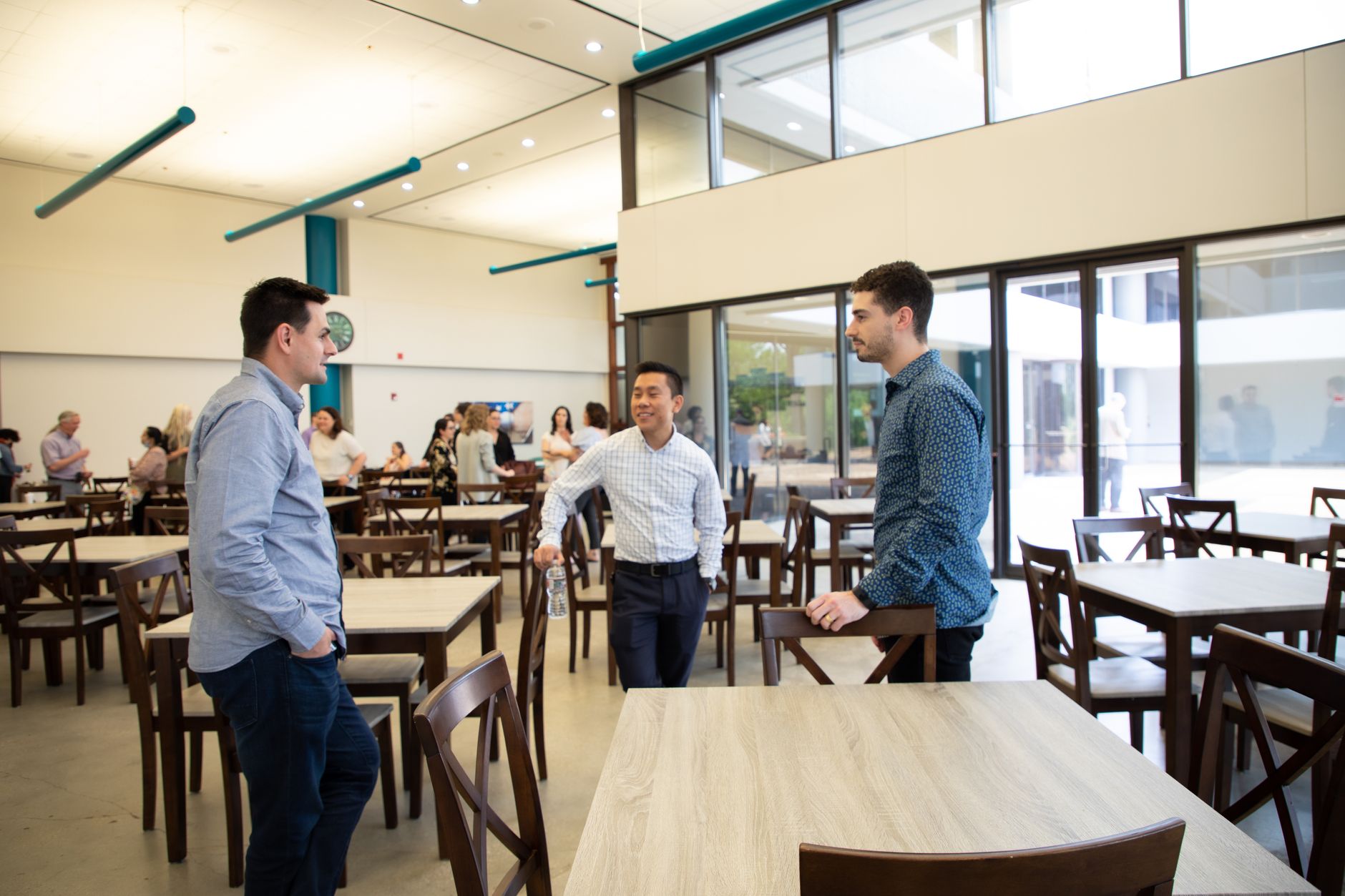
Canteen people counting cameras help reduce wait times by 30-50%, optimize service staff, and improve the diner experience. Occupancy data also supports more accurate raw material purchasing planning.
- Reduced peak-hour congestion: When occupancy exceeds 80% capacity, the system suggests opening additional counters or dispatching staff to crowded areas. One office canteen chain in Ho Chi Minh City recorded a 40% reduction in wait times after 2 months of deployment.
- Optimized staffing: Historical occupancy data by time slot helps managers create appropriate shift schedules, avoiding overstaffing during low-traffic hours (2 PM - 4 PM).
- Improved experience: Displays showing estimated wait times (e.g., "Approximately 5-8 minutes") help diners plan ahead, reducing stress.
- Operational cost savings: Reduces food waste by forecasting customer volume 20-30% more accurately than manual estimates.
Comparison of AI people counting cameras with traditional infrared sensors
Infrared sensors (IR beam) only count the number of beam breaks, easily producing errors when multiple people pass simultaneously. AI cameras offer higher accuracy (98% vs 85%) and provide additional zone-based occupancy data.
| Criteria | AI People Counting Camera | Infrared Sensor |
|---|---|---|
| Accuracy | 96-98% | 80-88% |
| Bidirectional counting | Yes (simultaneous in/out) | Difficult (prone to errors when crowded) |