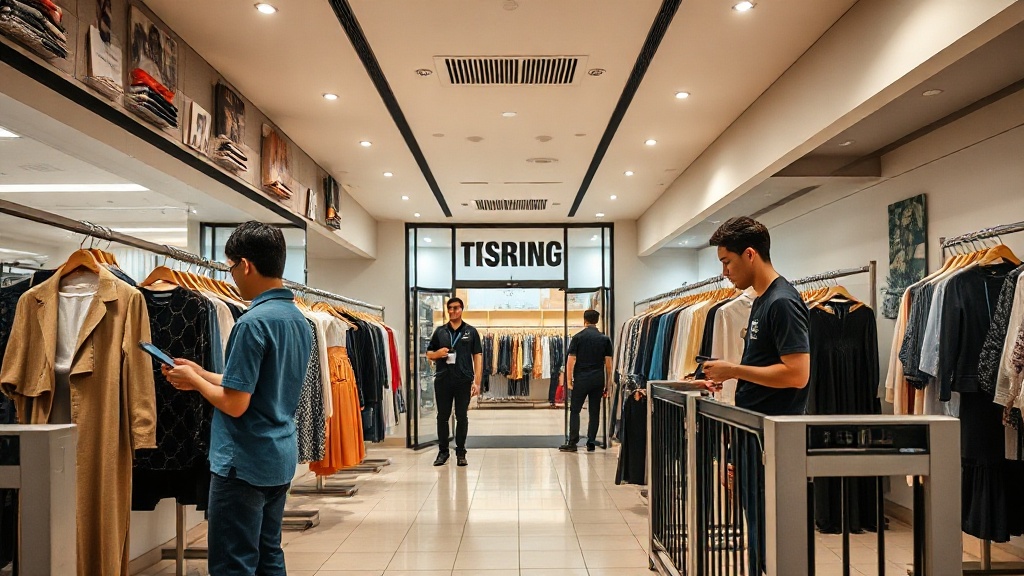
UHF RFID item-level is becoming the inventory management standard for large-scale fashion chains. In Vietnam, a 50-store fashion chain has successfully deployed a UHF RFID solution, reducing inventory time by 95%, increasing revenue by 15%, and reducing product shrinkage by 40%. This case study details the deployment process, results, and practical lessons learned.
Customer Information
- Customer: Lụa Việt Fashion (name changed)
- Industry: High-end women's fashion, fast fashion
- Scale: 50 stores across 15 provinces/cities, 1 central warehouse of 5,000m²
- Locations: Hanoi, Ho Chi Minh City, Da Nang, Hai Phong, Can Tho
- Number of SKUs: 12,000 fashion SKUs, average of 1,200 products/store
Customer Challenges
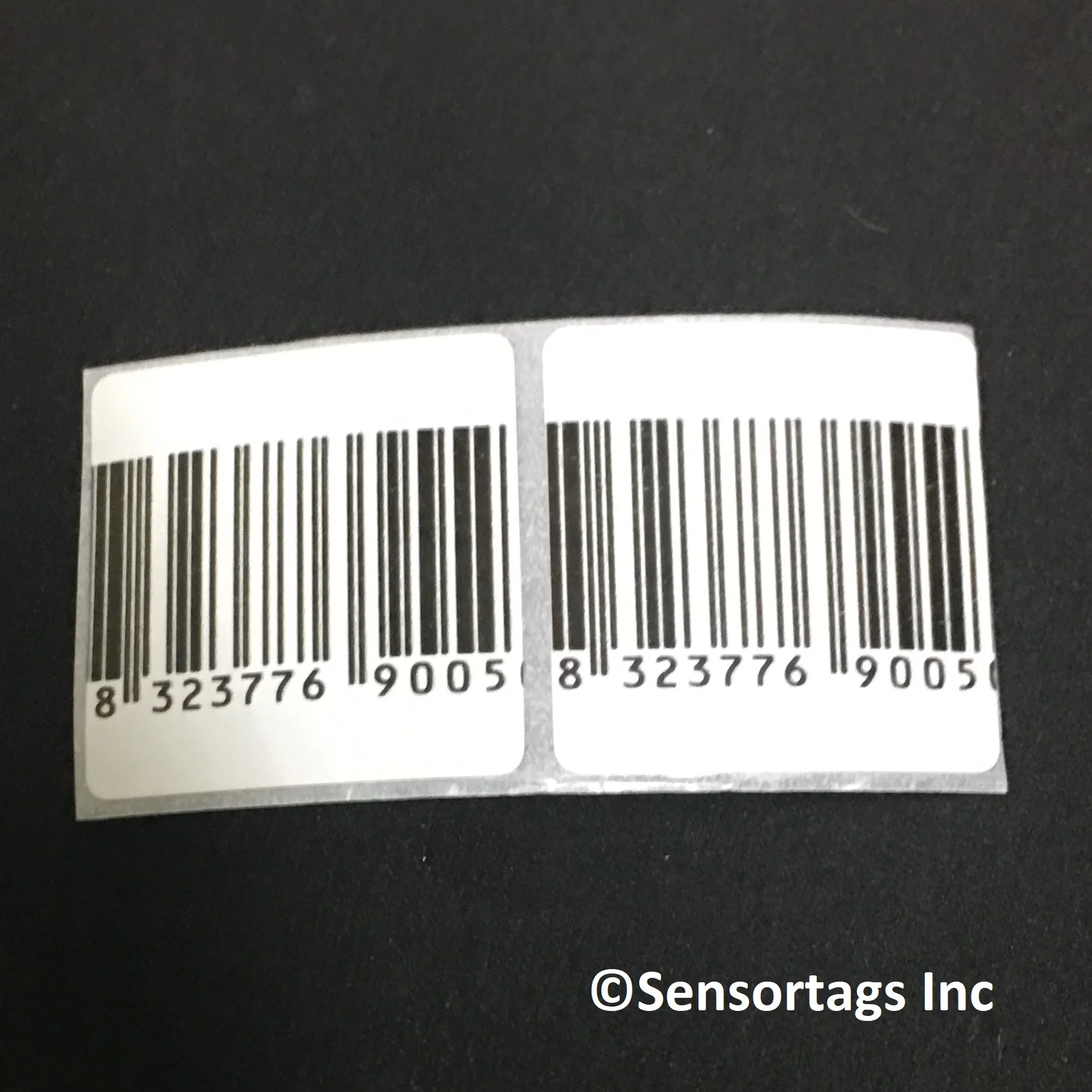

Before deploying UHF RFID, the Lụa Việt fashion chain faced 4 serious problems in inventory management and operations, directly impacting revenue and profit.
- Inventory took 3-5 days/store: Employees had to manually count each product, leading to 15-20% errors and costing 200-300 labor hours/month for the entire chain.
- Product shrinkage rate of 8%: Losses due to theft, warehouse misplacement, and sales errors, equivalent to 3-4 billion VND/year.
- Inventory discrepancy of 25%: Stock data on the POS system did not match reality, causing shortages of bestsellers and overstock of slow-moving items.
- Inability to support omnichannel: Online customers didn't know which store had stock, leading to a loss of 30-40% of potential orders.
UHF RFID Solution Deployed by An Ninh Số
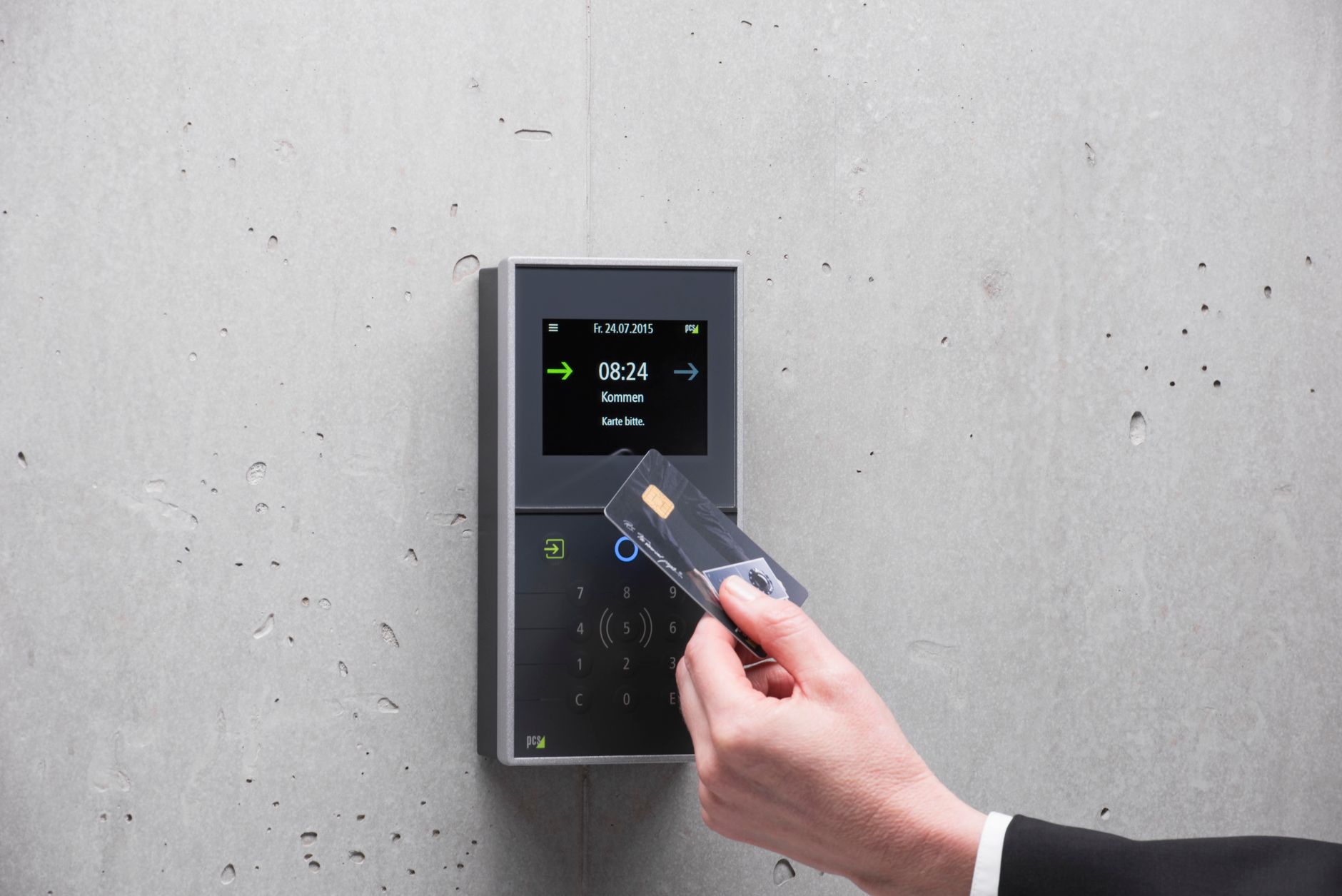
An Ninh Số deployed an end-to-end item-level UHF RFID solution for the 50-store chain, including hardware (RFID tags, readers, PDAs, EAS gates), management software, and POS integration.
- Source tagging: 100% of products were tagged with UHF RFID tags at the factory, with a unique EPC code for each product. Tag cost: 800-1,200 VND/tag.
- Equipping staff with RFID PDAs: 120 Chainway RFID PDAs (50 for the warehouse, 70 for stores) enabled inventory of 1,200 products in 5-10 minutes instead of 3-5 days.
- Installing RFID EAS gates at entrances/exits: 50 Sensormatic Synergy RFID EAS gates at stores, detecting unpaid items and providing real-time alerts.
- Integration with the POS system: RFID data was synced in real-time with the POS, ensuring accurate inventory updates after each sale or inventory count.
- Employee training: 3 in-person training sessions and 5 instructional videos for 200 operations and management staff.
Results Achieved After 6 Months of Deployment
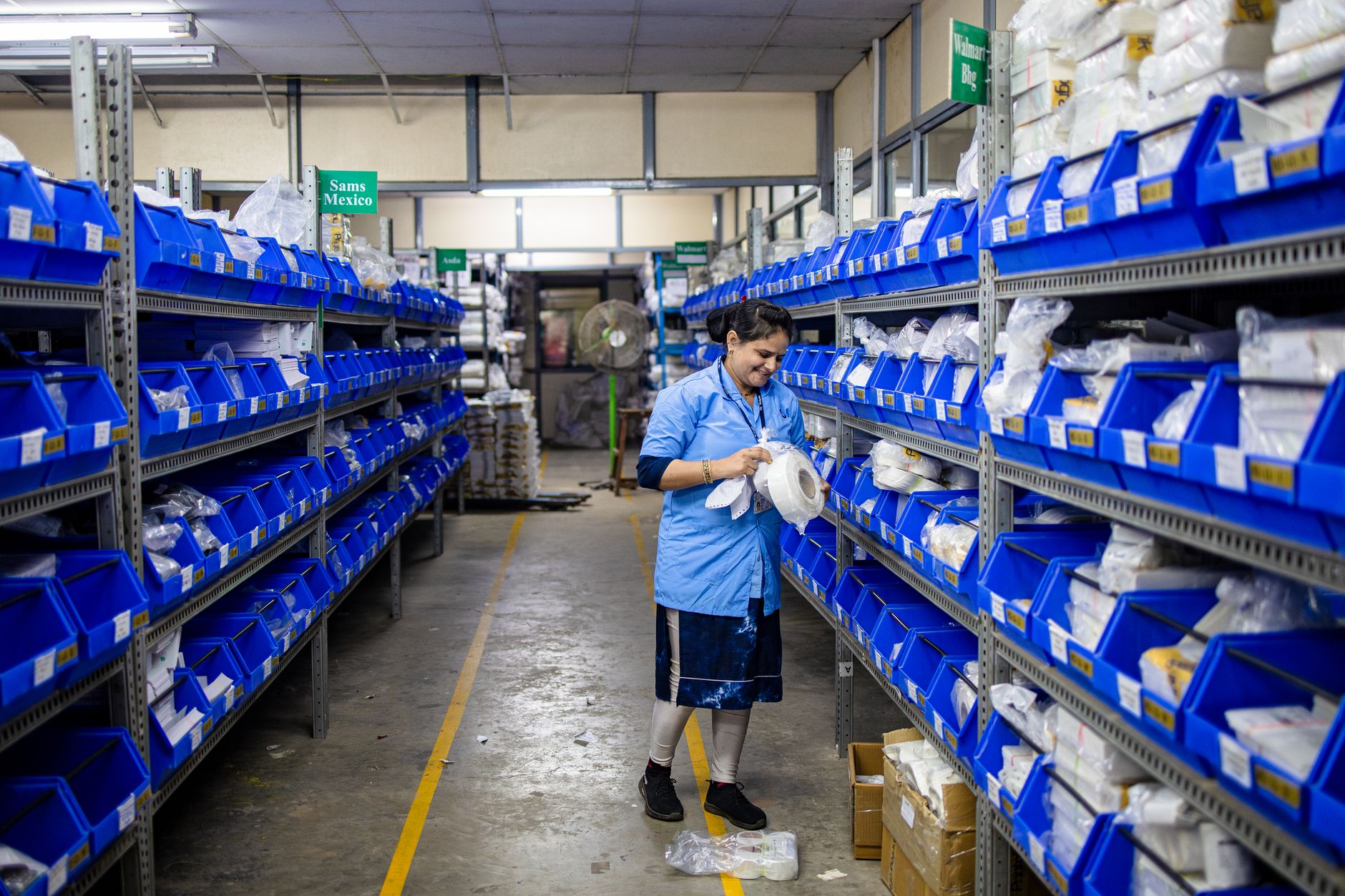
After 6 months of UHF RFID deployment, the Lụa Việt fashion chain recorded outstanding results in operational efficiency and financial performance.
- 95% reduction in inventory time: From 3-5 days/store down to 10-15 minutes/store. The entire chain's inventory took only 1 day instead of 2-3 weeks.
- 15% increase in revenue: Thanks to accurate inventory, stores always had bestsellers in stock, reducing out-of-stock situations by 80%.
- 40% reduction in product shrinkage: RFID EAS gates detected 90% of unpaid item cases, reducing shrinkage from 8% to 4.8%.
- ROI achieved in 18 months: Total investment of 2.8 billion VND (RFID tags, PDAs, EAS gates, software, deployment) was recouped through cost savings and increased revenue.
"Before, every inventory was a nightmare with 50 stores. Employees had to count each product, with constant errors. Since implementing RFID, I can know exactly where each dress is and which store needs restocking. Revenue increased by 15% in just 6 months — a figure I never thought possible."
— Ms. Nguyen Thi Lan, CEO of Lụa Việt Fashion
Lessons for Retail Businesses Deploying RFID
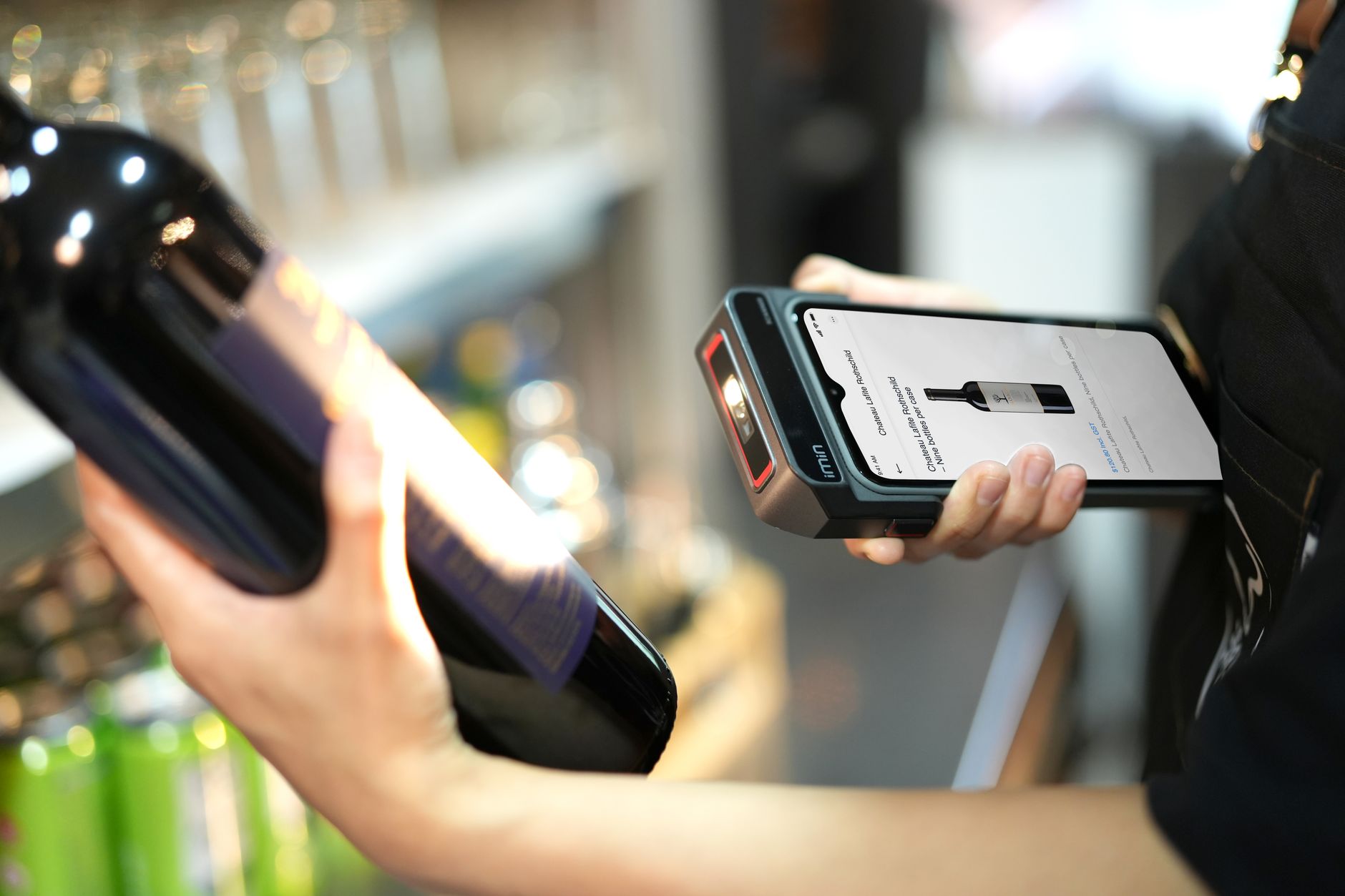
From this case study, retail businesses can draw 5 important lessons for successful UHF RFID deployment.
- Source tagging is key: Tagging at the factory saves 60-70% of costs compared to tagging at the warehouse, while ensuring accuracy from the start.
- Invest in integrated software: RFID is only effective when data is synced in real-time with POS and ERP. Choose a solution with an open API for easy integration.
- Thorough employee training: 200 employees were trained in 3 sessions, but it still took 2-3 months for smooth operations. Plan detailed training.
- Choose the right equipment: RFID PDAs need to read 300-500 tags/second; EAS gates need high sensitivity. Consider equipment from Zebra, Impinj, Chainway.
- Measure ROI clearly: Calculate ROI based on savings from inventory costs, reduced shrinkage, and increased revenue. For a 50-store chain, ROI is typically 12-24 months.