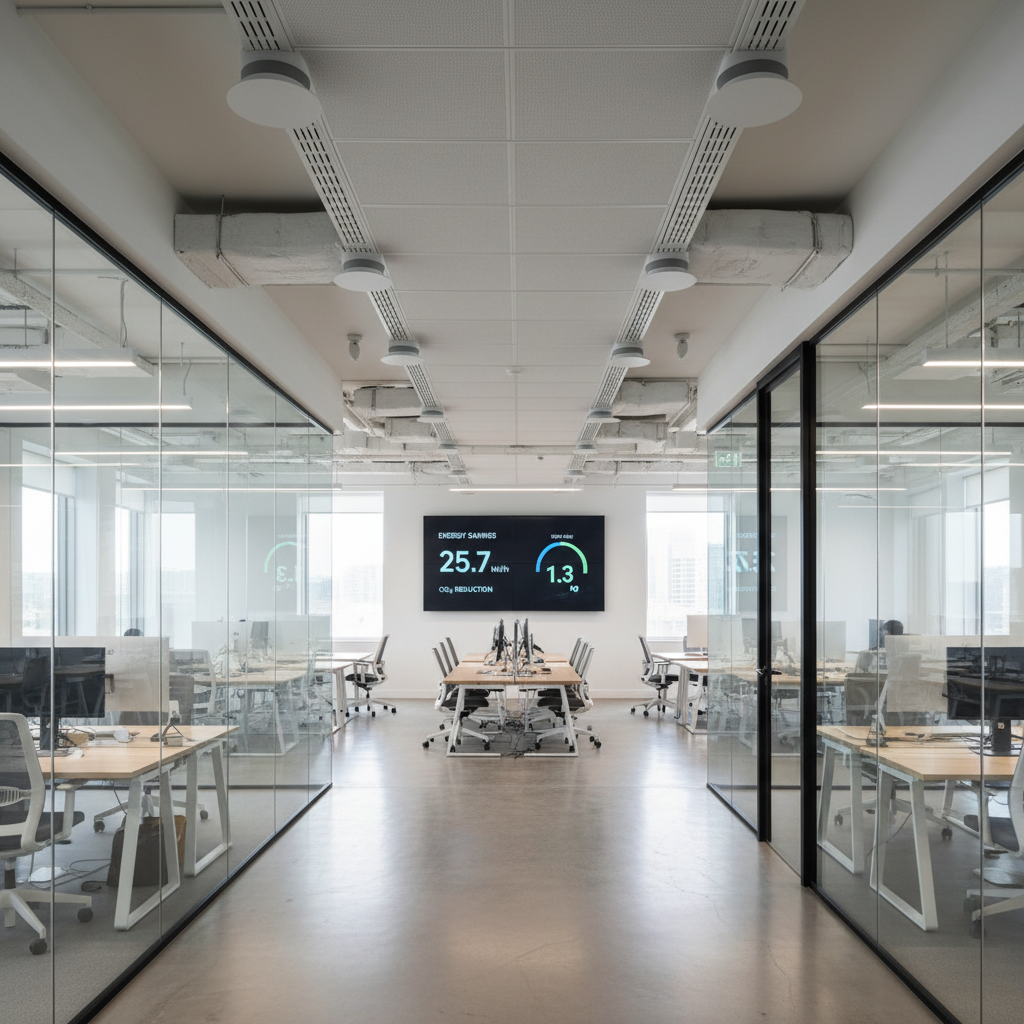
Occupancy sensor AI is a solution that combines wireless presence sensors with an intelligent analytics platform, automatically detecting the number of people in a room in real time and controlling HVAC/lighting. In Vietnam, a 5-branch coworking space chain has adopted this technology to cut monthly electricity bills by 35% — a telling figure for any office-operating business.
Industry: Office rental services / Coworking
Scale: 5 branches in Ho Chi Minh City (District 1, Binh Thanh, Tan Binh, Phu Nhuan, Thu Duc), total area 8,200 m²
Location: Ho Chi Minh City
Implementation time: Q3/2025
Customer problems
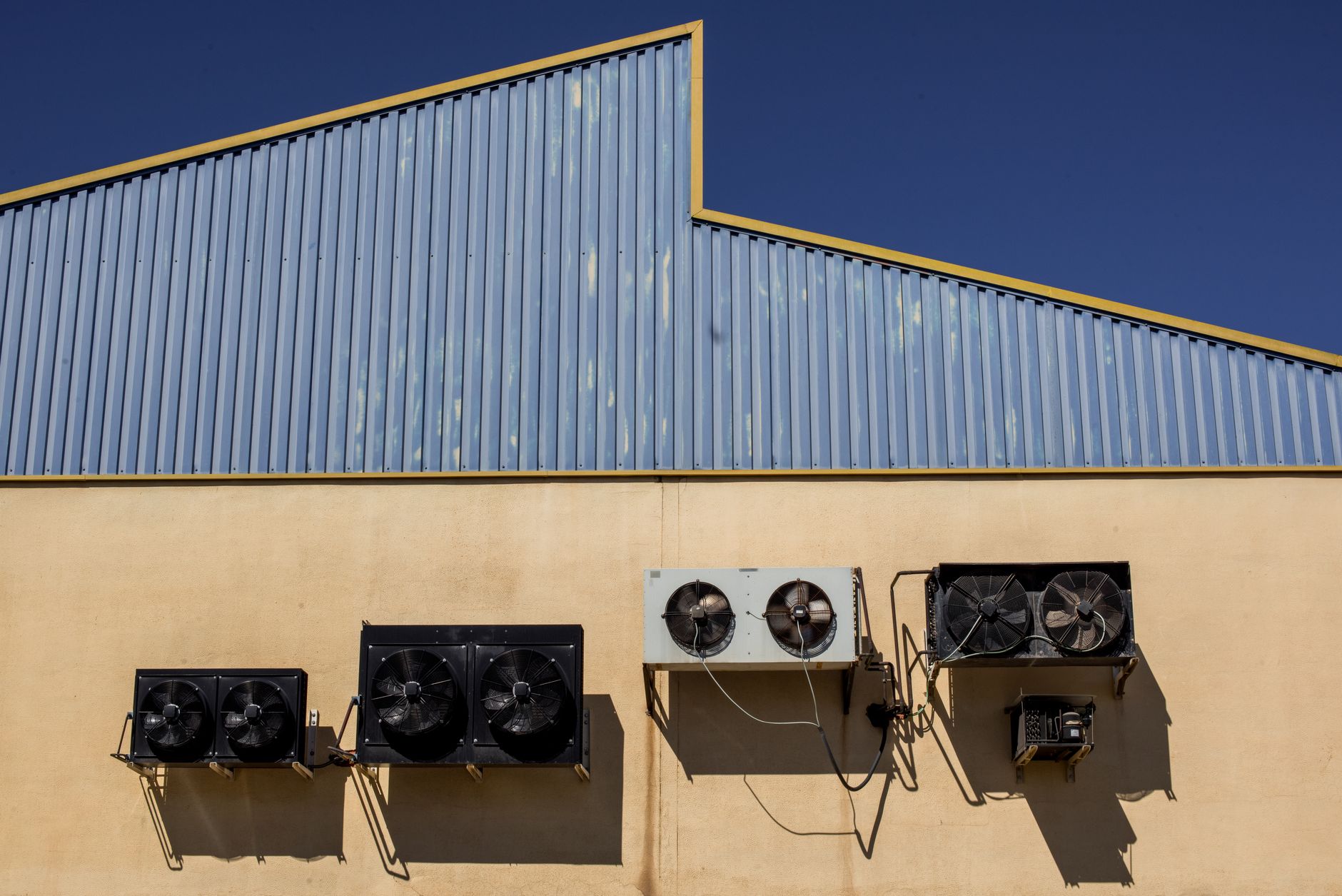
- Soaring electricity bills: Average electricity cost of 115-125 million VND/month for 5 branches, with HVAC accounting for 55-60%.
- Empty meeting rooms still running AC: A 2-week survey showed 35-40% of the time meeting rooms were unoccupied but HVAC was still running at 100% capacity.
- No occupancy data: Operations staff didn't know which rooms were empty to turn off equipment, leading to system waste.
- Customer complaints about temperature: Some areas were too cold due to continuous AC operation, affecting user experience.
Solution deployed by Việt Đức Trí Group
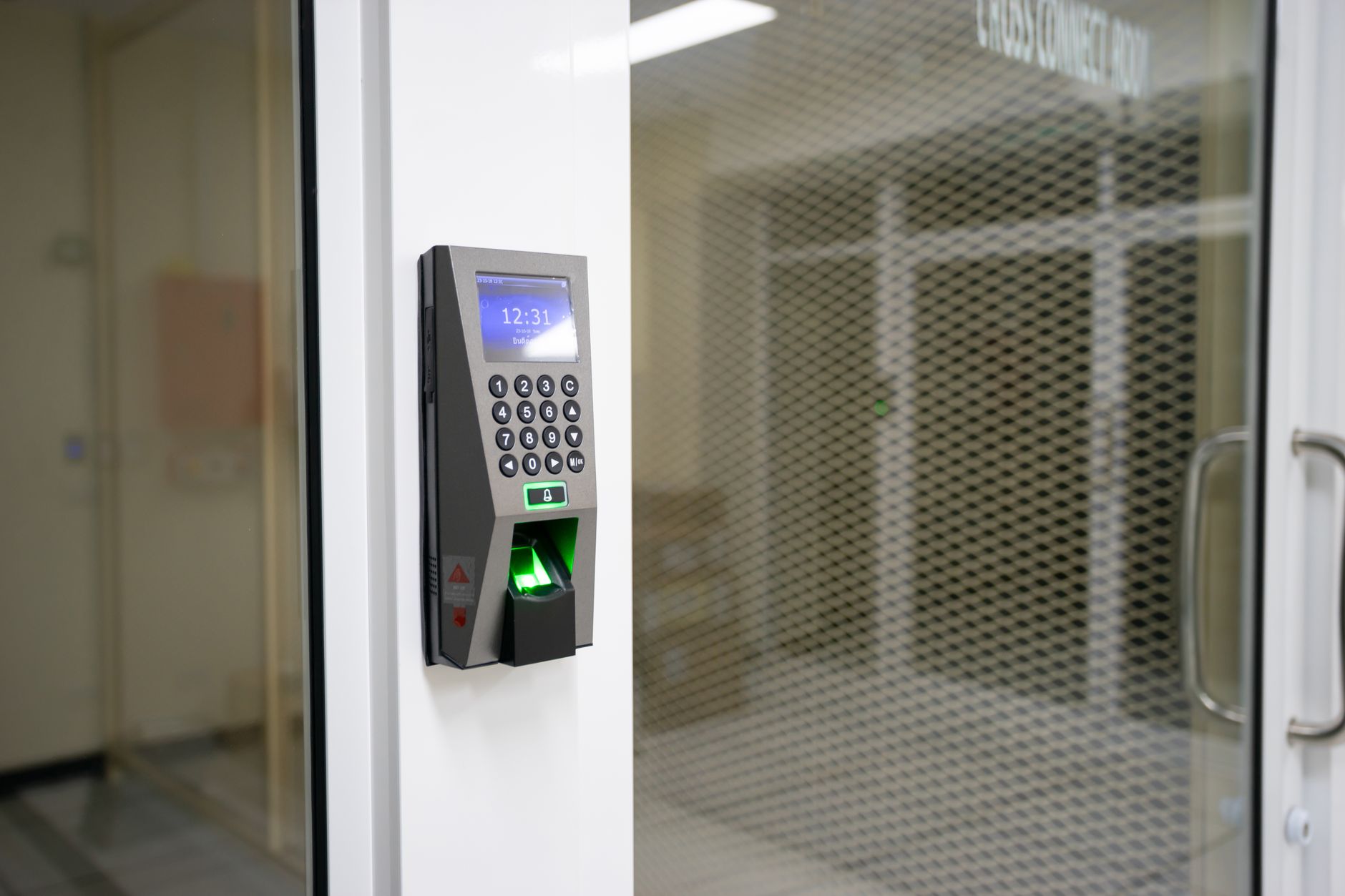
We deployed an occupancy sensor AI system consisting of 120 PIR + mmWave presence sensors connected to a central analytics platform, directly integrated into Work+'s existing HVAC system.
- Survey and current state analysis (2 weeks): Manual occupancy measurement in 45 meeting rooms, 12 common work areas, and 8 lounge areas to establish a baseline.
- Sensor installation (1 week/branch): 120 Aqara FP2 sensors (mmWave 60GHz) on the ceiling of each room, accurately detecting presence with a latency of under 2 seconds. Each sensor connects via Zigbee to a central hub.
- AI analytics configuration: Real-time occupancy analytics platform with 3 modes: (1) Automatically turn off HVAC when a room is empty for >10 minutes; (2) Reduce fan power by 50% when occupancy is <30%; (3) Weekly reports on room usage rates.
- API integration with the booking system: Real-time occupancy data is synced to the Work+ app, allowing customers to know which rooms are available and book immediately.
- Operations training (2 days): Instructed the facility team on the energy management dashboard, how to read reports, and manual intervention when needed.
Achieved results

- 35% reduction in electricity bills: From 120 million VND/month down to 78 million VND/month, saving 42 million VND/month.
- 22% increase in meeting room booking rate: Thanks to real-time availability on the app, customers book rooms faster, reducing the situation of empty rooms going unnoticed.
- ROI of 8.5 months: Total investment cost of 350 million VND (equipment + installation + software) was recovered after 8.5 months thanks to electricity savings.
- 60% reduction in temperature complaints: Area temperatures are automatically adjusted based on the actual number of people.
"Before, we didn't know we were burning money on empty meeting rooms. After 3 months of deploying occupancy sensor AI, our electricity bill dropped by more than a third. More importantly, our customers can now book rooms instantly through the app because they know exactly which rooms are free. This is the smartest investment Work+ made in 2025."
— Mr. Minh Tuan, CEO Work+ Coworking Space

Lessons for other office businesses

From this case study, there are 3 lessons applicable to any office building, shopping mall, or shared workspace.
- Occupancy sensors aren't just for saving electricity: Real-time data also helps optimize cleaning schedules, front desk staffing, and improve customer experience. See more at comprehensive heatmap dwell time people counting camera solution for shopping malls to understand how to expand into retail.
- Choose mmWave sensors over plain PIR: mmWave 60GHz sensors (like Aqara FP2) detect static presence (people sitting still) better than PIR, reducing false triggers. Refer to comparison of people counting cameras and infrared sensors to choose the right technology.
- Integration with the booking system is key: Just saving electricity isn't enough — occupancy data must be used to increase revenue. Work+ increased bookings by 22% thanks to real-time availability. This is a lesson for every anti-ticket fraud and revenue optimization solution.
Frequently asked questions
Do occupancy sensors work accurately in glass-walled meeting rooms?
What is the cost of installing occupancy sensors for a 500m² office?
Can occupancy sensor AI integrate with old HVAC systems?
How to accurately measure ROI before investing in occupancy sensors?
Start with a free 60-minute site survey
Our senior technical team will visit your site, assess the current setup, and propose a bundle matched to your business model and budget.