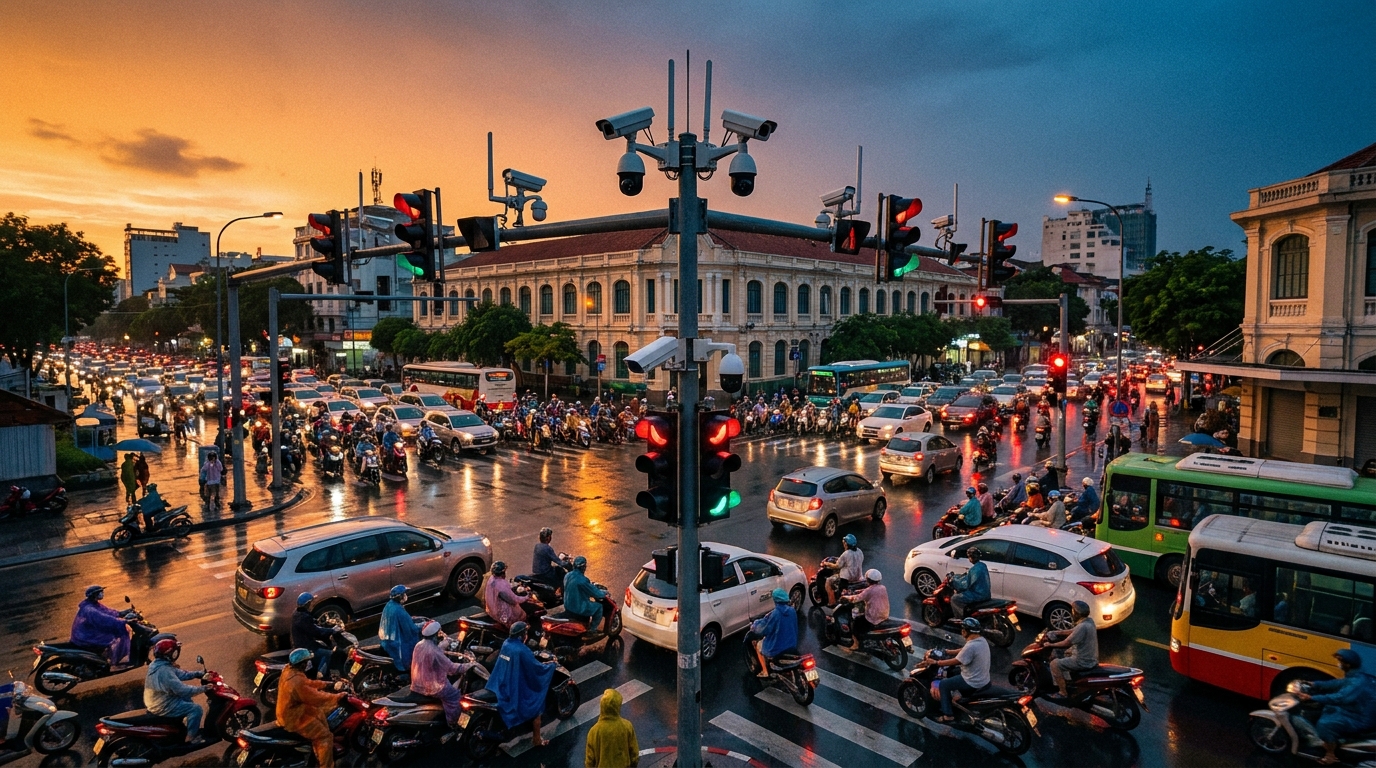
AI vehicle counting cameras are a solution that integrates computer vision into traffic monitoring systems, automatically counting the number of vehicles per lane, classifying vehicle types (cars, motorcycles, trucks), and measuring travel speed in real time. In Ho Chi Minh City, this technology is being tested at key intersections to reduce congestion and optimize traffic light cycles.
Industry: Urban Traffic / Infrastructure Management
Scale: 1 complex intersection (4 directions, 8 lanes) in Binh Thanh District
Location: Hang Xanh Intersection, Ho Chi Minh City
Customer's Problems
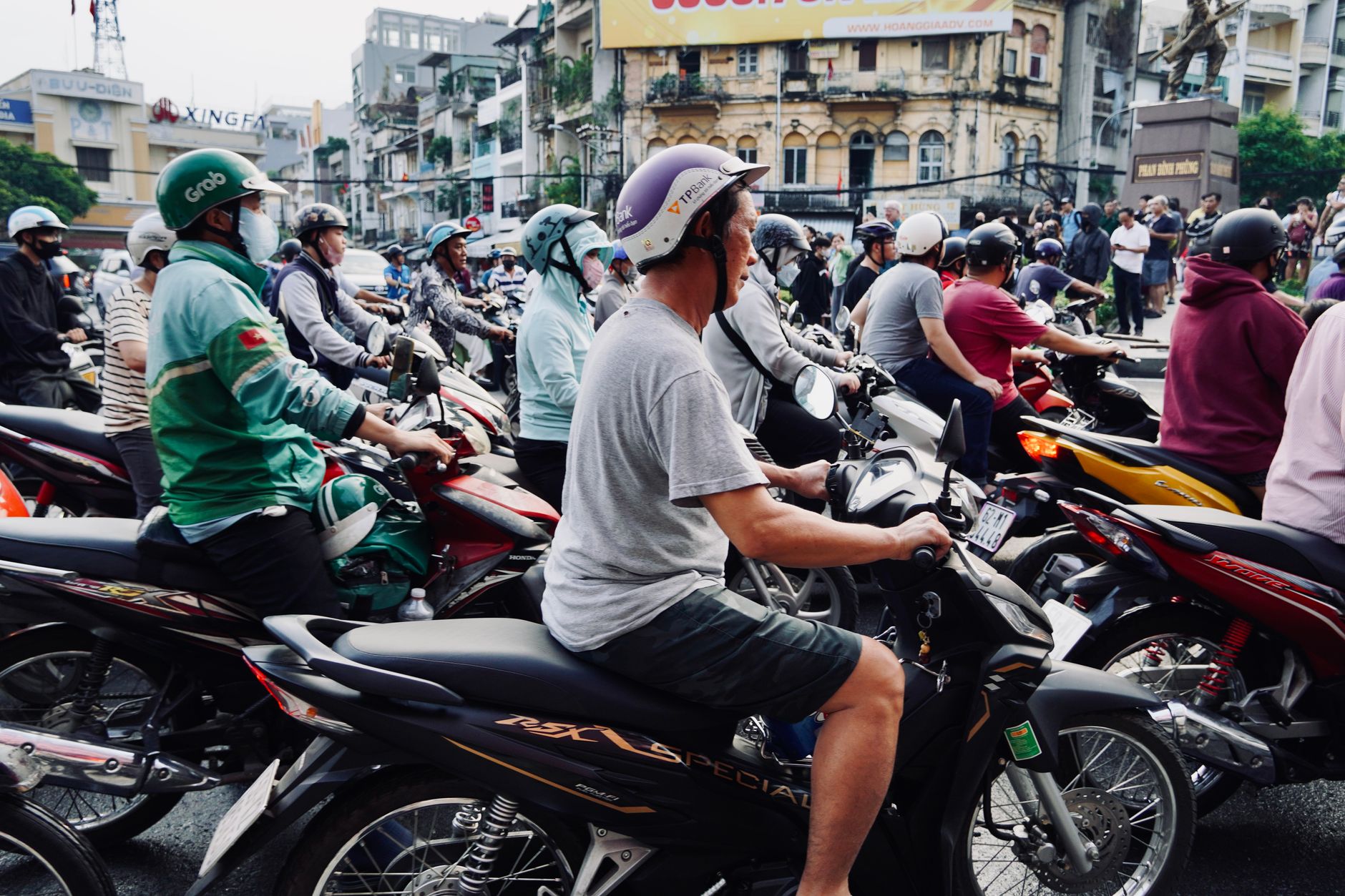
The Hang Xanh intersection is one of the most congested black spots in Ho Chi Minh City, with an average of 45-55 minutes of congestion during morning (7am-9am) and afternoon (5pm-7pm) peak hours. Key issues:
- Lack of real-time data: Dispatchers rely only on conventional surveillance cameras (without AI), unable to know the exact number of vehicles waiting in each lane.
- Fixed traffic light cycles: Green/red lights are set according to fixed time slots, unable to adapt to sudden traffic fluctuations (events, rain, accidents).
- Difficulty in dispatching: When congestion persists, staff must go to the scene for manual traffic control, which is dangerous and inefficient.
- High operating costs: On average, 25-30 man-hours are lost each month for manual dispatching and maintaining the old system.
Solution Deployed by Việt Đức Trí Group
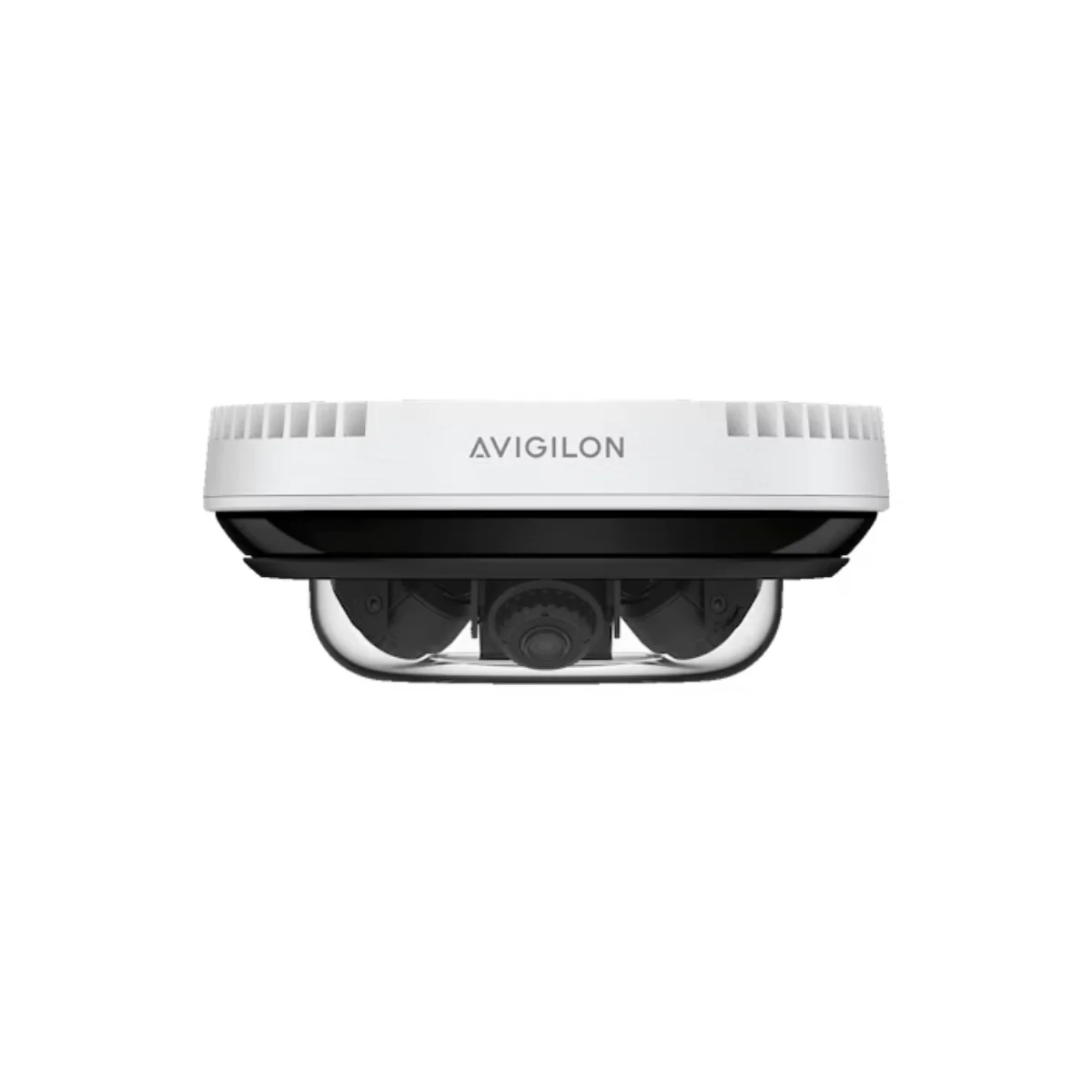
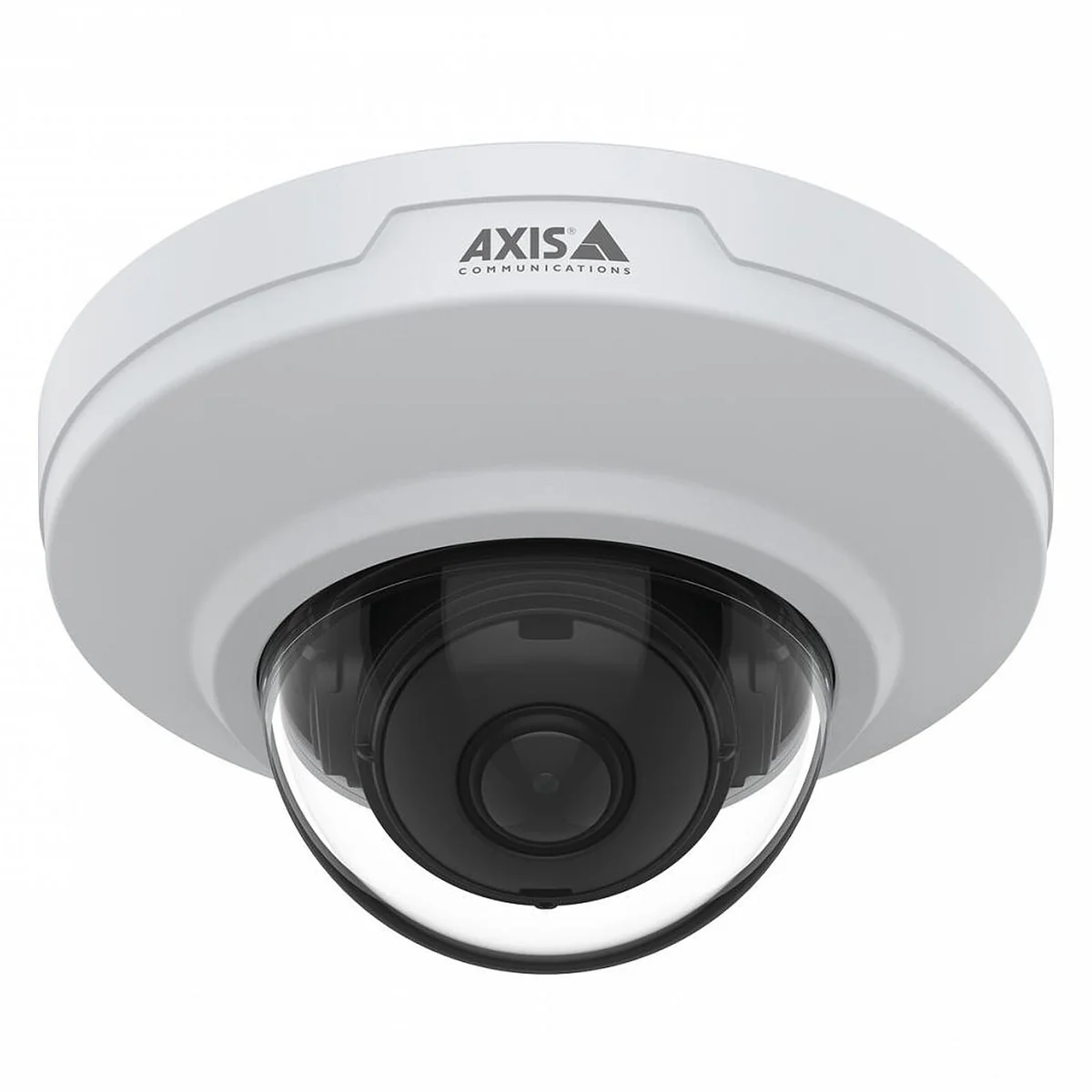

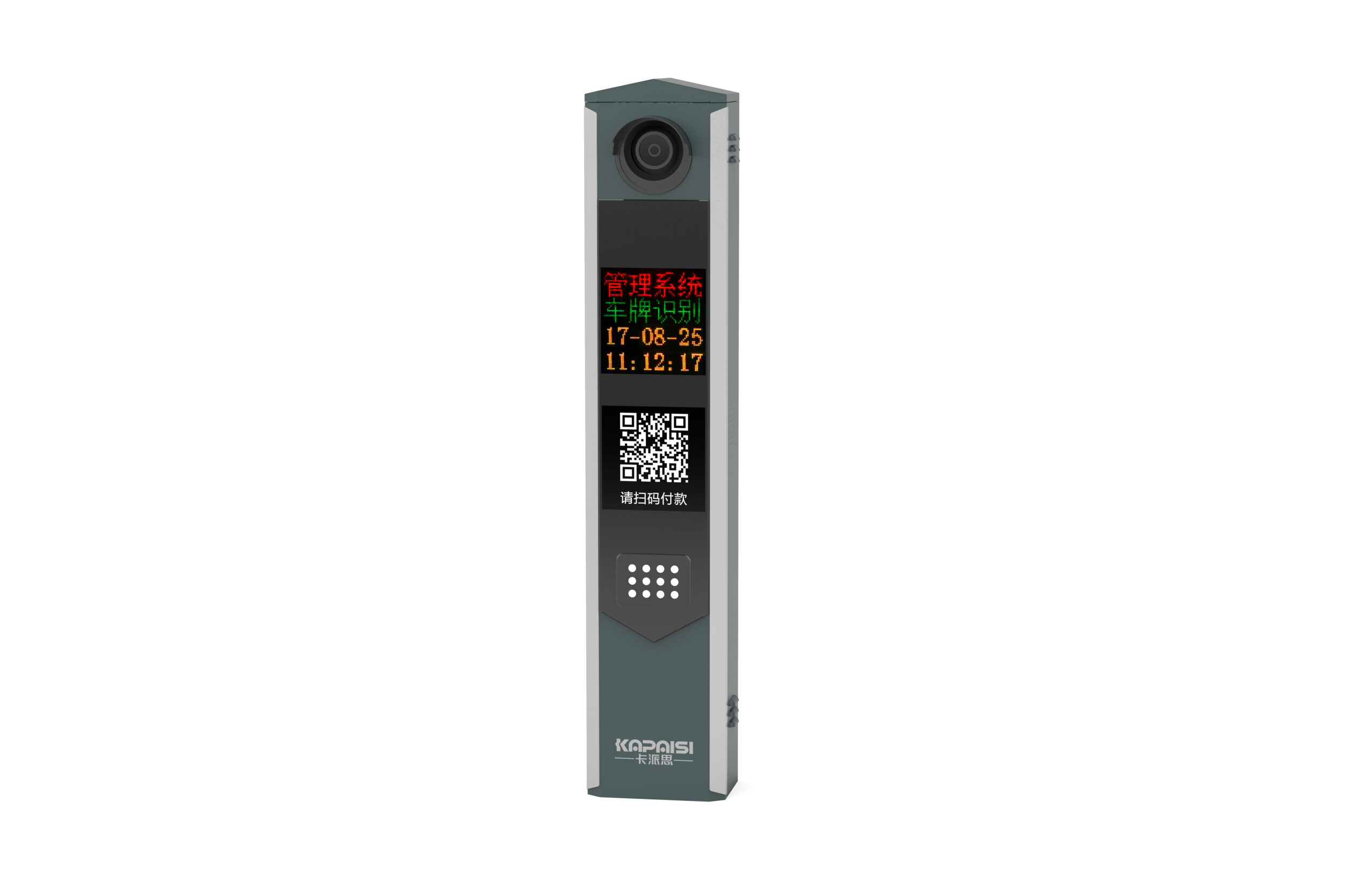

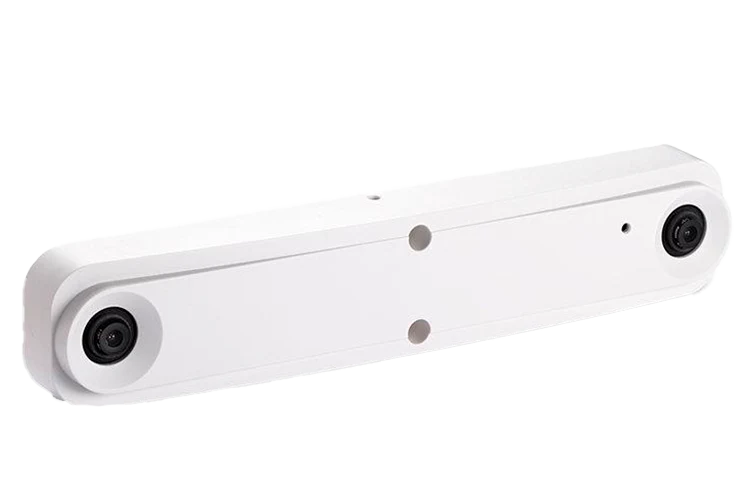
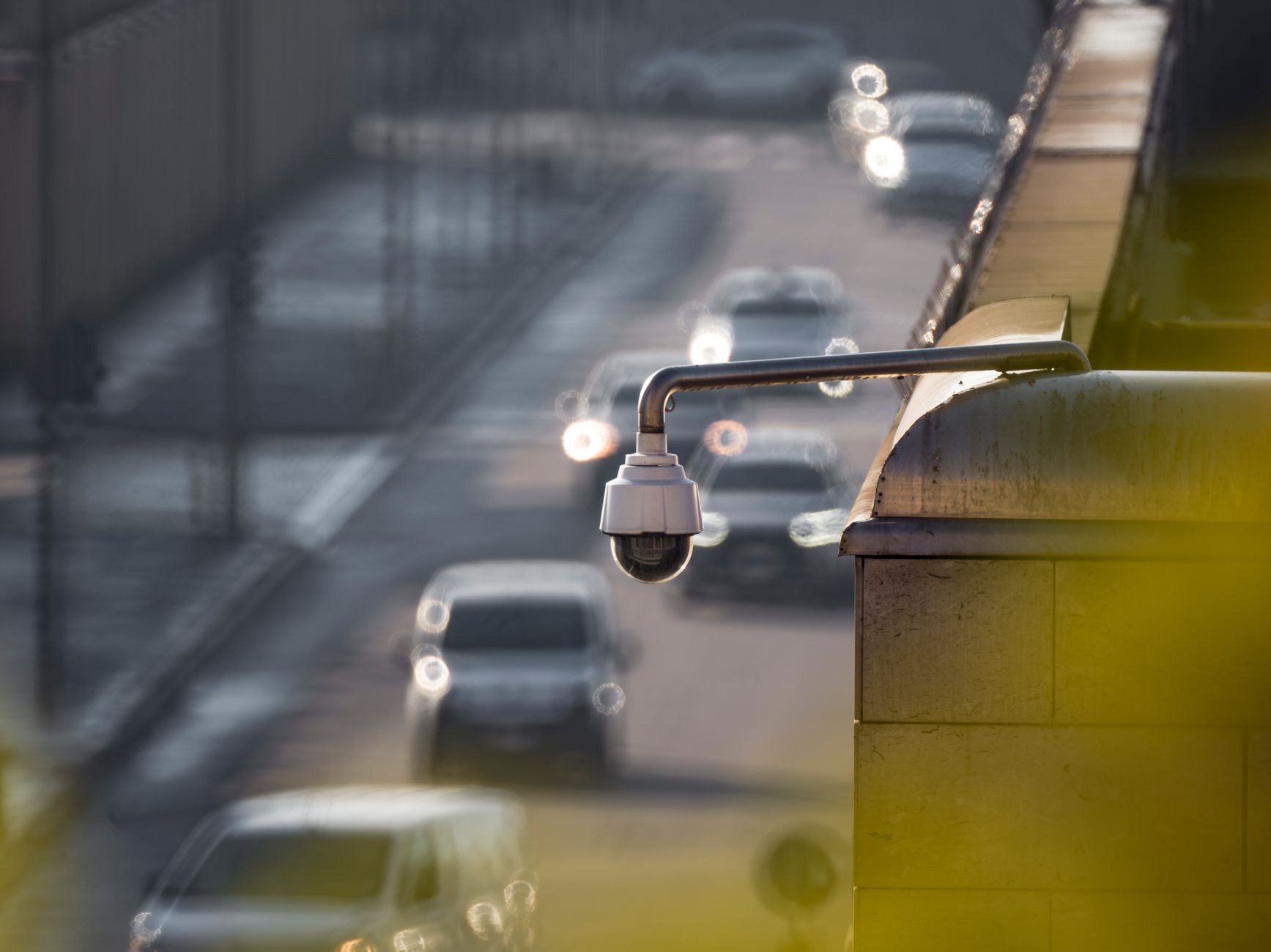
Việt Đức Trí Group deployed an AI vehicle counting camera system with 4 Hikvision AcuSense 8MP cameras (DS-2CD2T46G2-ISU/SL) mounted on 12m high light poles, connected to an AI-integrated NVR and adaptive signal coordination software. The deployment process consists of 5 steps:
- Survey and Installation: Survey the current state of the intersection, determine optimal camera installation positions (4 corners, 1 camera per corner) to cover all 8 lanes. Installation completed in 3 days without disrupting traffic.
- AI Configuration: Train the AI model to recognize 4 vehicle types (motorcycles, cars, trucks, buses) with a target accuracy of 95%. Configure counting lines for each lane.
- Traffic Light Integration: Connect real-time vehicle counting data with the intelligent traffic signal controller (SCATS). The algorithm automatically adjusts green light duration based on the number of waiting vehicles.
- Monitoring Dashboard: Build a visual dashboard displaying hourly traffic volume, congestion rates, and anomaly alerts (accidents, illegal parking).
- Training and Handover: Train 5 operators over 2 days, hand over technical documentation and a 24/7 maintenance plan.
Achieved Results

- 40% reduction in congestion time: Congestion time decreased from 45-55 minutes to 25-30 minutes during peak hours.
- 25% increase in traffic flow: Vehicles passing through the intersection increased from 3,200 vehicles/hour to 4,000 vehicles/hour during peak hours.
- 18% savings in operating costs: Reduced 15-20 man-hours of manual dispatching per month, saving on old system maintenance costs.
- ROI in 6 months: Total investment cost of 180 million VND, payback achieved after 6 months thanks to labor savings and reduced congestion losses.
"Before, every morning I had to monitor regular camera screens, not knowing exactly how many vehicles were waiting. Since having the AI vehicle counting cameras, I can adjust traffic lights remotely, significantly reducing congestion. This is a turning point for urban traffic management."
Lessons Learned and Application for Other Businesses
Related articles
Counting bus passengers with AI: Optimize routes, reduce operating costs & increase ticket revenue in 2026
9 min readCounting metro, subway & ferry passengers with AI cameras: Load management and safety 2026
9 min readStart with a free 60-minute site survey
Our senior technical team will visit your site, assess the current setup, and propose a bundle matched to your business model and budget.