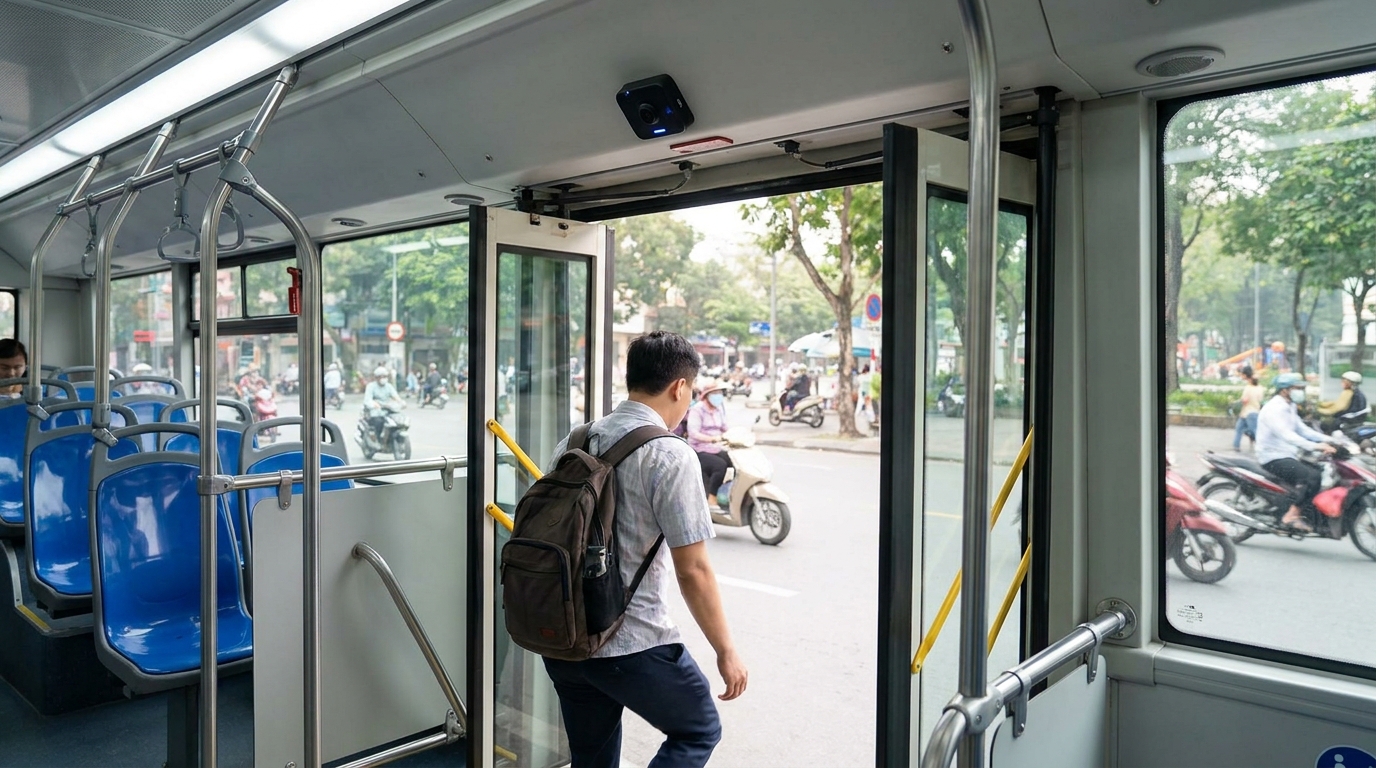
Every day, 12 buses of the Phú Xuân Transport Cooperative (Da Nang) run 6 inner-city routes with over 2,500 passengers. But the management didn't know exactly how many passengers actually boarded and alighted — drivers underreported, ticket fraud was rampant, and schedules were arranged based on intuition. The result: a loss of 1.2 billion VND per year. AI bus passenger counting cameras changed that in just 3 months.
What is an AI bus passenger counting camera?

An AI passenger counting camera is a solution that integrates computer vision into cameras mounted on bus doors, automatically counting the number of people boarding and alighting in real time. Unlike traditional infrared sensors, this technology analyzes shape and movement to achieve 95-98% accuracy.
The system consists of stereo vision (3D) cameras or AI on chip (edge AI), mounted on the ceiling directly above the boarding/alighting doors. Each time a passenger steps through the detection zone, the camera records the direction of movement (in/out) and instantly updates the data on the management dashboard. Data is synchronized via 4G/5G to the central server, enabling remote monitoring of all bus routes.
In Vietnam, this solution is being deployed by transport cooperatives and public bus companies to solve two core problems: controlling ticket fraud and optimizing bus routes based on real data.
The Phú Xuân Cooperative's problem: ticket fraud and blind routes
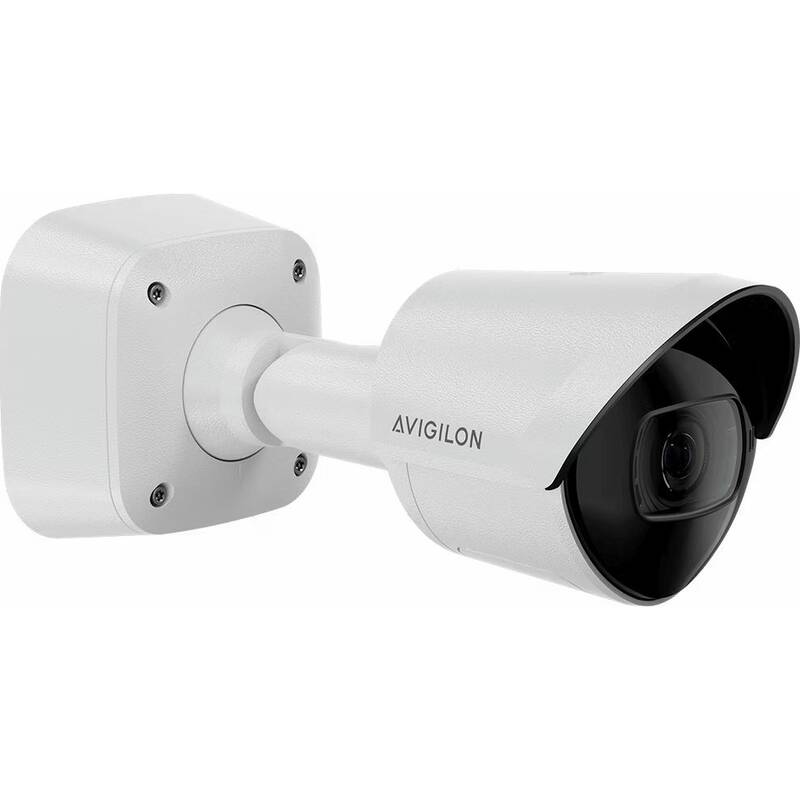
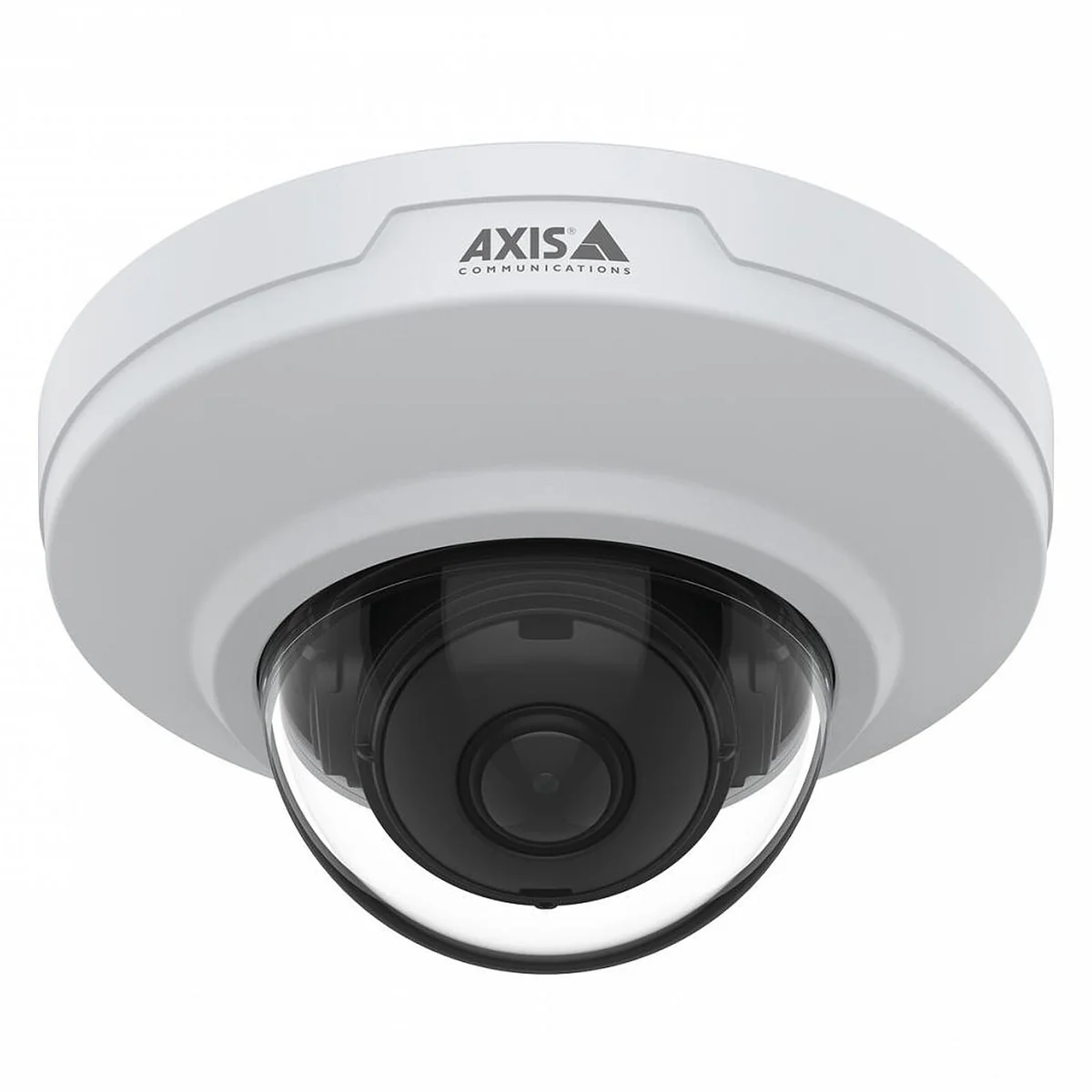
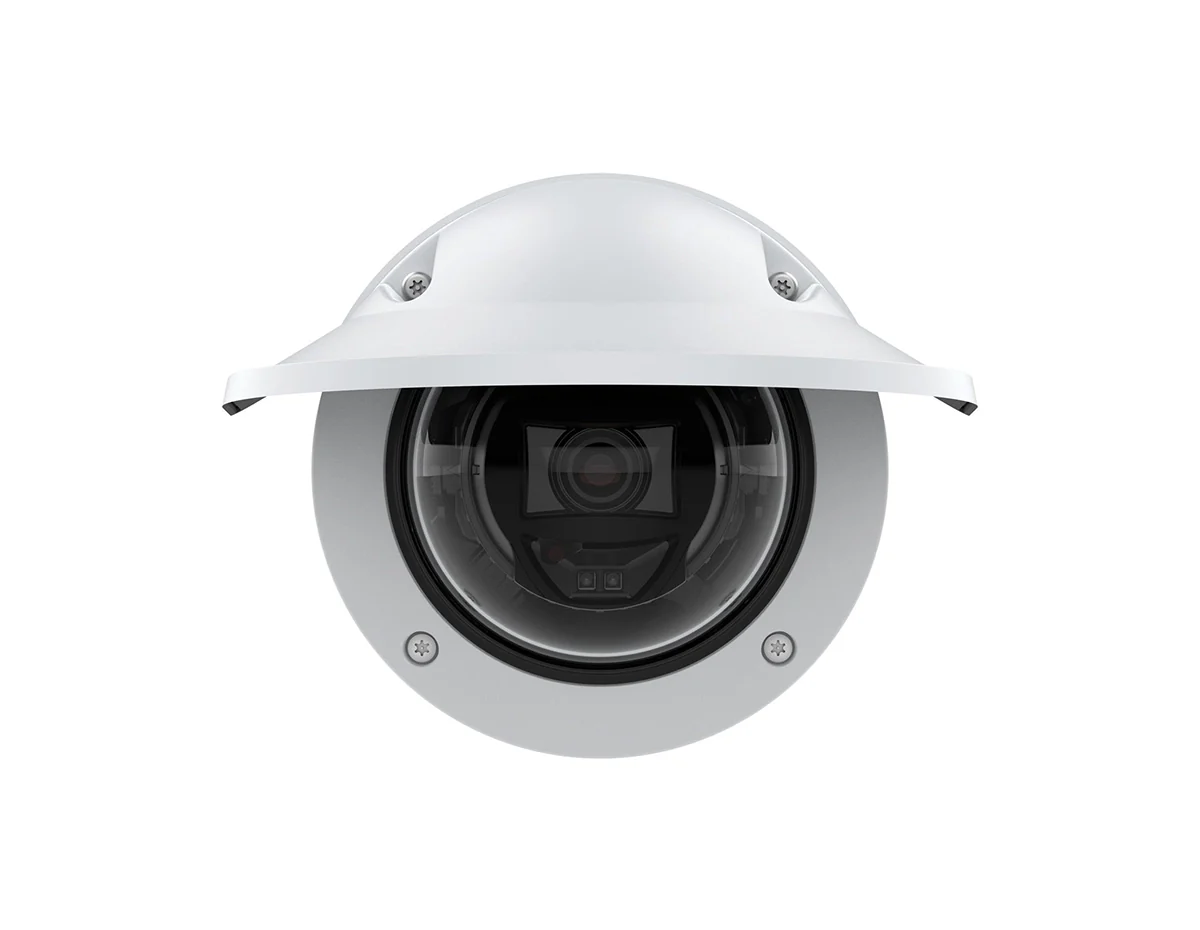


Before adopting AI cameras, the Phú Xuân Cooperative lost approximately 1.2 billion VND per year due to ticket fraud (passengers not buying tickets but drivers not reporting) and inflated fuel costs from suboptimal routes. Operational data was entirely based on manual reports.
The cooperative manages 12 buses operating on 6 inner-city routes in Da Nang. On average, each bus runs 8-10 trips per day. Previously, drivers manually recorded the number of passengers boarding and alighting each trip — figures that were often 20-35% lower than reality due to drivers overlooking or deliberately reducing numbers to pocket ticket money. Additionally, routes were scheduled based on experience, with no objective data on peak hours or busy stops.
- Ticket revenue loss: estimated 700-800 million VND/year from passengers riding without tickets but not reported by drivers.
- Excess fuel costs: 400-500 million VND/year due to buses running routes not aligned with peak hours or on empty routes.
- No data for adjustments: all scheduling decisions were based on intuition, with no real figures.
Solution: Installing AI passenger counting cameras on 12 buses

Việt Đức Trí Group deployed Xovis PC3 AI cameras (3D stereo vision sensors) for all 12 buses of the Phú Xuân Cooperative. The system includes ceiling-mounted cameras, an edge AI processor, and a centralized cloud-based management dashboard.
Each bus was equipped with 2 Xovis PC3 cameras — one mounted at the front door (boarding), one at the middle door (alighting). The cameras operate independently of the ticketing system, only recording the number of people passing through the detection zone. Data is processed on the edge AI chip, then sent to the central server via a 4G connection. The dashboard allows management to view real-time passenger counts on each bus, each route, and cross-reference them with ticket revenue.
The deployment process took 2 weeks, including surveying installation locations, securing cameras to the bus ceiling, configuring software, and training drivers. The initial investment cost was approximately 180 million VND for 12 buses (including cameras, installation, and a 1-year software license).
Results after 3 months: reduced ticket fraud, optimized routes