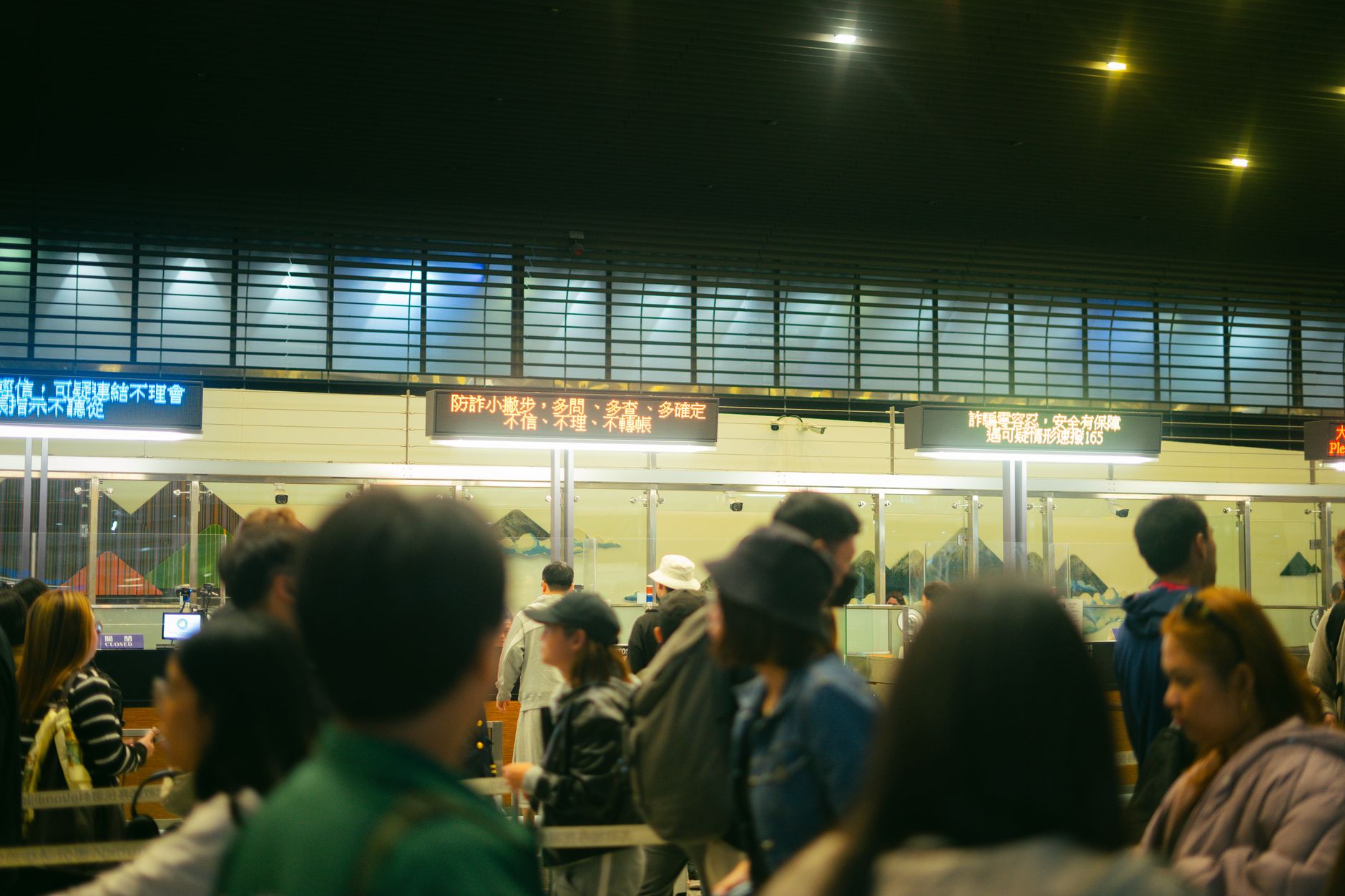
AI passenger counting cameras are a solution that integrates computer vision into surveillance camera systems, automatically counting the number of people entering and leaving airport areas in real time. In Vietnam, this technology is being deployed at international terminals to optimize passenger flow and reduce congestion.
Customer challenges
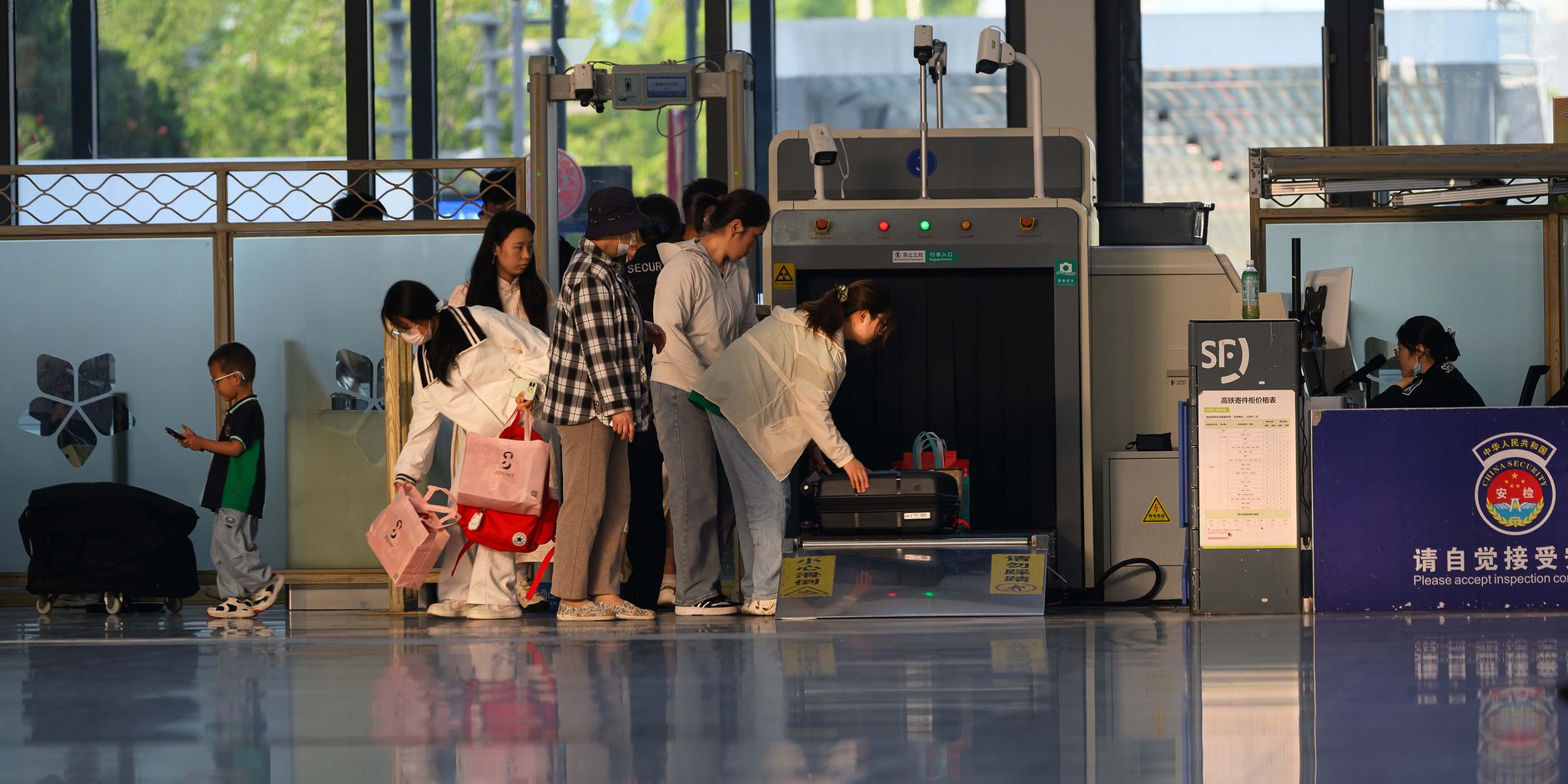
Before deploying AI cameras, the airport faced prolonged congestion in the check-in and security areas, especially during peak hours. Passengers had to wait 25-40 minutes for procedures, impacting the experience and on-time flight rates.
- Average wait time at check-in areas reached 35-50 minutes during peak hours, exceeding the international aviation standard of 20 minutes.
- No real-time data on the number of passengers in each area, making staff allocation and opening additional counters dependent on manual observation.
- Passenger satisfaction scores (CSAT) dropped 15% over 6 months, mainly due to wait times and a perceived lack of control.
- Labor costs increased due to the need for additional rush-hour staff, yet congestion was not fully resolved.
Solution deployed by Việt Đức Trí Group
Việt Đức Trí Group proposed a solution integrating AI people counting cameras in 3 key areas: check-in, security, and boarding gates. The system uses Xovis PC3 cameras (3D stereo vision) combined with passenger flow analytics software to collect real-time data.
- Survey and installation: The technical team conducted on-site surveys in 3 main areas, installing 12 Xovis PC3 cameras on the ceiling with a wide-angle view covering all walkways.
- Connection and integration: Cameras connect via the existing LAN network, data is synced to a centralized management dashboard, displaying real-time passenger counts and wait time forecasts.
- Alert setup: Alert thresholds are configured when passenger numbers exceed 80% of area capacity, automatically sending notifications to the operations center.
- Training and operation: 5 operations staff were trained on the system over 2 days, including how to read data and make coordination decisions.
Results achieved
After 3 months of deployment, the airport recorded a 40% reduction in average wait times at check-in and security areas. Passenger satisfaction scores increased by 25%, while shift staffing was optimized by 30% thanks to accurate predictive data.
- 40% reduction in average wait time: From 35-50 minutes down to 15-25 minutes during peak hours.
- 25% increase in passenger satisfaction scores (CSAT): Post-deployment surveys showed 85% of passengers were satisfied with the check-in experience.
- 30% optimization of shift staffing: Thanks to real-time predictive data, the airport reduced 15 rush-hour staff, saving 1.2 billion VND per year.
- ROI achieved in 18 months: Total investment cost of 1.8 billion VND was recovered within 18 months through labor savings and increased revenue from ancillary services.
"We had tried many airport queue management solutions before, but only the AI passenger flow system from Việt Đức Trí Group thoroughly solved the problem. Real-time data allows us to proactively coordinate, no longer reacting passively as before. We are planning to expand to the domestic terminal."
Lessons learned and application for other businesses
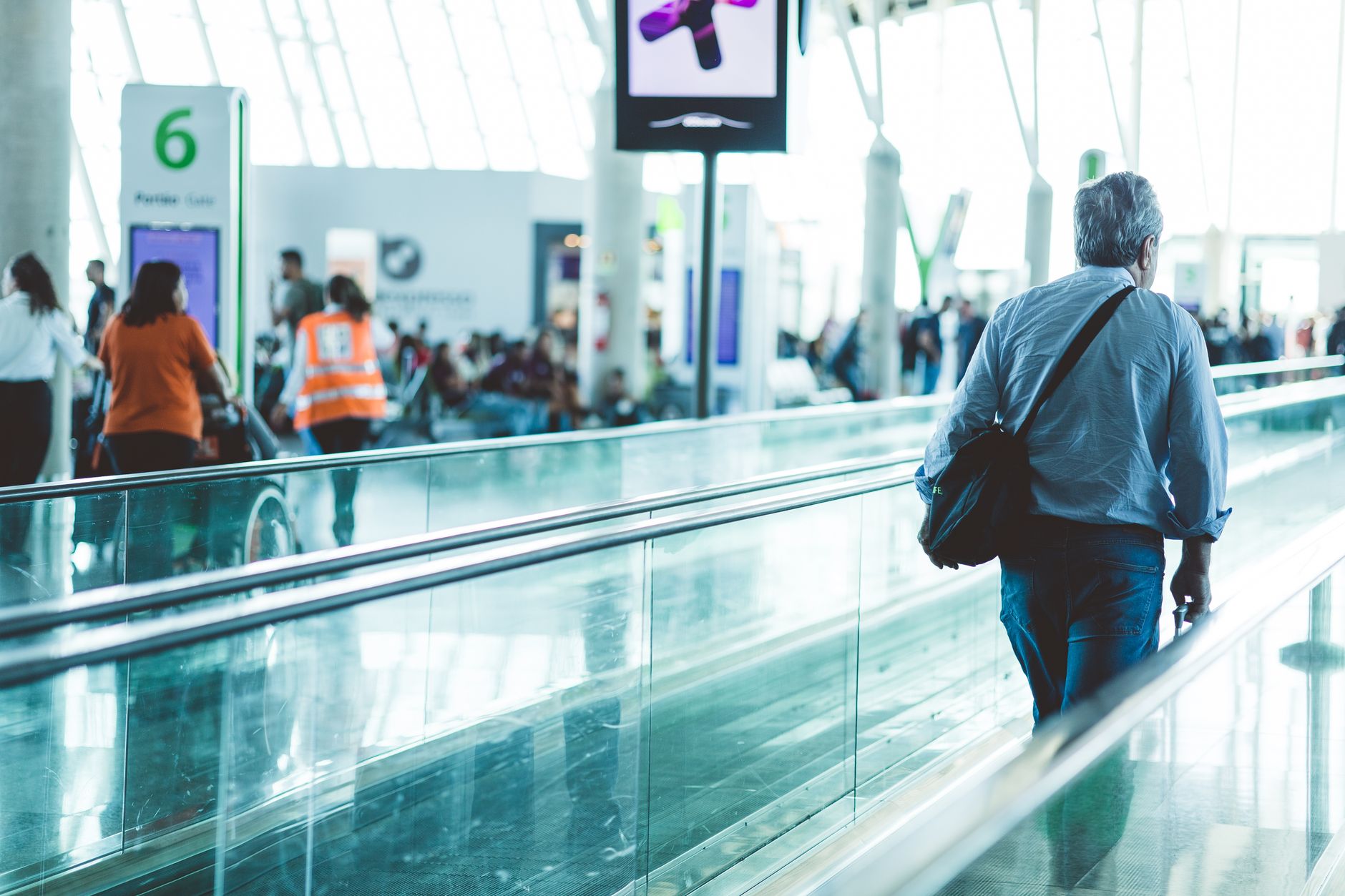
This case study shows that airport people counting cameras not only help reduce congestion but also bring clear economic benefits. Businesses in retail, hospitals, and factories can apply a similar model to optimize customer flow and staffing. See more Comparison of AI cameras and infrared sensors for canteen queue management to understand the pros and cons of each technology.
Three main lessons: (1) Investing in real-time data helps businesses be proactive rather than reactive; (2) Integrating AI cameras with existing management systems reduces deployment costs; (3) Training operations staff is a key factor in achieving ROI. Refer to Case study: Reducing canteen wait times by 40% with AI people counting cameras to see a similar application in a different environment.
Frequently asked questions
Below are common questions about AI passenger counting camera solutions at airports, based on real deployment experience.
How accurate are AI passenger counting cameras?
3D stereo vision cameras like the Xovis PC3 achieve 95-98% accuracy under standard airport lighting conditions. The system can distinguish adults, children, and carry-on luggage, minimizing errors from double counting or missed counts.
What is the cost of deploying AI cameras for an airport?
Cost depends on scale and number of cameras. For a medium-sized airport (15,000 m²), the total investment is approximately 1.5-2.5 billion VND, including hardware, software, and installation. ROI is typically achieved within 12-24 months through labor savings and increased revenue.
Can the system integrate with existing airport management systems?
Yes. Việt Đức Trí Group's solution supports integration with common airport management systems via API, including check-in, security, and flight information systems. This integration enables real-time passenger flow data synchronization.
What is the average deployment time for an airport?
Average deployment time is 2-4 weeks, including survey, installation, software configuration, and staff training. Saigon International Airport (hypothetical) completed it in 3 weeks due to existing network infrastructure.
Is this solution suitable for small domestic airports?
Absolutely. Việt Đức Trí Group offers flexible solution packages for small domestic airports, with costs ranging from 300-800 million VND, focusing on 1-2 key areas like check-in and security. See more 5 steps to deploy AI people counting cameras in school canteens for a similar process reference.
Want to deploy a similar airport queue management solution? Contact Việt Đức Trí Group now via hotline 0935 295 337 or email [email protected] for a free consultation and demo.