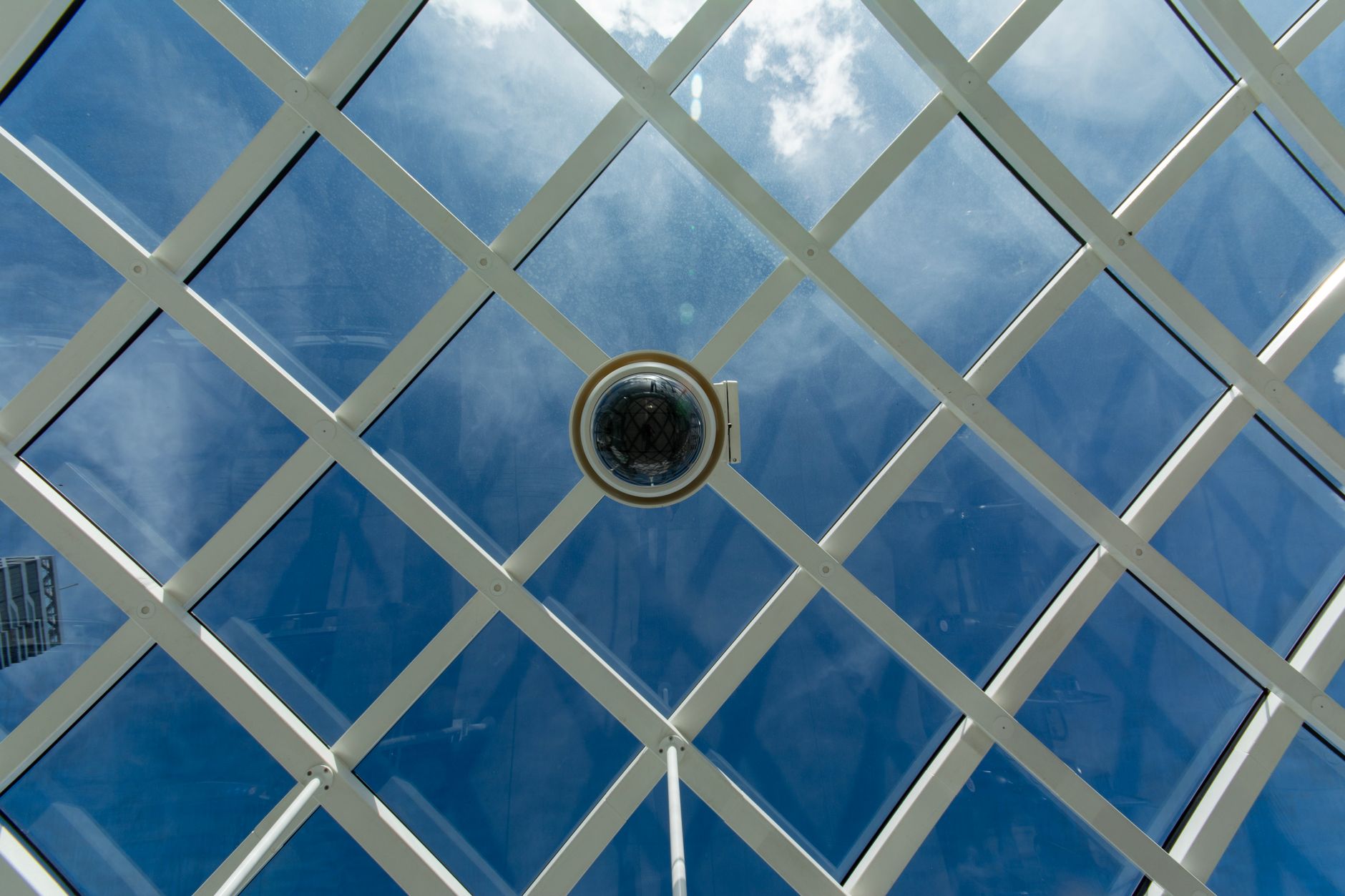
AI fall detection cameras are a solution that integrates computer vision into surveillance camera systems, automatically detecting abnormal fall postures in real time. In Vietnam, this technology is being deployed in nursing homes to shorten emergency response times and reduce operational costs. The case study below describes the journey of a 50-bed nursing home in Ho Chi Minh City.
Customer's Challenges
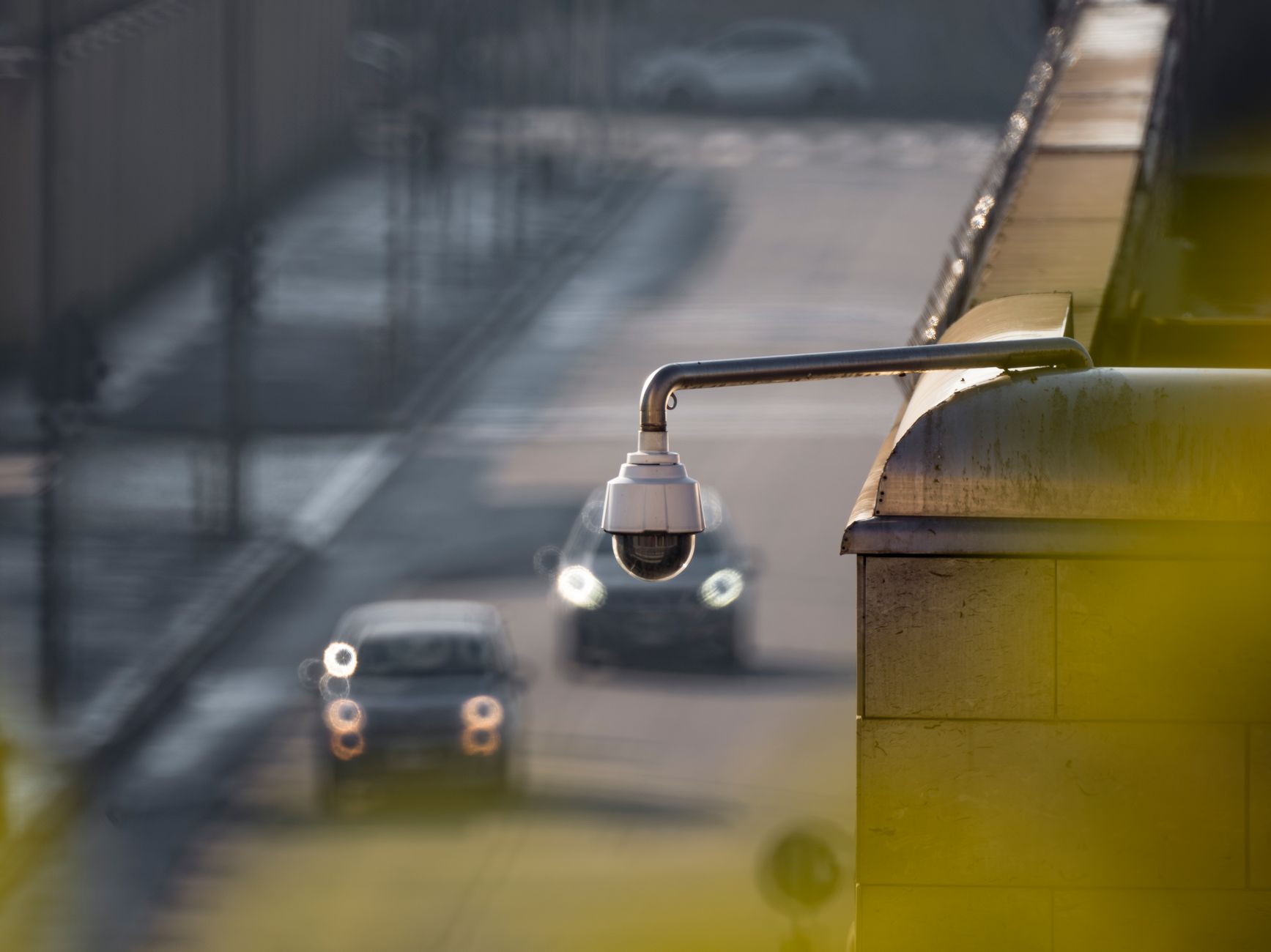
- Slow fall detection: Cameras typically only recorded footage; staff had to review recordings – taking an average of 15-25 minutes per fall. Some falls occurred at night, detected only after 45 minutes.
- High insurance costs: With 3-5 falls per month, medical liability insurance premiums increased by 30% each year.
- Staff pressure: 12 staff members had to work 24/7 shifts, exhausted by night duty, with a 25% annual turnover rate.
- Family concerns: Relatives frequently called to check in, disrupting care work.
Solution Deployed by Việt Đức Trí Group
The technical team conducted an on-site survey and proposed an AI fall detection camera solution integrated into the existing surveillance system. The deployment process consisted of 4 steps:
- Survey and risk assessment: Identified 8 high-risk areas (bedrooms, bathrooms, hallways, dining areas).
- Install AI cameras: Used 12 4MP AI cameras (similar to the Hikvision DS-2CD2T46G2-ISU/SL AcuSense series) with infrared sensors, installed in blind spots.
- Configure fall detection: Set fall detection thresholds (tilt angle > 60°, immobility time > 5 seconds).
- Integrate alerts: Connected to the announcement speaker system and a mobile app for on-duty staff.
Achieved Results
- 70% reduction in fall response time (from 15 minutes to under 30 seconds)
- 40% reduction in medical liability insurance costs (due to fewer severe fall incidents)
- 25% increase in family satisfaction (according to an internal survey after 6 months)
- 30% reduction in staff pressure (staff no longer need continuous night shifts)
"Since we got the AI cameras, we know immediately when an elderly person falls. Once, Mr. Sau fell at 2 AM, and the alert reached my phone within 20 seconds. Before, we wouldn't have known until morning. This technology truly saves lives."
— Ms. Nguyen Thi Lan, Nursing Manager, Sen Hong Nursing Home
Lessons Learned and Application for Other Businesses
This case study shows that AI cameras are not just surveillance tools but also operational optimization solutions. Other nursing homes can apply the following lessons:
- Choose high-sensitivity cameras: Prioritize models with infrared sensors and onboard AI to reduce false alarms (below 5%).
- Integrate with care processes: Alerts must reach the right person at the right time – not just send a general notification.
- Train staff: Guide them on rapid response upon receiving alerts, combined with physical checks.
- Measure ROI: Track the number of falls, response time, and insurance costs to evaluate investment effectiveness.
To learn more about similar solutions, you can refer to the article AI Cameras for Hospital People Counting: Reduce Waiting Time by 40% in 2026 or AI Queue Management Solution for Hospitals: Integrating People Counting Cameras.
Frequently Asked Questions
Do AI fall detection cameras work in the dark?
What is the cost of deploying AI fall detection cameras for a nursing home?
Can AI cameras mistakenly identify other actions (bending down, lying down) as falls?
How is the privacy of the elderly ensured when installing cameras?
Can AI fall detection cameras integrate with existing alarm systems?
Want to deploy an AI fall detection camera solution for your nursing home? Contact us now at 0935 295 337 for a free consultation and survey. Việt Đức Trí Group – B2B solutions for Vietnamese businesses.