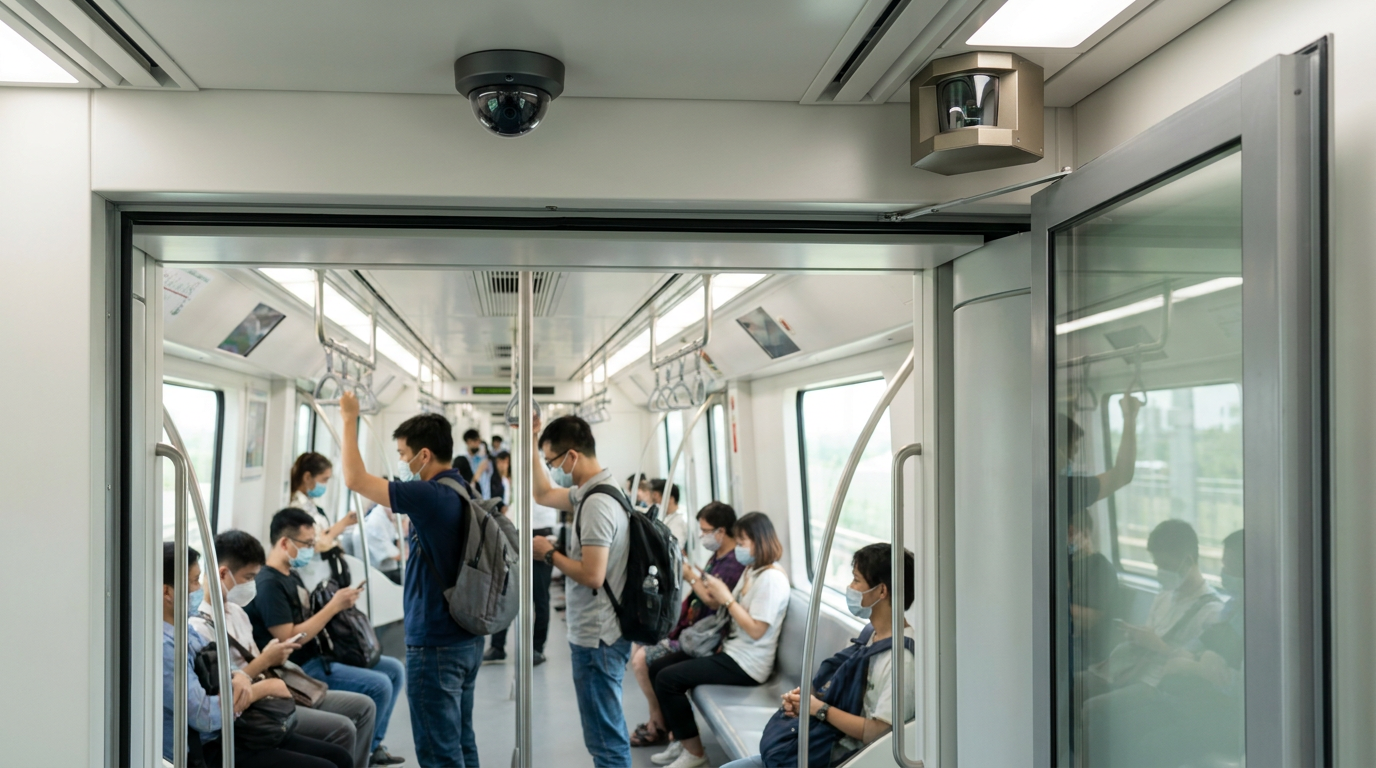
According to the UITP 2025 report, Asia-Pacific metro systems are investing an average of 2.8 million USD per line in passenger counting technology to optimize schedules and safety. In Vietnam, with the operation of Ho Chi Minh City Metro Line 1 and upcoming lines, the need to choose the right passenger counting technology has become urgent.
What is metro passenger counting technology?
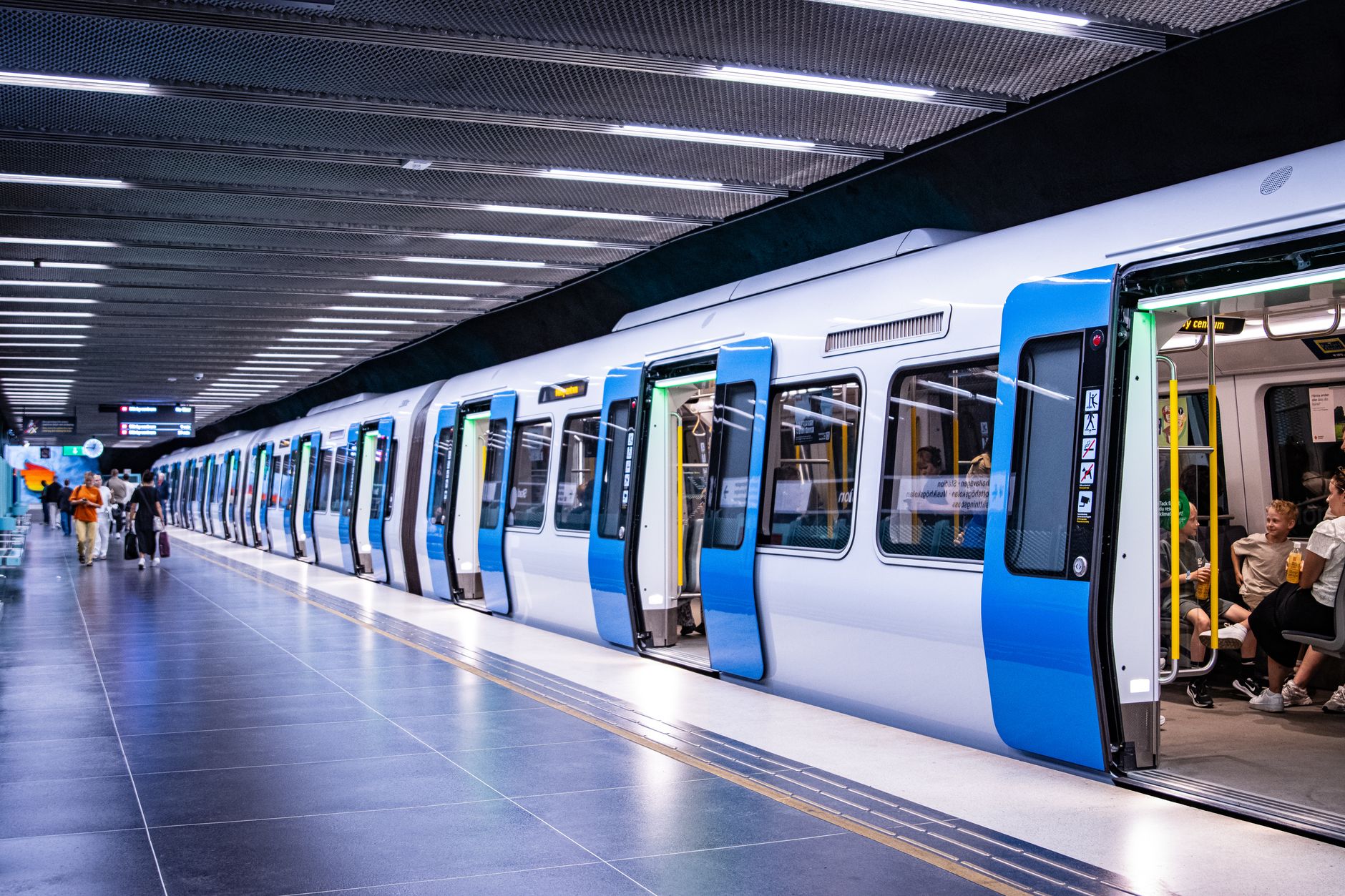
Metro passenger counting technology is a collection of devices and software solutions that automatically measure the number of passengers entering/exiting train cars, station gates, or waiting areas. The goal is to provide realtime occupancy data to coordinate train frequency, issue overload warnings, and support flexible ticketing.
Unlike footfall counters in supermarkets that require shopping behavior analysis, metro passenger counting technology focuses on high accuracy in crowded environments, changing light conditions, and fast movement speeds. In Vietnam, solutions such as AI cameras vs. infrared sensors have been tested on buses and are gradually expanding to metro systems.
1. Infrared sensor (IR sensor) – Low-cost metro passenger counting solution
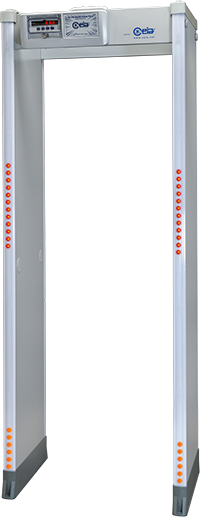

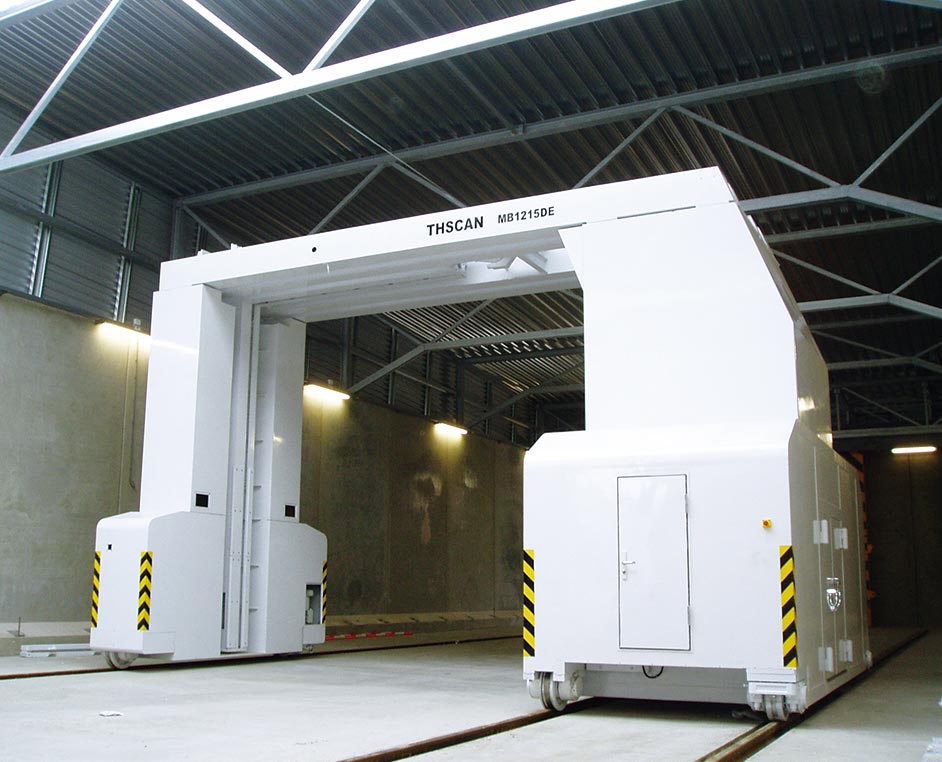
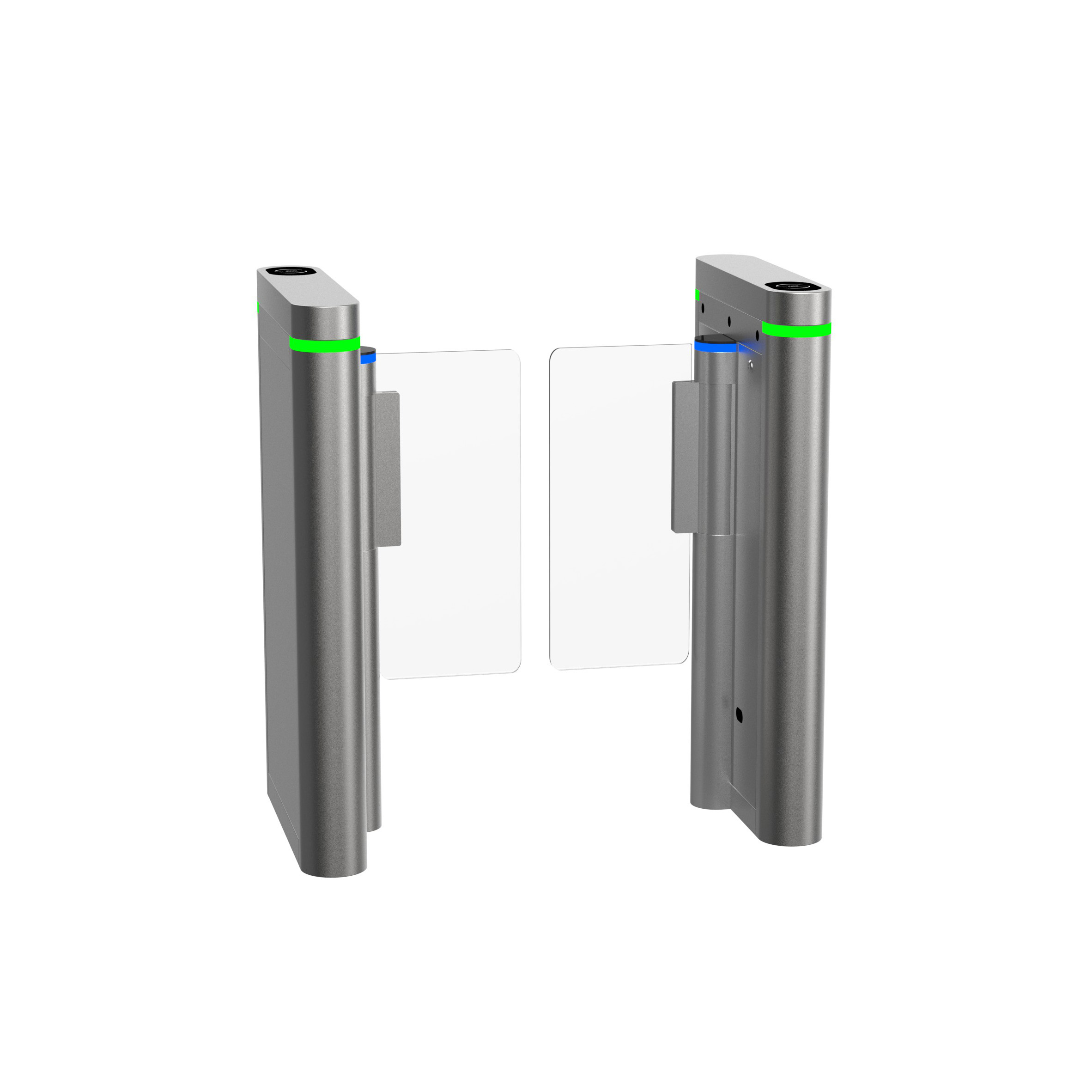
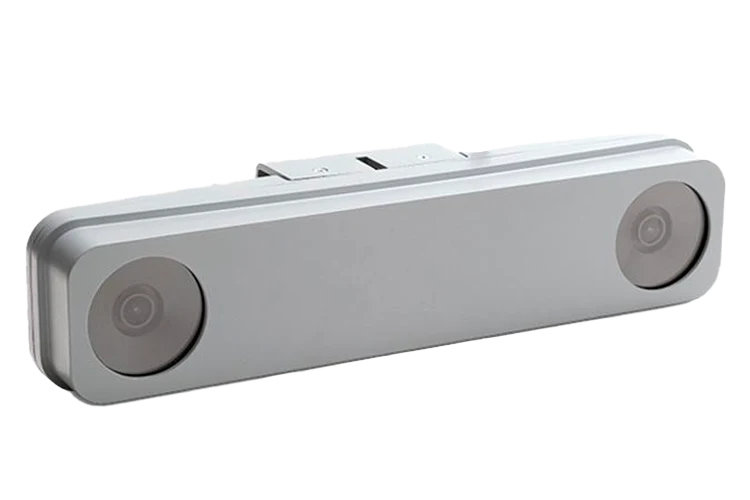
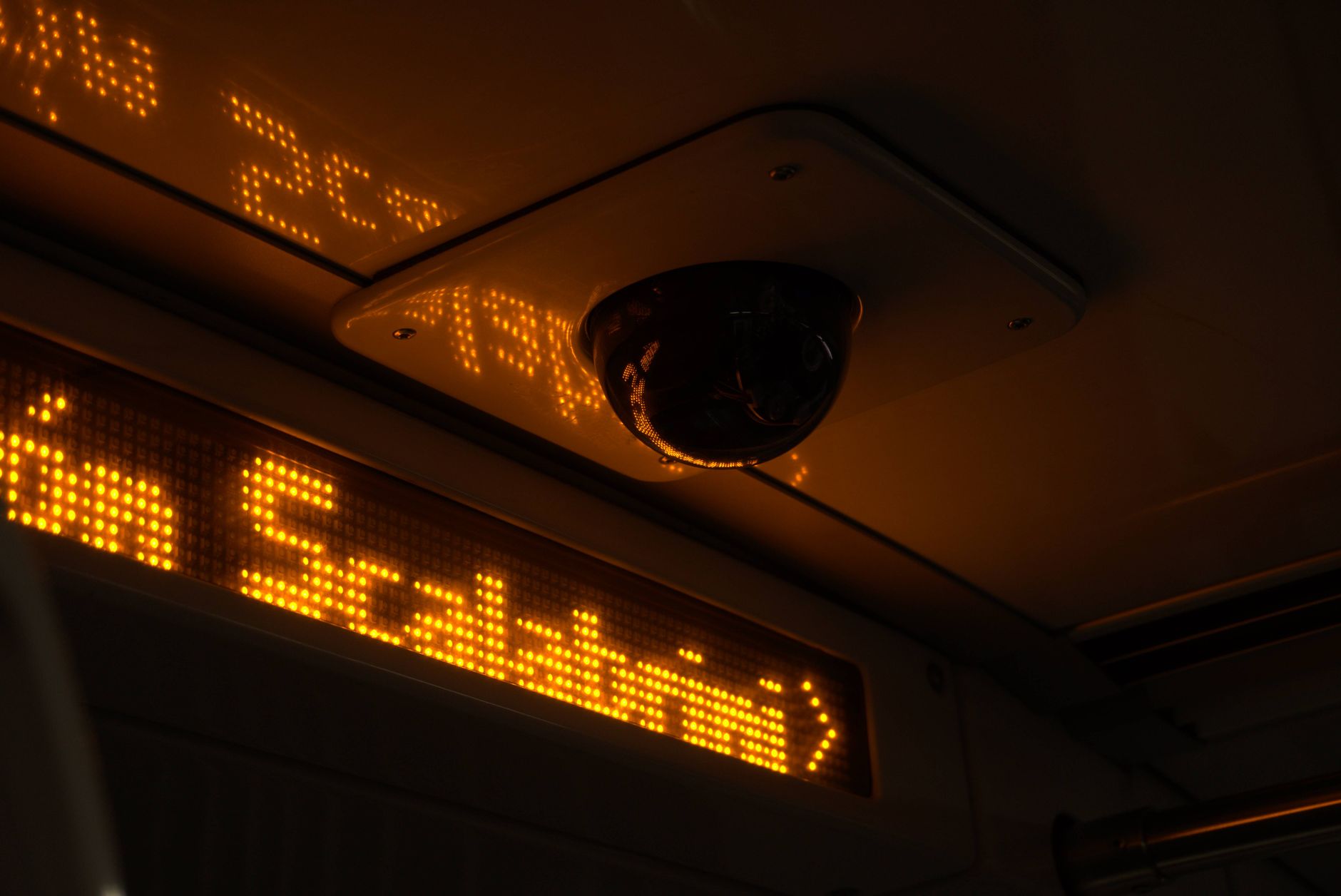
Infrared sensors operate by emitting infrared rays (typically at 940nm wavelength) and measuring the response time when an object passes through. This is the oldest metro passenger counting technology, with low cost but limited accuracy.
- Accuracy: 75-85% under ideal conditions (single passengers, no backpacks/obstructions).
- Installation cost: 15-30 million VND per train car, the cheapest among the 5 technologies.
- Limitations: Easily interfered with by direct sunlight, cannot distinguish between people and luggage/cargo carts, cannot count in crowded conditions (more than 3 people at once).
Suitable for elevated metro lines with few peak hours or small ferry routes – where budgets are limited and real-time occupancy data is not required.
2. AI camera with computer vision – The most accurate metro passenger counting technology
AI cameras use deep learning algorithms (typically YOLOv8 or EfficientDet) to recognize passengers' heads and shoulders, counting accurately even in crowded conditions. This is the dominant trend in new Asian metro lines such as Singapore, Kuala Lumpur, and Ho Chi Minh City Metro Line 1.
- Accuracy: 95-99% in all conditions (crowded, low light, passengers with backpacks).
- Outstanding features: Zone counting analysis, anomaly detection (fallen passengers, exceeding load capacity), integration with ticketing and dispatching systems.
- Cost: 80-200 million VND per train car (including camera, AI NVR, and management software).
Compared to the operating principle of AI cameras for bus passenger counting, metro cameras require higher-speed image processing (30-60 fps) and better vibration resistance due to train movement.
3. LiDAR (Light Detection and Ranging) – Accurate 3D metro passenger counting technology
LiDAR emits thousands of laser beams per second, creating a 3D map of the space and accurately counting the number of people based on volumetric shapes. This technology is often used in driverless metros due to its ability to operate in complete darkness.
- Accuracy: 97-99% – unaffected by light, clothing, or skin color.
- Cost: 150-400 million VND per train car