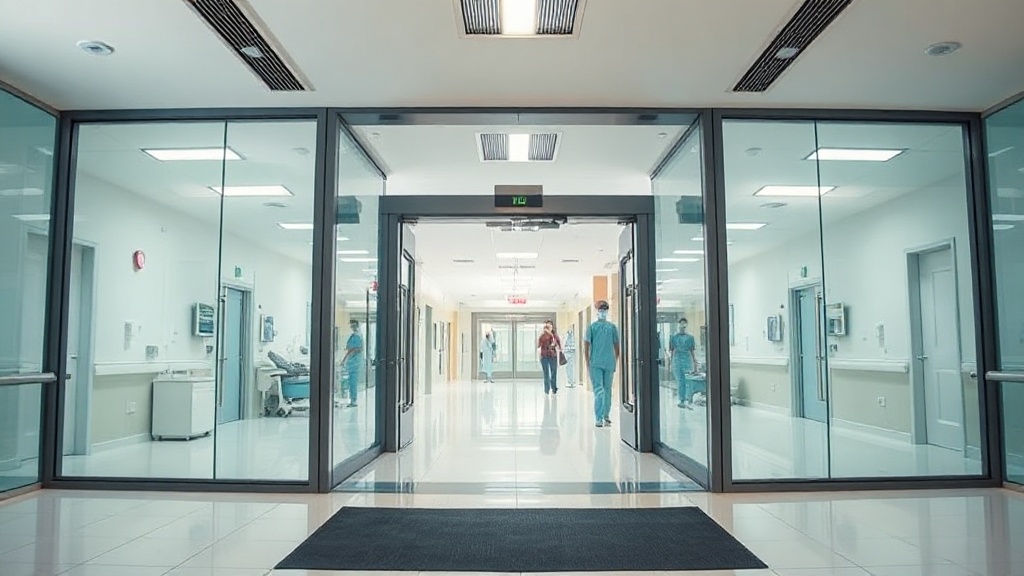
Automatic doors for hospitals are a solution integrating motion sensors and electric motors, allowing doors to open/close automatically without hand contact. In Vietnam, medical facilities are transitioning to this system to reduce the risk of cross-infection (HAI) by up to 30-50% and meet accessibility standards according to the 2010 Law on Persons with Disabilities.
Problems hospitals are facing with conventional doors

⚠ Cross-infection via door handles: Every hour, there are 200-500 touches on door handles in main corridor areas. Staphylococcus aureus and Clostridium difficile bacteria survive on stainless steel surfaces for up to 72 hours, making them a leading source of HAI transmission.
⚠ Difficulty for people with disabilities: Wheelchair patients, frail elderly, and post-operative patients cannot open heavy 20-40 kg doors themselves. This violates accessibility standards per TCVN 9256:2012.
⚠ Clean room pressure is compromised: Manually opened doors cause positive pressure loss in operating rooms and ICUs, increasing HVAC operating costs by 15-25% due to continuous pressure compensation.
⚠ Poor access control: No history of entries/exits to restricted areas (medicine rooms, equipment rooms) is recorded, making it difficult to assign responsibility for asset loss.
How does the hospital automatic door solution work?
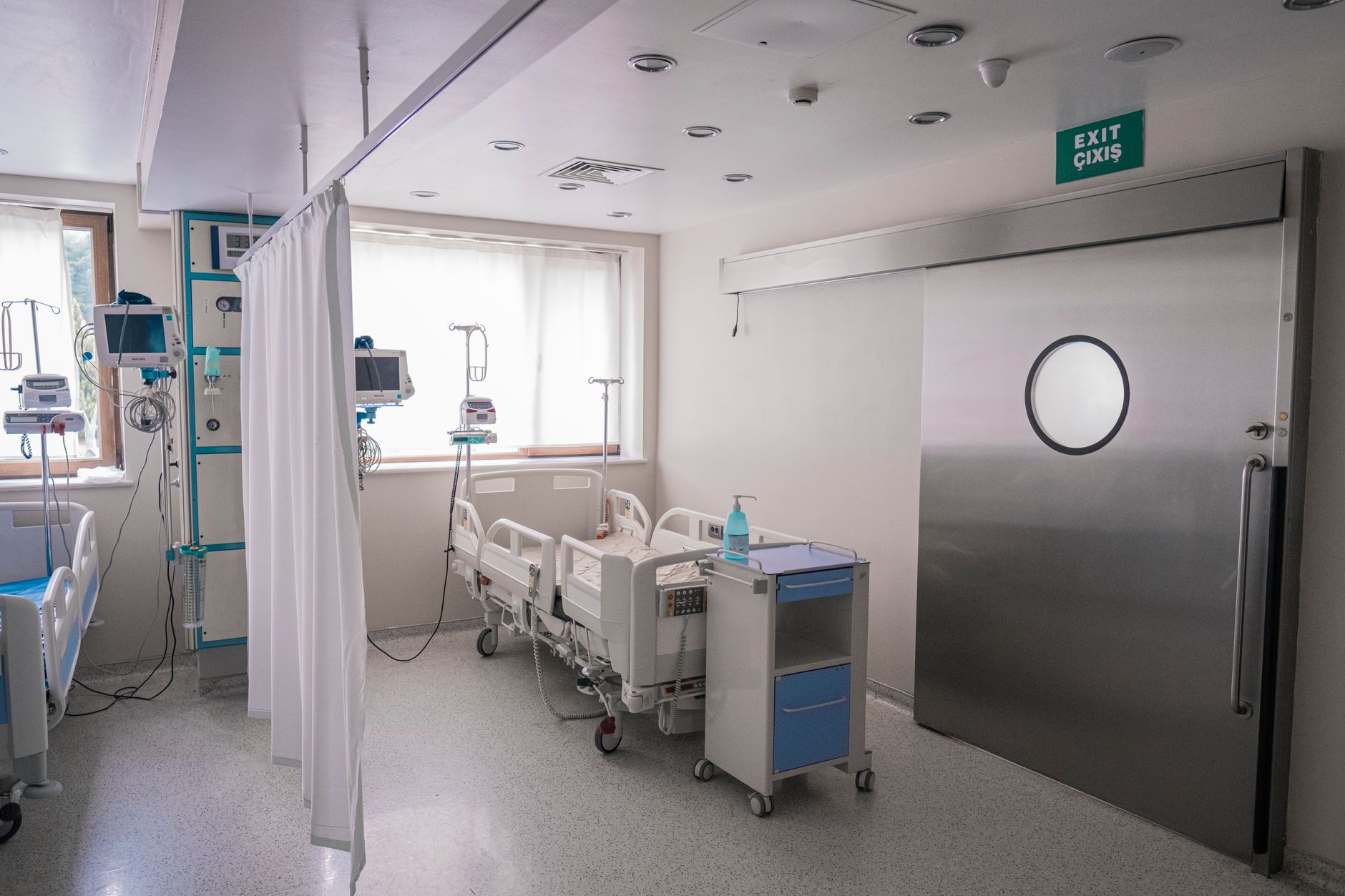
- 🚪 Sensor activation: Infrared sensors or microwave radar detect a person approaching within a 1-3 meter radius, sending a signal to the central controller.
- ⚙️ Motor operation: A 24V DC motor or AC servo motor pulls/opens the door leaf along a sliding track or hinge, at a speed of 200-600 mm/s (sliding door) or 90° in 2-4 seconds (swing door).
- 🔄 Open time control: The controller programs the hold-open time from 1-10 seconds (configurable by area: corridor 3-5 seconds, operating room 5-8 seconds).
- 🔒 Automatic closing & safety: Safety sensors detect obstacles, triggering reversal or emergency stop. The system closes slowly if it detects a slow-moving person (adjustable speed 50-100 mm/s).
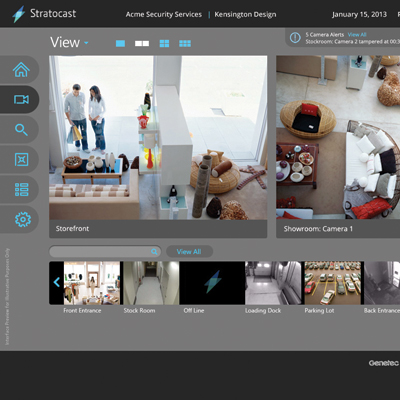
- 📊 Monitoring integration: RS485 or IoT connection ports record open/close counts, send periodic maintenance alerts, and integrate with the hospital's BMS (Building Management System).
Specific benefits of automatic doors in a medical environment
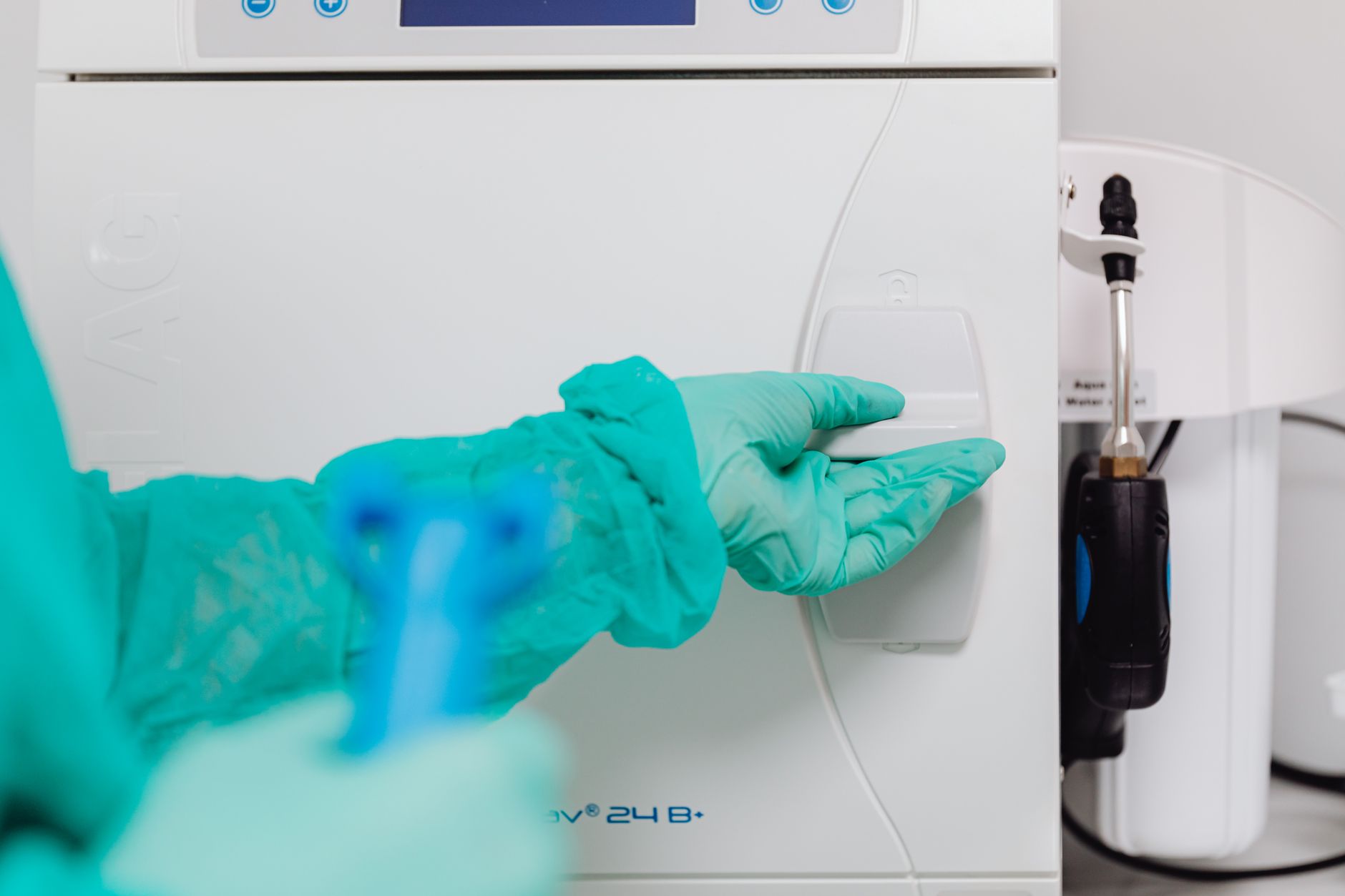
Reduces cross-infection
Hands-free doors reduce the risk of surface transmission by 30-50%, according to a study in the Journal of Hospital Infection.
Comprehensive accessibility
Meets standards TCVN 9256:2012, ADA (USA) for people with disabilities, the elderly, and wheelchair patients without requiring assistance.
Stable clean room pressure
Tight-sealing, fast-closing doors (2-4 seconds) maintain a differential pressure of ±5 Pa for operating rooms, ICUs, and isolation rooms.
Optimizes traffic flow
Reduces congestion at main entrance areas by 40-60%, increasing patient throughput during peak hours.
Saves HVAC energy
Reduces heat/cooling loss through doors left open too long, saving 10-15% on annual air conditioning costs.
Automatic access control
Integrates RFID cards, fingerprints, or facial recognition for restricted areas, with full
Start with a free 60-minute site survey
Our senior technical team will visit your site, assess the current setup, and propose a bundle matched to your business model and budget.