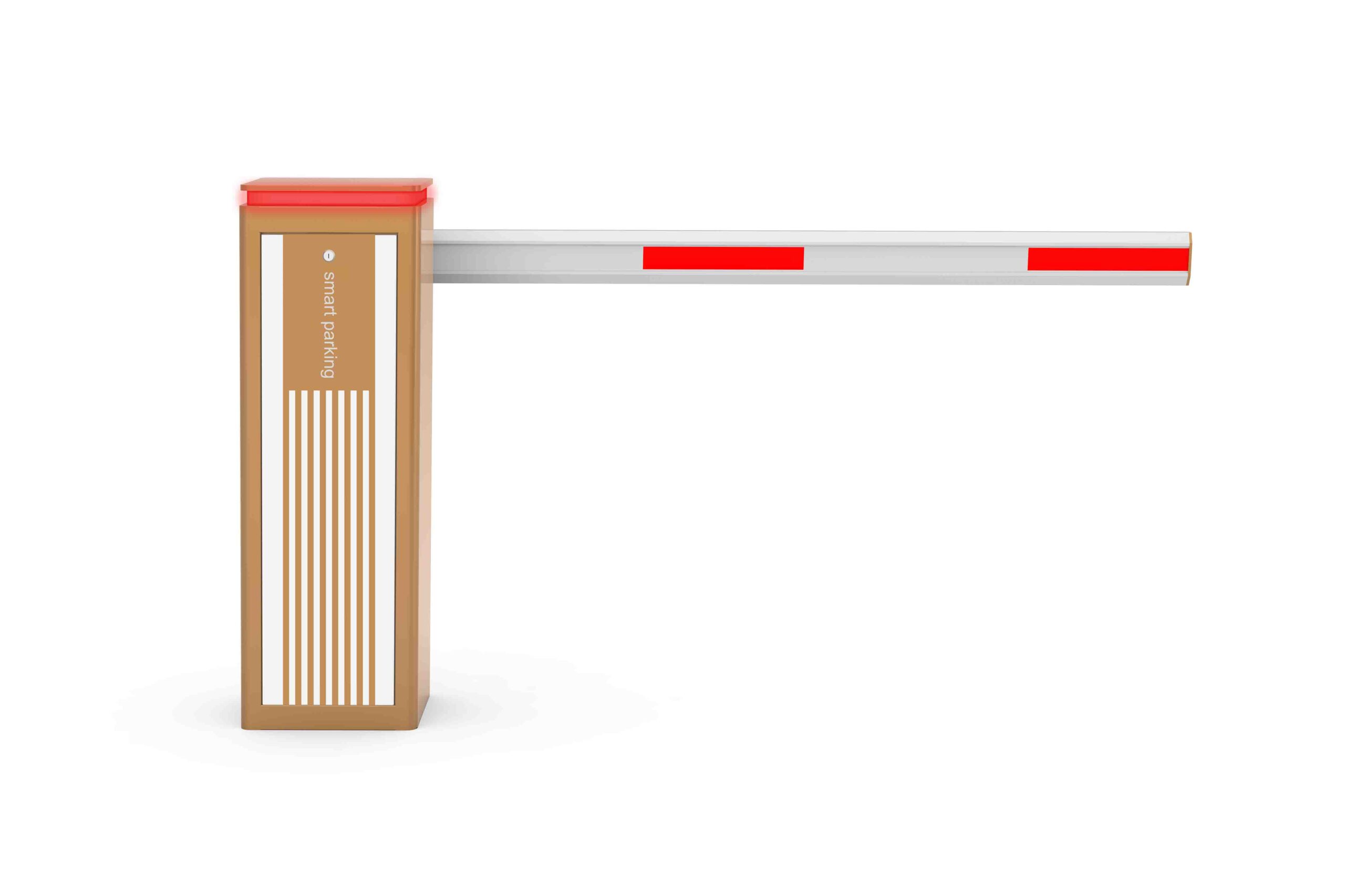
Apartment barrier gates are an automated vehicle control solution, integrating an electric motor and sensors to raise/lower the barrier arm. In Vietnam, the 3 main brands dominating the market share are FAAC (Italy), CAME (Italy), and BFT (Italy) — each line has its own advantages in speed, noise level, and LPR integration capability. This article provides a detailed comparison to help investors choose the right barrier for apartments in 2026.
Problems apartments are facing with vehicle barrier gates
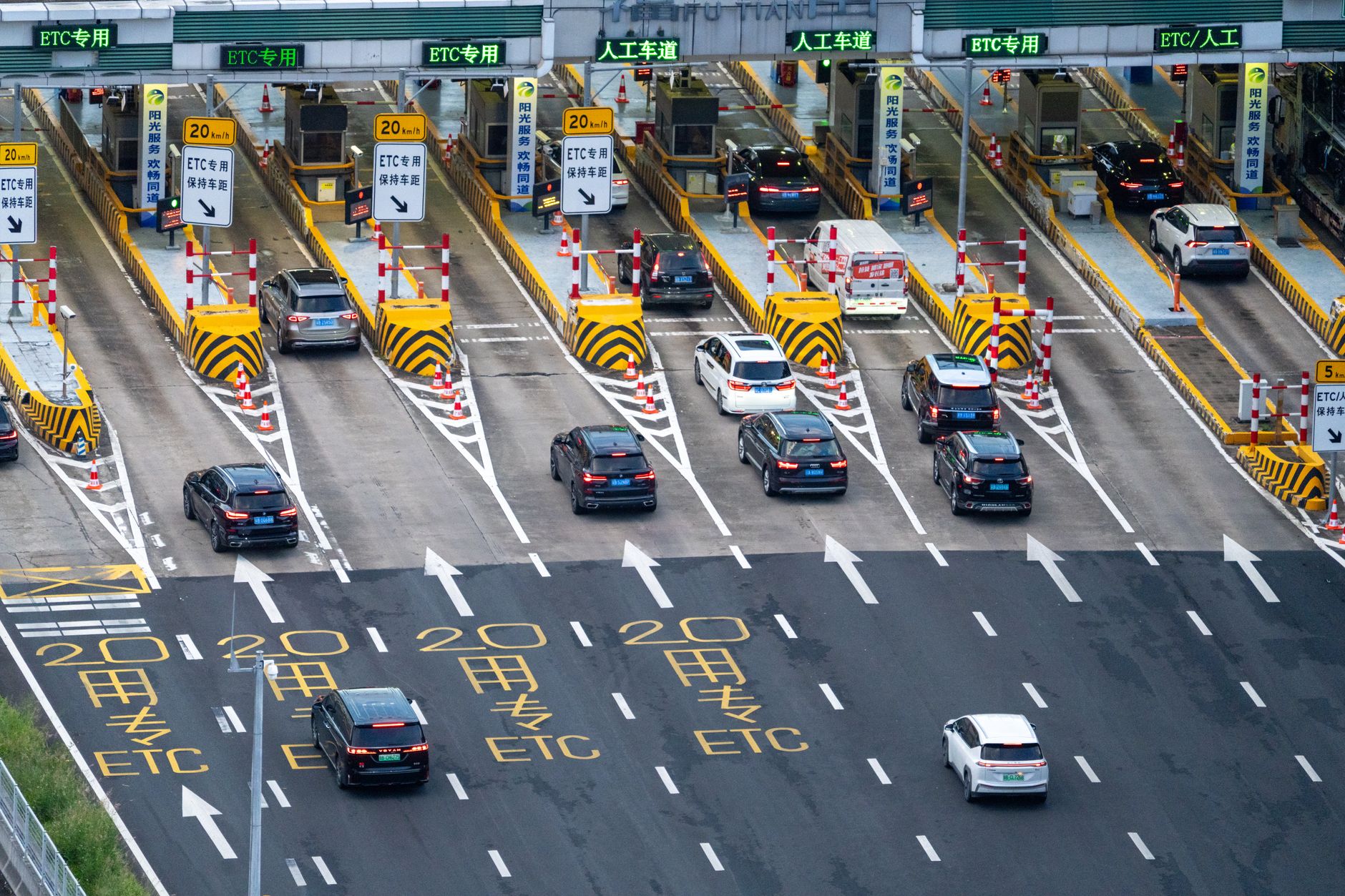
⚠ Peak hour congestion: Barrier opens slowly at 4-8 seconds per vehicle, causing traffic queues stretching 50-100m between 7-8 AM and 5-7 PM, leading to resident frustration.
⚠ Motor noise: Older generation barriers (brushed DC motor) emit 55-70dB during operation — equivalent to a vacuum cleaner, affecting basement and ground floor apartments.
⚠ High maintenance costs: Replacing motors, hydraulics, sensors every 12-18 months, averaging 3-5 million VND/year/barrier. For apartments with 200-500 units, total costs escalate to 30-80 million VND/year.
⚠ No LPR integration: Card-based barriers require residents to stop, swipe a card — taking 10-15 seconds per vehicle. No entry/exit vehicle data for security management.
How does the apartment LPR barrier solution work?
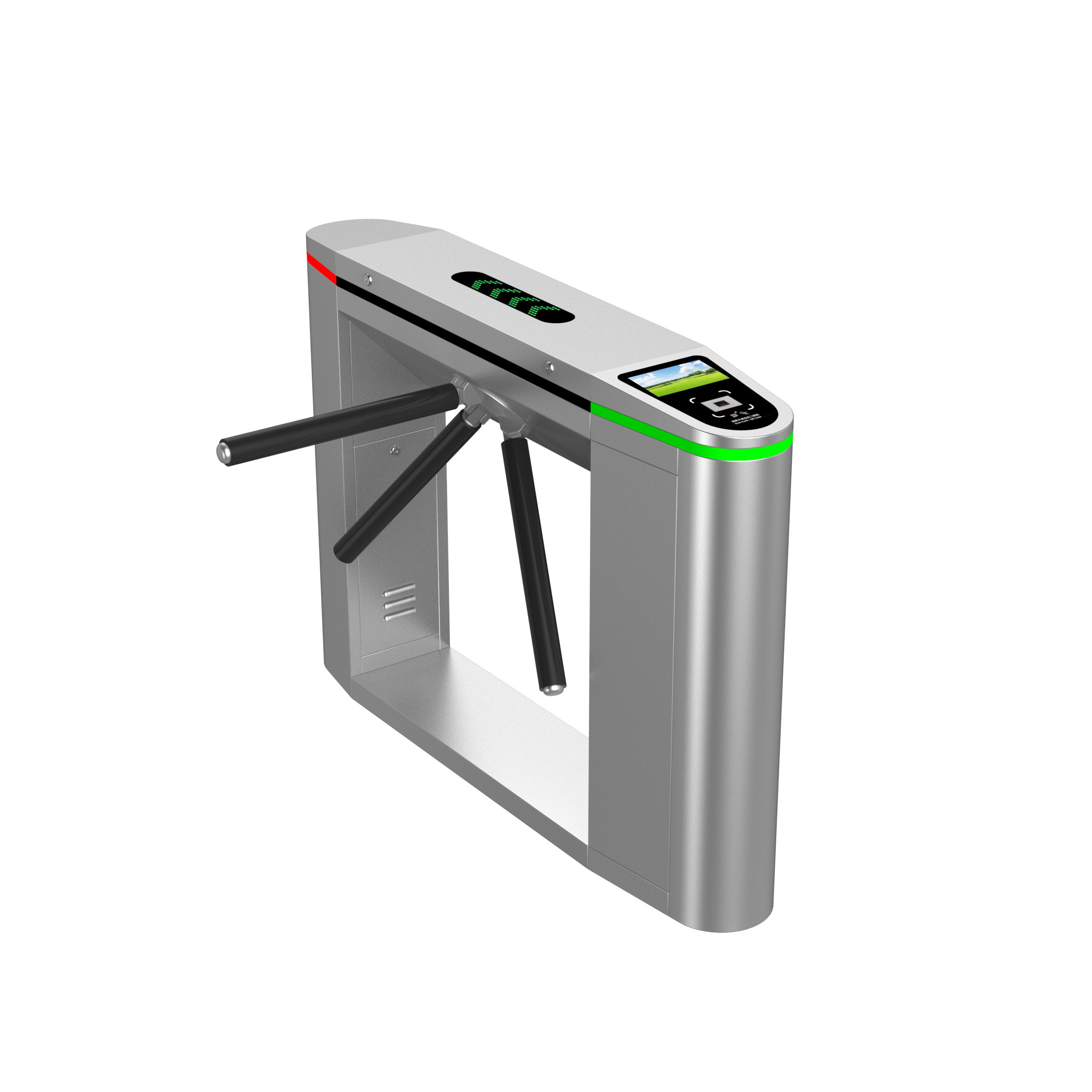
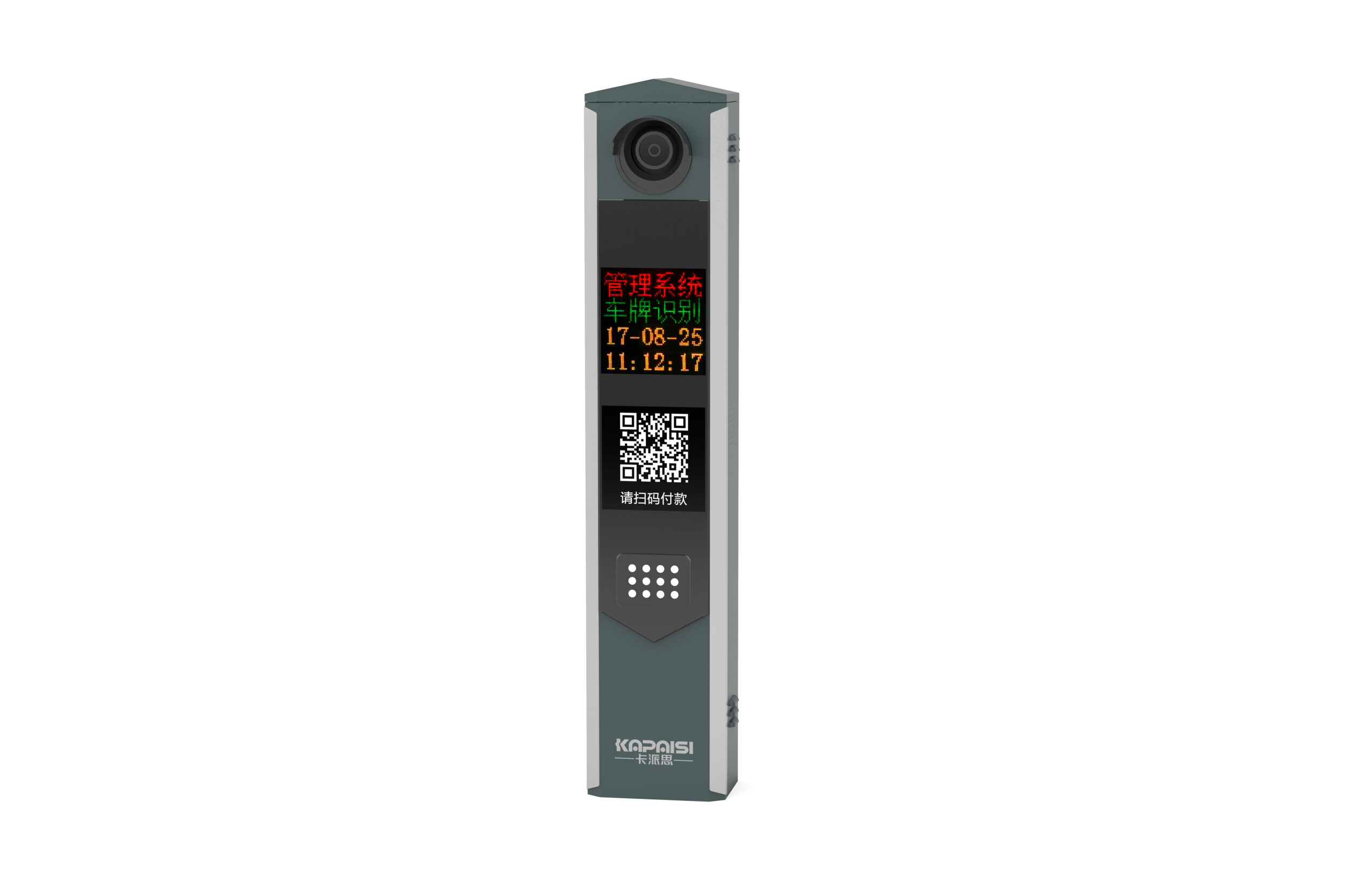
- Step 1: LPR camera (license plate recognition) installed at the entrance gate, scanning license plates from a distance of 5-15 meters.
- Step 2: The system authenticates the license plate against a whitelist (residents, security, registered guests) within 0.3-0.8 seconds.
- Step 3: The barrier opens automatically in 1.5-3 seconds (depending on fast/slow model) — vehicles do not need to stop.
- Step 4: The system records entry/exit times, saving a complete log for the management board.
Specific benefits of choosing FAAC, CAME, BFT barriers
Fast opening speed
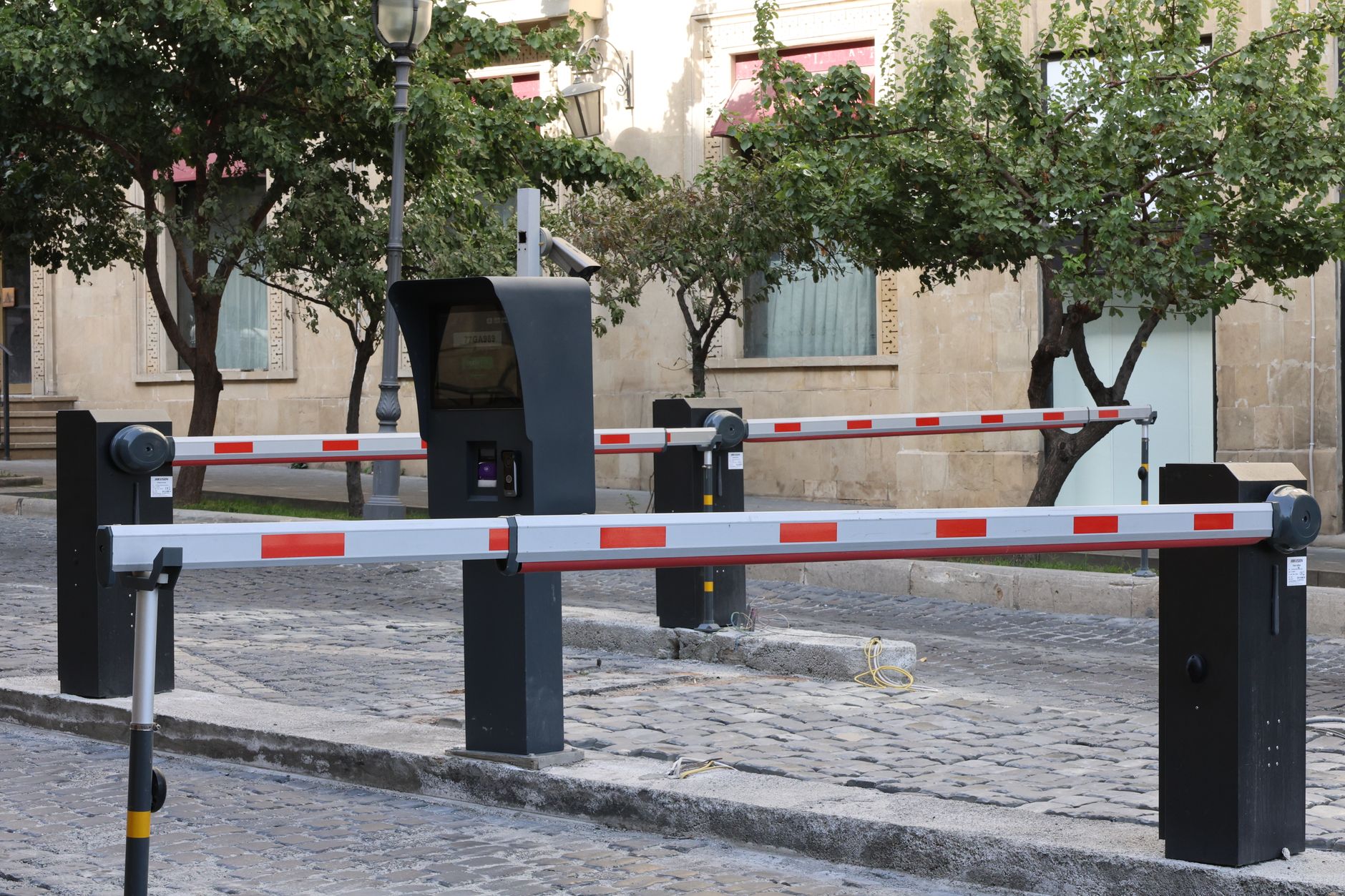
FAAC 740H opens in 1.5s, CAME BK806 opens in 2s, BFT Ares opens in 2.5s — reducing wait time by 60-70% compared to standard barriers (4-6s).
Smooth, quiet operation
Brushless motor delivers noise levels of 35-45dB — quieter than an air conditioner, not affecting the sleep of basement-level residents.
Standard LPR integration
All 3 brands support TCP/IP, RS485 communication with Kapaisi, Dahua, Hikvision LPR cameras — recognizing license plates of container trucks, cars, and motorbikes.
Low lifecycle cost
Lifespan of 10-15 years, maintenance of 1-2 million VND/year (oil change, sensor check) — saving 40-60% compared to cheap Chinese barriers.
FAAC vs CAME vs BFT Comparison: Technical Specifications
| Criteria | FAAC (740H) | CAME (BK806) | BFT (Ares) |
|---|---|---|---|
| Opening speed | 1.5 seconds | 2 seconds | 2.5 seconds |
| Max noise level | 35 dB | 40 dB | 42 dB |
| Arm load capacity | 6 meters | 7 meters | 5 meters |
| Voltage | 230V / 24V DC | 230V / 24V DC | 230V |
| LPR integration | Yes (TCP/IP) | Yes (RS485) | Yes (TCP/IP) |
| Warranty | 3 years | 2 years | 3 years |
| Reference price | 25-35 million VND | 18-28 million VND | 22-32 million VND |
Case study: Sun City apartment reduces wait time by 70% thanks to LPR barrier
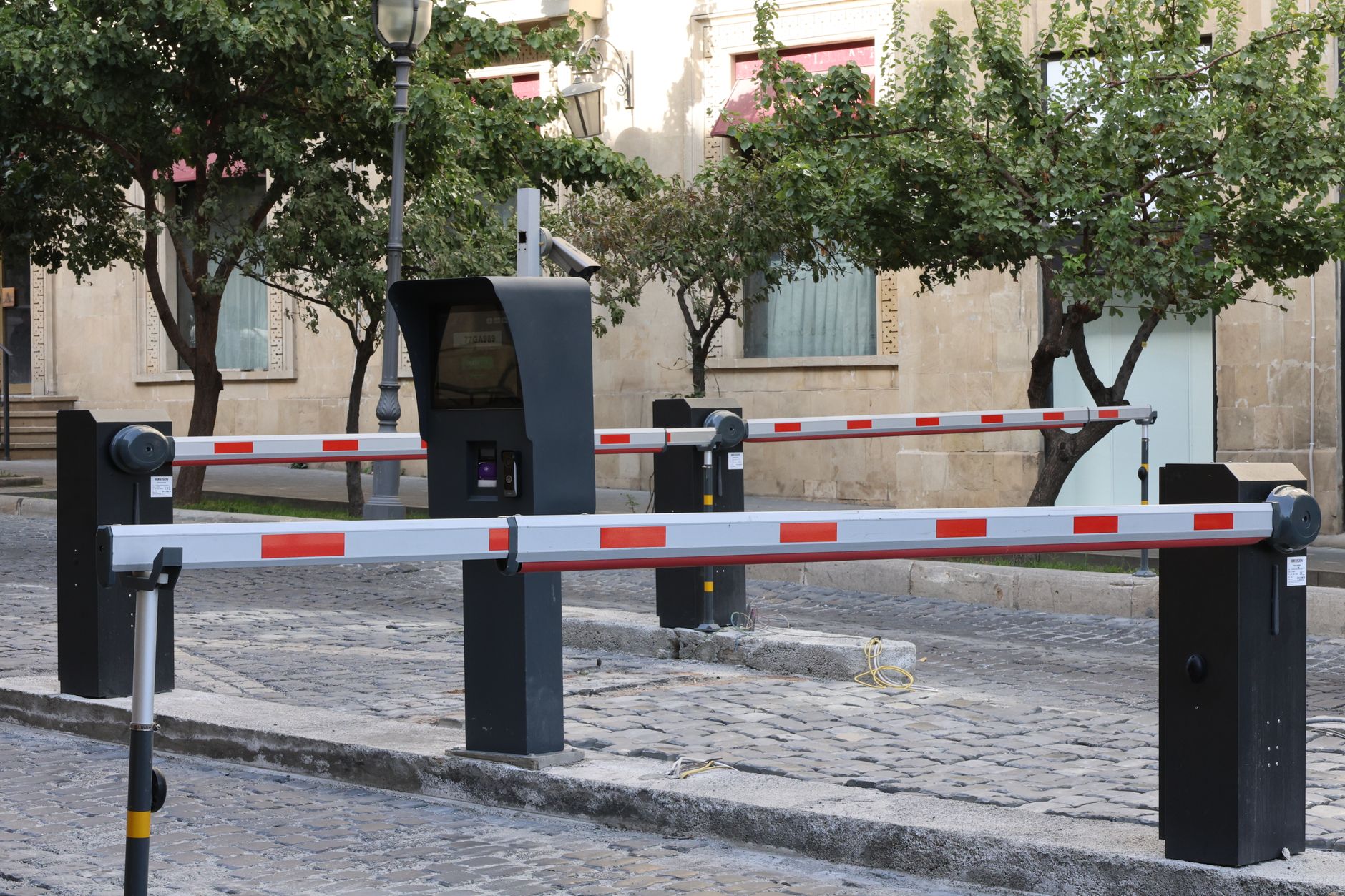
Sun City apartment (District 7, Ho Chi Minh City) with 450 units, 2 vehicle entry/exit lanes, previously used Chinese card-based barriers — average wait time of 12-15 seconds/vehicle, congestion lasting 30-40 minutes each morning. The management board switched to FAAC 740H barriers integrated with Kapaisi LPR. Results after 3 months: wait time reduced to 2-3 seconds/vehicle, no more congestion, maintenance costs reduced by 60% (from 45 million to 18 million VND/year).
See more details: Case Study: Sun City apartment reduces wait time by 70% thanks to LPR barrier and Related articles
Supermarket & retail chain vehicle control: LPR barrier reduces security personnel by 70% in 2026
8 min read Vehicle Control at Bank Headquarters: Barrier LPR + Financial Security Standards 2026
9 min read
Start with a free 60-minute site survey
Our senior technical team will visit your site, assess the current setup, and propose a bundle matched to your business model and budget.