Car showrooms in Vietnam are under dual pressure: rising costs for space, personnel, and display, while the lead conversion rate from direct walk-in visitors hovers around 8-15%. The AI camera heatmap solution, integrating computer vision and behavior analysis, helps showroom owners accurately measure foot traffic, movement paths, and the most effective touchpoints — thereby optimizing vehicle layout, sales staff, and marketing budgets.
Problems car showrooms are facing
Many car showrooms operate on intuition: arranging vehicles based on preference, distributing sales staff evenly, and spending advertising budgets broadly. The result is high operating costs but low revenue per square meter of display space, with lead conversion rates below 10%.
- ⚠ Not knowing which area sells best: A 500-1000m² showroom with 8-15 car models, but no objective data on which zone attracts the most customers and which zone customers just pass through.
- ⚠ Inability to measure sales staff effectiveness: Does a staff member spend 5 minutes or 30 minutes with a customer? What is the conversion rate per staff member? No data for evaluation and training.
- ⚠ Unoptimized marketing budget: Spending 30-50 million VND/month on Facebook and Google ads, but not knowing which channel brings actual customers to the showroom, with no specific ROI.
- ⚠ No data for negotiating with car manufacturers: Manufacturers require reports on visitor numbers, test drive rates, and interaction time — but showrooms only estimate by eye.
- ⚠ Unscientific vehicle and accessory display layout: Best-selling cars are placed in hidden corners, high-margin accessories are not displayed in visible locations.
How does the AI camera heatmap solution work?
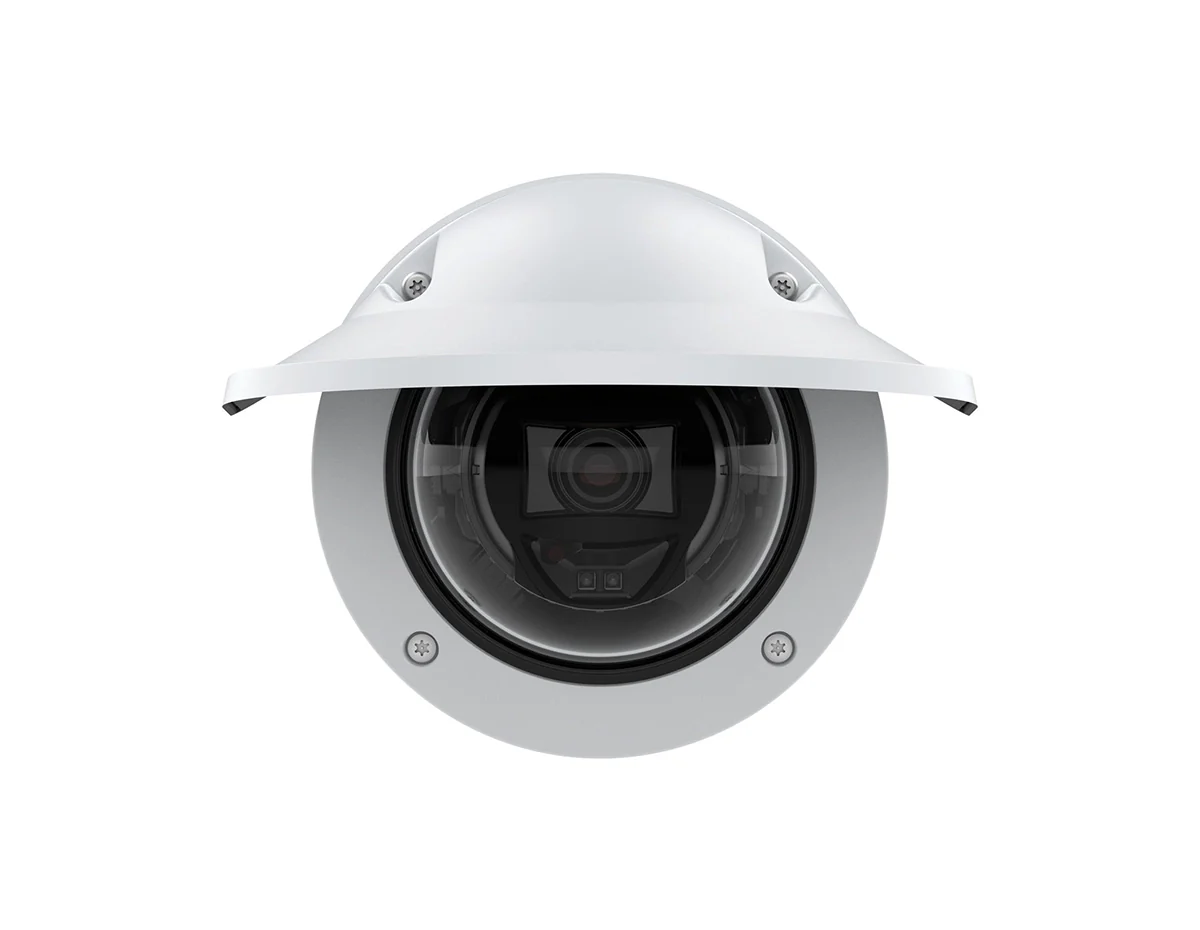
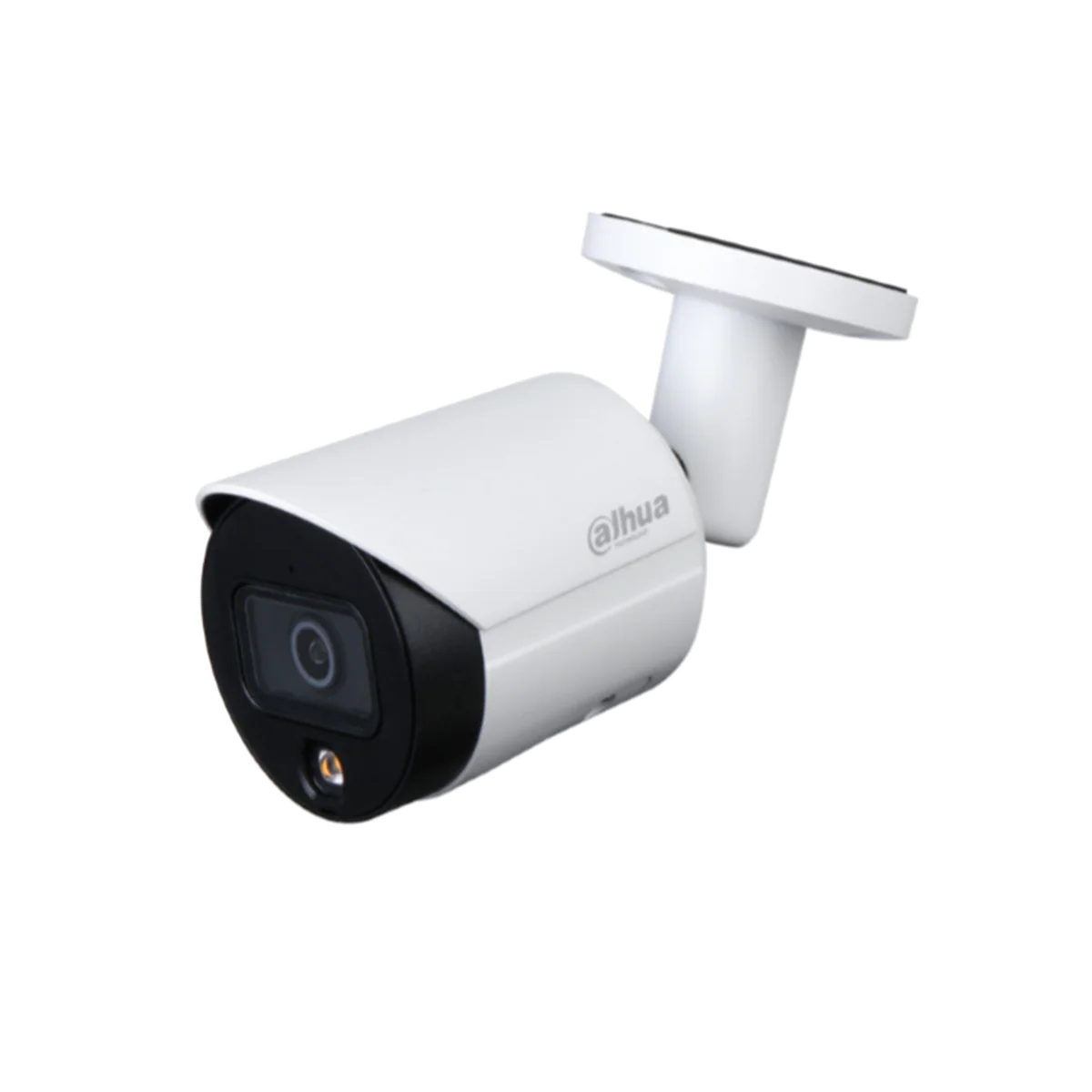

The AI camera heatmap uses computer vision to identify and track each customer within the showroom space. The system automatically generates a heatmap showing movement density, dwell time, and customer flow. Combined with CRM, this data is linked to specific leads to measure conversion analytics.
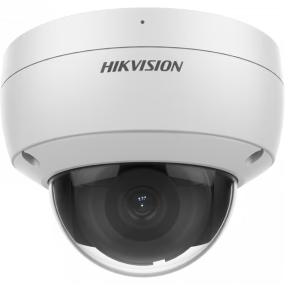
- Step 1 — Install AI cameras: Install 4-8 AI cameras (recommended: Dahua WizMind or Hikvision AcuSense) on the showroom ceiling, with a viewing angle covering 100% of the area. Each camera processes onboard, no central server required.
- Step 2 — Set up heatmap zones: Divide the showroom floor into 6-12 zones (sedan area, SUV area, electric vehicle area, test drive area, consultation area, payment area). The system automatically assigns movement data to each zone.
- Step 3 — Integrate with CRM: Connect camera data with CRM (e.g., HubSpot, Salesforce, or internal CRM). Each time a customer enters the showroom, the system creates a new session, recording entry/exit time, zones visited, and dwell time.
- Step 4 — Measure conversion analytics: When a customer is consulted by staff and leaves their information (lead), the system automatically links that session to the lead. Reports show conversion rates by zone, by staff member, and by time of day.
- Step 5 — Continuous optimization: Weekly, the showroom owner receives heatmap + conversion analytics reports, allowing adjustments to vehicle layout, staff allocation, and advertising budget. Optimization cycle every 2-3 weeks.
Specific benefits for car showrooms

The AI camera heatmap solution delivers 5 quantifiable benefits measurable within the first 30 days of deployment.
- 🔥 Increase lead conversion rate by 20-35%: By allocating staff to high-traffic zones, reducing customer wait time.
- 🔥 Reduce marketing costs by 15-25%: Know exactly which channel brings real customers, stop spending on ineffective channels.
- 🔥 Optimize revenue/m² of display space: Best-selling cars and high-margin accessories are placed in the hottest zones.
- 🔥 Improve sales staff KPIs: Have objective data on consultation time and conversion rate per staff member.
- 🔥 Accurate reporting for car manufacturers: Data on visitor numbers, test drives, interaction time — meeting requirements from brands like Toyota, Honda, Ford, etc.
Application in mainstream car showrooms (Toyota, Honda, Ford)

Vehicle layout based on heatmap data
Mainstream car showrooms typically display 6-10 car models. The AI camera heatmap shows that customers often concentrate near the entrance and areas with prominently colored vehicles. Based on 30 days of data, the showroom owner can adjust: place best-selling cars (Vios, City) in the central zone, newly launched models near the entrance, and accessories (rims, LED lights) in zones where customers dwell the longest.
Intelligent sales staff allocation
The heatmap indicates peak hours from 10:00-12:00 and 14:00-17:00, with the SUV and electric vehicle zones attracting the most customers. The showroom can adjust: increase staff by 2-3 in the SUV zone during peak hours, reduce staff in the sedan zone during off-peak