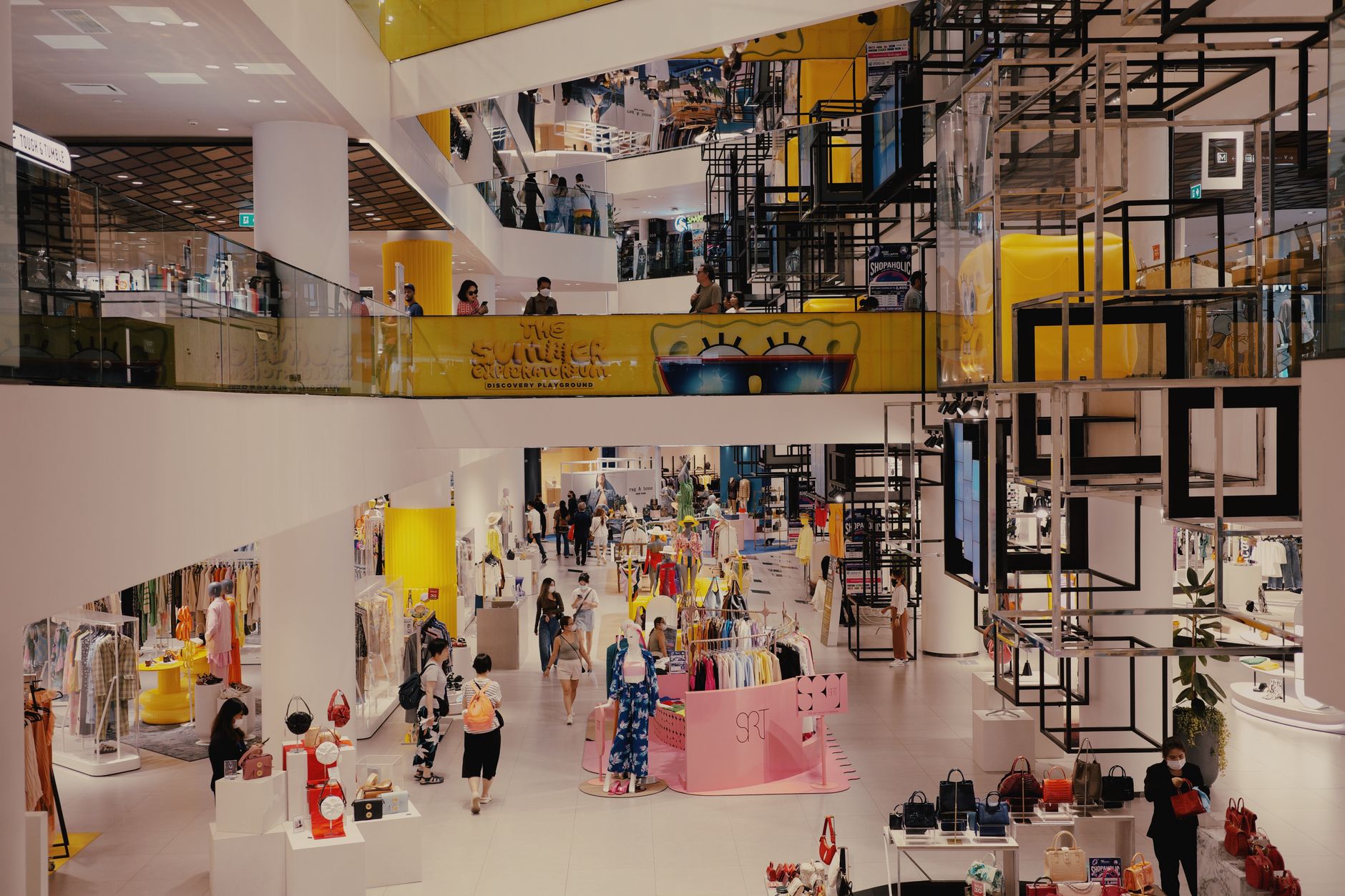
The retail people counting camera solution is a system that integrates computer vision or 3D sensors into a store, automatically recording the number of customers entering and exiting, dwell time, and movement flow (heatmap). In Vietnam, this technology is being deployed by mini-supermarket chains, car showrooms, and fashion stores to optimize operations and accurately measure marketing effectiveness.
Problems Retail Stores Are Facing
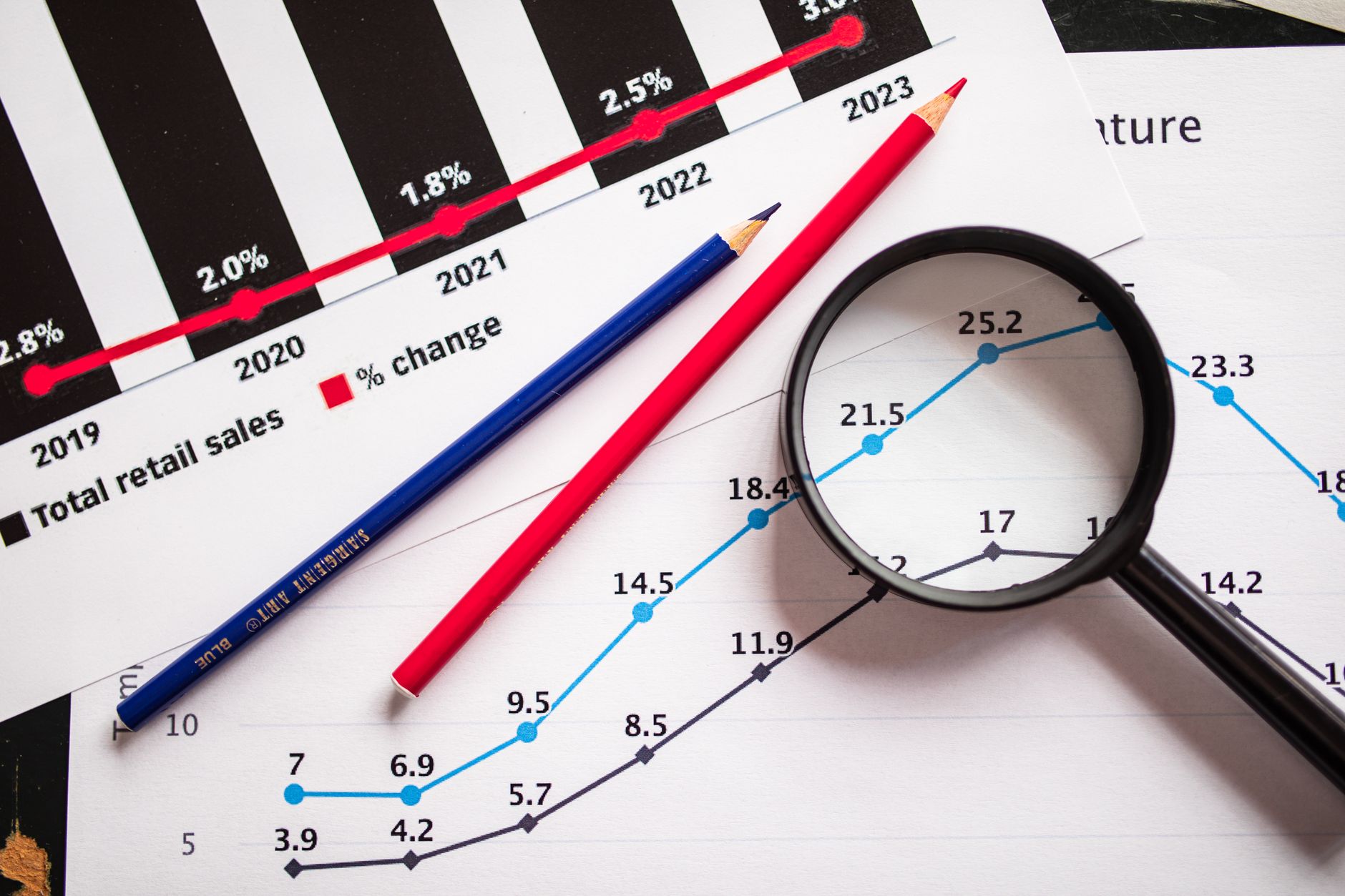
⚠ Not knowing the exact number of actual customers — Store owners rely only on revenue, not knowing the true conversion rate. A store may be busy but have low revenue because customers only come to browse.
⚠ Difficulty measuring marketing campaign effectiveness — When running offline ads or promotions, there is no footfall data to assess the actual customer growth rate.
⚠ Suboptimal staff scheduling — Understaffed during peak hours, overstaffed during off-peak hours, wasting 15-25% of operational costs.
⚠ Poor visual merchandise layout — Not knowing which areas of the store attract the most customers, which areas are ignored, leading to an inefficient layout.
How Does the Retail People Counting Camera Solution Work?
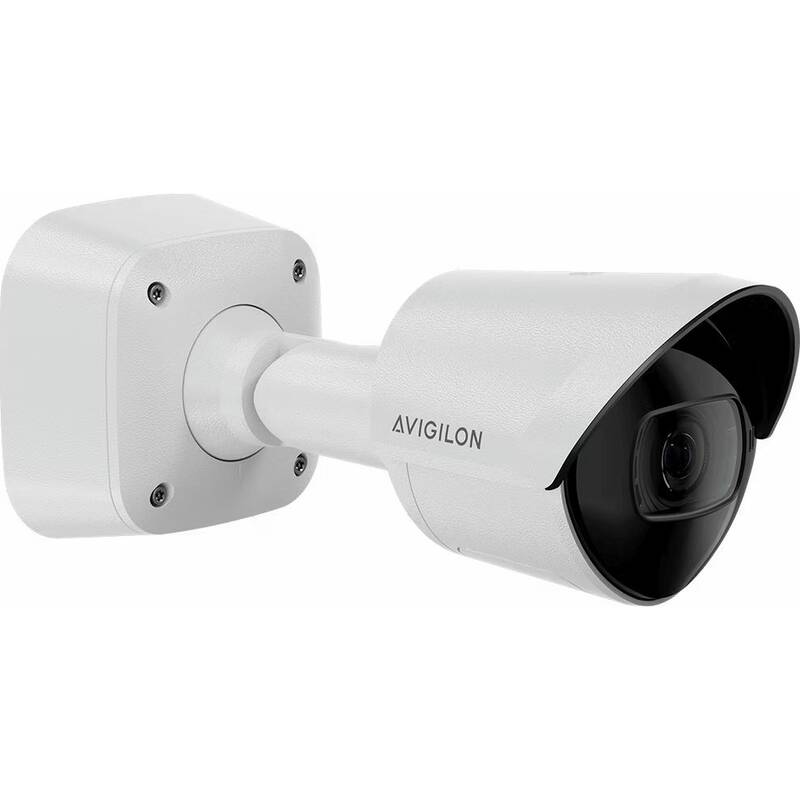
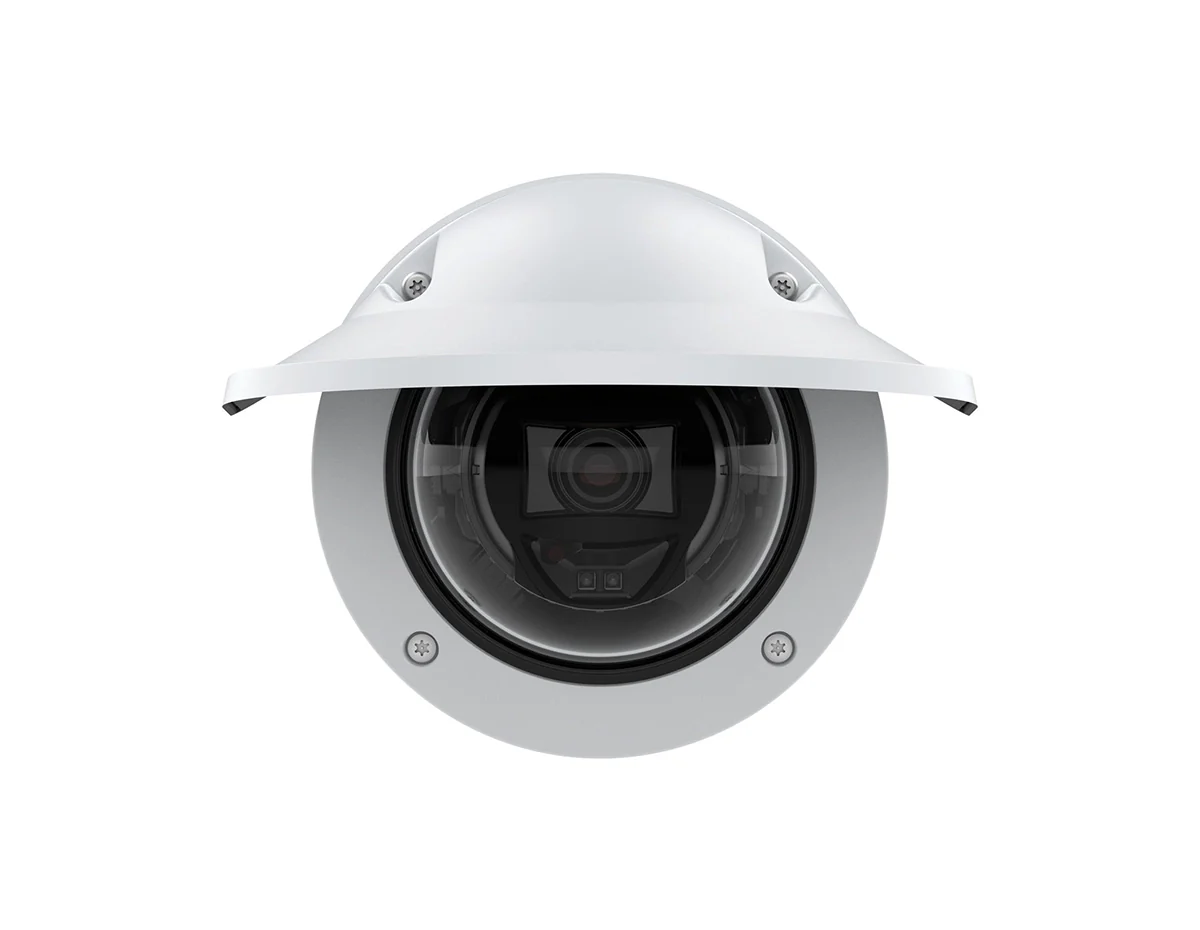
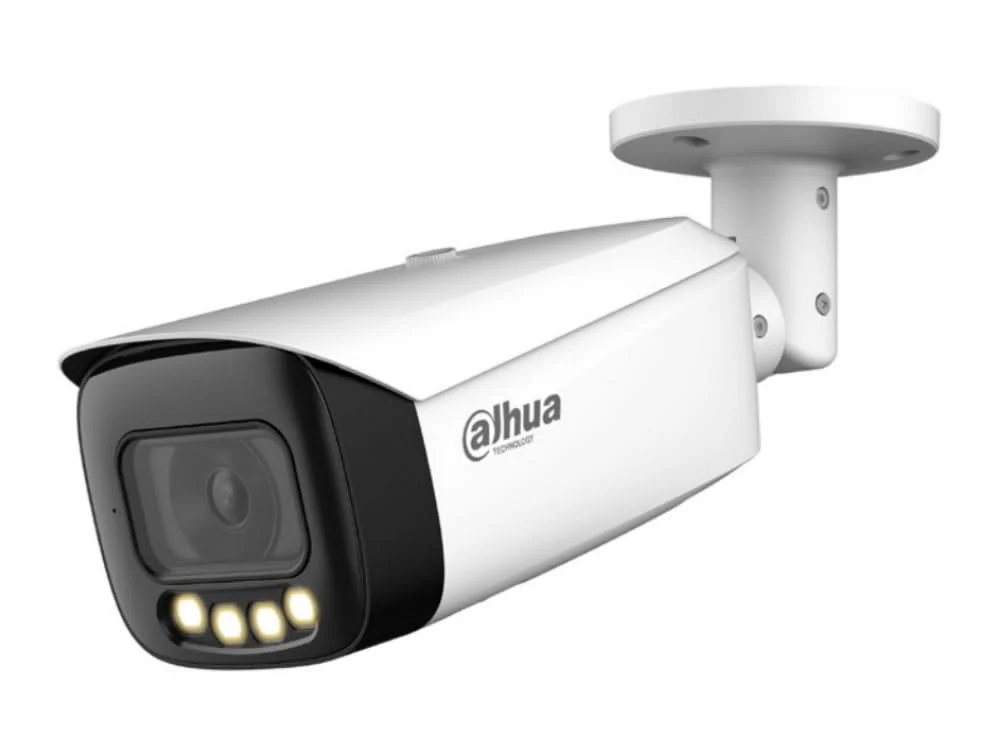
- Step 1: Install sensors / AI cameras — Stereo 3D cameras (Xovis), ToF (Time-of-Flight), or AI Vision cameras are placed at entrances, main aisles, and checkout areas.
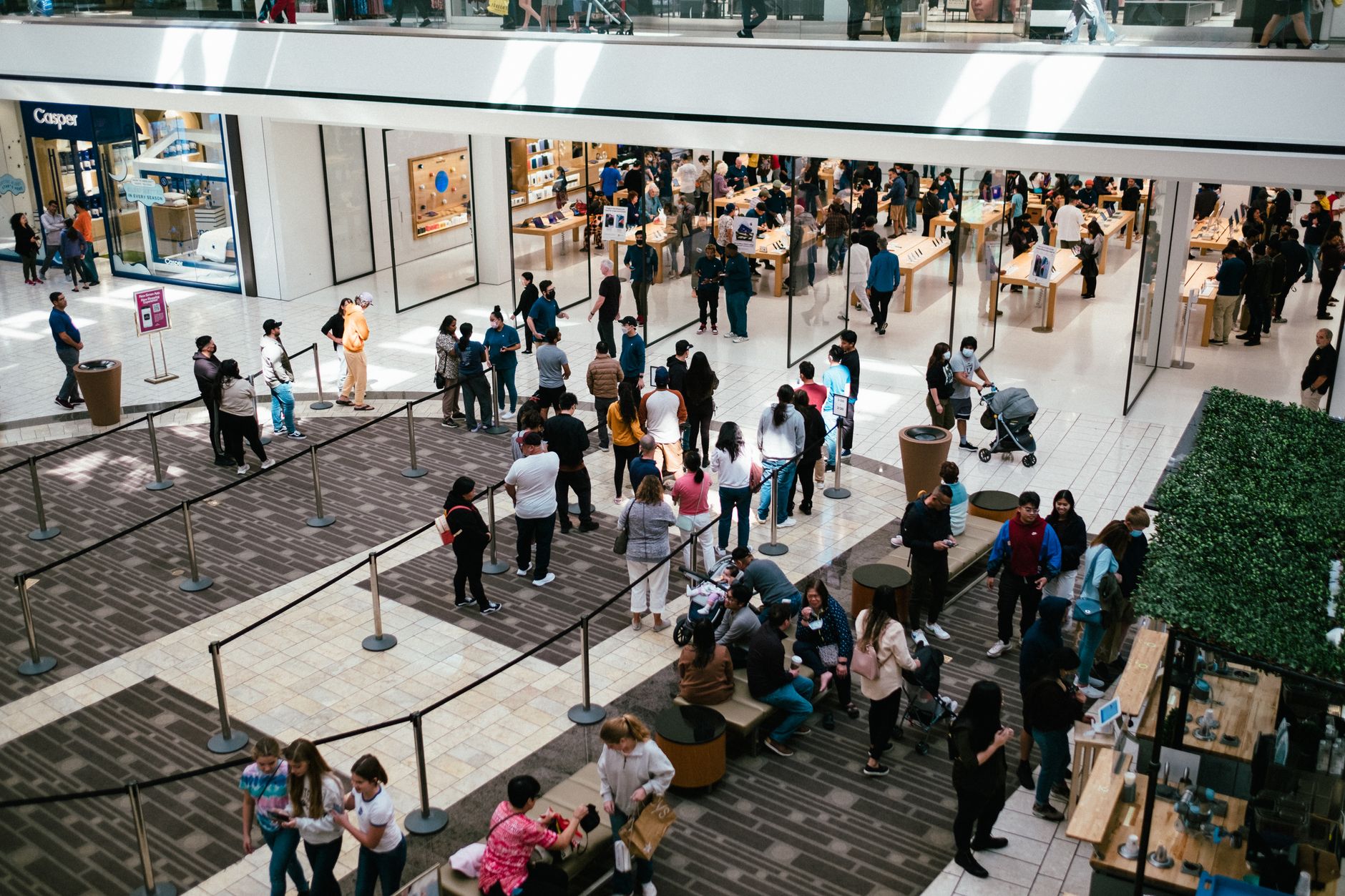
- Step 2: Collect real-time data — The system automatically counts the number of people entering/exiting by time slot, requiring no manual intervention, with 95-99% accuracy.
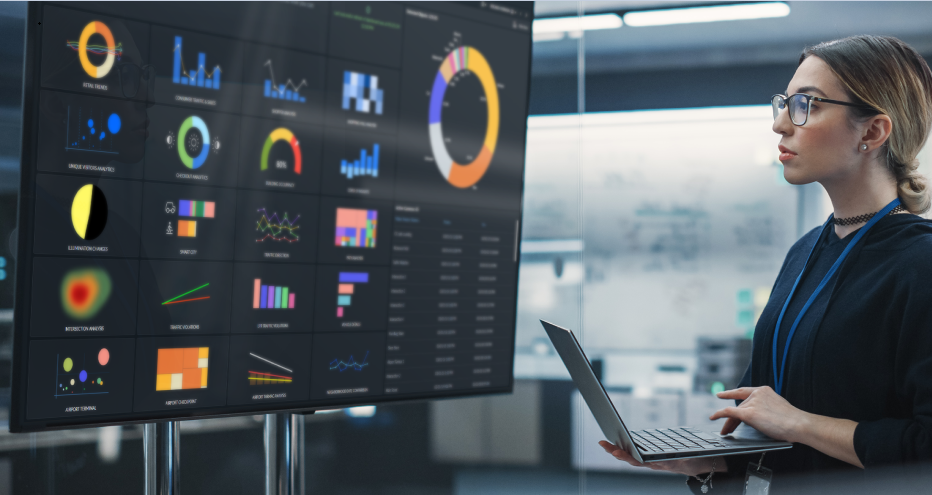
- Step 3: Analyze customer behavior — Data is processed to create heatmaps showing movement flow, average dwell time, and the rate of customers visiting each shelf.
- Step 4: Integrate with management systems — Footfall data is synchronized with POS, CRM, or a dedicated dashboard, helping store owners make decisions based on actual figures.
Specific Benefits for Retail Stores
Comparison of Popular People Counting Technologies

| Technology | Accuracy | Cost (estimated) | Suitable for | Limitations |
|---|---|---|---|---|
| Stereo 3D (Xovis, ShopperTrak) | 97-99% | High (15-30 million VND/camera) | Large supermarkets, showrooms, shopping malls | Requires stable lighting, high cost |
| ToF (Time-of-Flight) | 95-97% | Medium (8-15 million VND/camera) | Medium stores, chains of 5-20 branches | Interference with glass, reflective surfaces |
| AI Vision (IP Camera + software) | 90-95% | Low (4-10 million VND/camera + license) | Small stores, low budget | Depends on viewing angle, requires configuration |
| Infrared sensors | 80-90% | Very low (1-3 million VND/sensor) | Simple stores, narrow entrances | Cannot distinguish people/objects, high error rate |
Applications in Specific Retail Models
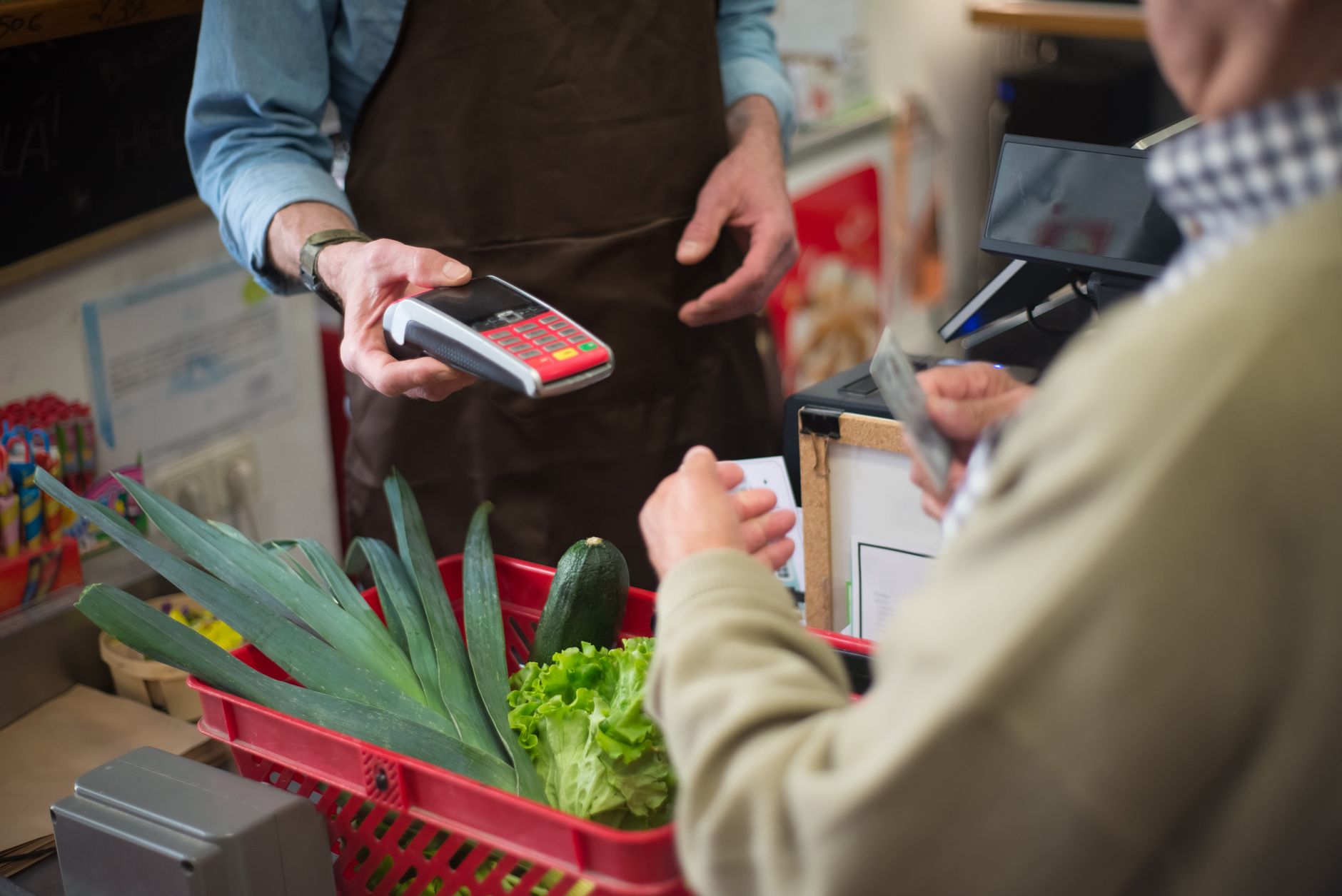
Mini-supermarkets / convenience stores
With a space of 50-200m², mini-supermarkets need AI Vision or ToF people counting cameras installed at entrances and checkout counters. Footfall data helps store owners know peak shopping hours (usually 5 PM - 7 PM), allowing them to schedule cashiers appropriately and reduce customer wait times. A case study at the Lá Me store chain (Da Nang) showed a 40% reduction in wait times