
Integrating conveyor metal detectors into packaging lines is an automated quality control solution that detects and removes metal contaminants in real time, minimizing product recall risks and protecting brand reputation. In Vietnam, food, pharmaceutical, and beverage factories are deploying this solution to meet increasingly stringent safety standards.
Problems Factories Face When Controlling Metal Contaminants
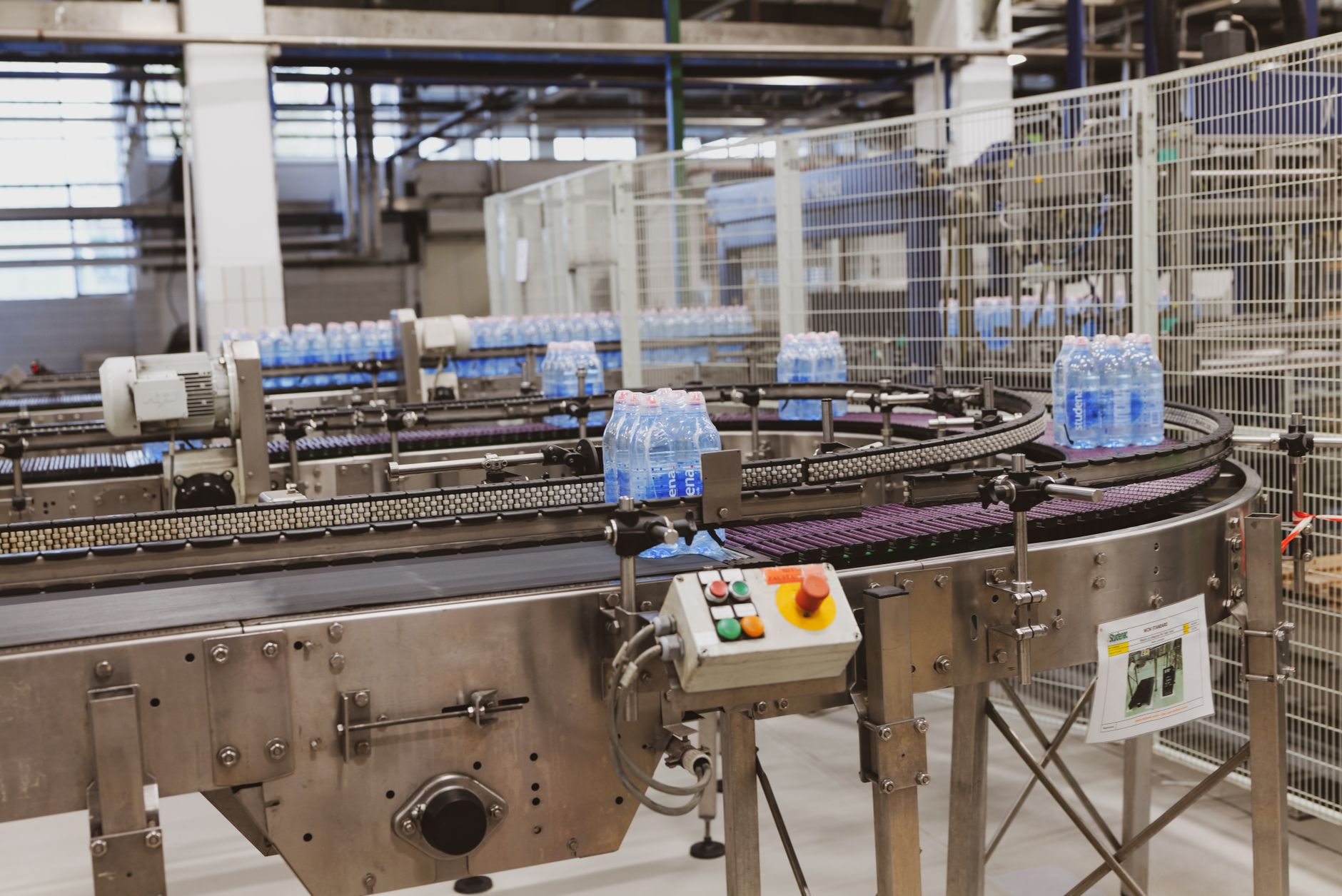
Manual or semi-automated packaging lines often struggle to detect metal contaminants in a timely manner, leading to product defects, costly recalls, and loss of reputation. Below are 5 common pain points:
- ⚠ Slow manual inspection speed: Visual inspection by staff only detects 60-70% of contaminants, especially small metal fragments under 2mm.
- ⚠ Line downtime: When a defect is detected, the entire conveyor must stop for manual removal, causing 15-30 minutes of loss per incident.
- ⚠ Speed mismatch: Metal detectors not calibrated to conveyor speed reduce detection accuracy, especially at high speeds above 30 m/min.
- ⚠ Lack of automatic reject system: Contaminated products continue into packaging, requiring re-inspection later, increasing labor costs by 20-35%.
- ⚠ Limited installation space: Older factories with fixed conveyors find it difficult to add metal detectors without major retrofitting.
How the Conveyor Metal Detector Integration Solution Works
Related Products
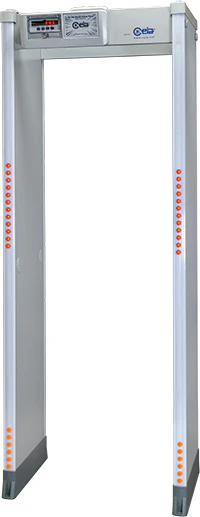


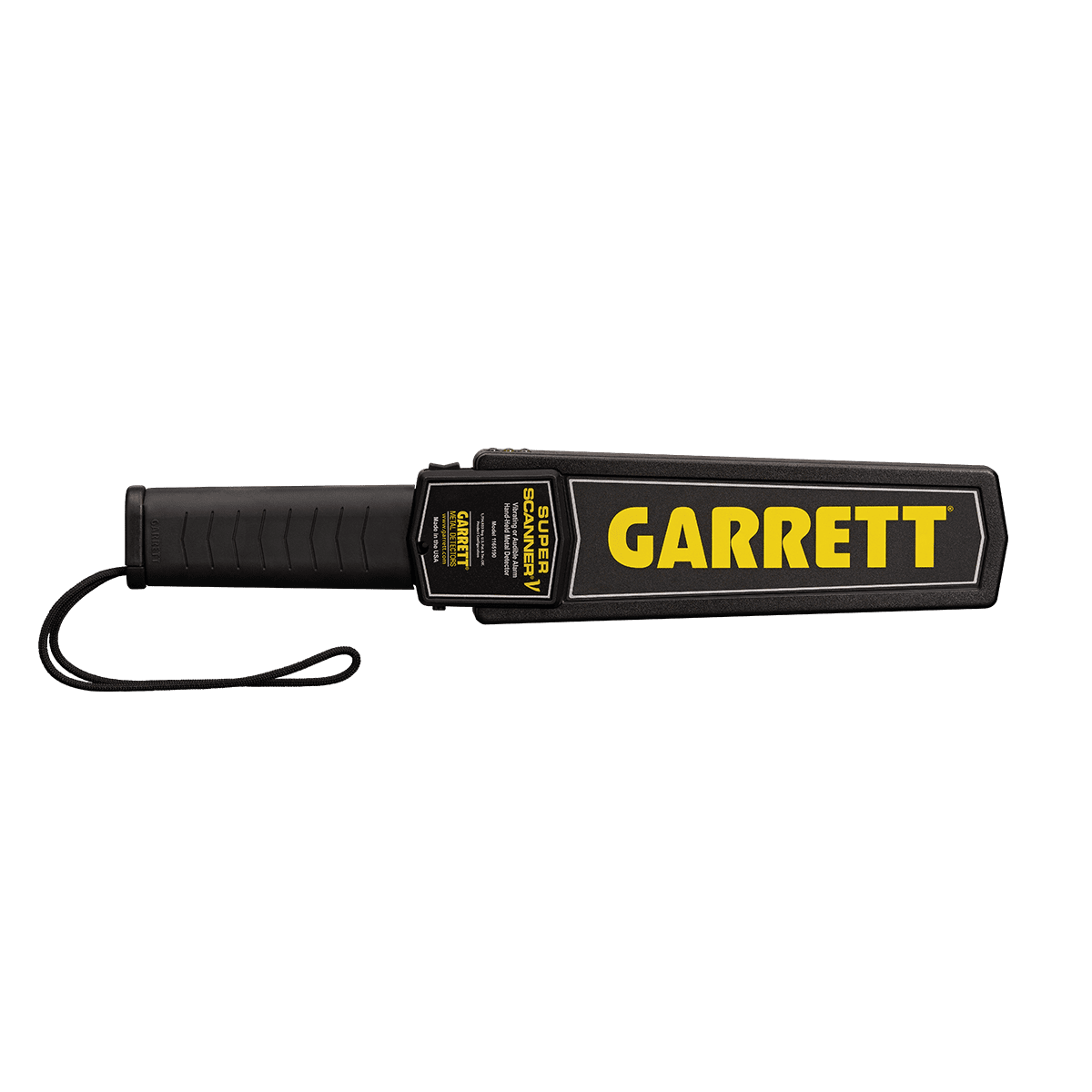

- 🔧 Step 1: Survey and measure the existing conveyor — Technicians measure conveyor width (typically 400-800mm), operating speed (10-60 m/min), and product type (dry, wet, packaged) to select the appropriate detector head.
- ⚙️ Step 2: Install the aperture metal detector head — The detector head is placed between conveyor sections, with an optimal gap of 50-100mm between product and sensor for maximum sensitivity.
- 🔗 Step 3: Synchronize speed via encoder — An encoder is mounted on the conveyor shaft and connected to the detector controller to automatically adjust detection frequency based on actual speed.
- 🗑️ Step 4: Integrate an automatic reject system — Install a pneumatic pusher or air blast at a position after the detector head, connected to the signal to reject defective products within 0.5-1.5 seconds.
- 📊 Step 5: Install monitoring software — Connect the detector to a PLC or SCADA system to log defect data and generate reports per production shift.
Specific Benefits of Integrating Conveyor Metal Detectors

Reduce product defects by 90-95%
Detect metal contaminants from 0.8mm (ferrous) and 1.5mm (stainless steel) directly on the conveyor, with no batch missed.
Increase productivity by 25-40%
Eliminate machine downtime for manual inspection, maintaining continuous packaging speeds of 30-60 packs/min.
Save on recall costs
Reduce the risk of mass product recalls, saving 50-200 million VND per year for a medium-sized factory.
Meet international standards
Comply with HACCP, BRC, IFS, and FDA 21 CFR Part 11, making it easier to achieve food safety certification.
Fast installation, no major retrofitting
Modular design requires only 2-3 days for installation and calibration, without disrupting current production.
Quality control data
Software records 100% of defect events and automatically generates reports for traceability.
Application in Packaged Food Factories
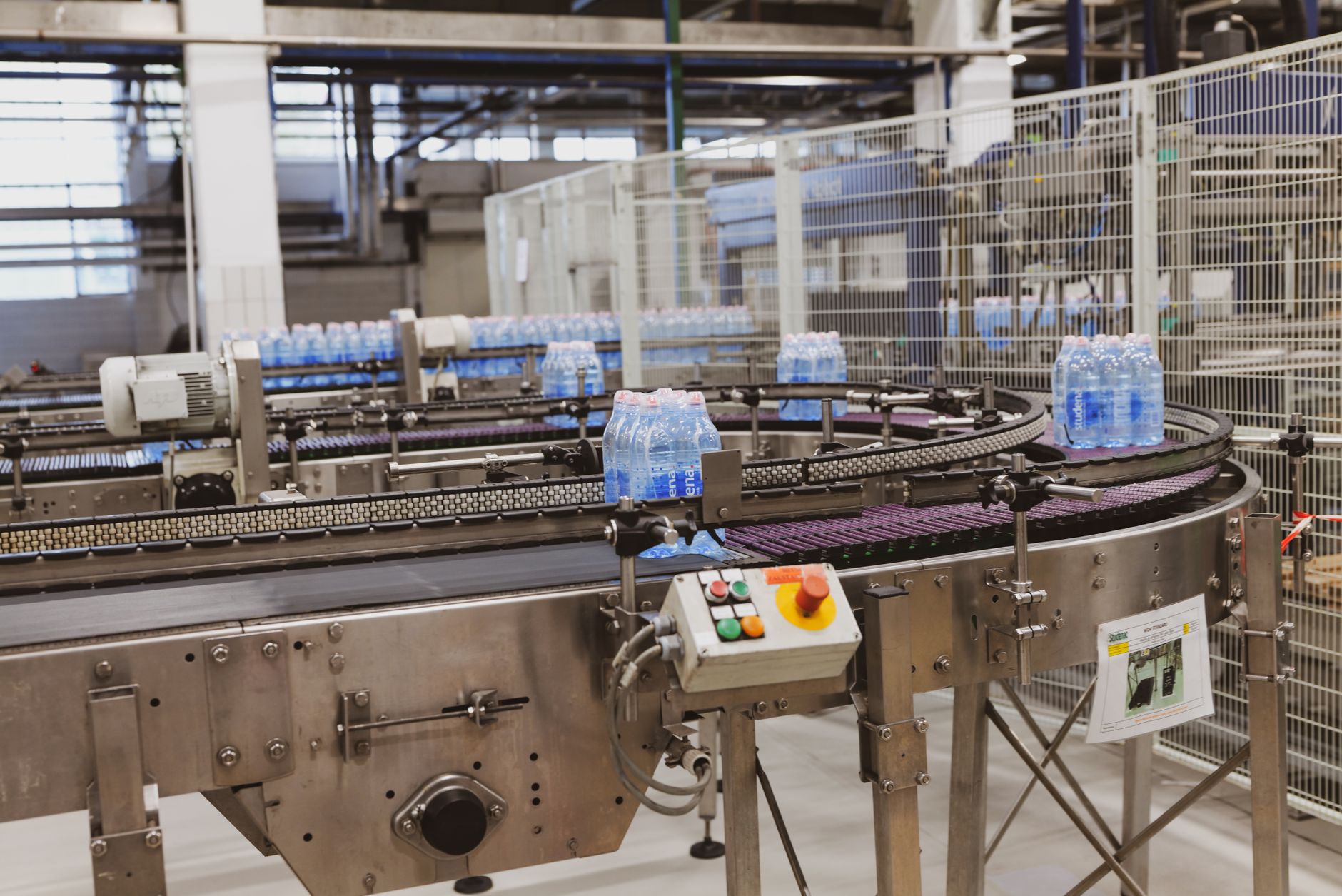
In the food industry, integrating conveyor metal detectors is commonly deployed for packaging lines for snacks, confectionery, seafood, and processed meat. For example, a biscuit factory in Binh Duong installed a conveyor metal detector system with a 400mm detector head at a speed of 45 m/min, reducing the defect rate from 2.5% to 0.1% in the first month. The pneumatic reject system operates in 0.8 seconds, ensuring no impact on line rhythm. Rejected products are collected in a separate bin for re-inspection, saving 15% of raw materials compared to manual methods.
Application in Pharmaceutical and Functional Food Factories

For pharmaceuticals, higher sensitivity is required due to the small size of tablets (5-15mm). Conveyor metal detector systems using multi-frequency detector heads (50-800 kHz) can detect metal contaminants from 0.5mm in tablets and 1.0mm in blister packs. Integration with a flap-type reject system ensures each defective tablet is individually removed without damaging adjacent blisters. A pharmaceutical factory in Ho Chi Minh City reduced product defects by 99% thanks to Mettler Toledo X-Ray, but for simpler packaging lines, a conveyor metal detector is a 40-60% lower-cost solution.
Conveyor Metal Detector vs. X-ray: Which to Choose for Your Food Factory in 2026?
| Criteria | Conveyor Metal Detector | X-ray Inspection System |
|---|---|---|
| Contaminant detection | Metals (ferrous, stainless steel, aluminum, copper) | Metals + glass, stone, bone, hard plastic |
| Maximum sensitivity | 0.5-2.0 mm (depending on metal type) | 0.3-1.0 mm (depending on density) |
| Maximum conveyor speed | 60 m/min | 120 m/min |
| Investment cost | 100-300 million VND | 500 million - 2 billion VND |
| Maintenance | Low (periodic detector head cleaning) | High (X-ray tube replacement) |
| Suitable for | Simple packaged food, tablet pharmaceuticals | Food in complex packaging, glass containers |
For a more detailed understanding, you can refer to the article Conveyor Metal Detector vs. X-ray: Which to Choose for Your Food Factory in 2026? for a comprehensive overview.
Related Products and Equipment
Need advice on integrating a conveyor metal detector into your line? Contact our hotline 0935 295 337 for a free survey and a comprehensive quote within 24 hours.
Related Articles
- Integrating Conveyor Metal Detectors: A Solution to Reduce Product Defects by 90%
- Installation Procedure for Metal Detectors in Food Factories 2026
- Food Contaminant Inspection Machines: Buy or Rent? Long-Term Cost Comparison 2026
- Installation Cost of Food Inspection Machines 2026: Comprehensive Quote
- Case Study: Vietnamese Food Factory Reduces Defects by 80% with Contaminant Inspection Machine