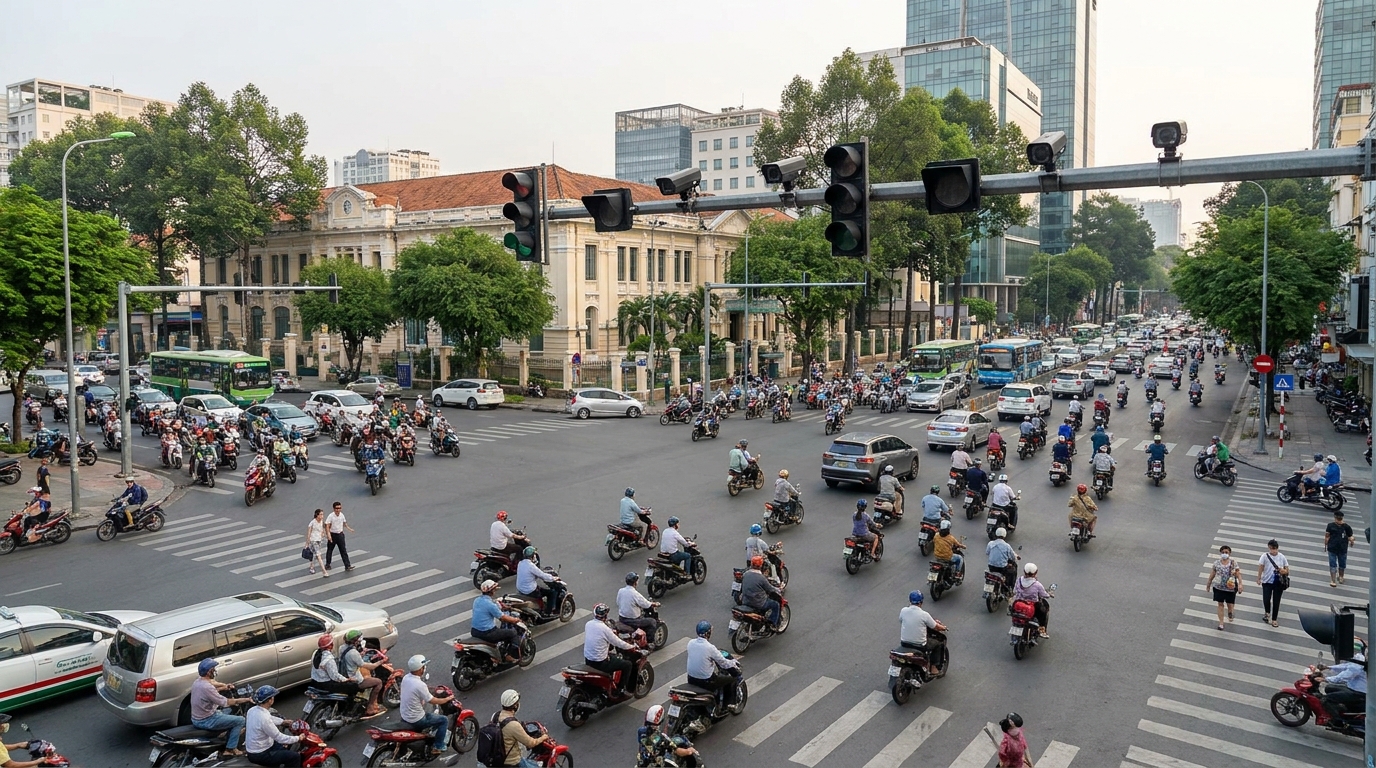
The optimal AI traffic light solution is an integrated system combining vehicle counting cameras, computer vision algorithms, and a centralized control platform, enabling real-time signal timing adjustments based on vehicle volume at each intersection. In Vietnam, cities like Ho Chi Minh City and Hanoi are piloting this technology to reduce congestion and optimize existing traffic infrastructure.
Problems with the current static traffic light system
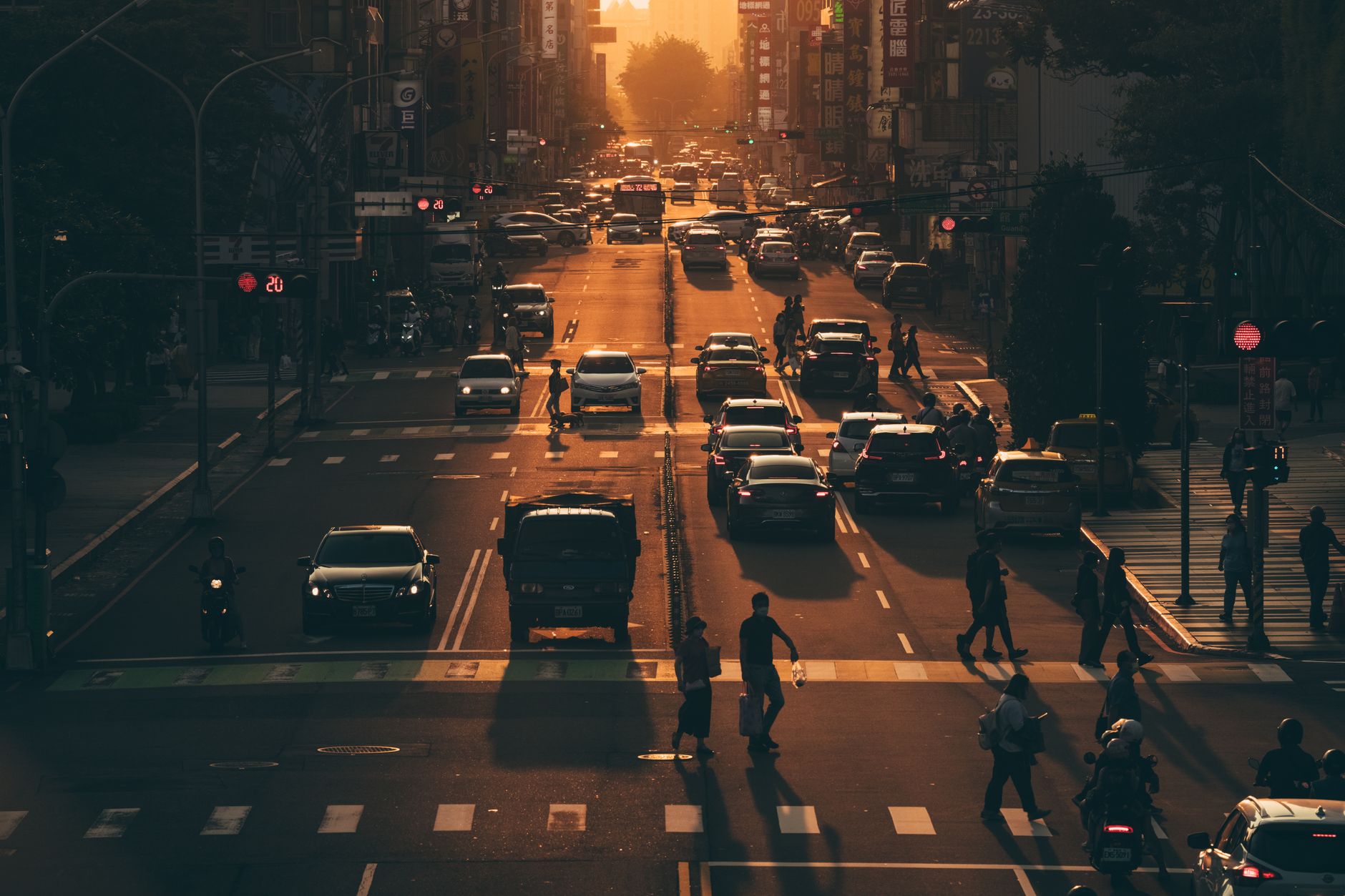
Major cities in Vietnam are operating traffic light systems on fixed-time cycles, which cannot respond to fluctuations in traffic volume by hour, season, or unexpected events. This leads to a series of problems:
- ⚠️ Prolonged local congestion: Intersections with low traffic volume still maintain a full green light cycle, while congested lanes have to wait.
- ⚠️ Wasted fuel and time: Motorcycles and cars idle waiting for red lights for an average of 15-25 minutes per peak hour at major intersections.
- ⚠️ No historical data: Planning agencies lack actual traffic volume data by time slot to adjust light scenarios.
- ⚠️ High personnel costs: Traffic police must directly manage traffic at hot spots, which is both unsafe and labor-intensive.
How does the optimal AI traffic light solution work?
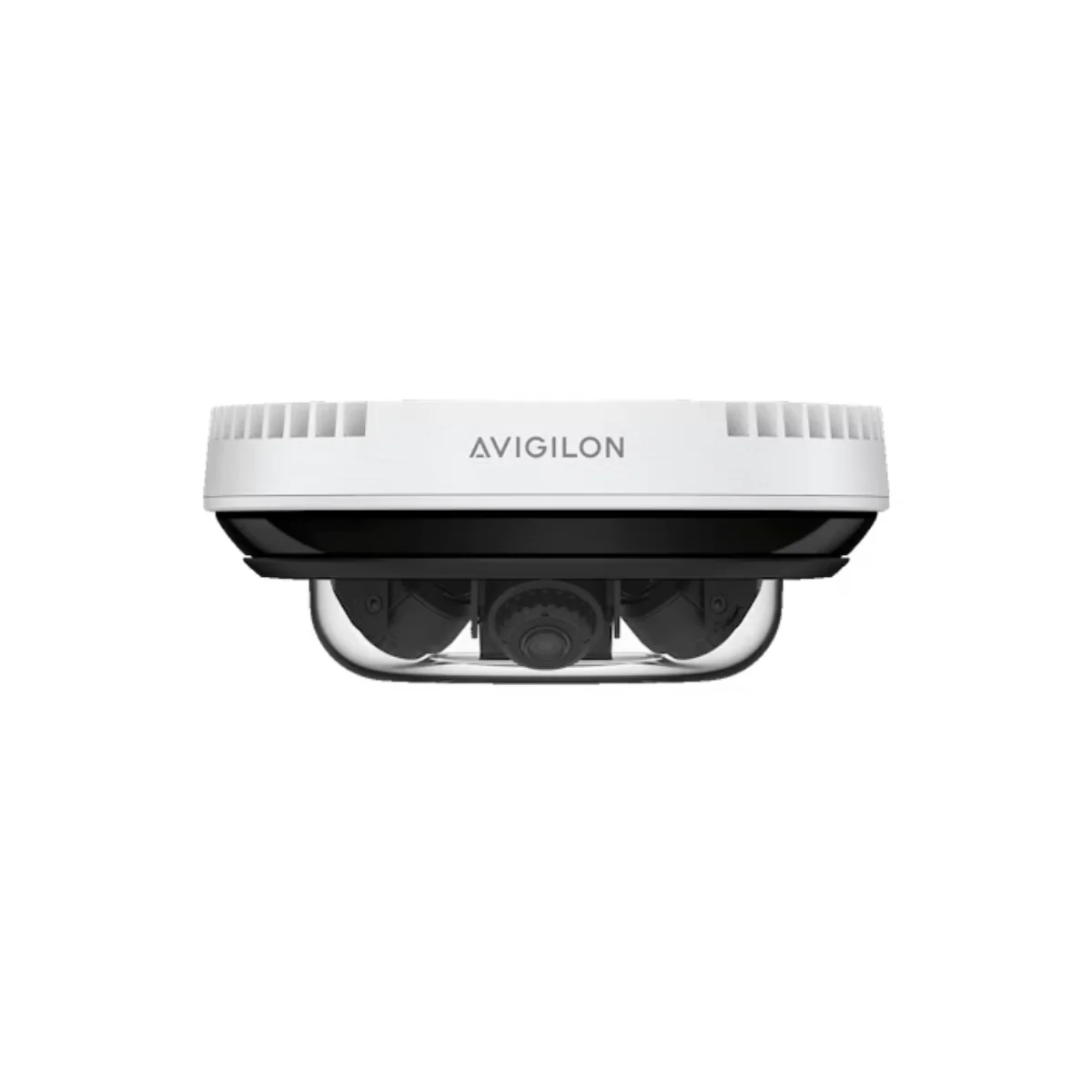
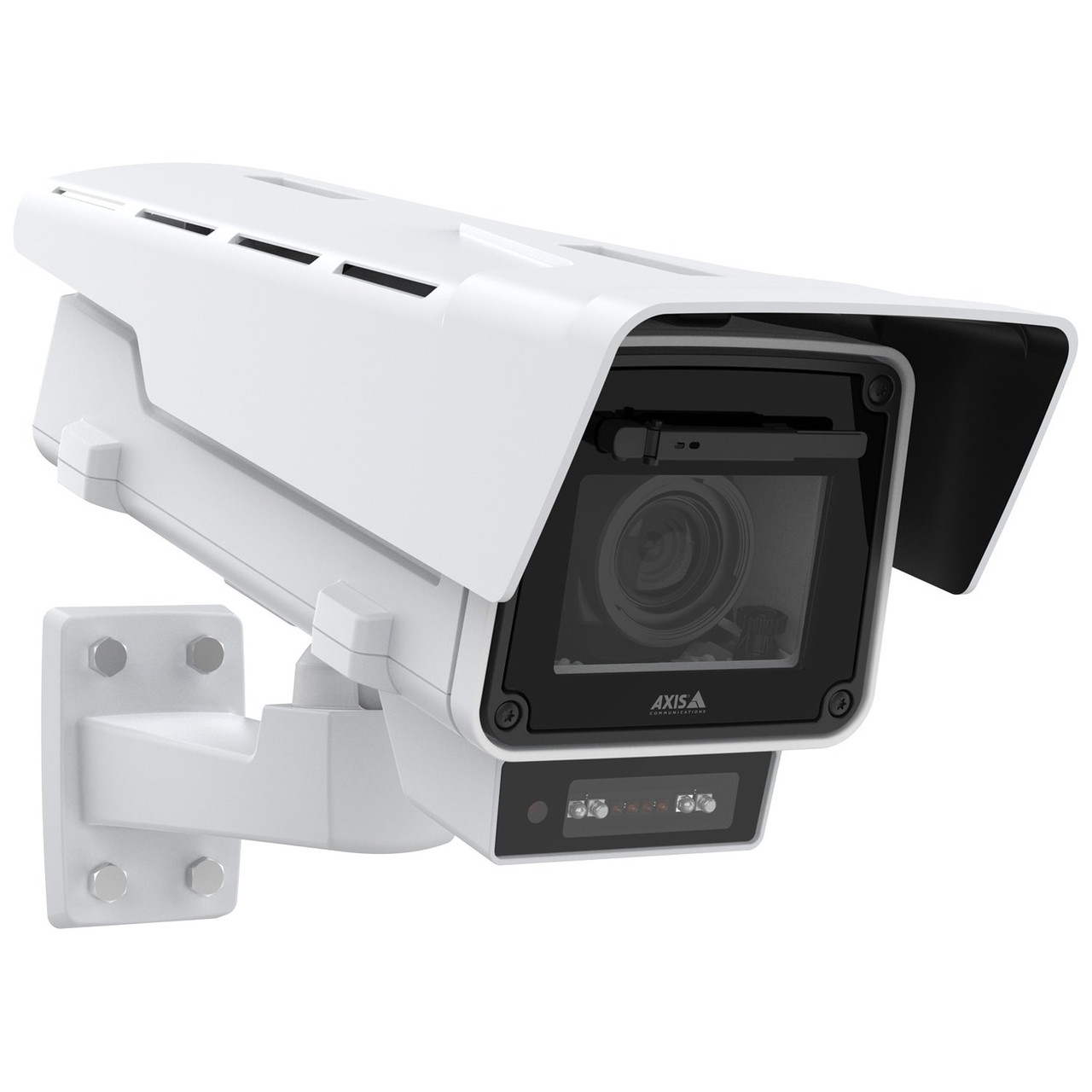
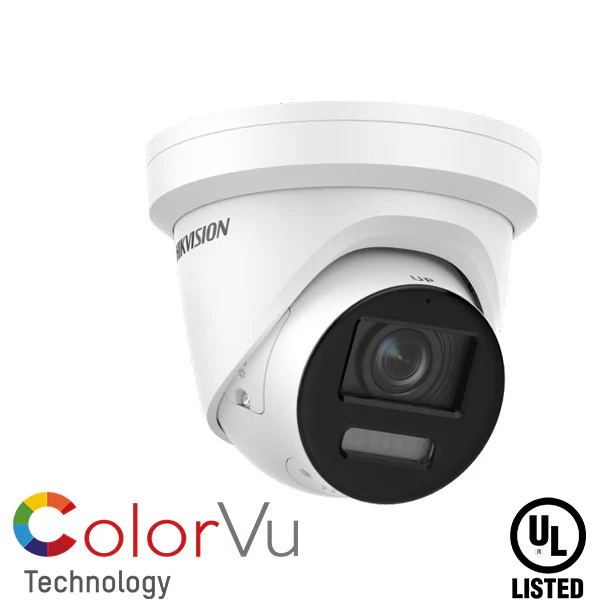
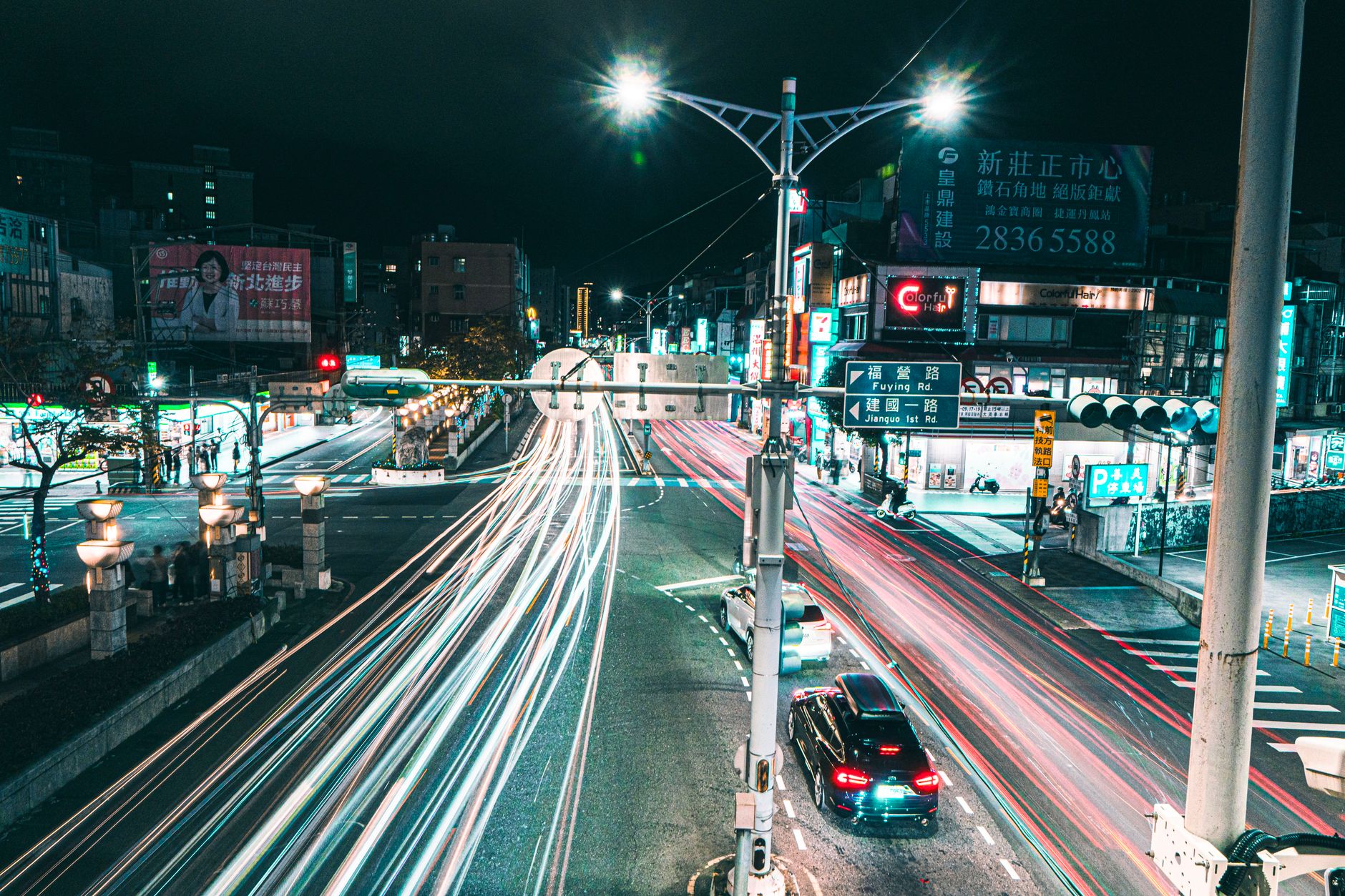
- Step 1 — AI cameras collect traffic volume data: Surveillance cameras installed at each approach to the intersection use computer vision to accurately count the number of vehicles (cars, motorcycles, buses) and classify them in real time.
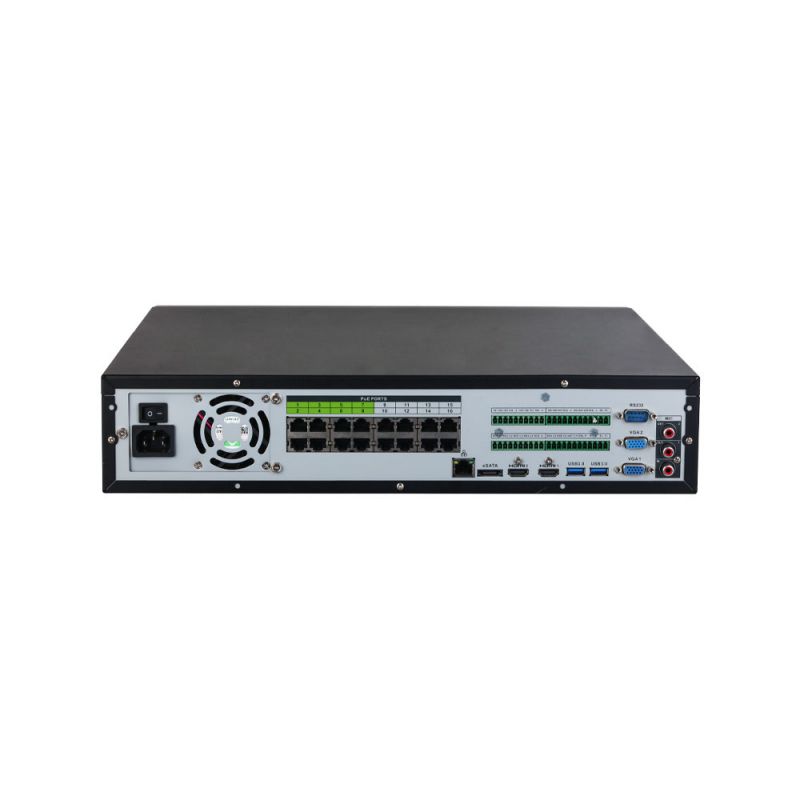
- Step 2 — Edge computing processes locally: Video data is processed directly on the edge device (AI NVR or integrated module), reducing latency to under 200ms and saving bandwidth for transmission to the center.
- Step 3 — AI algorithms predict and optimize: The system analyzes current traffic volume combined with historical data (same time, same day of the week) to predict trends for the next 5-15 minutes, thereby calculating the optimal light cycle for each phase.
- Step 4 — Adjust the traffic light controller cabinet: Control signals are sent to the controller cabinet via the NTCIP protocol or open API, changing the green/red light duration for each direction without manual intervention.
- Step 5 — Central monitoring dashboard: Data from all intersections is aggregated at the Traffic Management Center (TMC), displaying congestion heatmaps, hourly traffic volume, and KPI reports for urban planning.
Specific benefits for smart cities
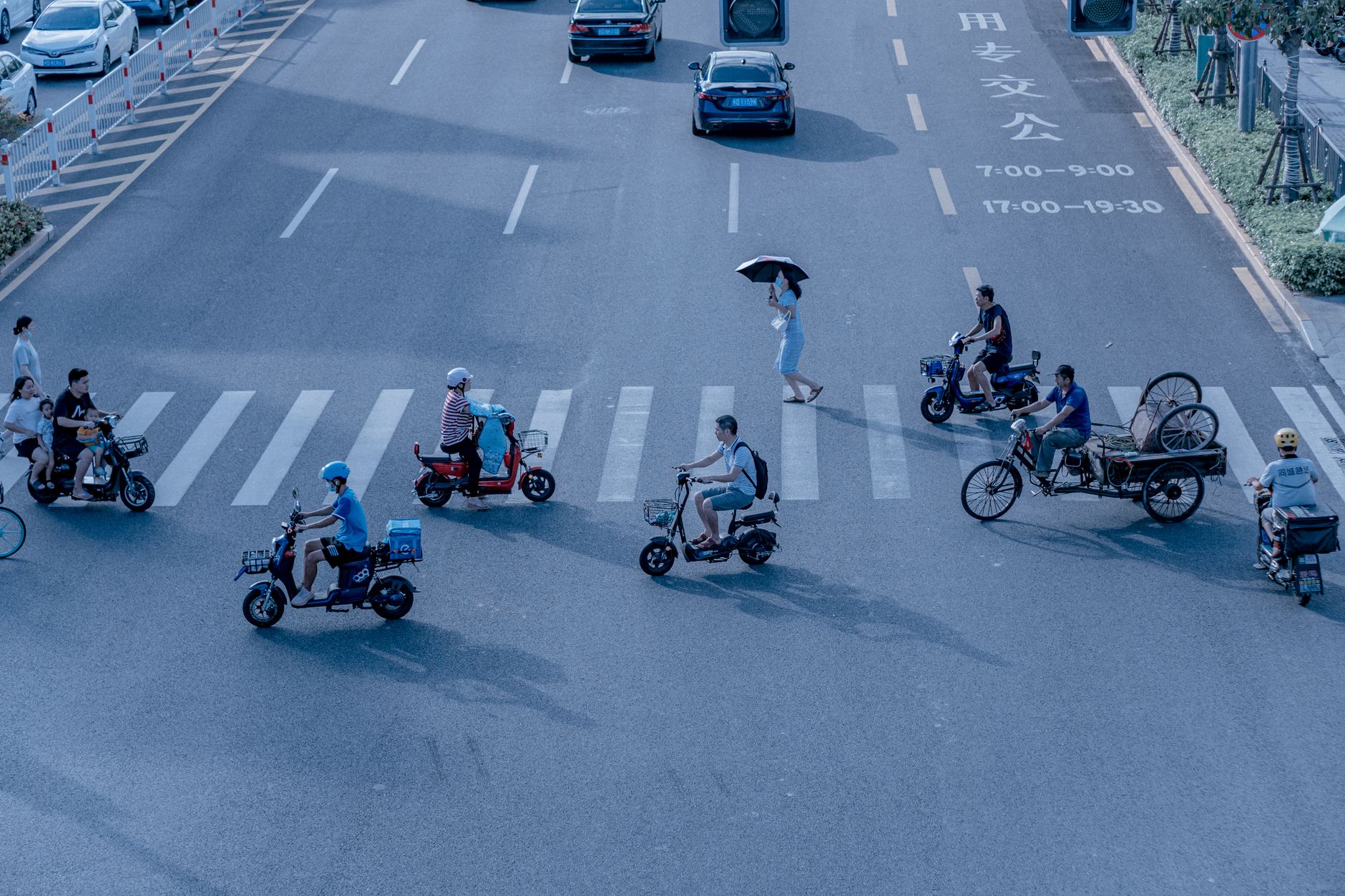
25-40% reduction in waiting time
Average stop time at intersections decreases thanks to light cycles optimized according to actual traffic volume.
Operational cost savings
Reduces direct traffic management personnel by 30-50%, while saving an estimated 15-20% in fuel for vehicles passing through the intersection.
Accurate planning data
Provides traffic volume data by hour, day, and month for authorities to adjust light scenarios and plan infrastructure.
Flexible scalability
Integrates with existing camera systems (Hikvision, Dahua) or deploys new ones without changing the old cabinet infrastructure.
Application at key traffic intersections
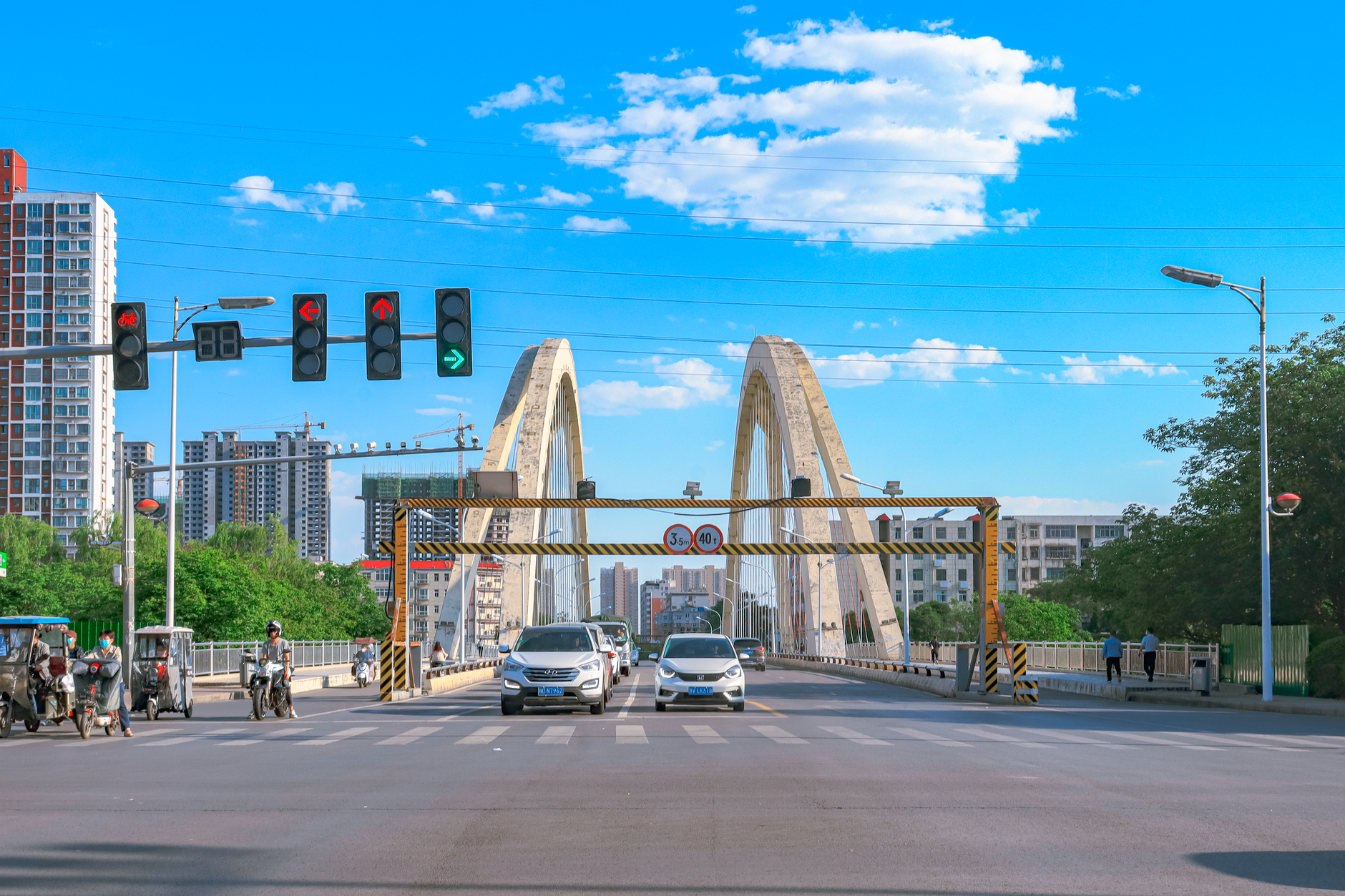
At major intersections with multiple lanes and high vehicle density (e.g., Hang Xanh Intersection, Cat Linh Overpass), the AI camera solution allows for separate analysis of each direction: directions with high bus traffic are prioritized with longer green times, while less busy directions are shortened. Trial results show intersection throughput increases by 18-22% during peak hours. The system also automatically activates priority mode for emergency vehicles (ambulance, fire truck) upon detecting special signals.
Application on arterial roads
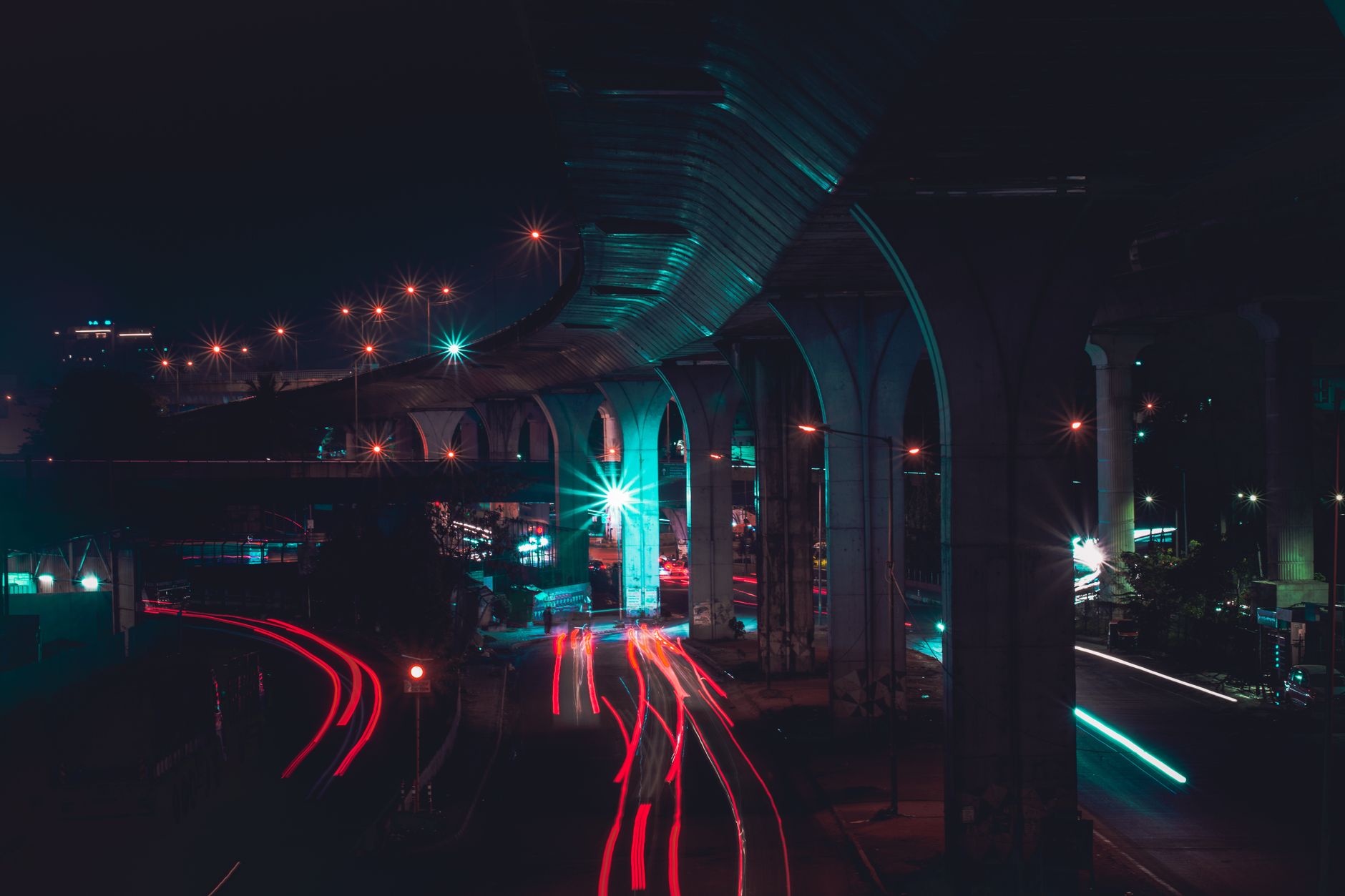
On major arterial roads (Hanoi Highway, Vo Van Kiet Boulevard), the optimal AI traffic light solution can synchronize a green wave based on actual traffic flow speed. Instead of a fixed setting of 40 km/h, the system calculates the average speed of the traffic flow over the last 10 minutes and adjusts the green time for subsequent intersections, helping to reduce the number of stops along the entire route by 30-45%. This data is also used to evaluate the effectiveness of investments in widening lanes or building overpasses.
Related equipment in the solution
Related articles
Counting bus passengers with AI: Optimize routes, reduce operating costs & increase ticket revenue in 2026
9 min readCounting metro, subway & ferry passengers with AI cameras: Load management and safety 2026
9 min readStart with a free 60-minute site survey
Our senior technical team will visit your site, assess the current setup, and propose a bundle matched to your business model and budget.