Barrier LPR (License Plate Recognition) is an automatic access control system that uses AI cameras to recognize license plates of trucks, containers, and employee vehicles at factory or industrial park gates. This technology is gradually replacing card-based barriers thanks to its contactless operation, reduced congestion, and enhanced security. This article explains in detail the operating principle of barrier LPR, from the camera frame to the barrier control signal.
What is a Factory Barrier LPR?
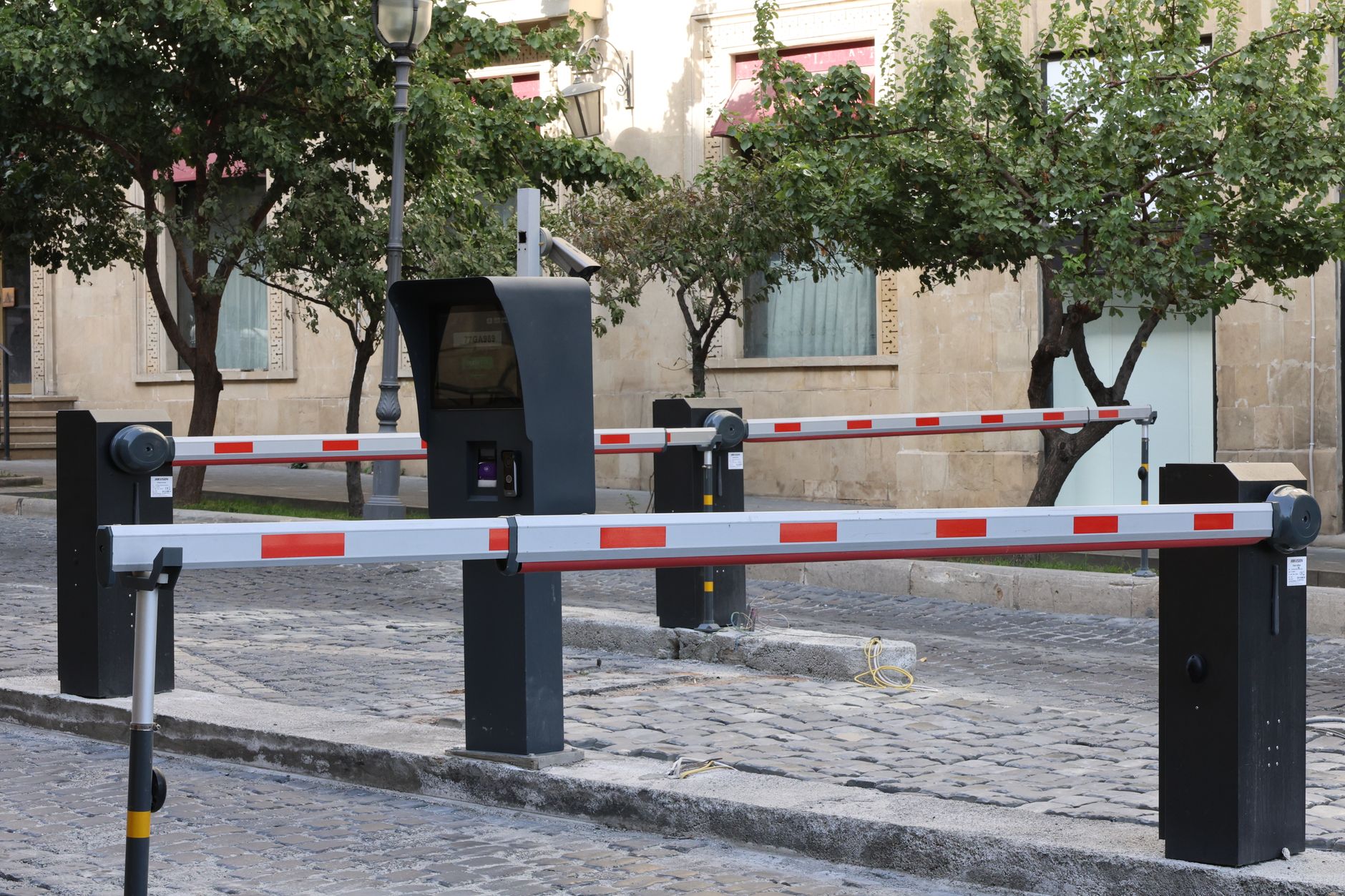
Barrier LPR is a system that integrates license plate recognition (LPR) cameras with automatic barriers, allowing authorized trucks, containers, or employee vehicles to enter/exit without stopping to swipe a card. The system consists of an LPR camera, infrared light, AI processor, and a folding arm or boom barrier.
Unlike card-based barriers that require the driver or security guard to perform manual operations, barrier LPR automatically recognizes license plates from a distance of 5-15 meters, checks against the authorized database, and opens the barrier within 1-3 seconds. According to a survey by Việt Đức Trí Group, factories applying LPR reduce waiting time at the gate from 30-45 seconds down to 3-8 seconds per vehicle.
Structure of a Barrier LPR System for Industrial Parks
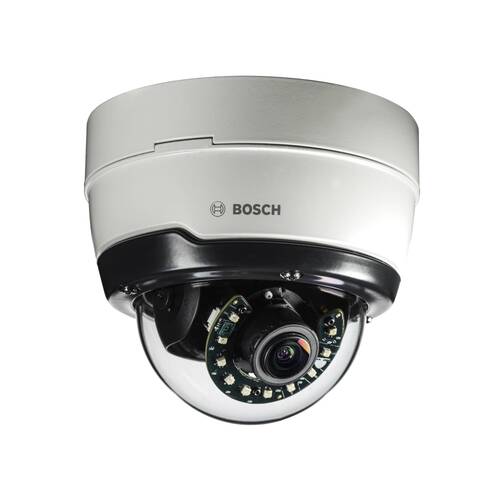
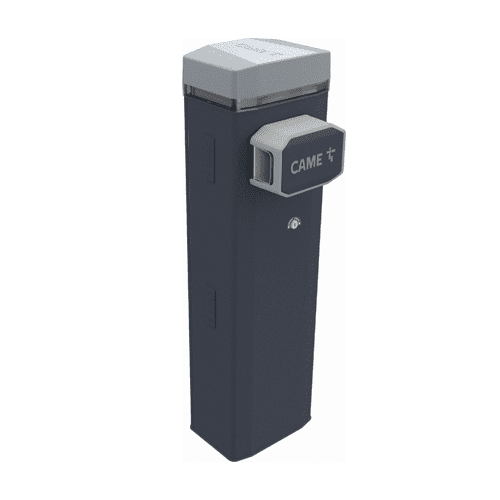
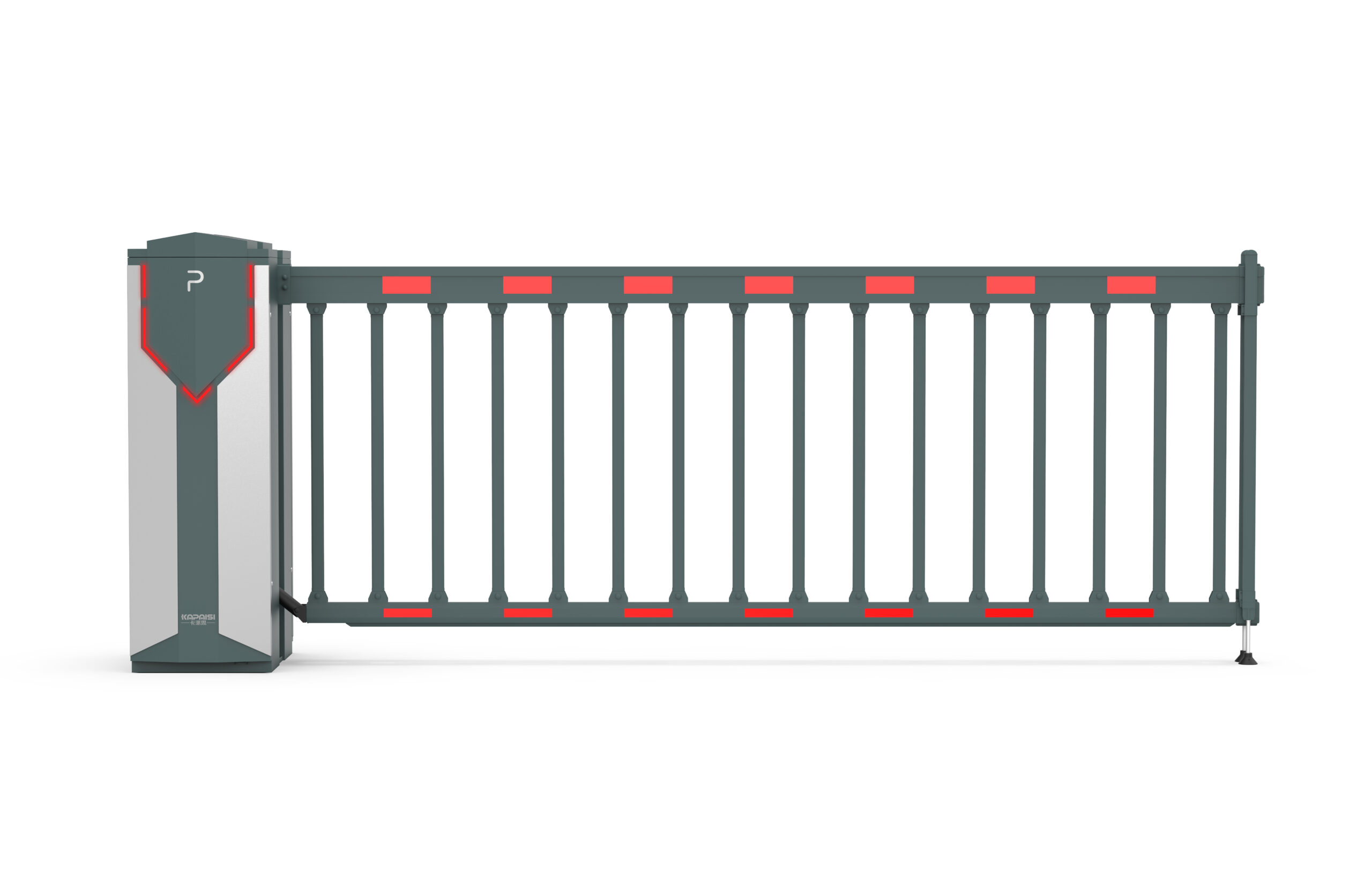
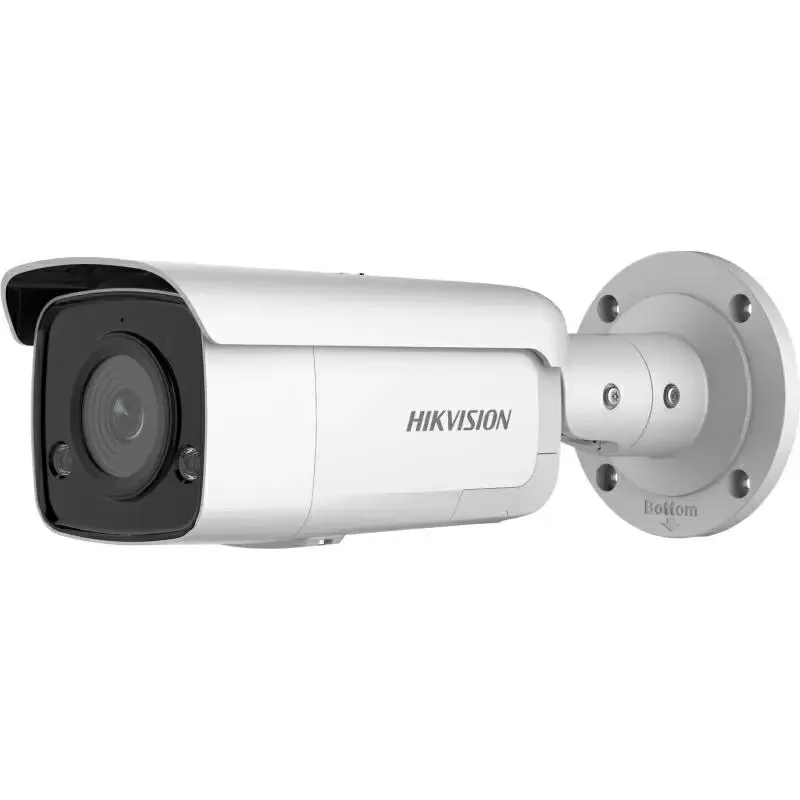

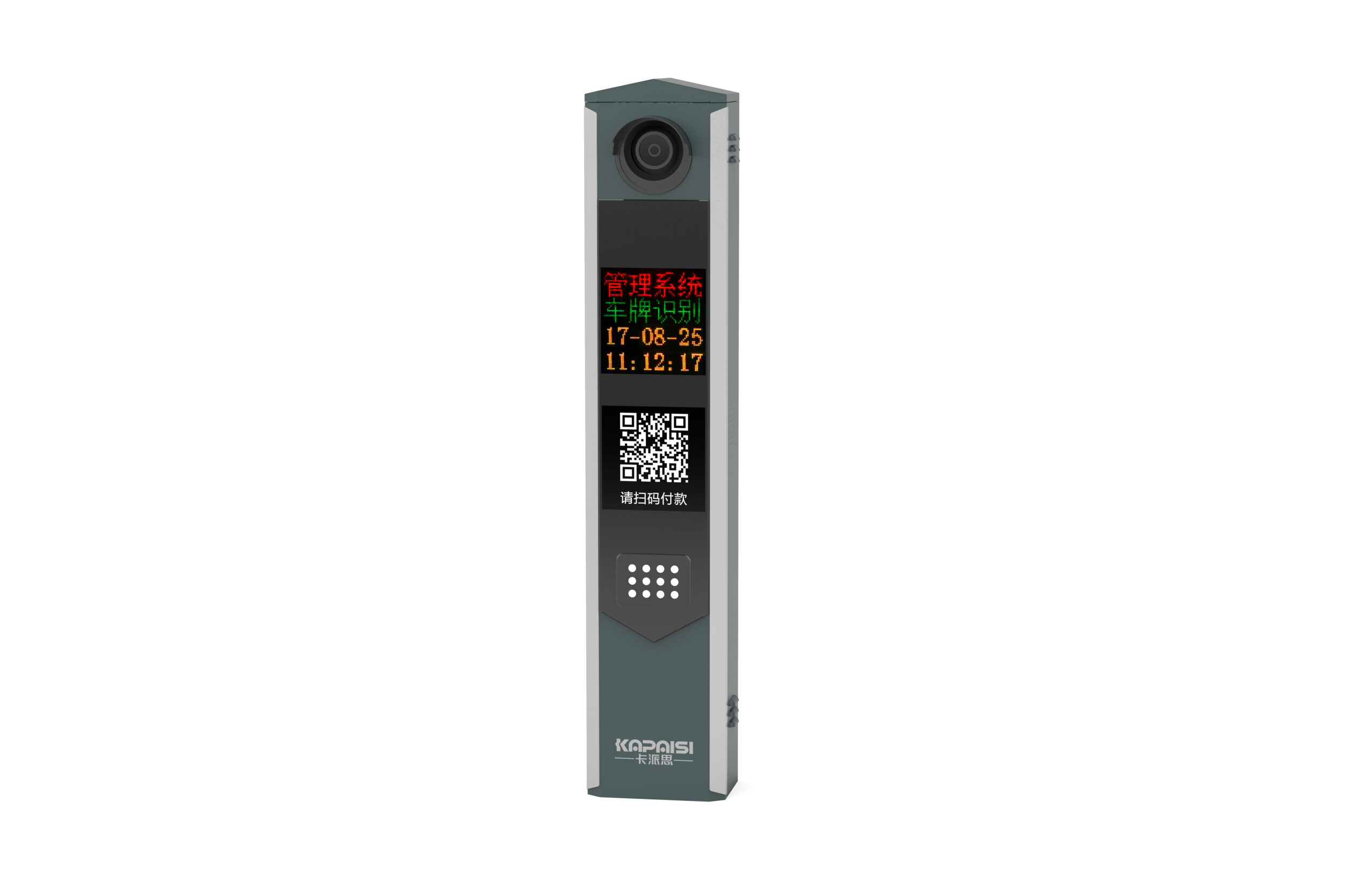
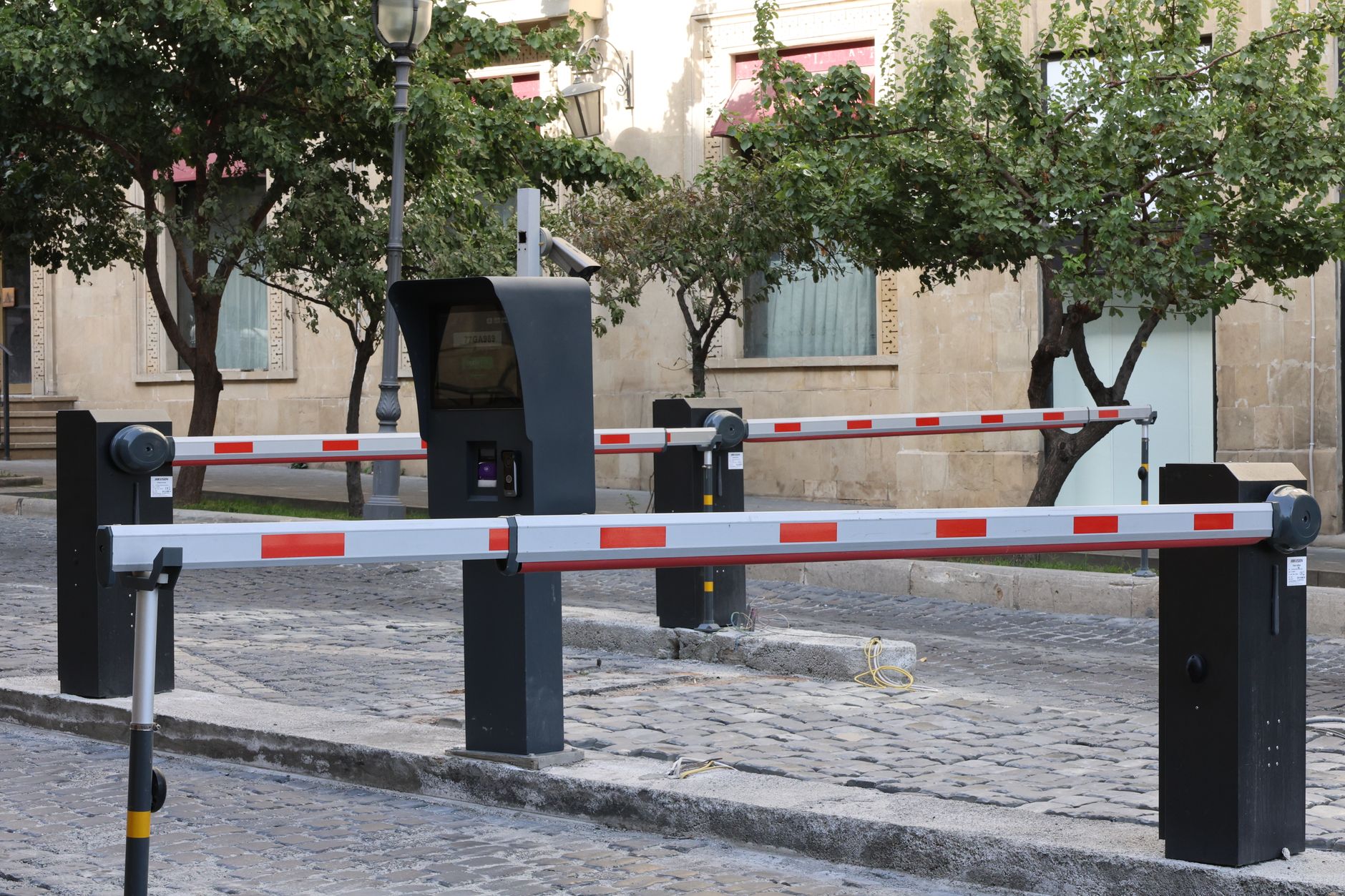
A factory barrier LPR system consists of 5 main components: an LPR camera (typically using a 12-50mm telephoto lens), an infrared LED light to illuminate the license plate, an AI processor (often an integrated NVR or embedded computer), an automatic barrier (folding arm or boom barrier 4-8 meters long), and vehicle list management software.
- LPR Camera: Minimum 2MP resolution, supports WDR (Wide Dynamic Range) to handle license plates that are glaring or dark at night. The telephoto lens enables reading container license plates at a distance of 10-15 meters.
- Infrared Light: Wavelength 850nm or 940nm, automatically turns on in low light, ensuring the camera reads license plates 24/7.
- AI Processor: Recognizes characters on Vietnamese license plates (both single-line and double-line), processing speed of 100-200ms per frame.
- Automatic Barrier: Aluminum alloy folding arm or boom barrier 4-8 meters long, AC 220V or DC 24V motor, integrated safety sensors to prevent vehicle trapping.
- Management Software: Stores whitelist of vehicles, logs entry/exit records, alerts for unknown license plates.
Barrier LPR Operating Principle: 4 Steps from Camera to Barrier
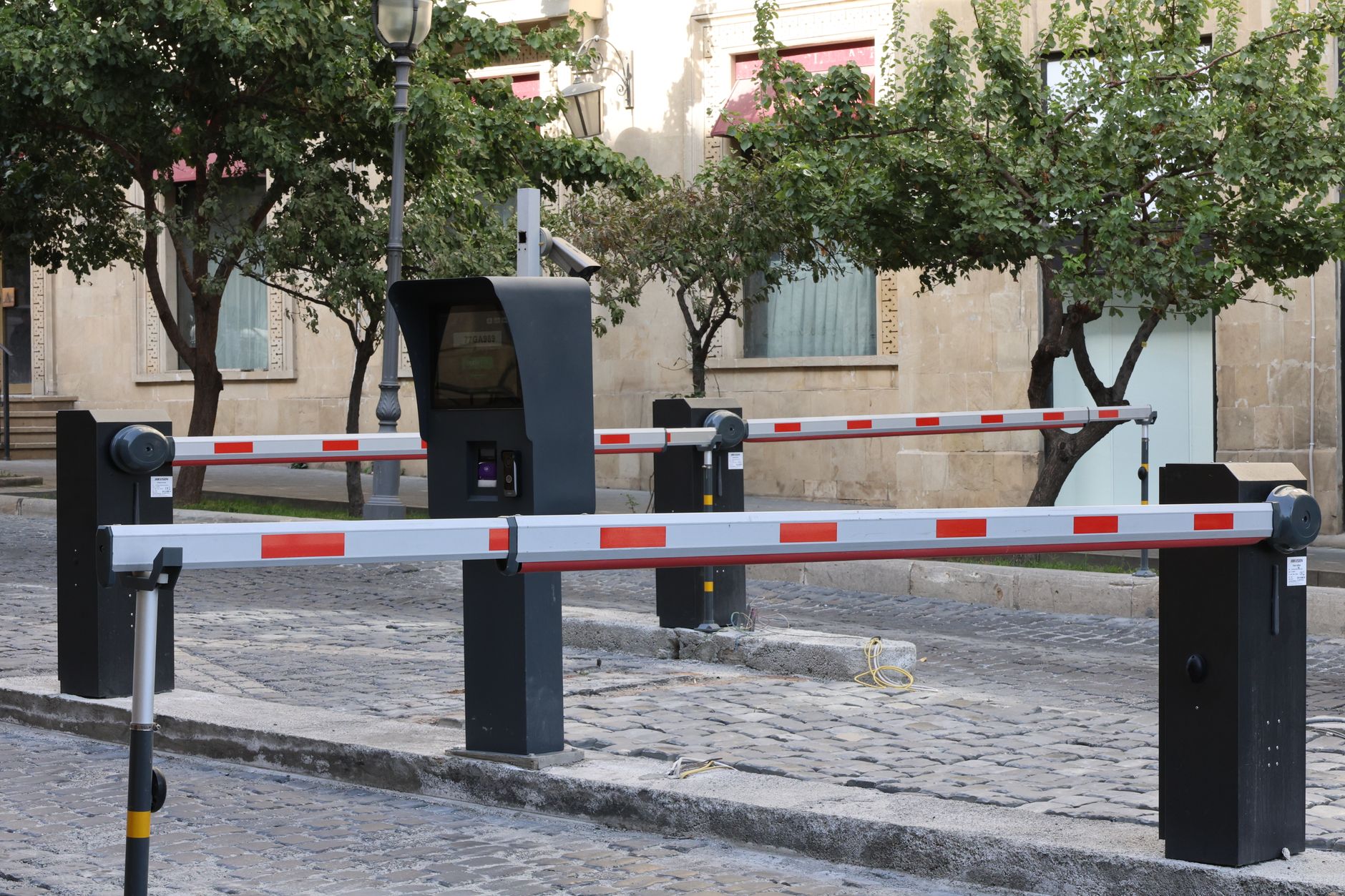
The operating process of barrier LPR consists of 4 sequential steps: (1) The camera captures the image of the vehicle entering the gate, (2) The AI processor detects and extracts the license plate, (3) Matching against the database, (4) Sending the control signal to open or deny the barrier. The entire process takes place within 1-3 seconds.
- Vehicle Detection and Image Capture: A loop detector or radar sensor detects the vehicle approaching the gate area. The LPR camera is triggered to capture the front/rear license plate image at a maximum tilt angle of 30 degrees.
- Image Processing and Character Recognition: The AI processor applies OCR (Optical Character Recognition) algorithms to analyze the license plate area. The system normalizes brightness, corrects tilt, and recognizes each character (letters + numbers). For double-line container license plates, the AI must correctly combine the order.
- Database Matching: The license plate is compared against the authorized vehicle list (whitelist). The system also checks validity time (e.g., trucks can only enter during 6:00-22:00).
- Barrier Control: If the license plate is valid, the processor sends a relay signal (typically 12V DC) to the barrier motor, activating the arm to open. The barrier automatically closes after 5-10 seconds via a timer or a vehicle-passing sensor.