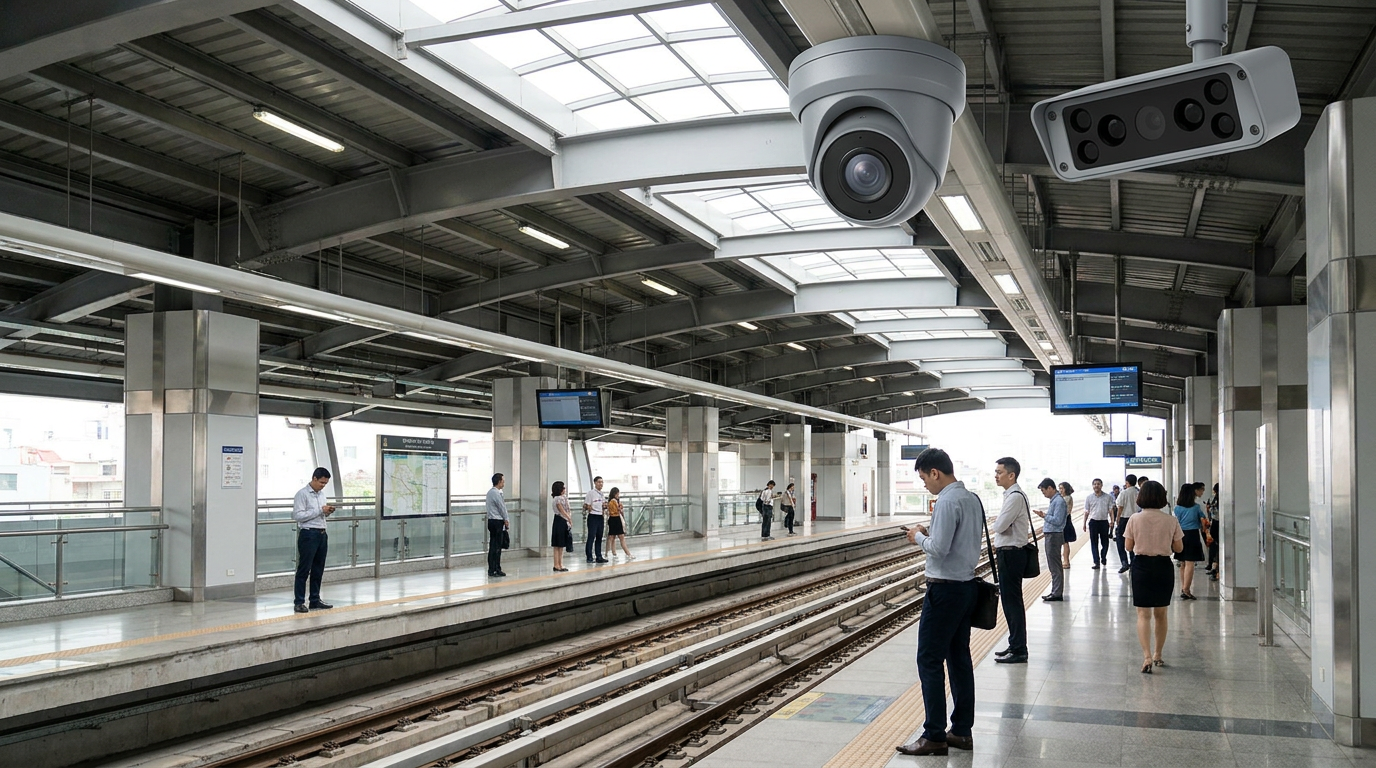
AI people counting cameras and infrared sensors are the two most popular technologies for measuring passenger flow at metro stations and subway cars. AI cameras use computer vision and deep learning to identify and count people in real time, while infrared sensors detect changes in temperature or interrupted beams. This article compares AI cameras vs. infrared sensors for metro applications based on accuracy, noise immunity, cost, and suitability for Vietnam's railway environment — helping you choose the right solution for your metro line.
What is an AI people counting camera for metro and who is it suitable for?
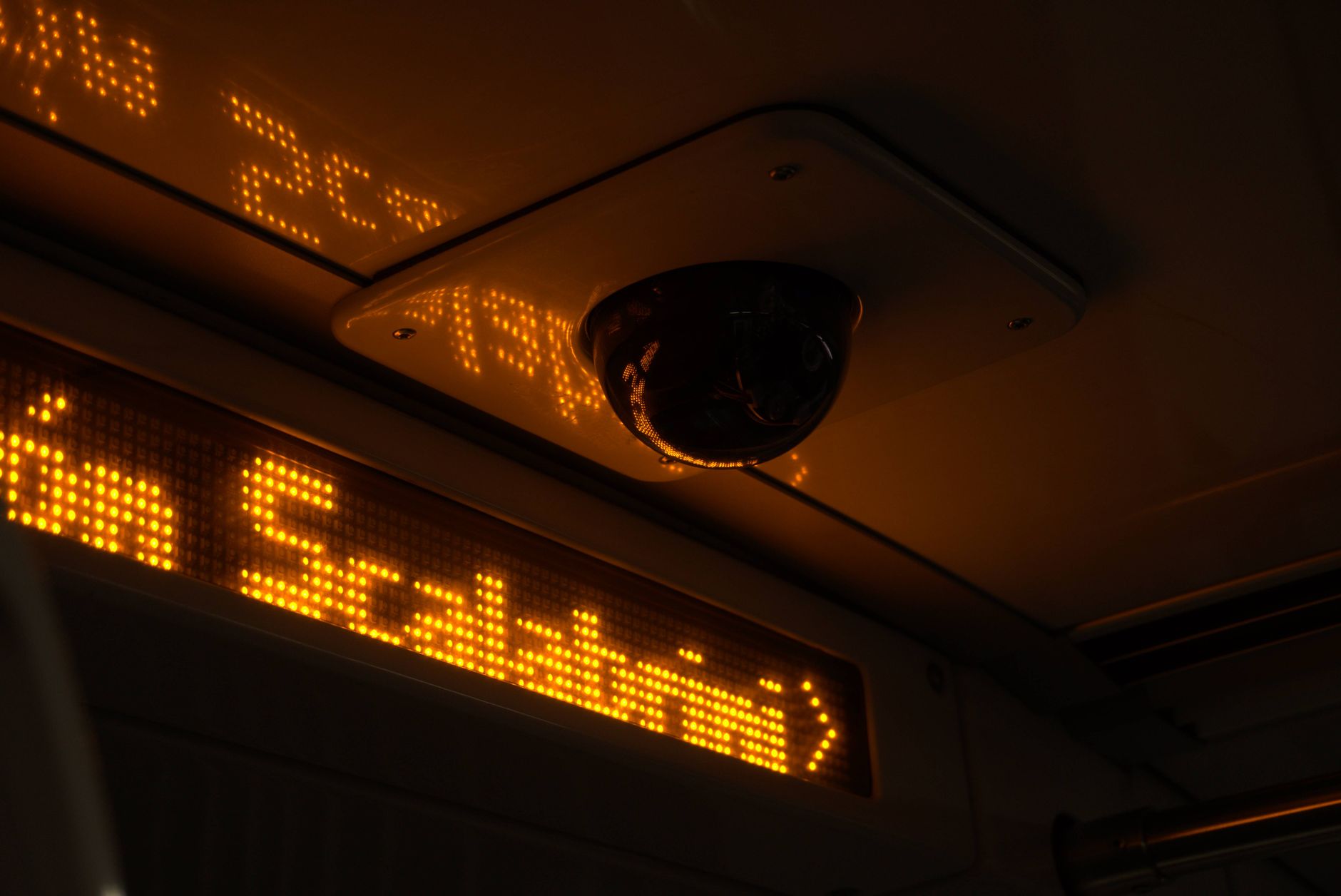
An AI people counting camera for metro is a solution that uses a camera with an integrated AI processing chip (edge computing) or connects to a central server, analyzing each video frame to identify heads, shoulders, and movement. This technology achieves 95-99% accuracy in crowded metro conditions, resisting vibration and changing light interference thanks to deep learning algorithms.
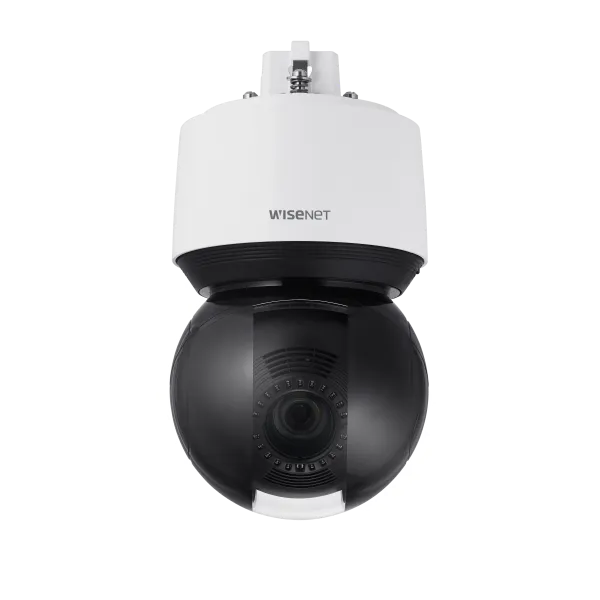
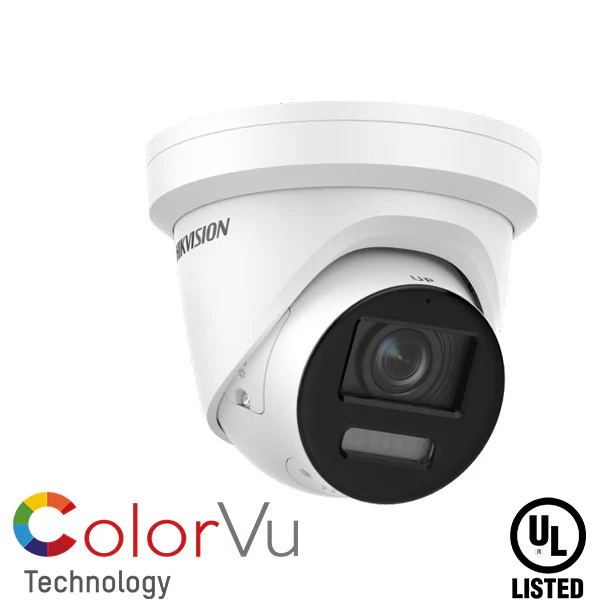
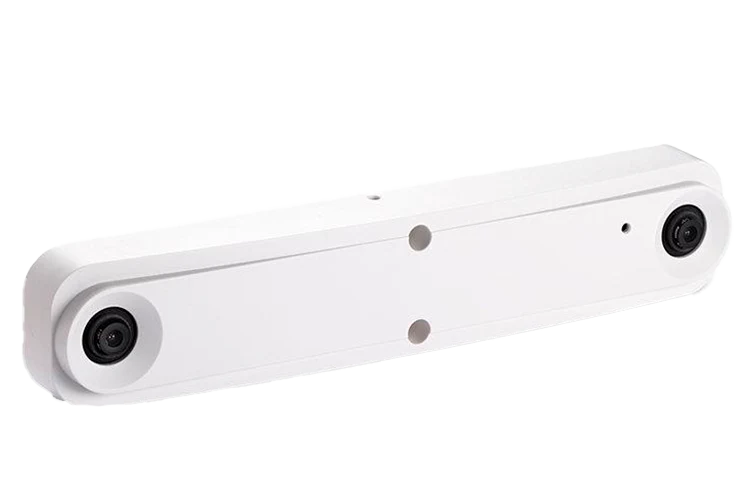
AI cameras are suitable for metro lines requiring highly accurate data for optimizing trip frequency, ticket management, and security. Major stations like Metro Ben Thanh (Ho Chi Minh City) or Metro Nhon-Hanoi Station are testing this solution for real-time subway occupancy counting. Notable products include AI passenger counting cameras from brands such as Hikvision AcuSense, Dahua WizMind, and Xovis PC3.
What is an infrared people counting sensor for metro and who is it suitable for?
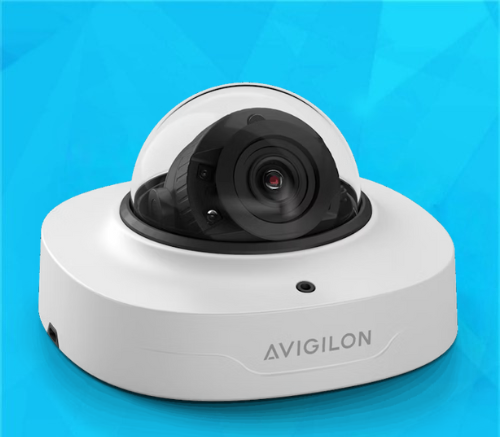
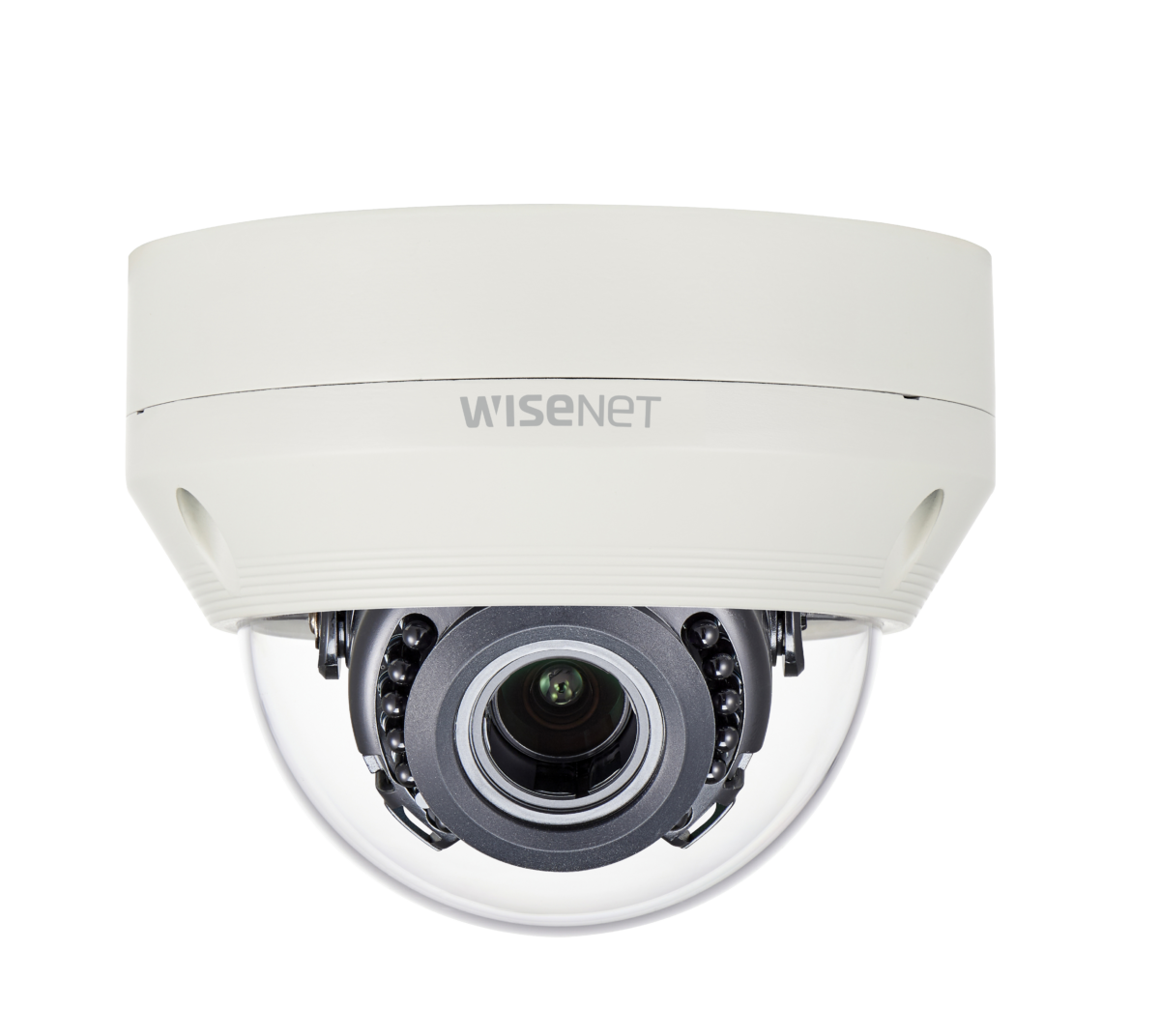
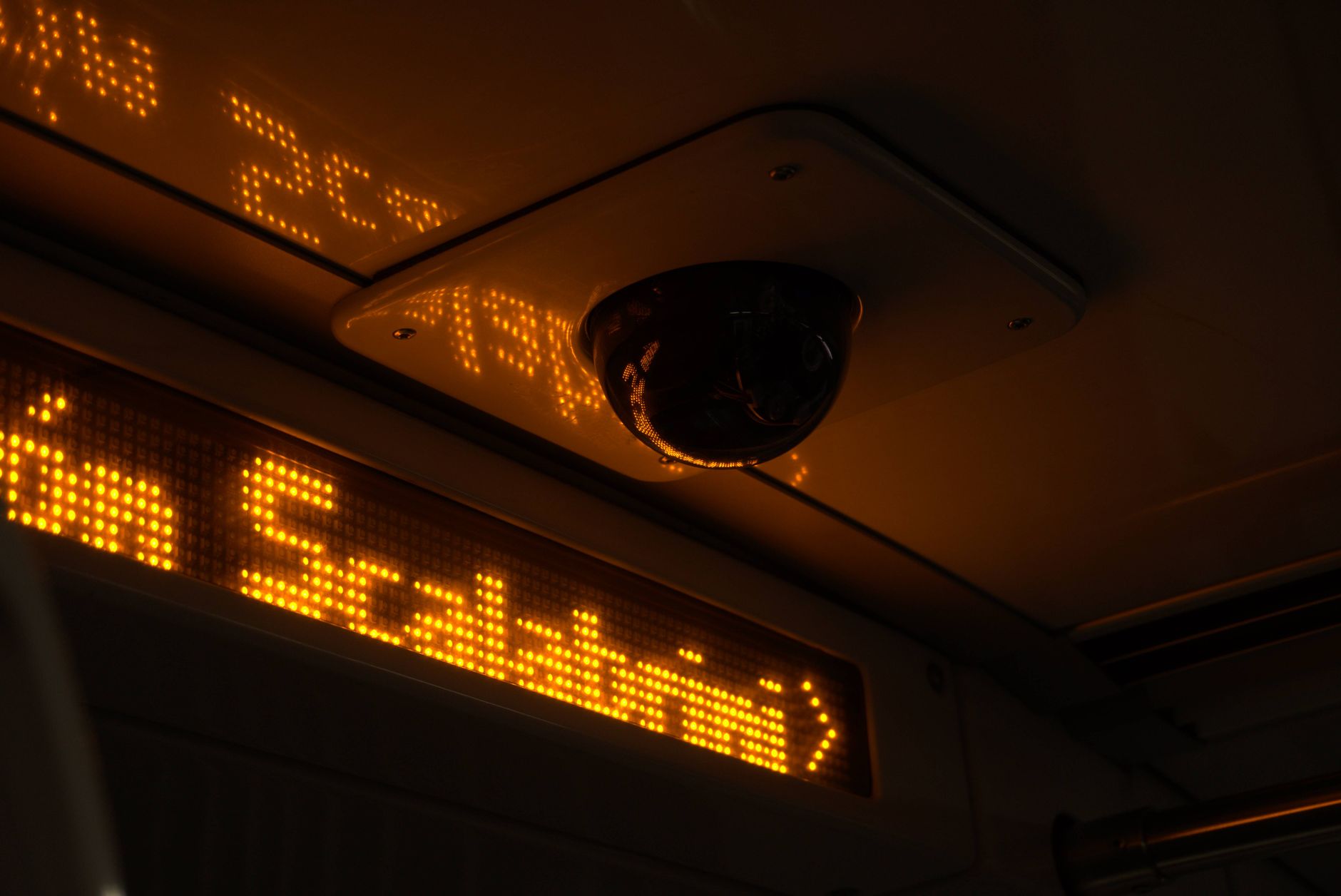
Infrared sensors (PIR or photoelectric) detect people through changes in body temperature or interrupted infrared beams. They cost 50-70% less than AI cameras, are easy to install and maintain, but only achieve 70-85% accuracy in crowded metro environments due to interference from vibration and ambient temperature.
This solution is suitable for small metro lines with limited budgets, or areas with low foot traffic such as emergency exits and staircases. However, with high passenger density and the need for accurate data for operational planning, infrared sensors often fall short.
Detailed comparison of AI cameras vs. infrared sensors for metro
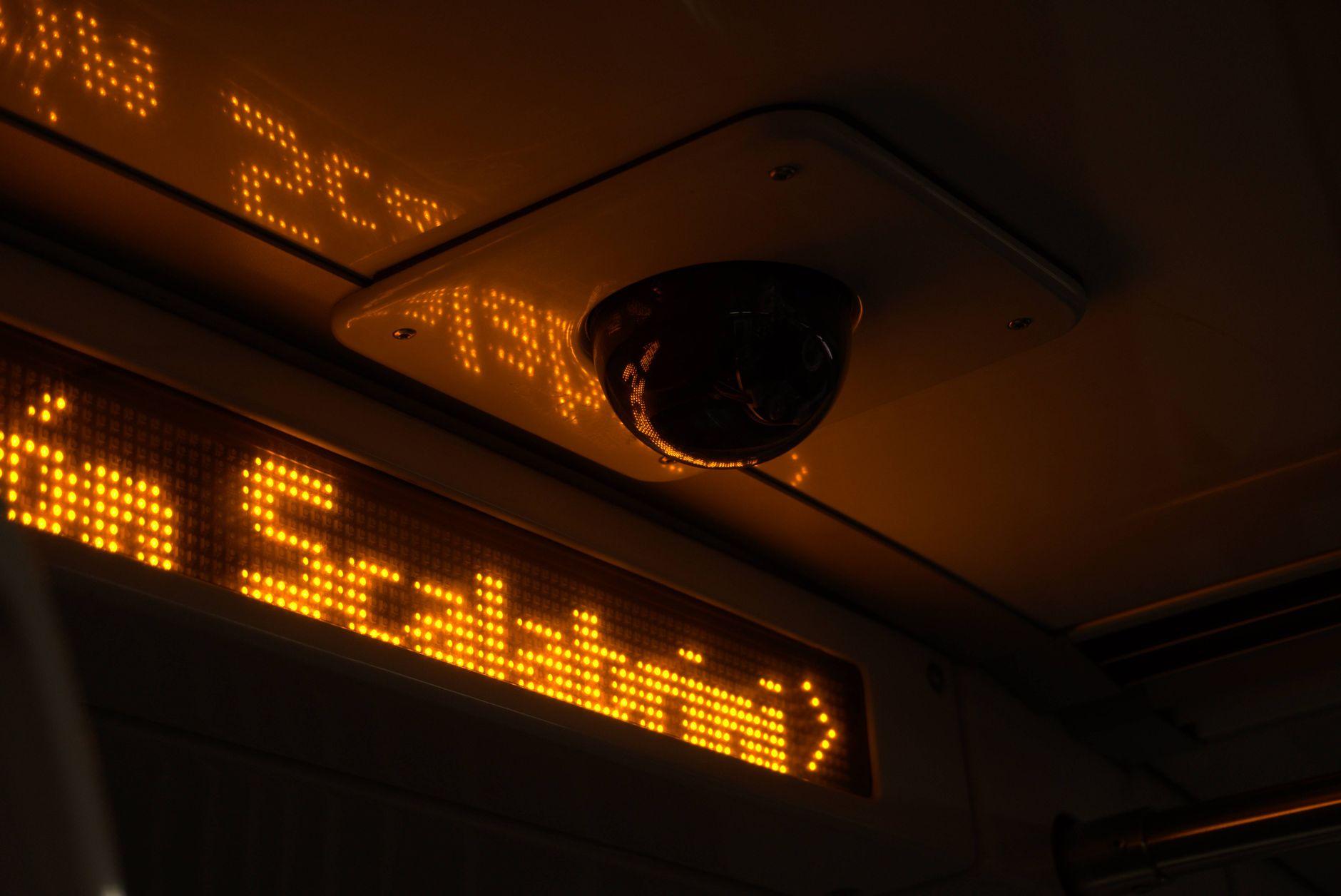
The table below compares AI cameras and infrared sensors based on 7 important criteria for the Vietnamese metro environment, including accuracy, noise immunity, cost, and integration capability.
| Criteria | AI Camera | Infrared Sensor |
|---|---|---|
| Accuracy | Best: 95-99% | 70-85% (high error when crowded) |
| Vibration resistance | Best: Vibration filtering algorithm | Poor — vibration causes false alarms |
| Light interference resistance | Best: Works well in dark and bright conditions | Stable (uses heat, independent of light) |
| Investment cost (per point) | 8-15 million VND | Best: 2-5 million VND |
| Annual maintenance cost | 1-2 million VND (lens cleaning, firmware update) | Best: 0.3-0.8 million VND (battery replacement/testing) |
| System integration capability | Best: VMS, POS, SCADA, real-time reporting | Limited — only ON/OFF signal output |
| Scalability | Best: Easy to expand via IP network | Difficult to expand, requires additional modules |
Choosing by use case: AI camera or infrared sensor?
Related articles
Counting bus passengers with AI: Optimize routes, reduce operating costs & increase ticket revenue in 2026
9 min readCounting metro, subway & ferry passengers with AI cameras: Load management and safety 2026
9 min readStart with a free 60-minute site survey
Our senior technical team will visit your site, assess the current setup, and propose a bundle matched to your business model and budget.