
This article compares two popular people counting technologies in hospitals: AI cameras (computer vision) and infrared sensors (PIR). Each technology has its own advantages and disadvantages in terms of accuracy, cost, and adaptability to the medical environment — you will be able to choose the right solution after reading.
What is an AI camera for hospital people counting?
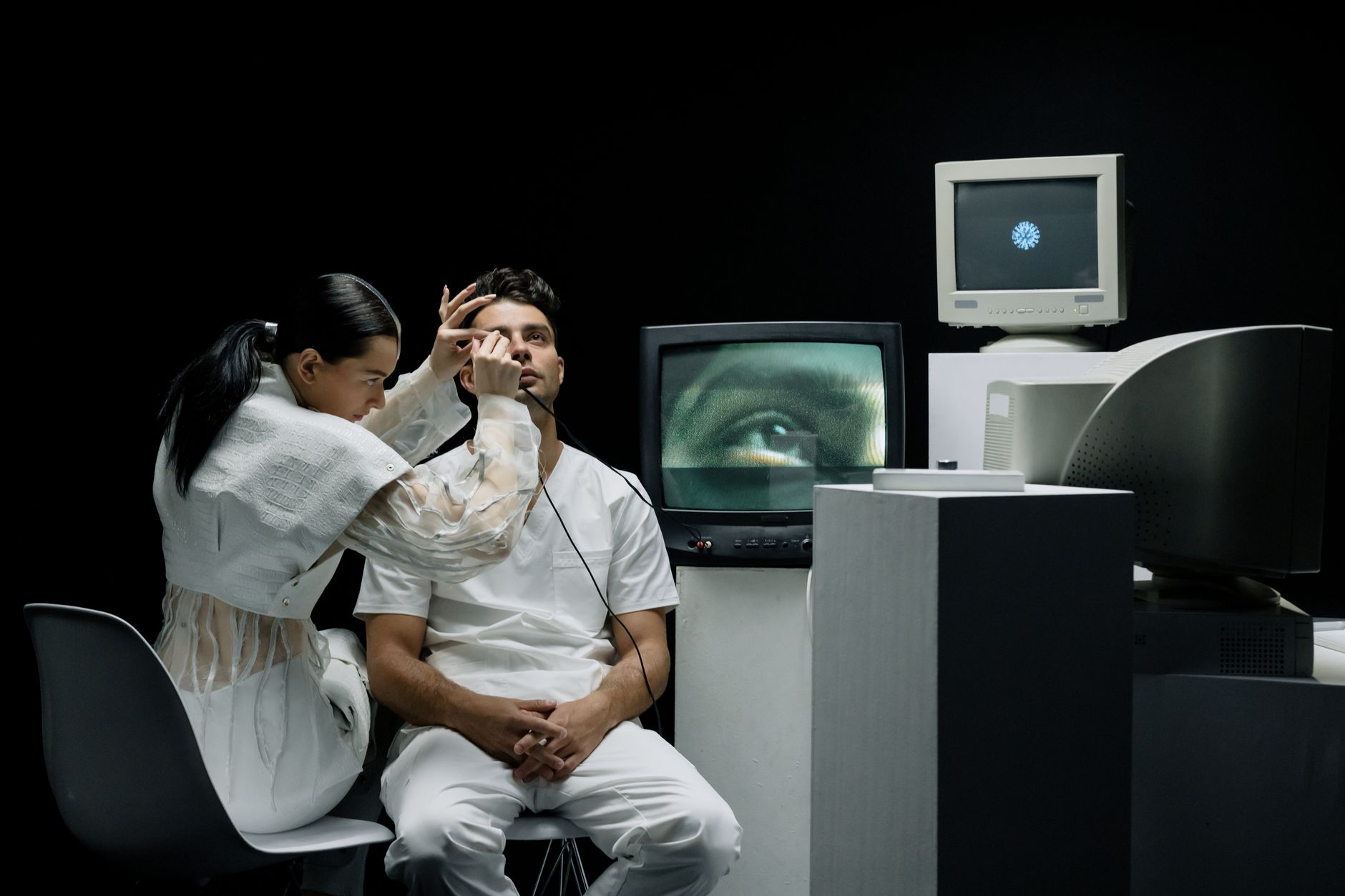
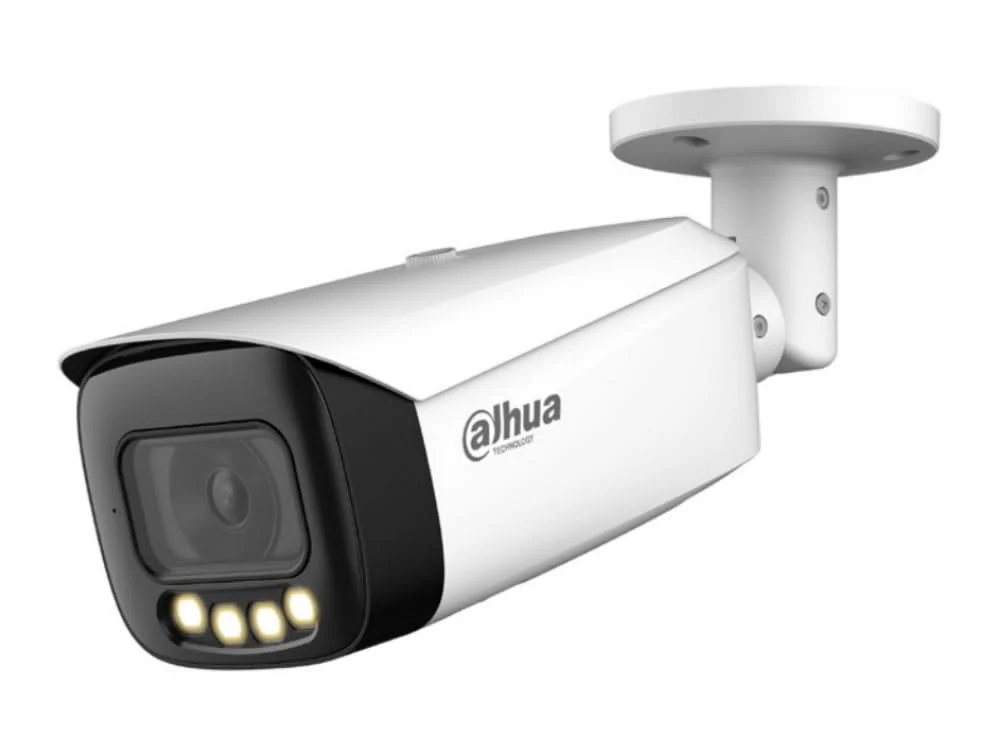
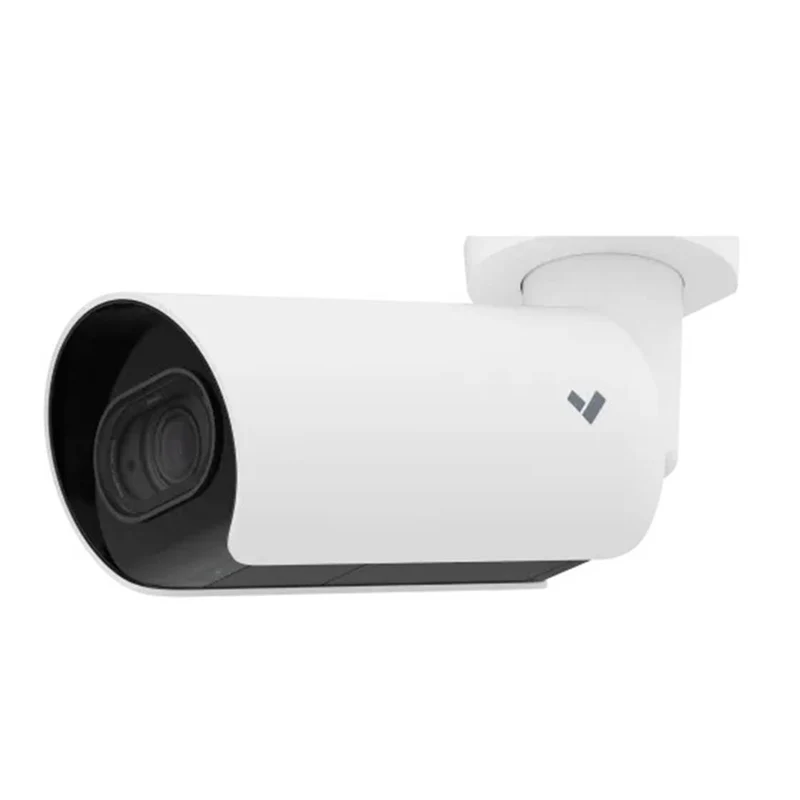
An AI camera for hospital people counting uses computer vision and deep learning algorithms to detect, count, and classify human subjects in a real-time video stream. Beyond just counting numbers, AI cameras can also analyze behavior, track movement flows, and measure dwell time.
AI cameras such as the Xovis PC3 series or solutions from Hikvision AcuSense can achieve 95-99% accuracy in crowded conditions. This technology operates by analyzing each image frame, recognizing human shapes rather than just detecting temperature like infrared sensors. In a hospital environment with many people wearing white lab coats, patients in wheelchairs or on stretchers, AI cameras maintain high accuracy thanks to deep learning capabilities.
What is an infrared sensor for hospital people counting?
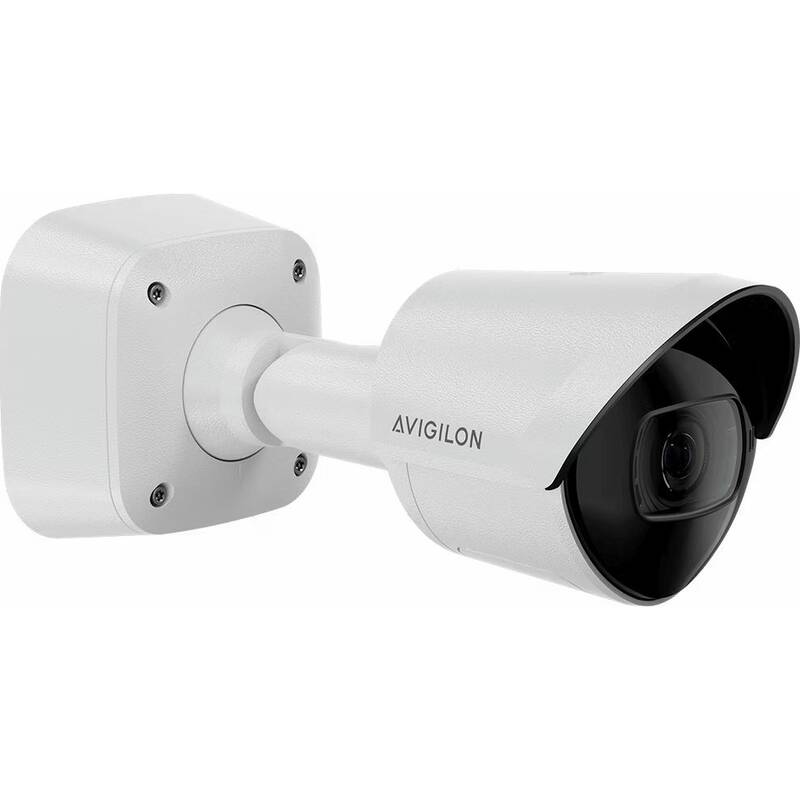
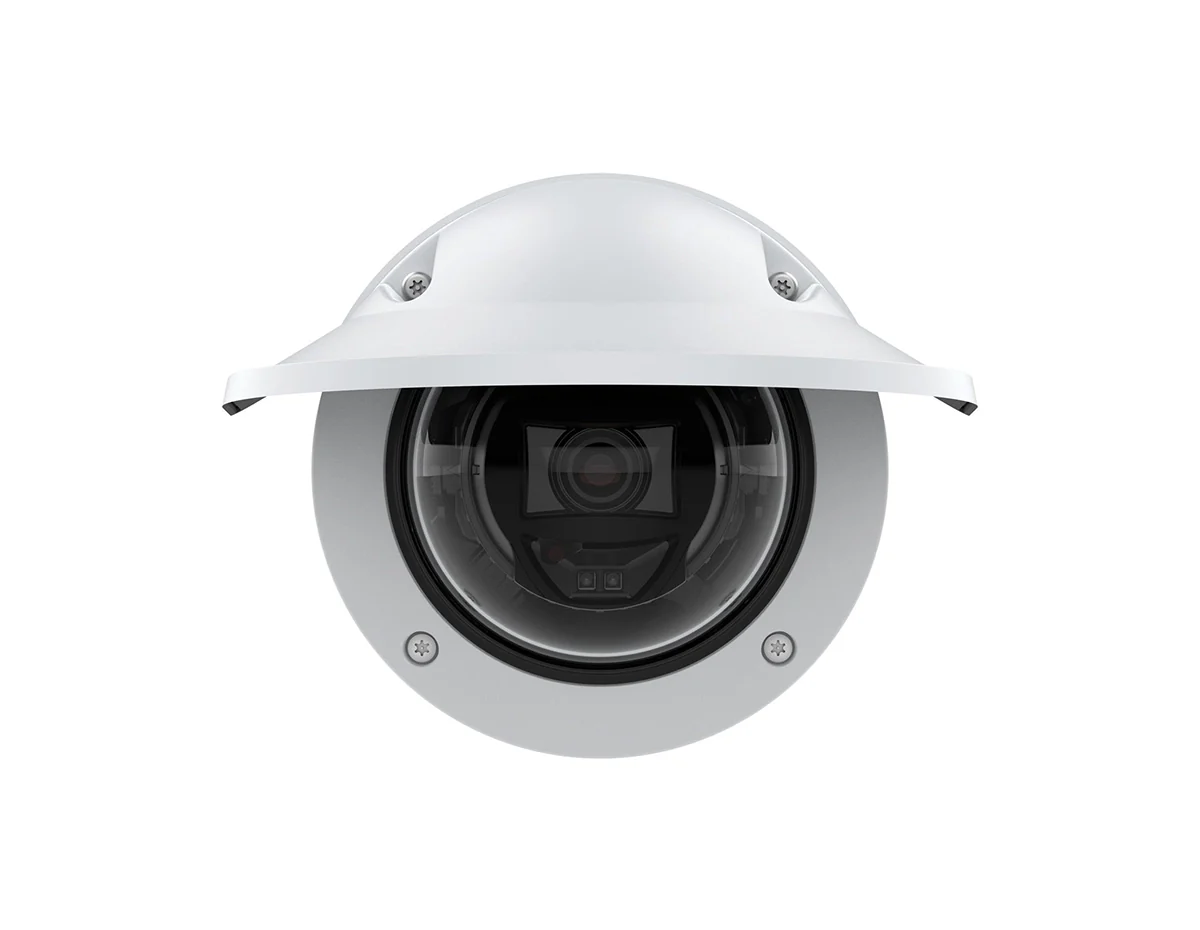
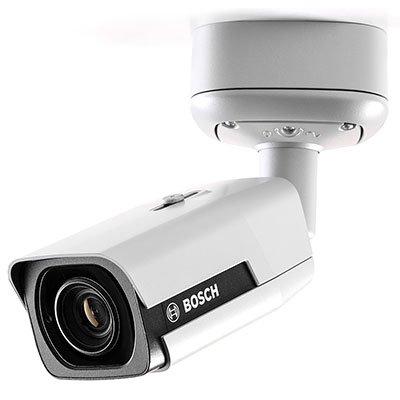

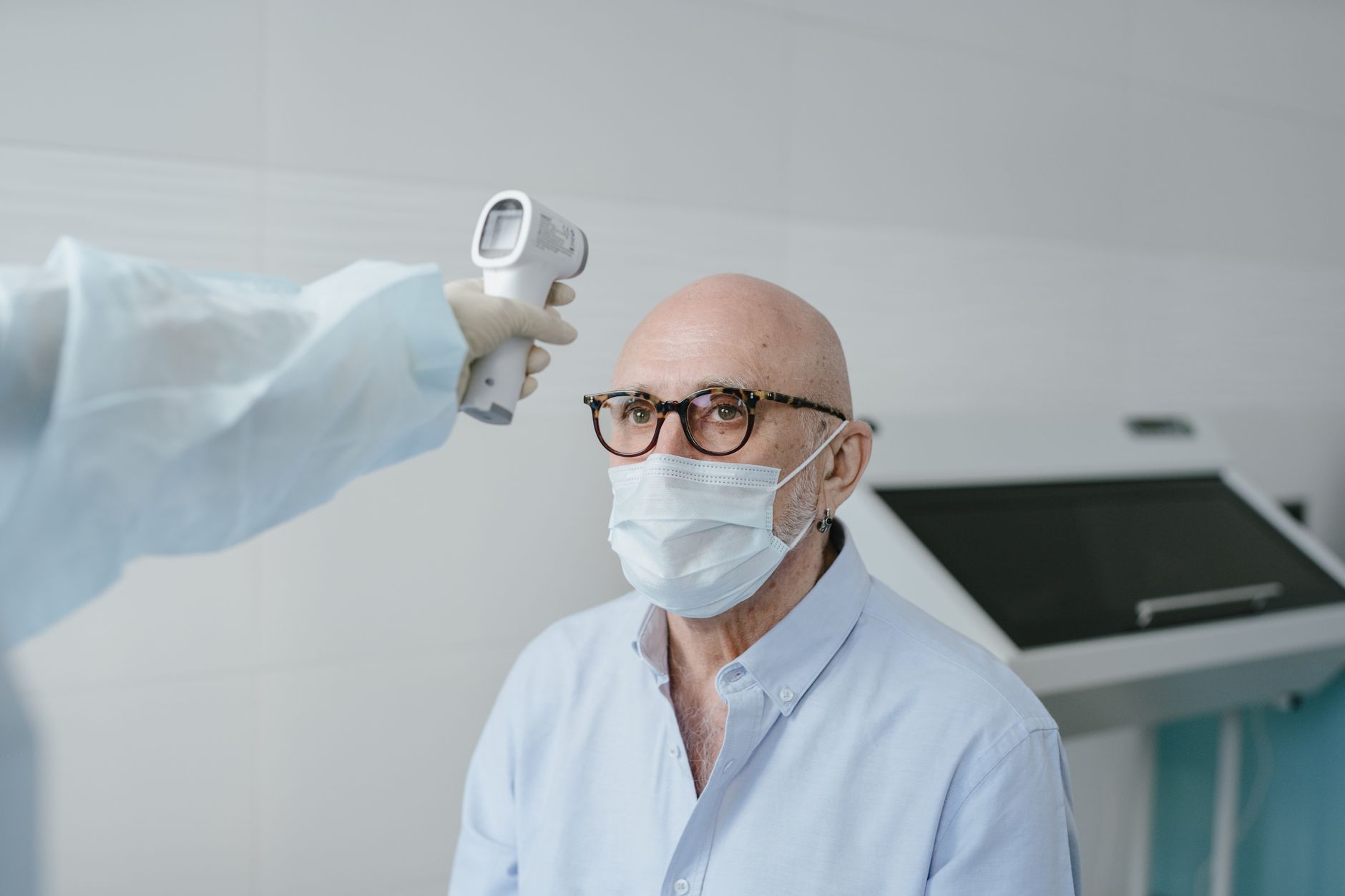
Infrared sensors (PIR - Passive Infrared) detect changes in human body temperature to count numbers. These devices are cheaper and simpler but are easily interfered with by other heat sources and cannot distinguish people from objects.
Infrared sensors work by measuring infrared radiation from the human body. When a person passes through the detection zone, the sensor registers the temperature change and activates the counter. However, in a hospital — where there are many heat sources from medical equipment, sunlight through glass windows, or patients with high fevers — the sensor is prone to counting errors. Accuracy typically only reaches 70-90% in real-world conditions, and the error rate increases when multiple people pass through simultaneously.
Detailed comparison of AI cameras and infrared sensors for hospitals

The comparison table below summarizes the 6 most important criteria when choosing people counting technology for hospitals. AI cameras excel in accuracy and analytical capability, while infrared sensors win on low cost.
| Criteria | AI Camera | Infrared Sensor |
|---|---|---|
| Accuracy | Best 95-99% | 70-90% (prone to errors when crowded) |
| Person/object differentiation | Yes (object classification) | No (heat detection only) |
| Initial investment cost | 30-50% higher | Best Lower |
| Maintenance | Low (firmware updates) | Medium (sensors prone to failure) |
| Patient flow analytics integration | Best Built-in | No or limited |
| Suitability for hospital environment | Best High (good noise immunity) | Medium (easily interfered with by equipment) |
When should you choose an AI camera for a hospital?

AI cameras are suitable for areas requiring high accuracy and behavior analysis: crowded waiting halls, examination rooms, ultrasound and lab test waiting areas. The higher initial investment provides valuable patient flow analytics data.
- Waiting halls and crowded areas: AI cameras accurately count hundreds of people simultaneously, measure average dwell time, and alert when overload thresholds are exceeded.