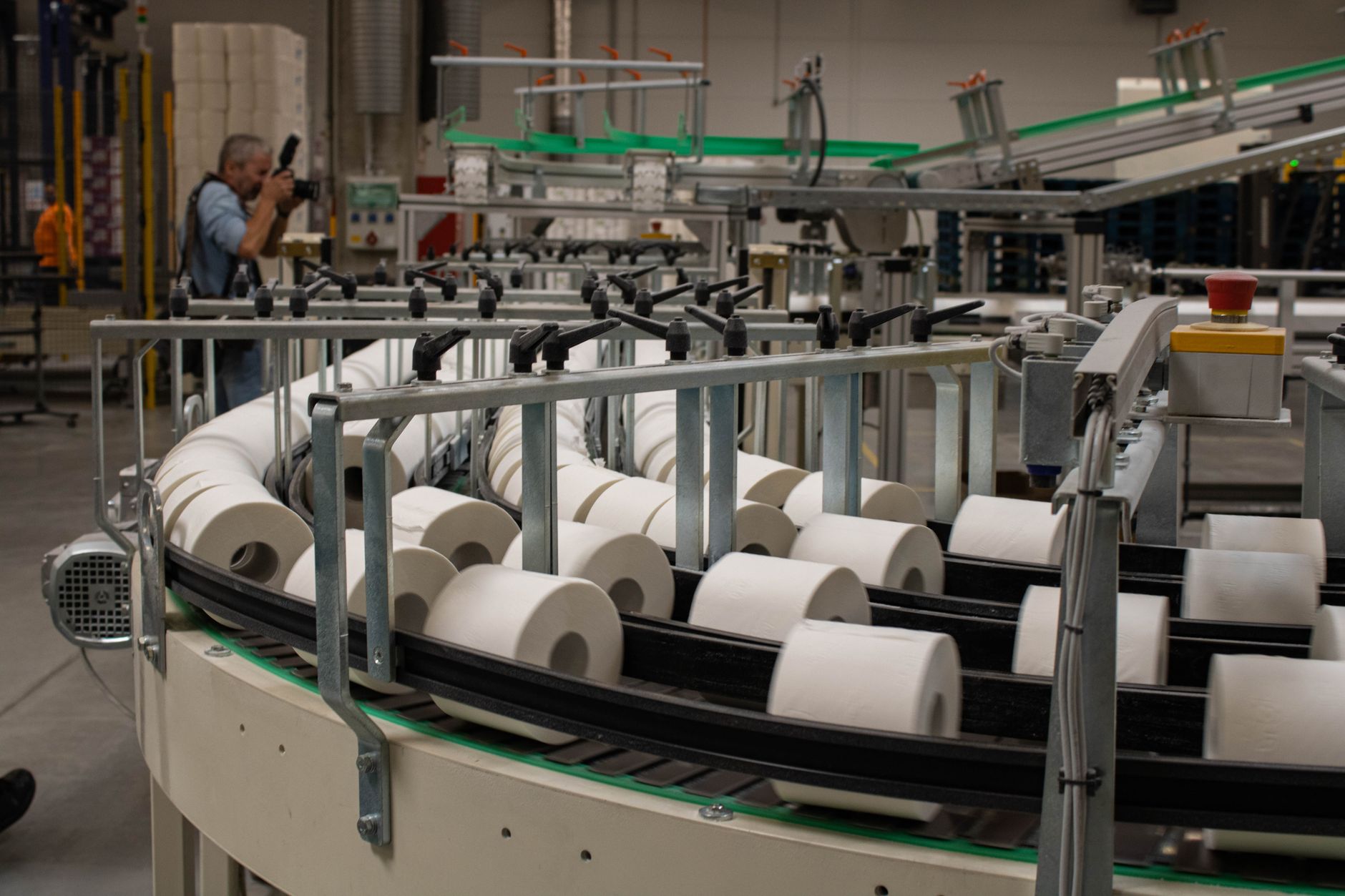
Comparing AI cameras and infrared sensors for factory people counting is a technical challenge many Vietnamese manufacturing business owners are facing. AI cameras use computer vision to recognize and count people, while infrared sensors detect changes in temperature. This article provides a detailed analysis of the two technologies, from their operating principles and accuracy in factory environments to investment costs and real-world ROI, helping you choose the right solution for each production zone.
What is an AI camera for factory people counting?
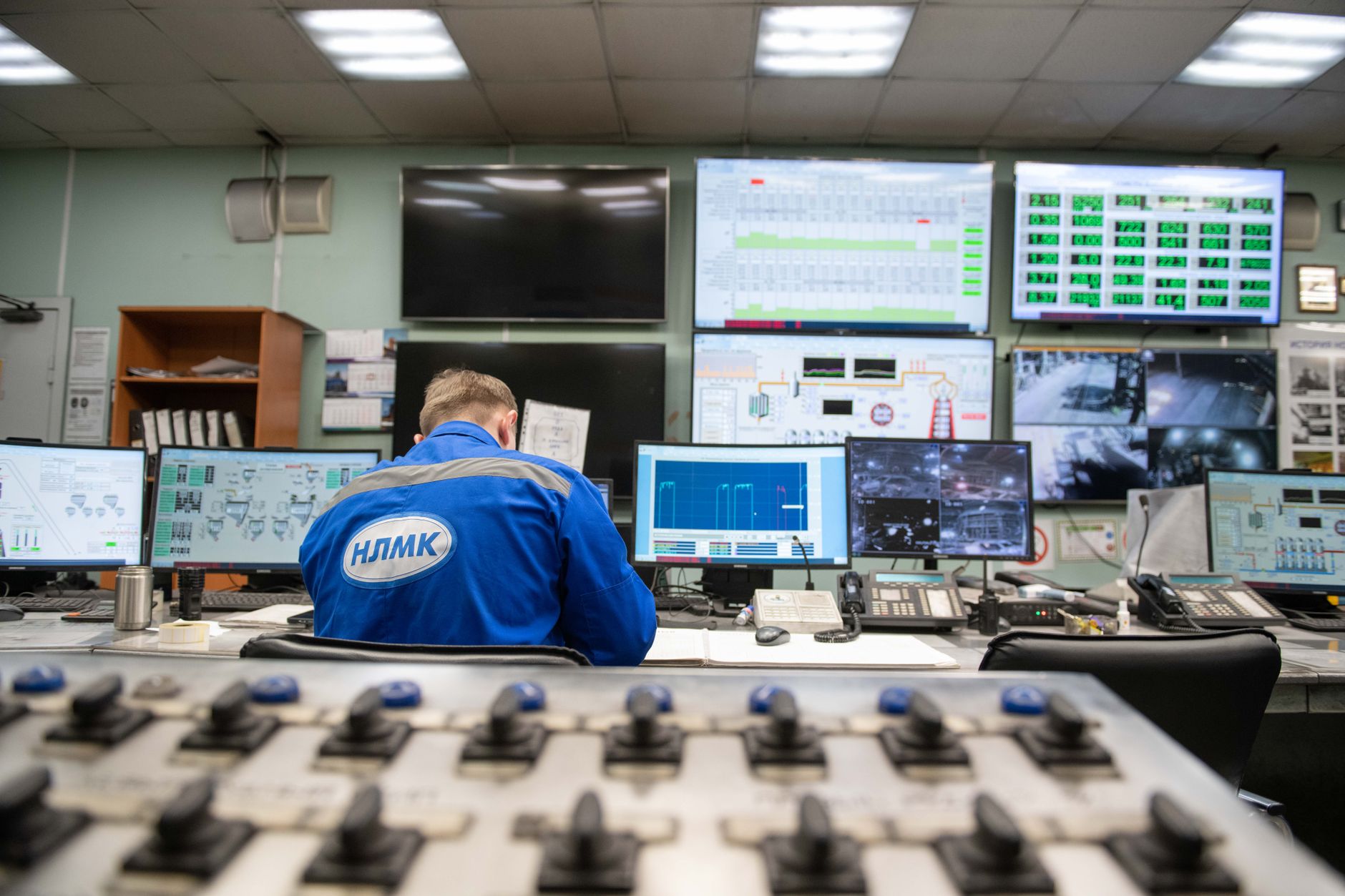
An AI camera for factory people counting integrates an AI processing chip (Neural Processing Unit) enabling real-time video analysis, recognizing human subjects based on shape, movement, and identifying characteristics. Unlike standard cameras that only record, AI cameras automatically count the number of people entering and exiting, generate heatmaps, and detect abnormal behavior directly at the edge (edge computing).
AI cameras operate by analyzing each video frame, using deep learning models trained on millions of images to recognize humans. In a factory, AI cameras can accurately count workers in an assembly area, detect people entering restricted zones, or measure production line efficiency. This technology performs well under changing light conditions, with light dust, and can distinguish people from forklifts, robots, or other moving equipment.
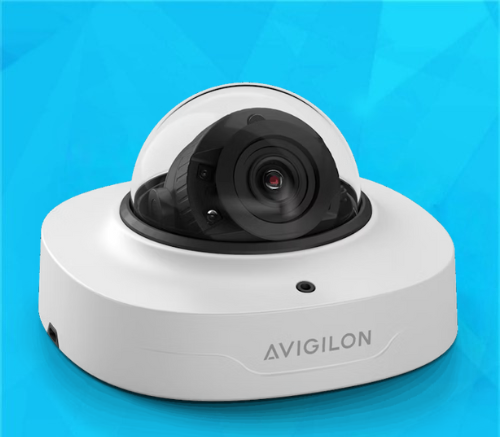
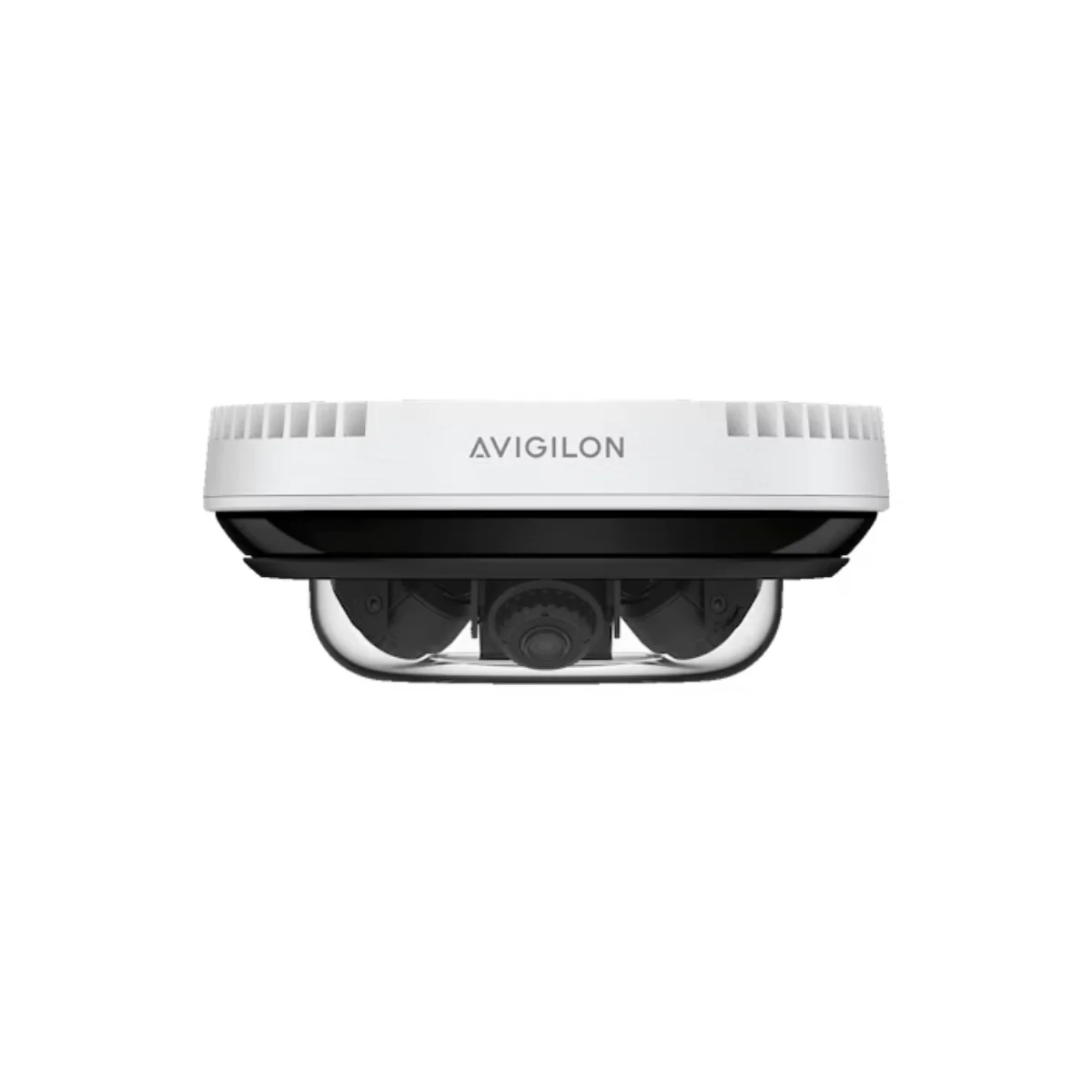
This solution is particularly suitable for assembly zones, main production areas, where high accuracy and abnormal behavior detection are required. Product lines such as AI cameras from Hikvision, Dahua, Avigilon have been deployed in many Vietnamese factories.
What is an infrared sensor for factory people counting?
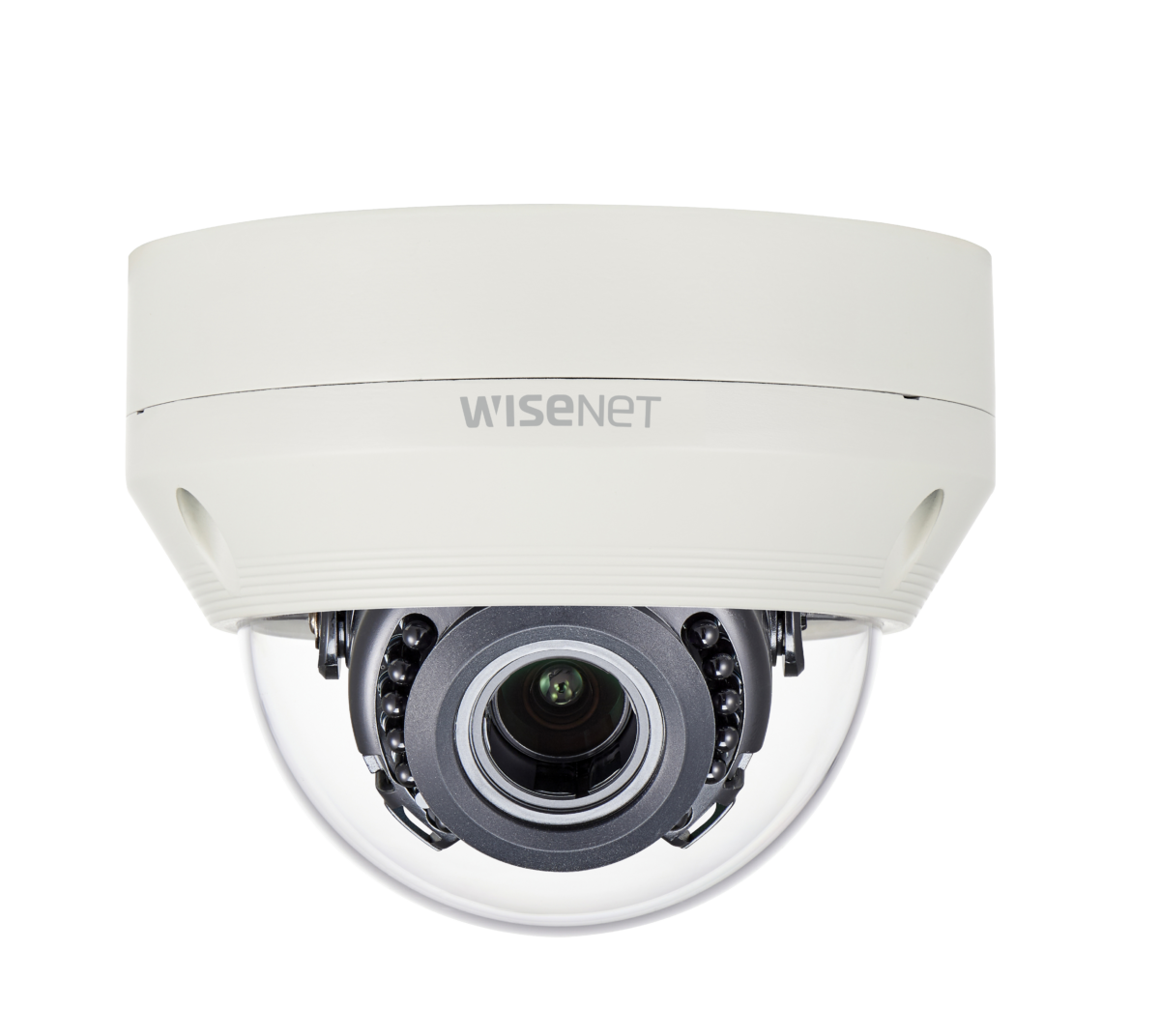
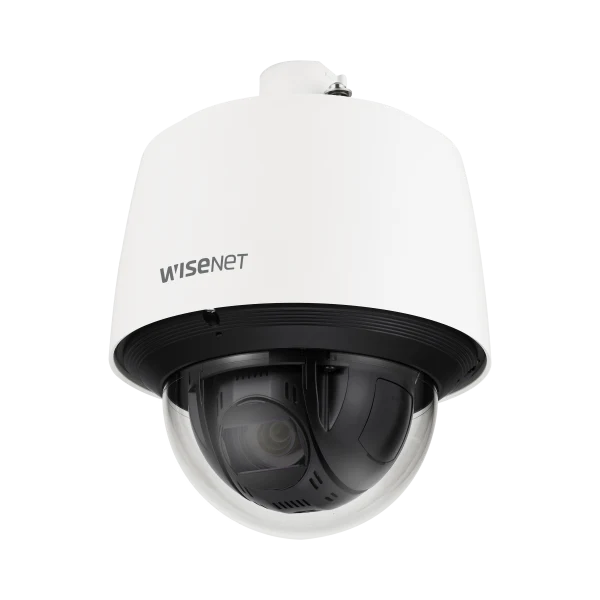

An infrared sensor (PIR - Passive Infrared) for people counting operates on the principle of detecting changes in thermal radiation from a human body moving through its scan zone. When a person passes by, the sensor registers the temperature difference and triggers a counting signal. This is a simple, low-cost technology that has long been used in basic people counting applications.
Infrared sensors have the advantages of low cost, easy installation, and low power consumption. However, in a factory environment, they are easily disturbed by fluctuating ambient temperatures (heat from machinery, furnaces), dust accumulating on the lens, or vibrations from production equipment. Accuracy typically ranges from 70-85% under ideal conditions but can drop significantly in harsh environments.
Infrared sensors are suitable for zones with low people density, minimal temperature variation, such as dry storage warehouses, narrow walkways, or simple access control areas. Sensor lines such as Panasonic, Omron, Honeywell are commonly used in these applications.
Detailed comparison of AI cameras and infrared sensors for factory people counting
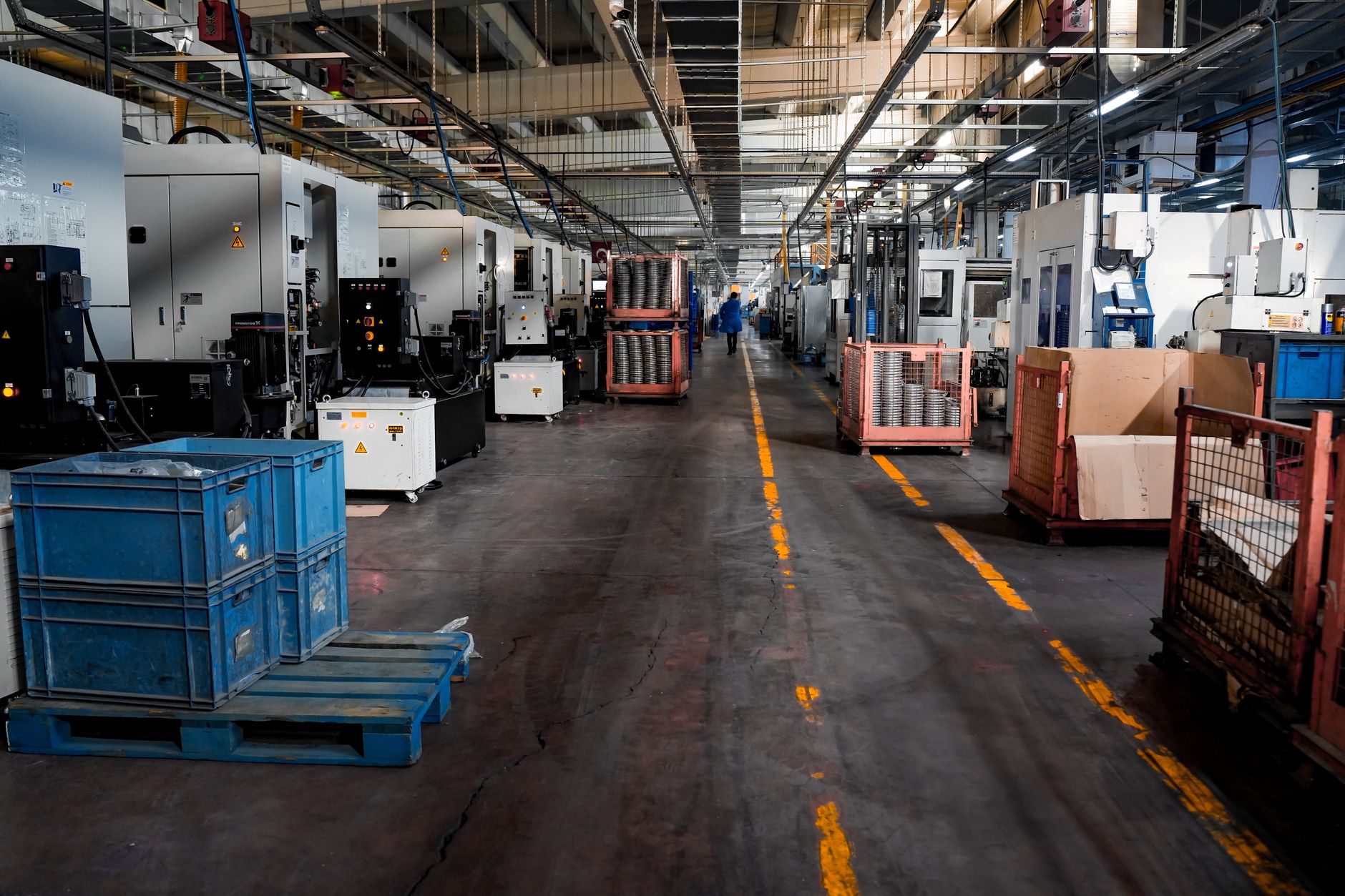
The comparison table below analyzes the 8 most important criteria when choosing a people counting solution for a factory, from accuracy in harsh conditions to long-term operational costs.
| Criteria | AI Camera | Infrared Sensor |
|---|---|---|
| Accuracy (ideal environment) | 95-99% | 70-85% |
| Accuracy (dusty/vibrating environment) | 85-95% (Best) | 50-70% |
| Dust resistance | High (automatic software cleaning) | Low (dust accumulation reduces sensitivity) |
| Heat interference resistance (machinery heat) | High (Best) | Low (prone to false alarms due to background heat) |
| Initial investment cost (per counting point) | 15-40 million VND | 2-8 million VND (Best) |
| Operational cost (5 years) | 5-15 million (maintenance + storage) | 1-3 million (battery replacement/maintenance) |
| Integration capability | High (API, VMS, ERP, IoT) | Medium (dry contact/modbus signal) |
| Safety in hazardous zones (chemicals, high heat) | High (remote observation, non-contact) | Low (heat interference, false alarms) |