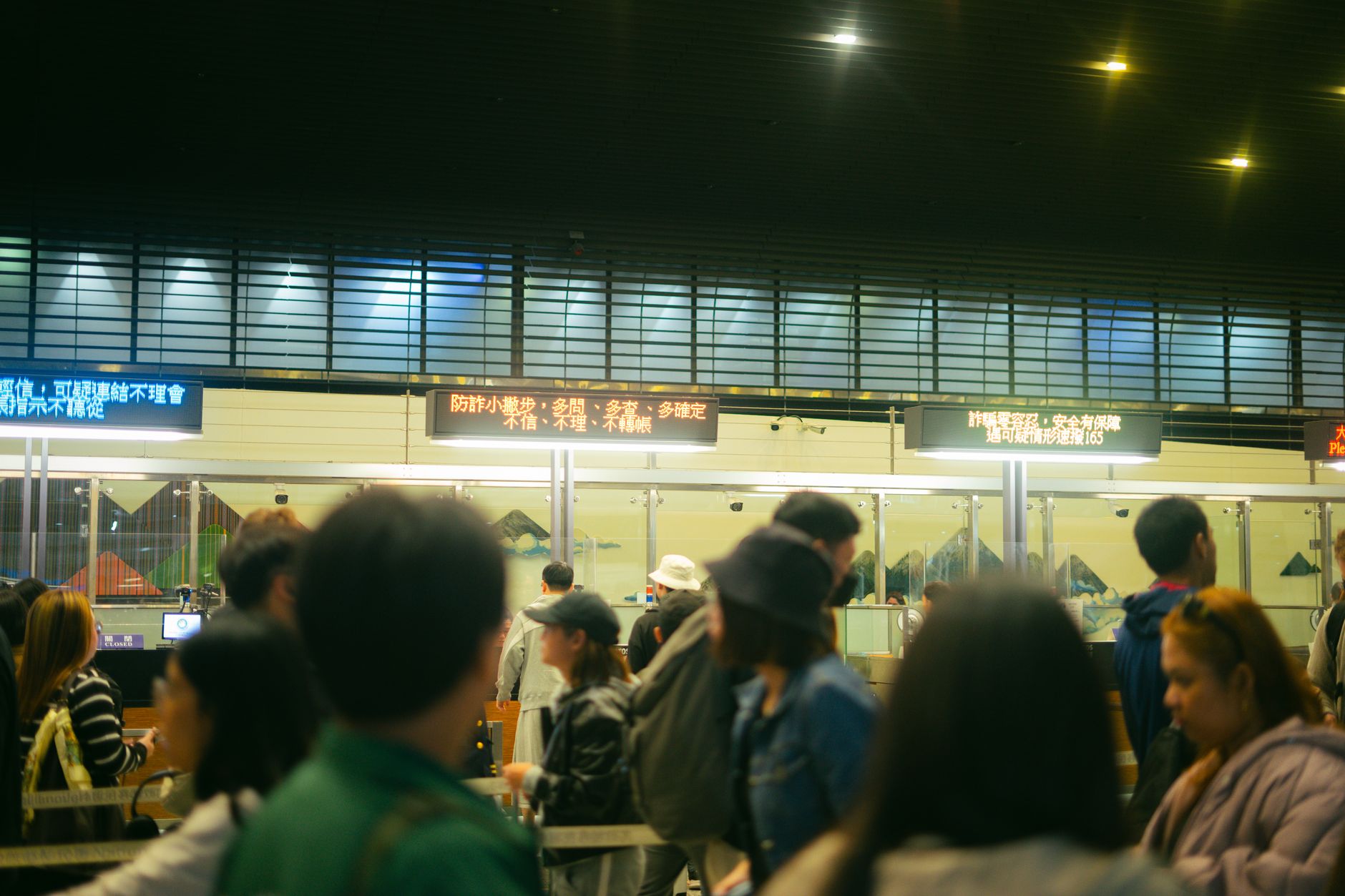
AI people counting cameras and infrared sensors are two competing technologies in airport queue management. AI cameras use computer vision to analyze passenger flow in real time, while infrared sensors rely on IR beams to detect movement. This article compares the pros and cons of each type — you will be able to choose the right solution after reading.
What is an AI people counting camera for airports?
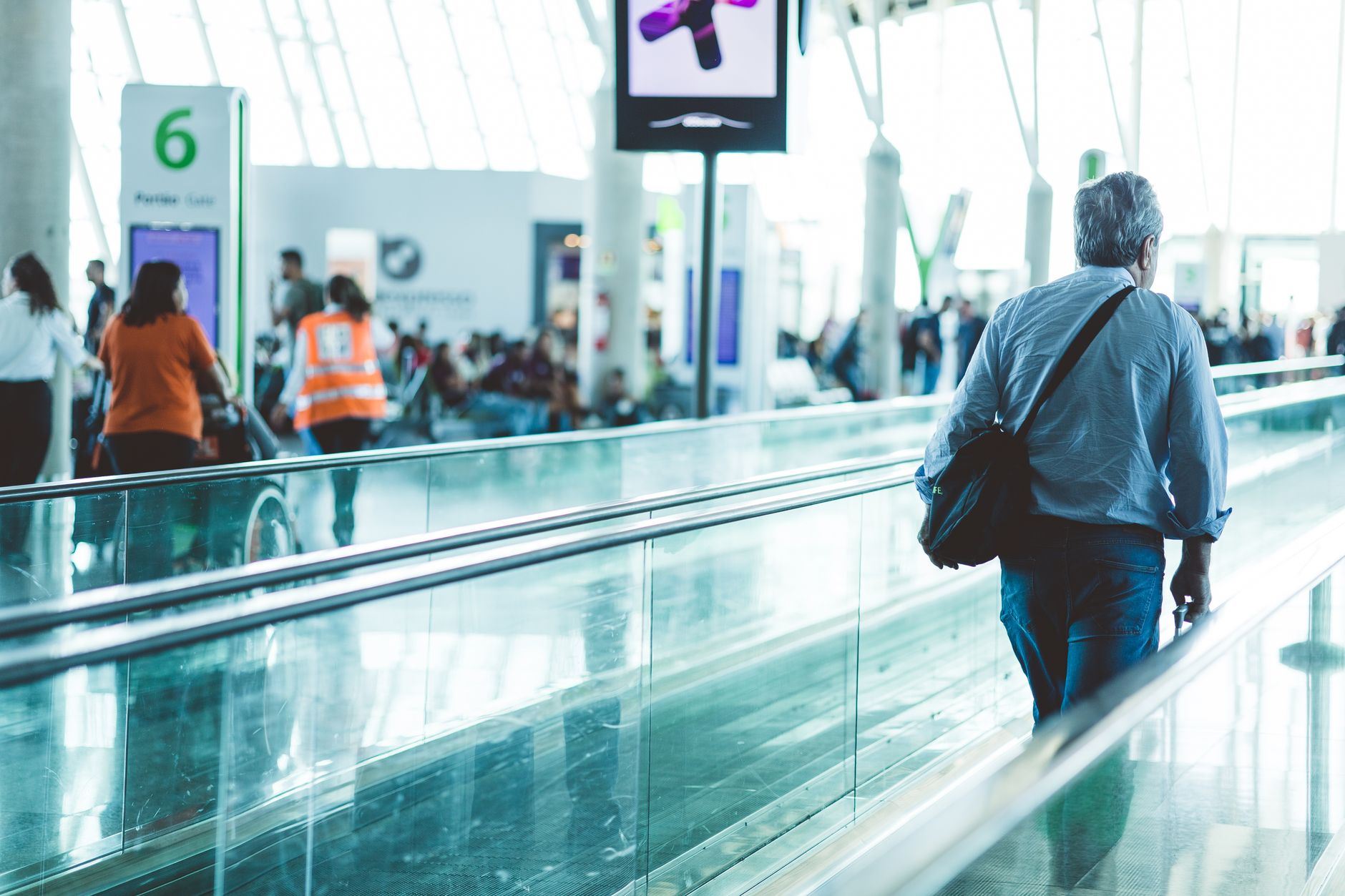
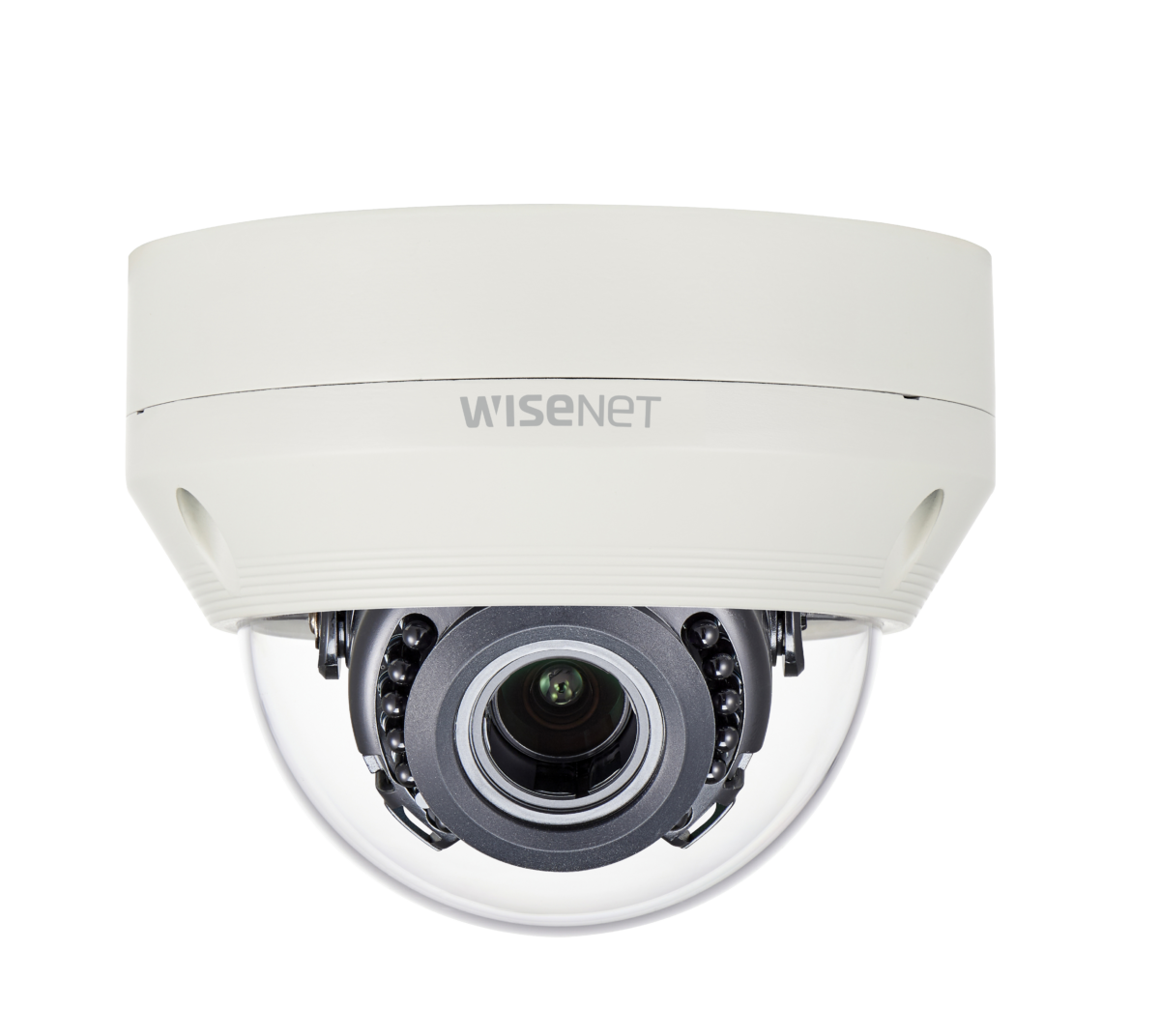
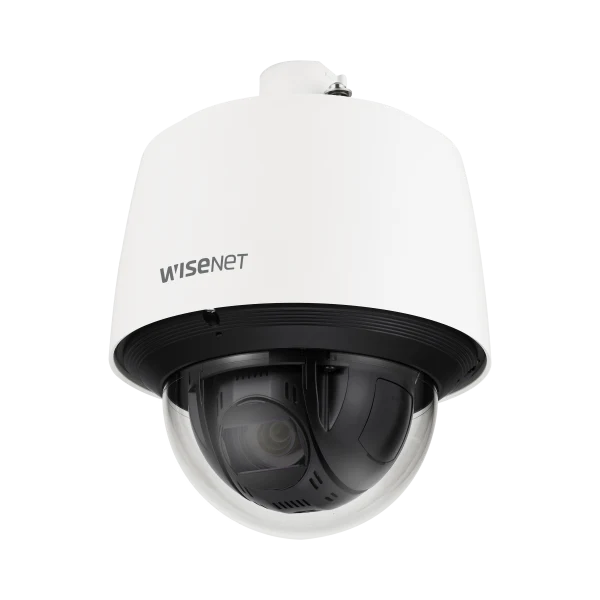
An AI people counting camera for airports integrates computer vision into surveillance cameras, automatically recognizing and counting the number of passengers entering and exiting in real time. This technology analyzes each video frame to measure queue length, detect bottlenecks, and predict wait times.
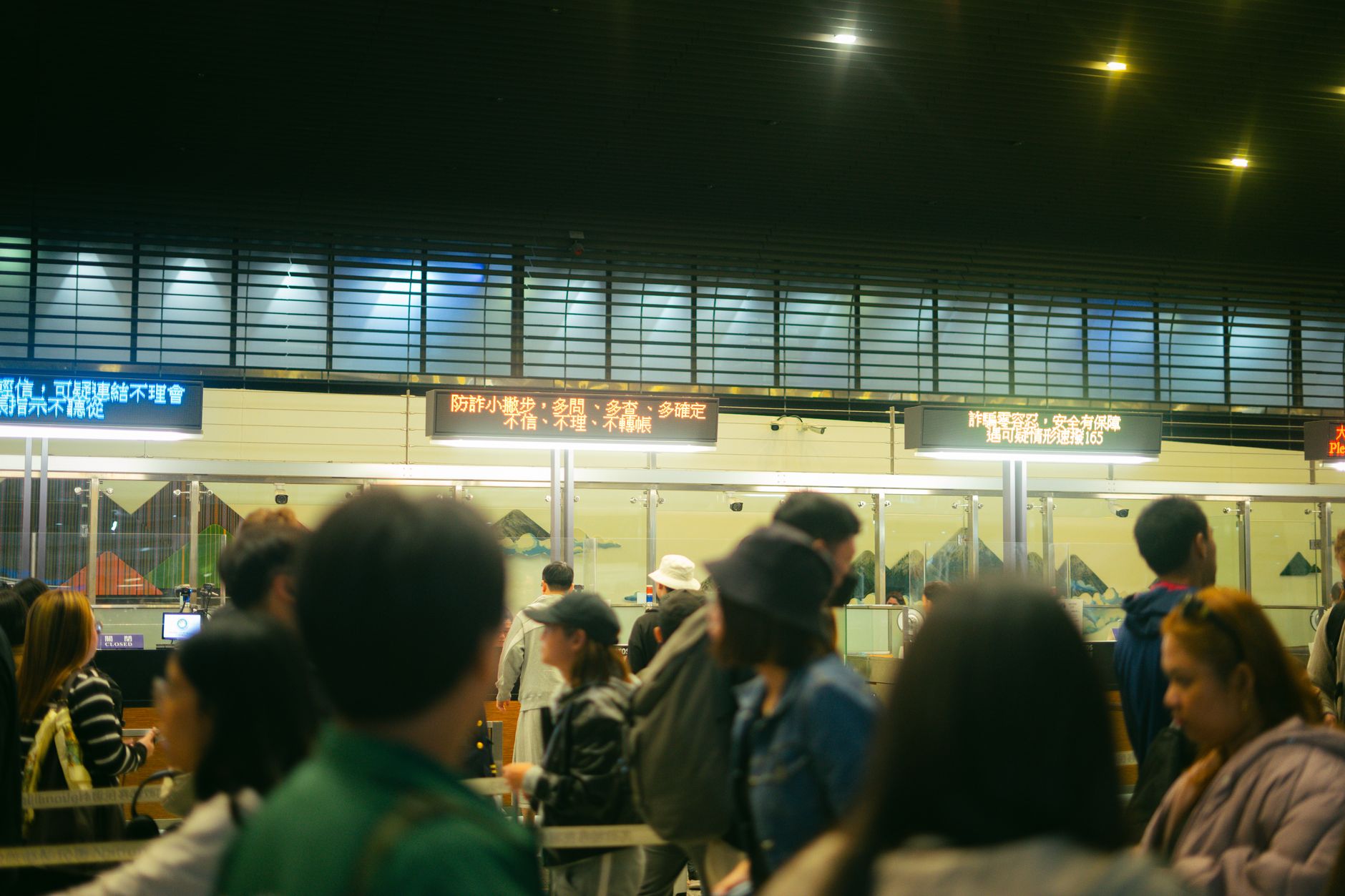
AI cameras use deep learning models trained on millions of images of walking people. At airports, these devices are typically mounted on ceilings 4-25m high, with a top-down view to avoid occlusion. This solution is suitable for large terminals (>5 million passengers/year) that need detailed passenger flow data for operations and security. A comparison of AI cameras and infrared sensors for cafeteria queue management shows AI cameras excel in behavior analysis.
What is an infrared sensor for airport queue management?
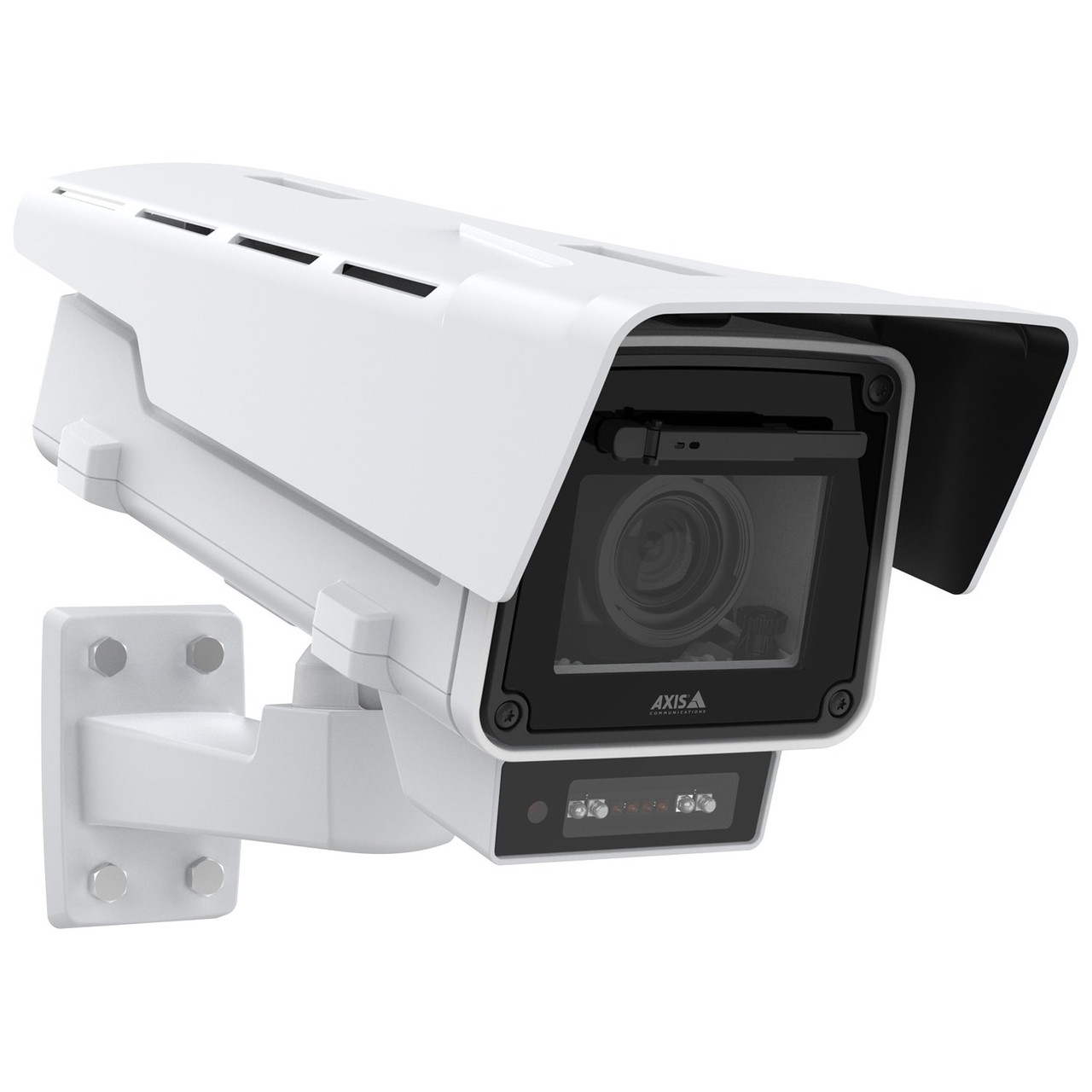
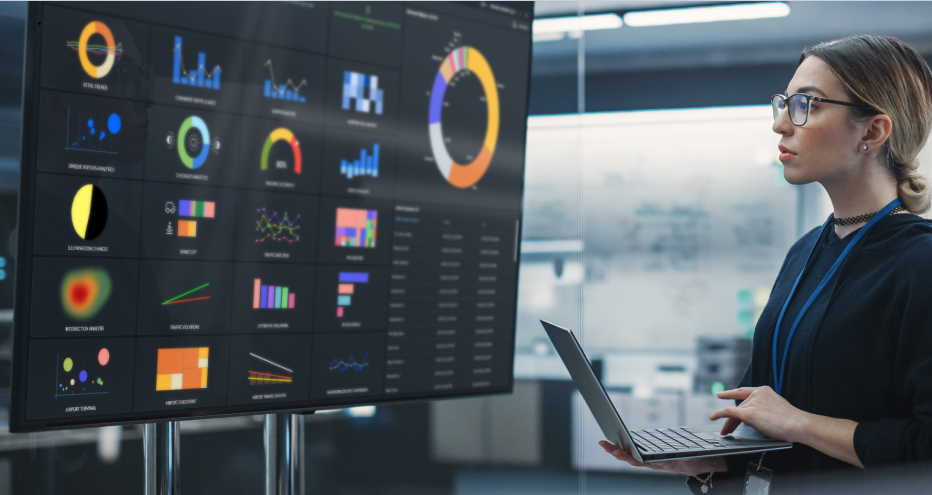
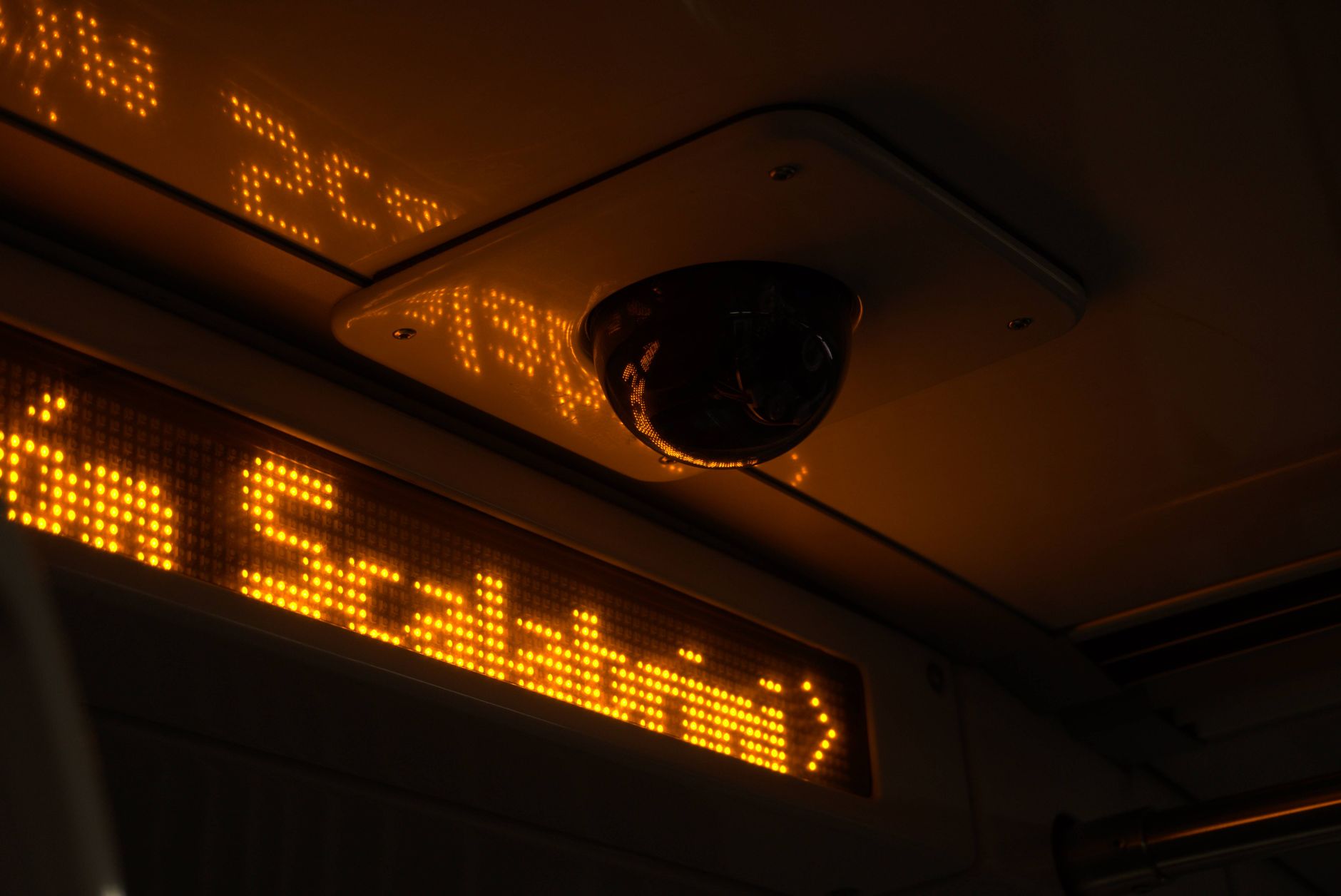
Infrared sensors use infrared beams to detect moving objects passing through their coverage area. When a passenger crosses the beam, the sensor registers one count. These devices are simple, low-cost, and easy to install, but they cannot distinguish between a person, a suitcase, or a cart.
Infrared sensors are typically installed at narrow entry/exit points (1-2m) to count a single flow. At airports, they are used in low-traffic areas or as auxiliary counting points. Main limitations: error rates increase when many people walk side-by-side (10-30% deviation), and they cannot detect queuing behavior or bottlenecks.
Detailed comparison: AI camera vs infrared sensor
The table below compares 6 core criteria: accuracy, cost, analytics, installation, maintenance, and ROI. AI cameras win on 4/6 criteria, while infrared sensors win on low cost and simple installation.
| Criteria | AI Camera | Infrared Sensor |
|---|---|---|
| Accuracy | Best: 97-99% | 80-90% (high error rate in crowds) |
| Initial investment cost | 15-40 million VND/camera | Best: 2-8 million VND/sensor |
| Behavior analysis (queue length, dwell time) | Best: Yes | No |
| Installation | Complex, requires high ceiling | Best: Simple, wall-mounted |
| Maintenance | Periodic lens cleaning, firmware updates | Best: Low maintenance |
| ROI (3 years) | Best: 200-400% thanks to operational optimization | 100-150% |
Choosing by use case
Each airport area has different requirements. Below are solution recommendations for 3 common use cases.
Check-in area (crowded, needs wait time measurement)
Choose: AI Camera — High accuracy, real-time queue length analysis helps allocate counters. Infrared sensors cannot meet the requirement due to errors when many people queue in parallel.