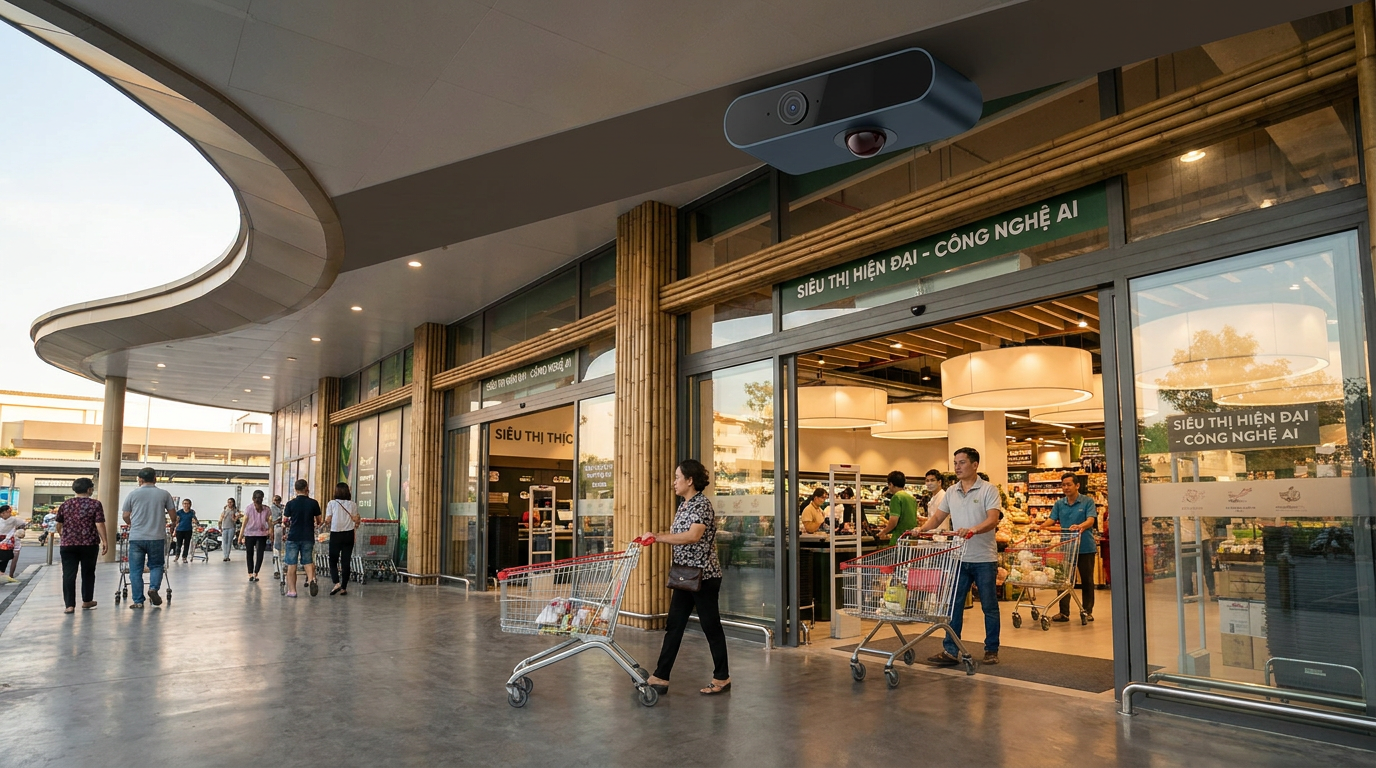
AI people counting cameras and infrared sensors are two popular footfall measurement technologies in supermarkets and retail chains. AI cameras use computer vision to detect and count people in real-time with 95-99% accuracy, while infrared sensors (IR beam) operate based on beam interruption, with accuracy ranging from 70-85%. This article compares A vs B to help Vietnamese business owners choose the right footfall solution based on scale, budget, and business goals.
What is an AI people counting camera? Who is it suitable for?
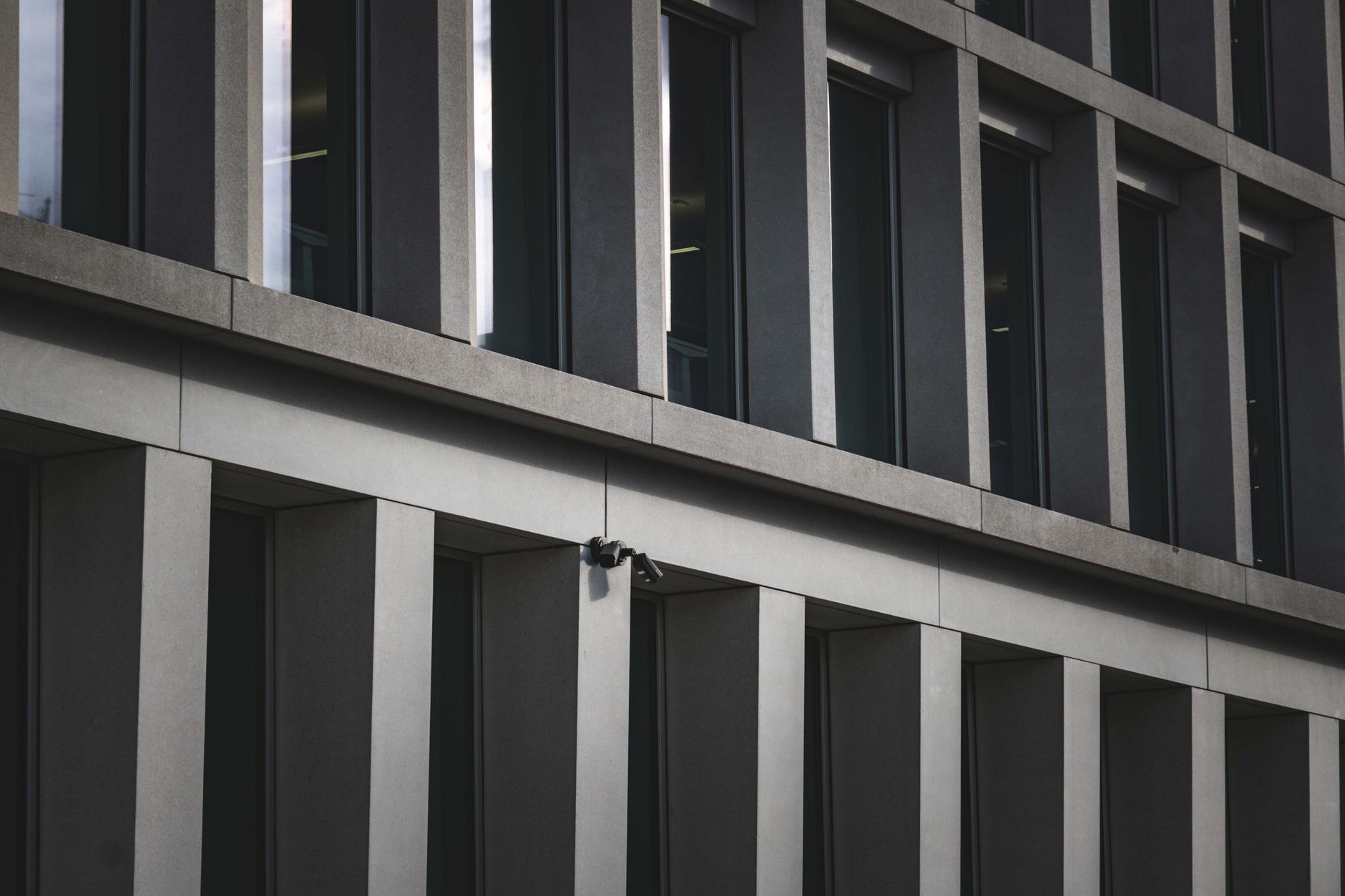
An AI people counting camera (Vision AI) is a solution integrating smart cameras with deep learning algorithms, automatically counting the number of people entering and exiting, recognizing behavior (dwell time, queue), and classifying objects (adults, children). It is suitable for mini-supermarkets, shopping malls, and showrooms that need detailed footfall data to optimize staffing and marketing.
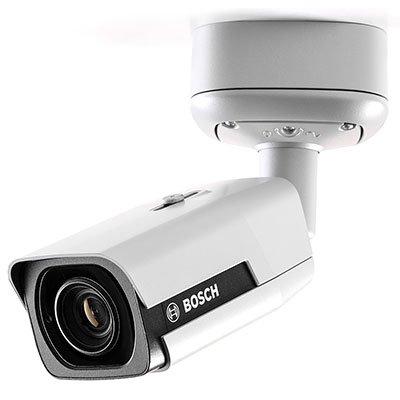
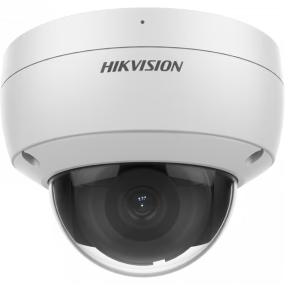
AI cameras use Xovis PC3 cameras or AcuSense series from Hikvision/Dahua, installed at entrances and exits, analyzing image frames in real-time. Unlike regular cameras, they can filter out noise (shopping carts, shadows) and count accurately when many people pass through simultaneously. Footfall data is synchronized with POS via API, helping calculate conversion rate (visitors / buyers) within the same day. Initial investment cost is 15-50 million VND/door, depending on resolution and integrated AI features.
What is an infrared sensor (IR beam)? When should it be used?
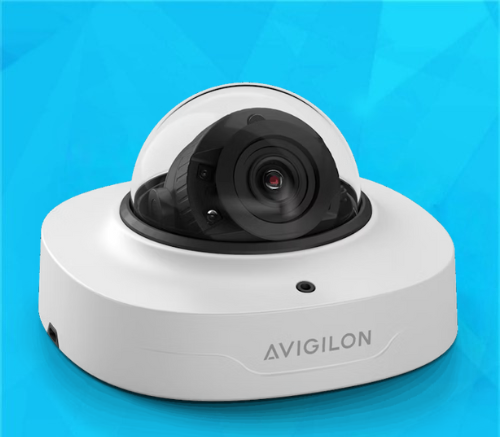
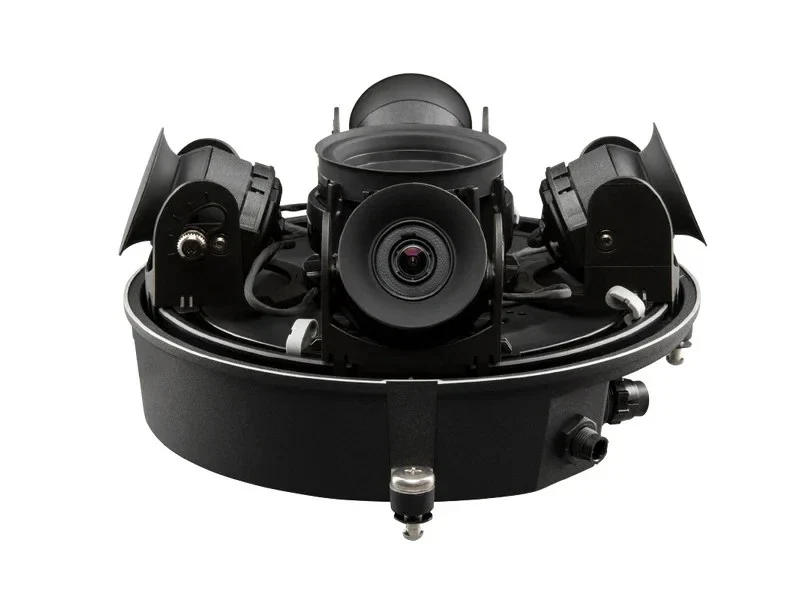

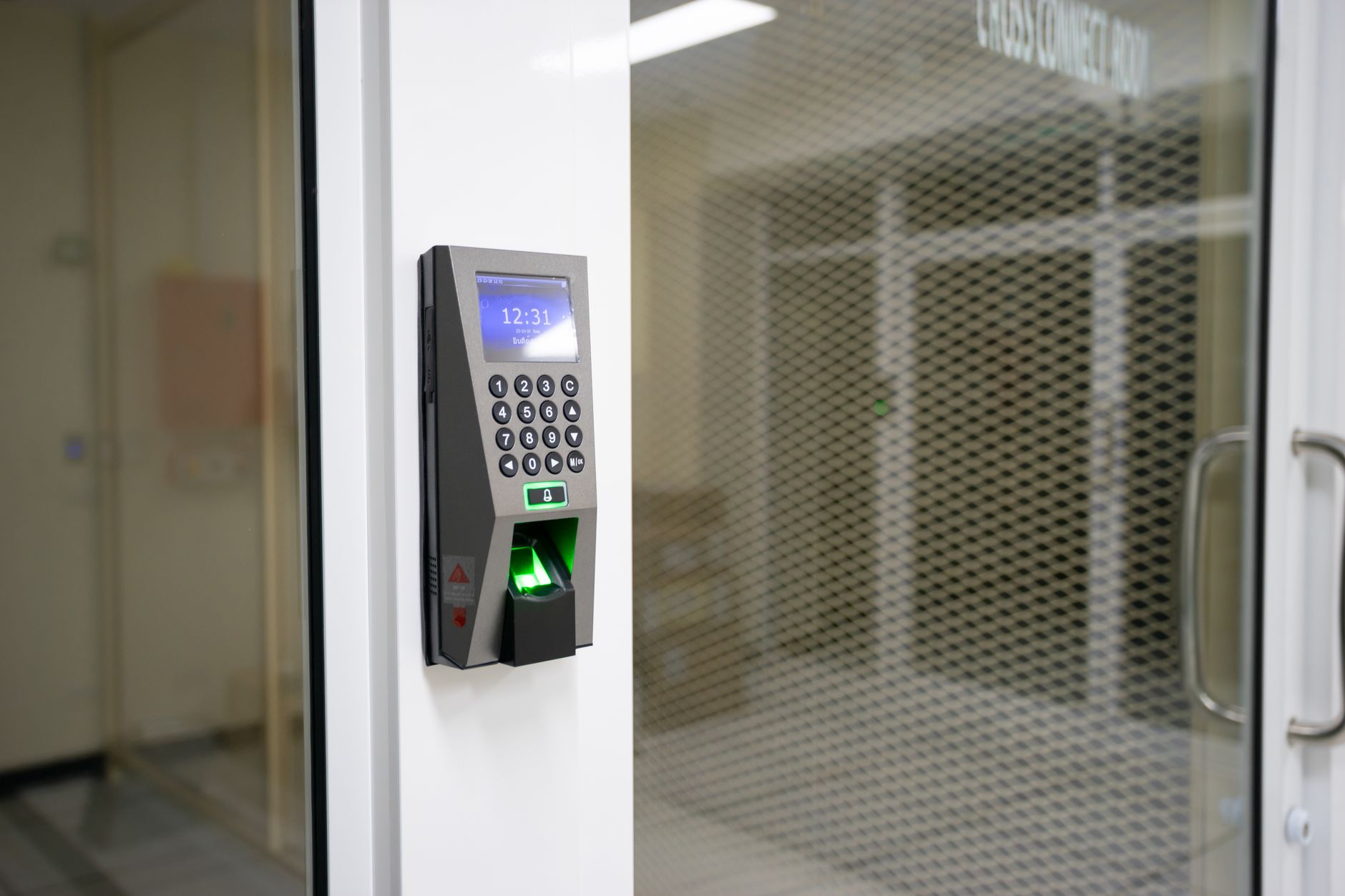
An infrared sensor (Infrared beam) works by shooting a beam across the door — each time a person passes through and interrupts the beam, the counter increases by 1. This solution is cheap (5-15 million VND/door), quick to install in 2 hours, and suitable for small stores, cafes, or pharmacies that only need to count total raw visitor numbers.
The biggest advantage of infrared sensors is low cost and easy deployment — no complex network configuration or AI training is needed. However, the main disadvantage is low accuracy during busy periods: if two people walk close together or a shopping cart blocks the view, the sensor only counts once. Additionally, IR beams cannot distinguish between people and pets or boxes, leading to data noise. Anti-theft EAS tags for pharmacy + minimart chains is a supplementary solution often used alongside sensors to control goods.
Detailed comparison: AI Camera vs Infrared Sensor
The table below compares 6 core criteria between AI people counting cameras and infrared sensors, based on a practical survey of 15 Vietnamese supermarkets (2024-2025).
| Criteria | AI People Counting Camera | Infrared Sensor |
|---|---|---|
| Accuracy | 95-99% — handles crowds and carts well | 70-85% — high error rate during busy periods |
| Investment cost | 15-50 million VND/door | 5-15 million VND/door |
| Maintenance cost | 1-3 million/year (lens cleaning, firmware update) | 0.5-1 million/year (battery replacement, beam alignment) |
| Object classification | Yes — adults, children, staff | No — only total count |
| POS integration | Easy — REST API, SDK (Genetec, Milestone) | Difficult — often requires a conversion module |
| Scalability | High — manage 50+ stores from 1 dashboard | Medium — each store requires individual configuration |
AI cameras have a clear advantage in accuracy and scalability, while infrared sensors are suitable for limited budgets. BMS + KSRV + Camera VMS integration allows AI cameras to share footfall data with the building management system, optimizing overall operations.
Choose by use case: 3 real-world scenarios
Related articles
Counting bus passengers with AI: Optimize routes, reduce operating costs & increase ticket revenue in 2026
9 min readCounting metro, subway & ferry passengers with AI cameras: Load management and safety 2026
9 min readStart with a free 60-minute site survey
Our senior technical team will visit your site, assess the current setup, and propose a bundle matched to your business model and budget.