
Face ID (facial recognition) and proximity cards (RFID/Proximity) are the two most popular access control technologies in Vietnam's banking industry today. This article compares Face ID and proximity cards based on security, cost, speed, and suitability for different areas — helping financial business owners choose the optimal solution for 2026.
What is Face ID in bank access control?

Face ID uses AI cameras and 3D/2D facial recognition algorithms to authenticate the identity of employees or customers when entering or leaving sensitive areas such as vault rooms, teller counters, or employee areas. This technology completely eliminates the need to carry a card, reducing the risk of theft or card lending.
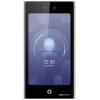
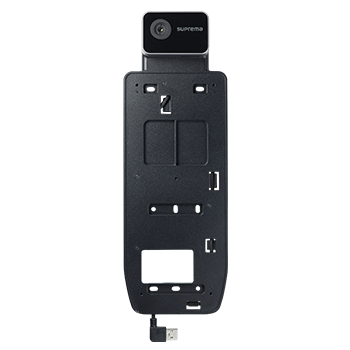
Face ID devices such as the Suprema FaceLite face reader or ZKTeco ProFace X TD have anti-spoofing capabilities using 3D faces, operate stably in low-light conditions, and can integrate with central KSRV systems. For banks, Face ID is typically deployed at access points with the highest security requirements.
What are proximity cards in bank access control?




Proximity cards (RFID/Proximity) are a traditional authentication method, using plastic cards with an embedded RFID chip or magnetic stripe to swipe past a reader. Bank employees carry the card with them and swipe it to open doors, barriers, or turnstiles.
Proximity cards have low cost, are easy to replace, and are familiar to users. Common proximity card systems in banks typically use 125kHz or 13.56MHz (Mifare) technology. However, proximity cards are easily copied, lost, or lent out, posing security risks if not combined with other authentication layers. This is a suitable solution for less sensitive areas such as employee entrances or meeting room doors.
Detailed comparison: Face ID vs. Proximity cards for banks

The comparison table below evaluates Face ID and proximity cards based on 6 key criteria for bank access control: security, installation cost, operational cost, speed, reliability, and anti-spoofing capability.
| Criteria | Face ID | Proximity Card |
|---|---|---|
| Security | Best: 3D face anti-spoofing, cannot be copied | Medium: Easily copied, lost, or lent out |
| Initial installation cost | Higher: 15-40 million VND/point (depending on device) | Lower: 3-8 million VND/point (reader + card) |
| Operational cost (5 years) | Low: No replacement card costs, periodic software maintenance | Higher: Lost/damaged card replacement 50-100k/card, card management |
| Recognition speed | 0.3-1 second (depends on lighting, face angle) | 0.1-0.5 seconds (fast card swipe) |
| Reliability in bank environment | High: 24/7 operation, adapts to low light | High: Few errors, but magnetic readers are prone to damage |
| Anti-spoofing capability | High: Resists photos, videos, 3D masks (depending on device) | Low: RFID cards can be copied with handheld devices |
Choosing Face ID or proximity cards by bank use case

Each area within a bank has different security and operational requirements. Below are solution recommendations for 4 common use cases: