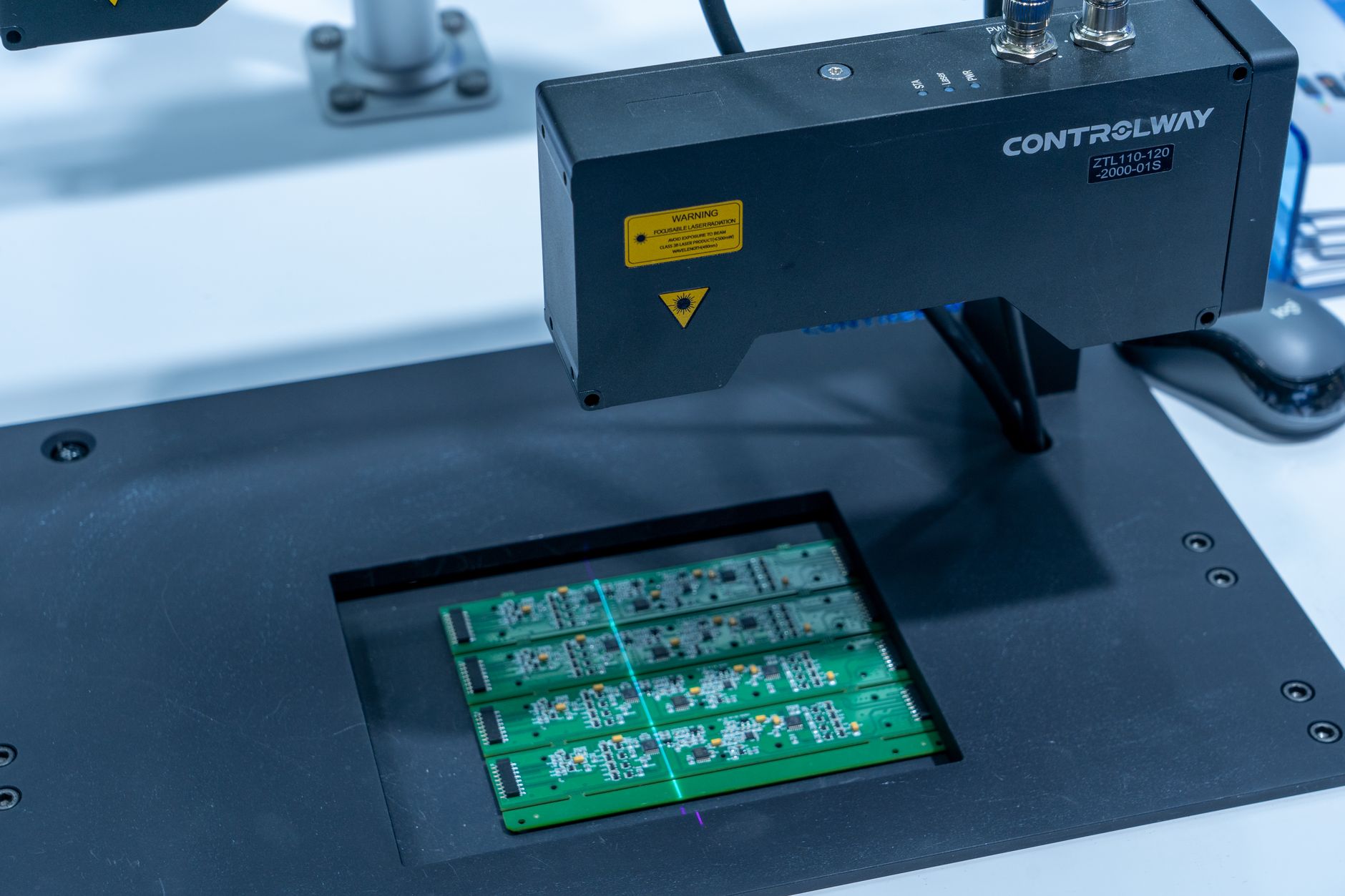
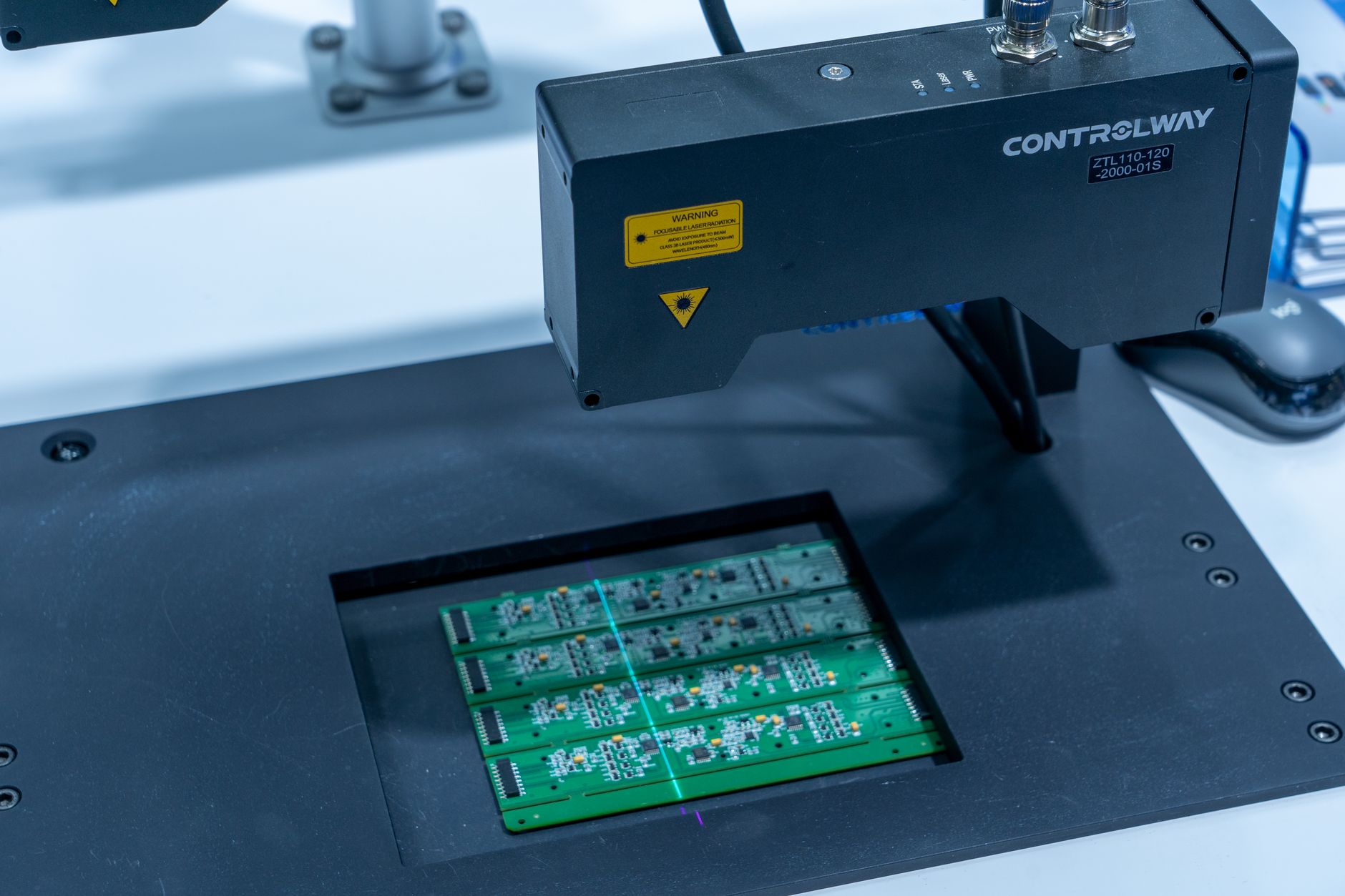
Conveyor metal detectors and X-ray inspection machines are both common foreign object detection equipment in the food industry, but each has its own advantages and disadvantages in terms of detection capability, cost, and operational complexity. This article compares the two technologies based on technical, financial, and practical application criteria — helping Vietnamese food factory owners choose the most suitable solution for their production lines in 2026.
What is a conveyor metal detector? Who is it suitable for?
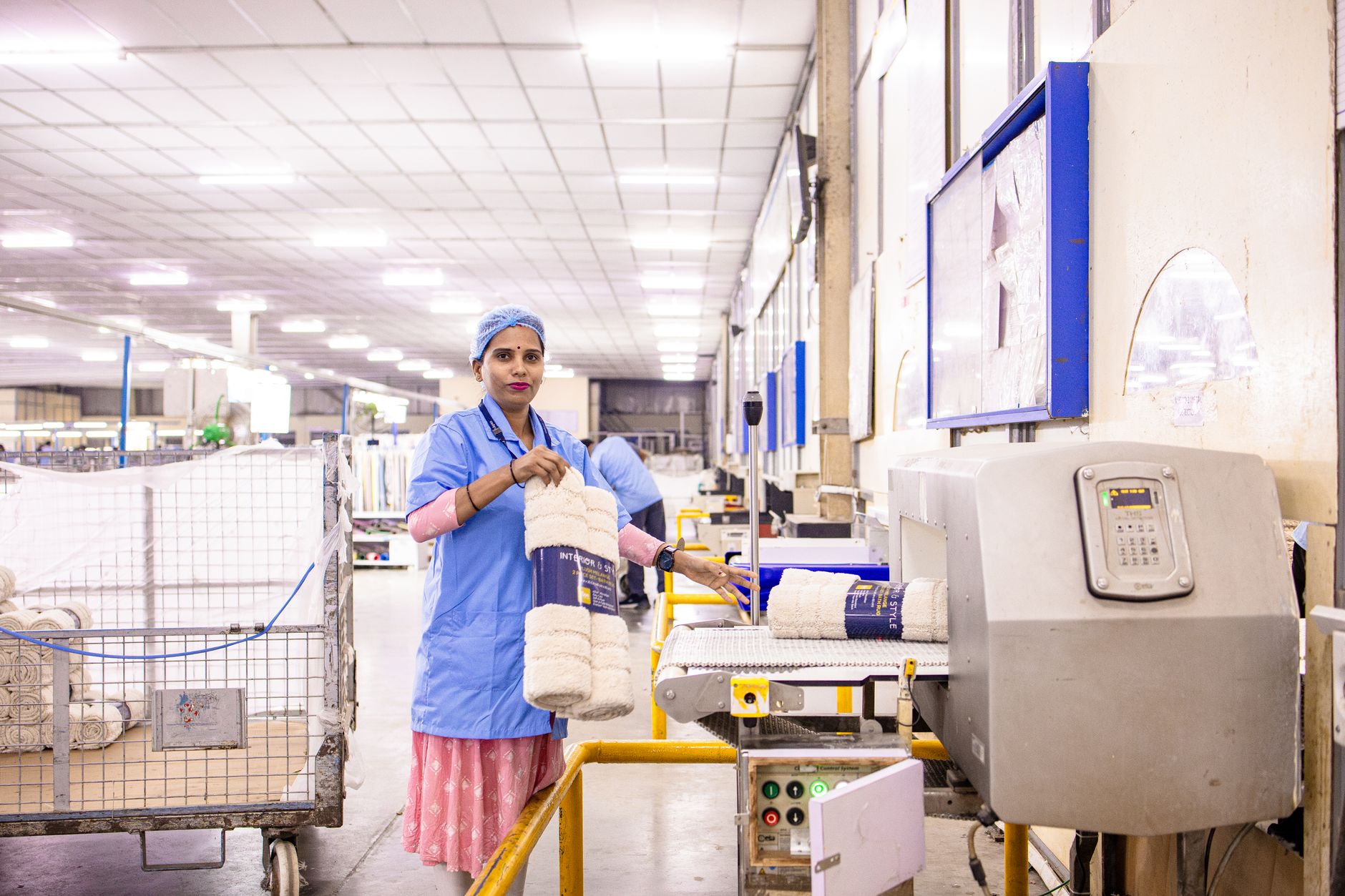
A conveyor metal detector uses magnetic field coils to detect metal contaminants (iron, stainless steel, aluminum, copper) in products passing through. This equipment is suitable for factories needing basic metal foreign object control with low investment cost and simple operation.
Conveyor metal detectors operate on the principle of coil balance. When a product passes through the detector head, any metal object alters the magnetic field, triggering an alarm signal and an automatic rejection system. Popular models like the Mettler Toledo Safeline can detect iron spheres from 0.3mm and stainless steel from 0.8mm under standard conditions.
Suitable for: meat processing, seafood, frozen vegetables, confectionery, spice factories — where the main foreign object risk is metal from cutting knives, stainless steel mesh, machine screws. The investment cost for a complete system (detector head + conveyor + rejection mechanism) ranges from 150 to 350 million VND, depending on conveyor width and sensitivity.
What is an X-ray inspection machine? Who is it suitable for?
Related Products

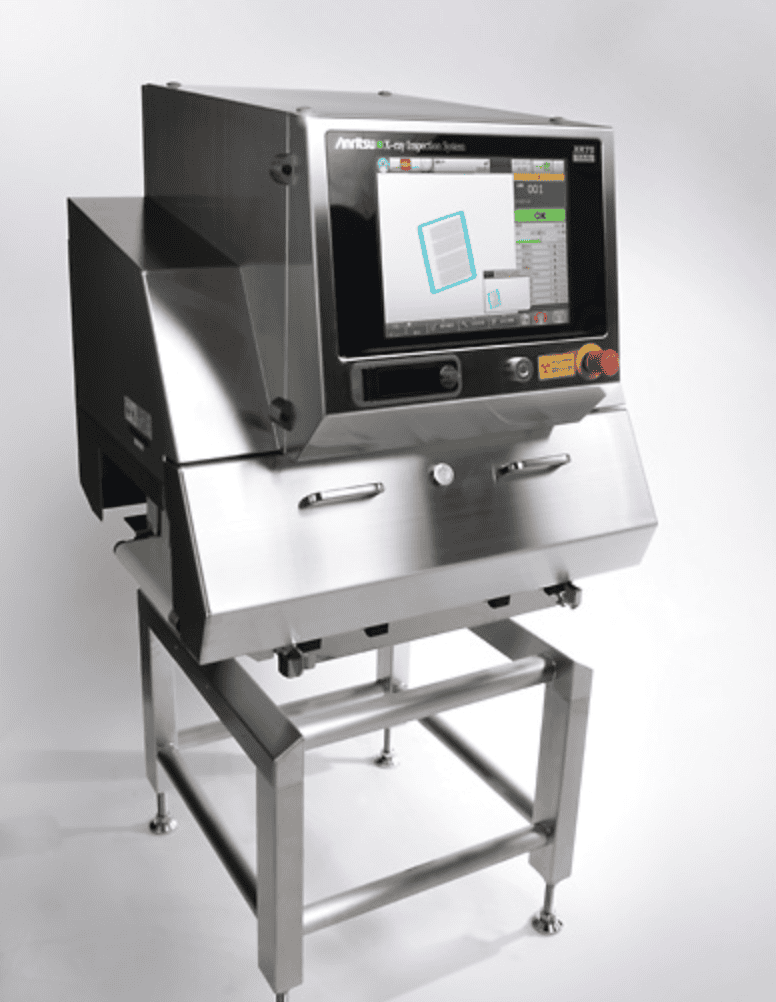

An X-ray inspection machine uses low-energy X-rays to create cross-sectional images of products, detecting both metal and non-metal contaminants (glass, stones, bone, hard plastic). It is suitable for factories needing diverse foreign object control and compliance with stringent export standards.
X-ray systems project a beam through the product, and sensors capture the intensity after absorption to reconstruct a grayscale image. Any object with a density different from the base product is clearly visible in the image. Models like the Mettler Toledo X37 can detect glass from 1.0mm, stones from 1.5mm, and metal from 0.3mm in packaged food.
Suitable for: canned food manufacturing, export seafood processing, premium confectionery, milk powder, spice factories — where there is a risk of mixed foreign objects (glass fragments from ingredients, stones from spices, bone from meat). The investment cost for a conveyor X-ray system ranges from 600 million to 1.5 billion VND, 3-5 times that of a metal detector.
Detailed comparison of conveyor metal detector vs X-ray
The comparison table below contrasts 7 key criteria: detection capability, investment cost, operating cost, integration complexity, maintenance, standard compliance, and industry suitability.
| Criteria | Conveyor Metal Detector | X-ray Inspection Machine |
|---|---|---|
| Metal detection (iron, stainless steel, aluminum) | Best (0.3-1.0mm depending on type) | Good (0.3-0.5mm) |
| Non-metal detection (glass, stone, bone, plastic) | Cannot detect | Best (1.0-2.0mm depending on density) |
| Initial investment cost | Low (150-350 million VND) | High (600 million - 1.5 billion VND) |
| Operating cost (electricity, maintenance, calibration) | Low (5-10 million VND/year) | Medium (15-30 million VND/year) |
| Line integration complexity | Simple (plug and play) | Medium (requires lead shielding, operator training) |
| Maintenance & calibration | Simple (self-check with test balls) | Specialized (requires licensed technician) |
| Standard compliance (BRC, IFS, FSSC 22000) | Meets basic requirements | Meets highest requirements |
| Industry suitability | Meat, seafood, vegetables, confectionery, spices | Export seafood, canned goods, milk powder, pharmaceuticals |
Advantages and disadvantages of each type

Each technology has its own strengths and limitations. Understanding these helps businesses avoid incorrect investments, especially when the production line has multiple types of foreign object risks.
Conveyor metal detector — Advantages
- Low investment cost, suitable for small and medium enterprises.
- Simple operation, no specialized training required.
- Easy maintenance, self-check with standard test balls daily.
- Quick integration into existing lines, no infrastructure modification needed.
- No radioactive waste disposal costs.
Conveyor metal detector — Disadvantages
- Only detects metal foreign objects, misses glass, stone, bone.
- Sensitivity decreases with high-moisture or salty products.
- Product effect causes false alarms.
- Cannot inspect products in foil packaging.
X-ray inspection machine — Advantages
- Detects diverse foreign objects: metal, glass, stone, bone, hard plastic.
- Can inspect products in foil packaging and aluminum cans.
- Provides visual images, supports traceability and defect analysis.
- Meets stringent export standards (BRC, IFS, FDA).
- Can check weight, density, and detect structural defects.
X-ray inspection machine — Disadvantages
- High investment cost, 3-5 times that of a metal detector.
- Requires specialized operator and maintenance training.
- Needs lead shielding and periodic radiation safety checks.
- Image processing time is longer, potentially affecting line speed.
- Cannot detect foreign objects with density similar to the base product.
Choose by use case — Metal detector or X-ray?
Based on product characteristics and control requirements, below are selection recommendations for 5 common scenarios in Vietnamese food factories.
Use case 1: Export seafood processing factory
Recommendation: X-ray inspection machine (Mettler Toledo X37 or equivalent)
Reason: Seafood often has mixed foreign object risks: bone, scales, stones from ponds, glass fragments from ingredient packaging. X-ray provides comprehensive detection, meeting EU and US export standards. High investment cost but reduces product recall risk — each returned shipment can cause billions of VND in losses.
Use case 2: Meat and poultry processing factory
Recommendation: Conveyor metal detector (Mettler Toledo Safeline or equivalent)
Reason: Main risk is metal fragments from cutting knives, saw blades, machine screws. Metal detectors are low cost, easy to operate, and detect iron and stainless steel well. If there is additional risk of bone fragments, consider combining with X-ray at the final stage.
Use case 3: Confectionery and snack factory
Recommendation: Conveyor metal detector for basic lines; X-ray for premium product lines
Reason: Confectionery has low risk of glass and stone, mainly metal from equipment. A metal detector is sufficient at a reasonable cost. However, if products contain nut toppings or dried fruit (risk of stones, grit), invest in X-ray for premium lines to protect the brand.
Use case 4: Frozen vegetable processing factory
Recommendation: Conveyor metal detector combined with X-ray at the final inspection stage
Reason: Vegetables have risks from soil, stones, glass fragments from ingredient packaging. Metal detectors handle metal fragments from cutting machines, X-ray detects stones and glass. A combined two-layer control solution minimizes risk, suitable for export factories.
Use case 5: Spice and cereal powder factory
Recommendation: X-ray inspection machine
Reason: Spices and powders have high risk of stones, grit, glass fragments from grinding processes. Metal detectors cannot detect these foreign objects. X-ray allows comprehensive inspection, while also measuring density to detect packaging defects (underweight, air bubbles).
Combining metal detector and X-ray — Multi-layer solution