
RFID key cards and Face ID are the two most popular floor access control solutions in hotels and resorts today. This comparison analyzes the pros and cons of each technology in detail — from investment cost, security, user experience to integration capability with building management systems — helping resort owners make the most suitable choice for 2026.
1. What is RFID key card for hotel floor access control?

RFID (Radio Frequency Identification) key cards use radio waves to communicate with readers installed on room doors or elevator doors. When a guest swipes the card, the system authenticates the unique code and grants access to the corresponding floor. Common in hotels from 3 stars and above.
This solution has been widely deployed in Vietnamese hotel chains such as Mường Thanh, Vinpearl. The initial investment cost is lower than Face ID, ranging from 300,000-800,000 VND per reader + card set. RFID cards can be reprogrammed and are easy to replace if lost. However, guests can easily lose the card, and cards can be cloned if AES-128 encryption technology is not used.
2. What is Face ID for hotel floor access control?

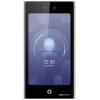


Face ID uses AI cameras with 3D or 2D facial recognition to authenticate the identity of guests and staff before granting floor access. This technology operates contactlessly, takes only 1-2 seconds to recognize, and can integrate with elevators to automatically call the floor.
Face ID is being adopted by high-end resorts like Six Senses, Amanoi to enhance the VIP experience. The investment cost is higher — from 15-30 million VND per access point, but it completely eliminates the risk of lost or cloned cards. The system requires a facial database stored securely, complying with Decree 13/2023/ND-CP on personal data protection.
3. Detailed comparison of RFID key cards and Face ID for hotels and resorts

The comparison table below contrasts 7 most important criteria: investment cost, security, user experience, processing speed, integration capability, operating cost, and maintenance. The results help resort owners determine the solution suitable for their scale and segment.
| Criteria | RFID Key Card | Face ID |
|---|---|---|
| Initial investment cost (per point) | 300,000 - 800,000 VND | Best: 15 - 30 million VND |
| Security | Medium (can be cloned if not encrypted) | Best: High (3D anti-spoofing, facial encryption) |
| User experience | Requires card swipe, easy to lose | Best: Contactless, automatic recognition |
| Processing speed | 1-2 seconds (swipe + authentication) | 1-3 seconds (recognition + verification) |
| Integration capability | Good (PMS, elevator, room door) | Best: Deep integration with CRM, smart elevators |
| Monthly operating cost | Low (only replace lost cards ~5,000 VND/card) | Medium (camera maintenance, software updates) |
| Periodic maintenance | Low (clean reader, replace card battery) | Higher (clean lens, update AI model) |
4. Choose by use case: When to use RFID cards, when to use Face ID?

There is no one-size-fits-all solution. The choice depends on the resort's scale, customer segment, budget, and security priority level. Below are 4 typical scenarios and suggested optimal solutions.
Use case 1: 3-4 star resort, 50-100 rooms, limited budget
Recommendation: RFID Key Card — Low investment cost, easy to operate, front desk staff can issue cards quickly. Suitable for general tourists who do not require extremely high security. Replacement cost for lost cards is only 5,000 VND/card.