
Integrating VMS (Video Management System) with an access control system is a solution that unifies surveillance video streams, facial recognition data, and barrier LPR on a single platform. In Vietnam, manufacturing factories with 500-2,000 employees are transitioning from siloed operations to an integrated security ecosystem, helping to reduce incidents and optimize operational costs.
Industry: Electronic component manufacturing / OEM processing
Scale: 1,200 employees (3 production shifts) + 150 employee vehicles + 30 delivery trucks/day
Location: VSIP II Industrial Park, Binh Duong
Implementation time: Q1/2025 – Q2/2025 (8 weeks, including 2-week POC)
Legacy system: Analog cameras at 25 fps + manual paper logs + 24/7 gate guards
Customer Problems: 4 Core Pain Points
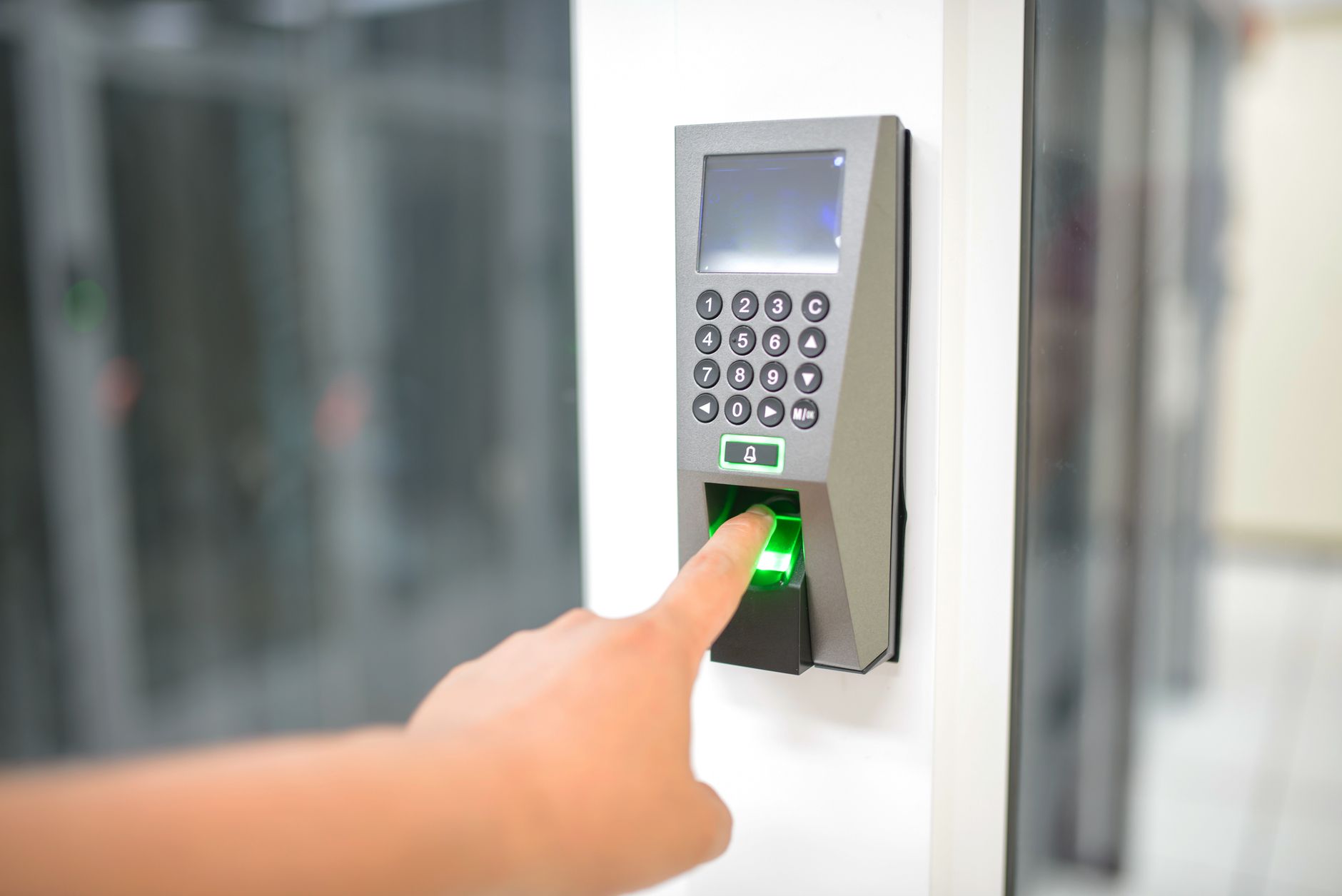
- Loss of access identity control: Over 15-20 incidents/month related to employees swiping cards for others, entering the factory using someone else's card. The old camera system could not match faces with card data in real time.
- Uncontrolled vehicle entry/exit: An average of 3-5 small component theft incidents/month (valued at 5-15 million VND each) due to delivery trucks not being closely monitored. Handwritten license plate records were often 10-15% inaccurate.
- Prolonged violation processing time: Each security incident took 3-5 days to manually review footage, cross-check logs, and identify the subject. Security department productivity dropped by 30-40%.
- High security personnel costs: The factory hired 8 guards/shift (24/7), totaling 180-220 million VND/month, yet monitoring effectiveness remained low due to human error after 6-8 hours of work.
VMS access control integration is a solution that unifies video streams from surveillance cameras with identity authentication data (face ID, access cards, license plates) on a single management platform. The system enables enterprises to monitor in real time, quickly search history, and automate violation processing workflows.
An Ninh Số's Implemented Solution: 5 Steps for VMS Integration with Access Control
Related Products



Step 1: Site Survey and System Architecture Design
An Ninh Số's technical team conducted a 3-day on-site survey of the factory, identifying 3 critical areas: main gate (vehicles + people), employee side gate, and component warehouse area. The system was designed following the Face ID + RFID integration model with the Milestone XProtect VMS platform as the core.
Step 2: Camera and Reader Infrastructure Upgrade
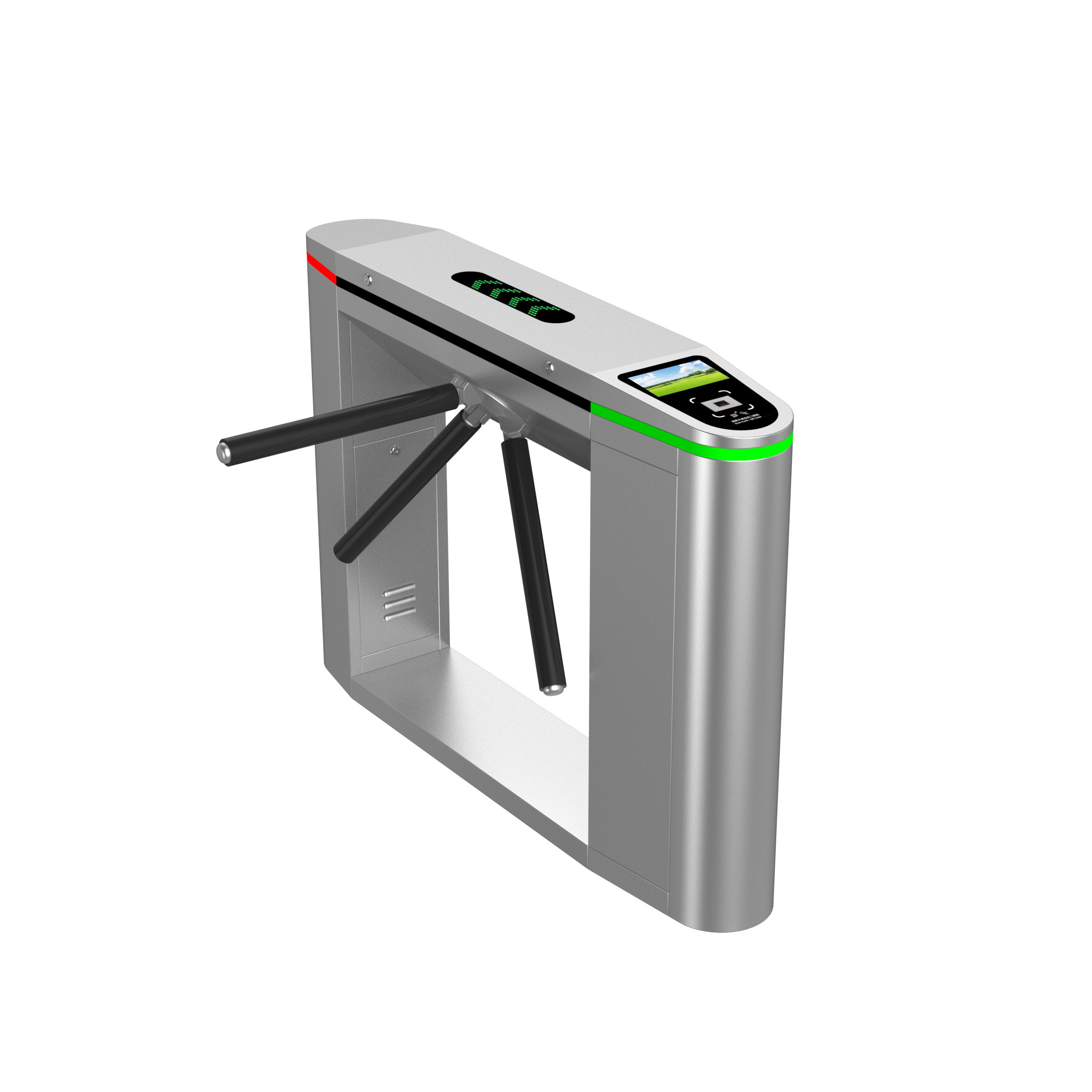
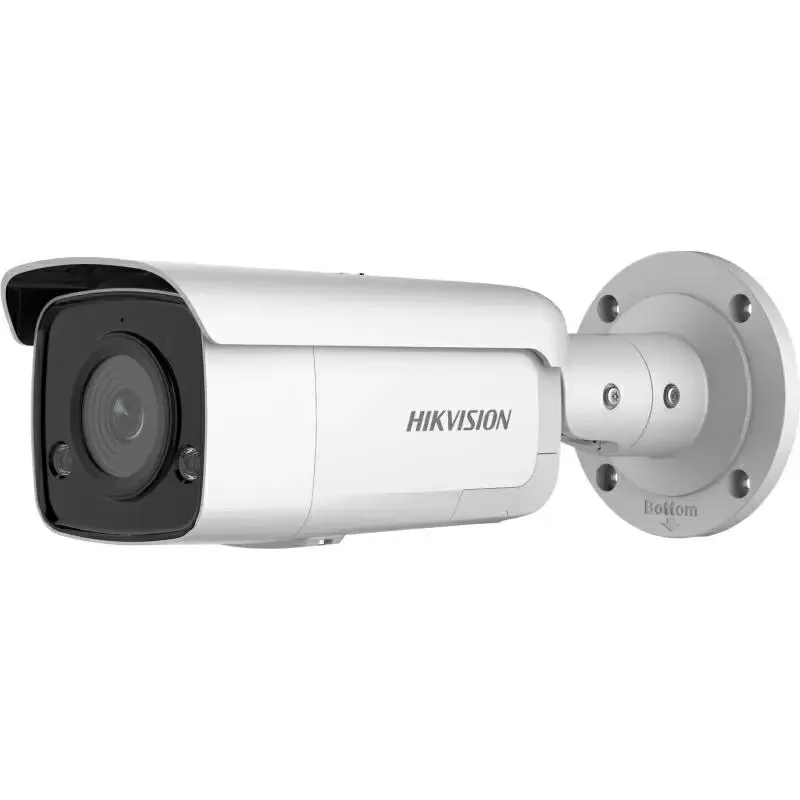
Installed 18 Hikvision AcuSense AI cameras (12 bullet cameras for gate areas + 6 dome cameras for the warehouse) to replace all old analog cameras. At the employee gate, deployed 4 Suprema FaceLite facial recognition readers integrated with tripod turnstiles. The Kapaisi KPS-CP-6002 barrier LPR system was installed at the vehicle gate for automatic license plate recognition.
Step 3: VMS Integration with Access Control and LPR
Milestone XProtect was configured as the primary VMS platform, integrating via the ONVIF Profile Q protocol (for cameras) and SDKs from Suprema (for face ID) and Kapaisi (for LPR). Event data from all three systems was synchronized into a single database, enabling cross-referencing searches: "find all video when vehicle license plate 51F-xxxxx entered the gate at 2 PM on 03/15" or "find the entry/exit history of employee code NV-1234 for the week."
Step 4: Building Automated Alert and Processing Workflows
Established 5 automated alert scenarios on the VMS:
- Face mismatch with employee data → real-time alert to the central monitor + notification sent to guards via app.
- Vehicle not on whitelist entering the gate → barrier does not open, camera records + sends alert.
- Subject detected entering a restricted area (component warehouse) outside hours → activates light + siren + recording.
- Vehicle leaving the factory via an incorrect route → route deviation alert.
- Automated weekly report generation sent via email to the security manager.
Step 5: Training and Pilot Operation
A 2-day training program for the security team (8 people) and a 1-day session for senior management. The old and new systems ran in parallel for 2 weeks to cross-verify data, fine-tune alert thresholds, and optimize recognition performance.
Achieved Results After 6 Months of Operation

- 70% reduction in security incidents: From 15-20 incidents/month down to 4-6 incidents/month (primarily false alerts due to lighting conditions).
- 50% faster violation processing time: From 3-5 days down to 1-2 days thanks to cross-referencing capability between video, face ID, and LPR. Some violations were resolved within 2-3 hours.
- 40% savings on security personnel costs: Reduced from 8 guards/shift to 5 guards/shift, equivalent to saving 70-90 million VND/month. ROI achieved after 14 months.
- 95% increase in accurate recognition rate: The face ID system achieved 95-97% accuracy under factory lighting conditions, and the barrier LPR achieved 98% accuracy with Vietnamese license plates.
"Before, every time a component was lost, the entire security team would spend hours reviewing footage, and often we couldn't find the culprit because the old cameras were too blurry. Since integrating VMS with face ID and barrier LPR, I can look up any event within 5-10 minutes right on my phone. This is the most worthwhile investment for factory security in the past 5 years."
— Mr. Minh Tuan, Operations Director, XYZ Factory
VMS (Video Management System) is centralized video management software that allows enterprises to monitor multiple cameras from a single interface, supporting intelligent search, automated alerts, and integration with other security systems such as access control and alarms.
Comparison Before and After VMS Access Control Integration
| Criteria | Before Integration | After Integration | Improvement |
|---|---|---|---|
| Security incidents/month | 15-20 cases | 4-6 cases | 70% reduction |
| Violation processing time | 3-5 days | 1-2 days | 50% reduction |
| Security cost/month | 180-220 million VND | 110-130 million VND | 40% savings |
| Recognition accuracy | 60-70% (analog cameras) | 95-98% (face ID + LPR) | 30-40% increase |
| Search capability | Manual, no indexing | Real-time cross-referencing | 10-15 times faster |
Lessons Learned for Vietnamese Manufacturing Enterprises
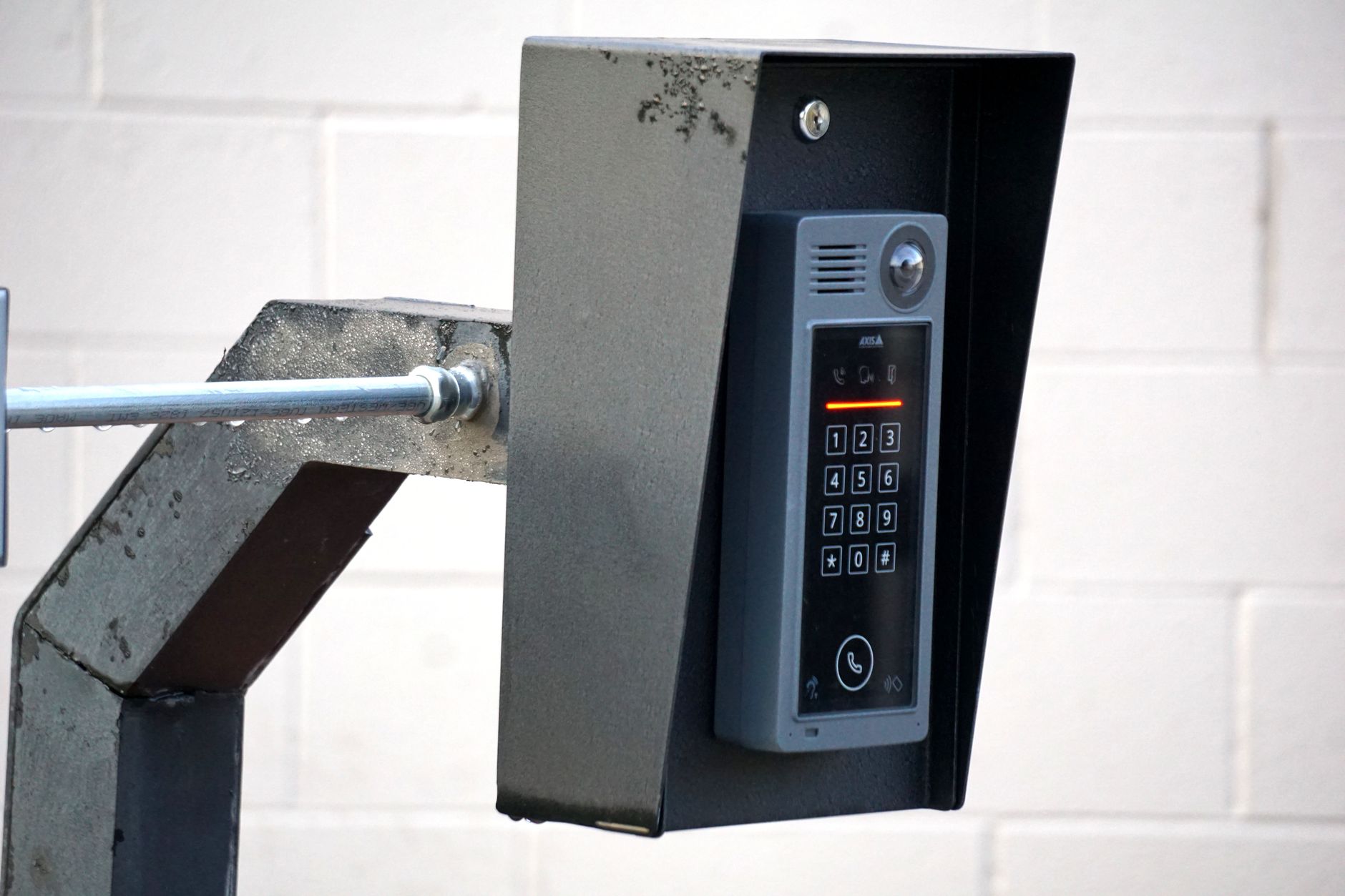
From this case study, manufacturing enterprises can apply 5 key lessons when implementing VMS access control integration: choose an open VMS platform, integrate early with access control, train the operations team, measure KPIs clearly, and expand gradually in phases.
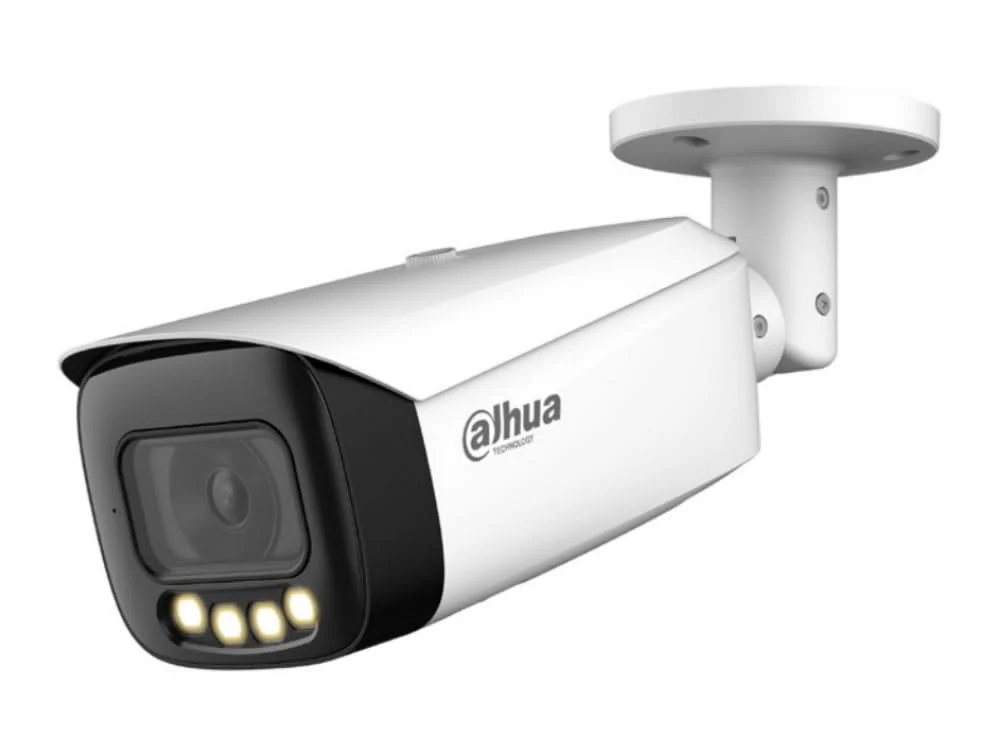
- Choose an open VMS platform, not a locked one: Milestone XProtect was chosen because it supports over 8,000 camera models from various brands (Hikvision, Dahua, Axis). If a proprietary VMS from a single brand is used, the enterprise will find it difficult to expand or change equipment in the future.
- Integrate VMS with access control from the start: Many enterprises install cameras and access control systems separately, and later integration is very costly. Designing integration from the survey stage saves 30-50% in costs compared to post-implementation integration.
- Training the operations team is a key factor: No matter how good the system is, it is useless if the security team does not know how to use it. Training costs account for only 3-5% of the total investment but determine 70% of operational effectiveness.
- Measure KPIs clearly before and after implementation: Record incident data, processing time, and personnel costs before implementation to have a basis for ROI comparison. In this case, ROI was accurately calculated thanks to data from 6 months before and 6 months after.
- Implement in phases, not all at once: Start with the main gate and warehouse area (2-week POC), then expand to the side gate and other areas. This approach reduces the risk of production disruption and allows for timely adjustments.