
From July 1, 2026, all surveillance camera systems in Vietnam must comply with QCVN 11:2026/BCA — the national technical regulation that for the first time mandates domestic data storage, end-to-end encryption, and log auditing. This is not only a technical requirement but also a legal condition for businesses to avoid administrative fines of up to 50-100 million VND. This article decodes the detailed camera data security standards according to current regulations, helping IT and corporate security managers design legally compliant systems.
What is camera data security according to Vietnamese regulations?
Camera data security is a set of technical and management measures to protect personal information, images, and metadata from surveillance cameras against unauthorized access, alteration, or loss. In Vietnam, camera data security is governed by three main regulations: PDPA (Personal Data Protection Law 2023), ATTT (Information Security Law 2015), and QCVN 11:2026 (National Technical Regulation on IP Cameras). Each regulation sets specific requirements for encryption, storage, access control, and auditing.
Three mandatory regulations for camera systems in Vietnam
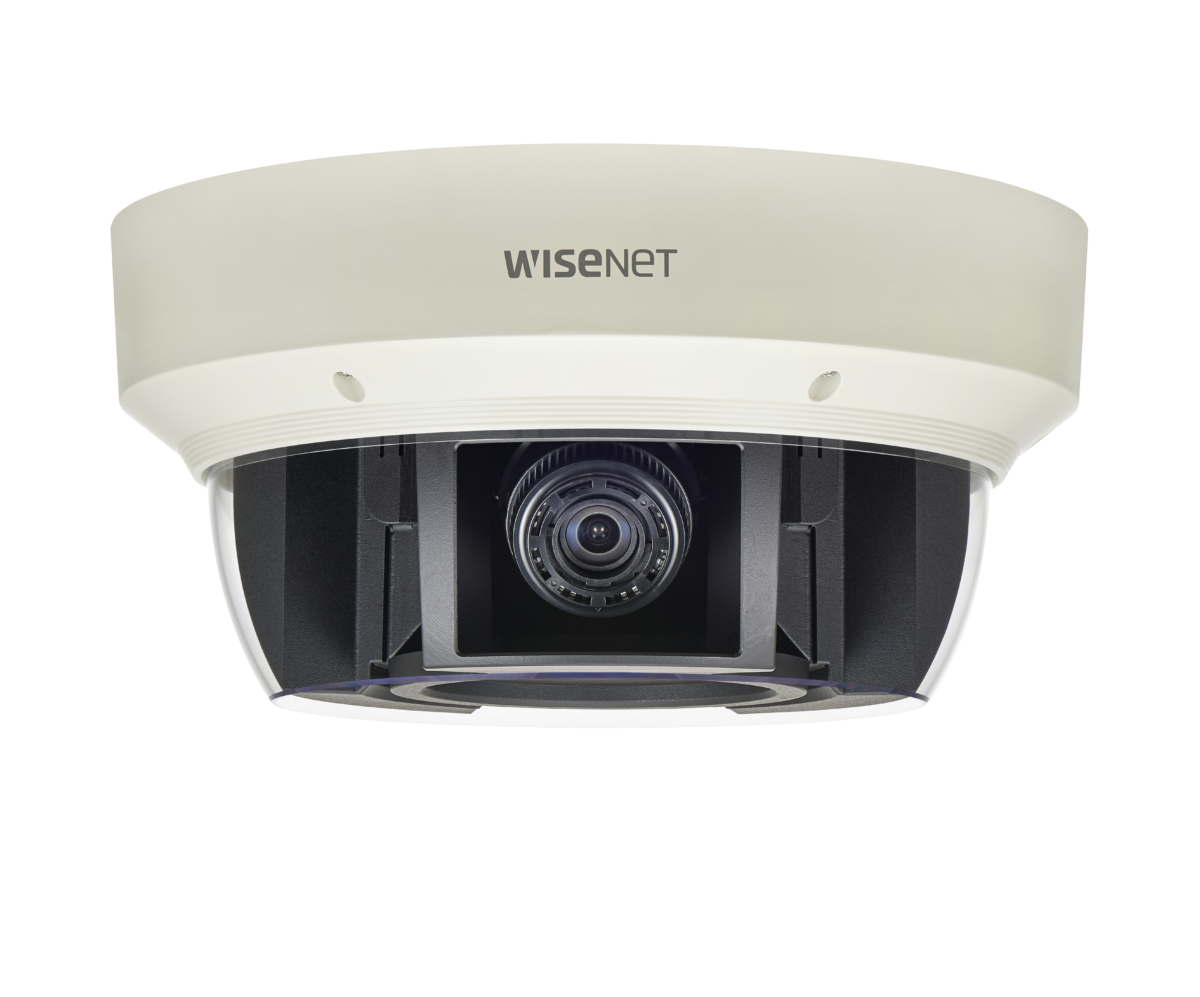
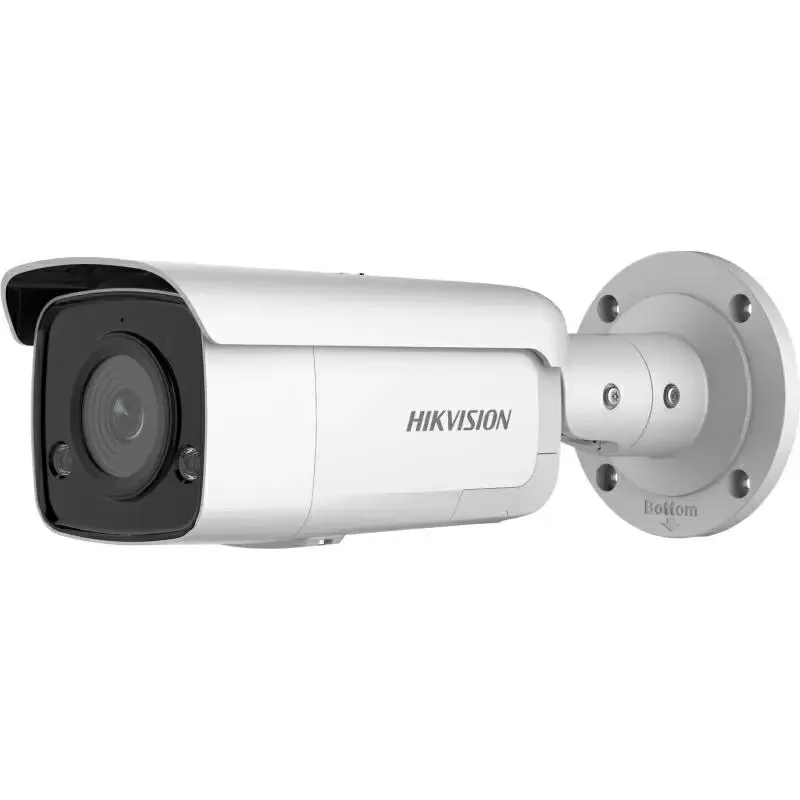
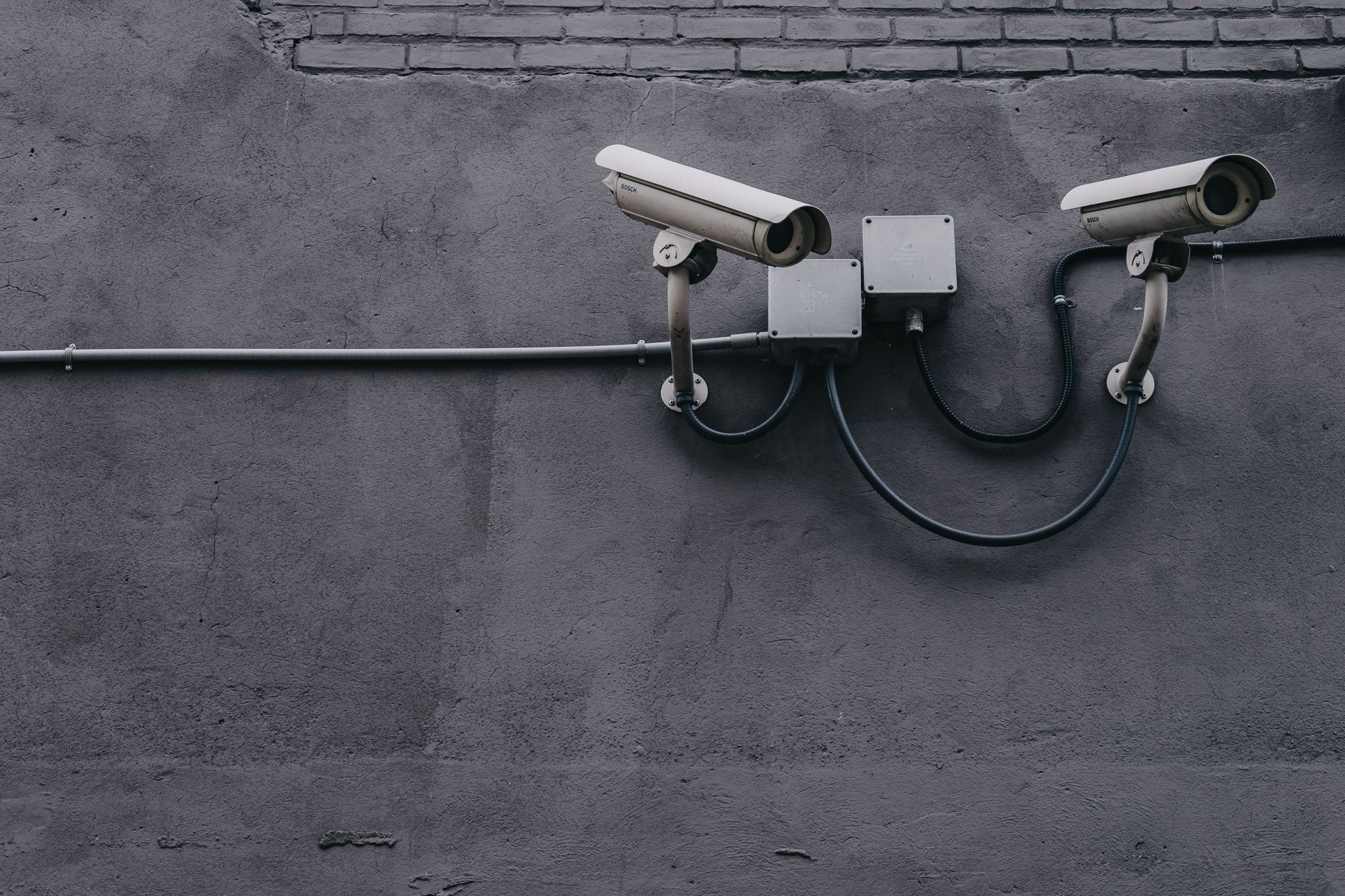
Surveillance camera systems in Vietnam must comply with three main regulations, each setting different requirements for data security. Understanding each regulation is the first step to designing a legally compliant camera system.
1. PDPA (Personal Data Protection Law 2023) — Protecting individual rights
- Main requirement: Cameras must be configured to process personal data in Vietnam. Facial images and citizen identification information must not be stored on foreign servers.
- Storage duration: Personal data must be deleted after 30-90 days (depending on the type of business), unless required by law or contract.
- Individual rights: Citizens have the right to request deletion of their image data. Businesses must delete it within 15 working days.
- Penalties: 20-50 million VND for storing personal data abroad without a legal reason.
2. ATTT (Information Security Law 2015) — Protecting national information security
- Main requirement: Camera systems must have access control, data encryption, and automatic log auditing.
- Mandatory encryption: Camera data must be encrypted end-to-end when transmitted over the Internet or stored on the cloud.
- Log auditing: All access, deletion, and modification activities of camera data must be recorded. Logs must be stored for ≥ 90 days.
- Penalties: 30-100 million VND for lack of log auditing or data encryption.
3. QCVN 11:2026/BCA (National Technical Regulation) — IP camera technical requirements
- Mandatory domestic storage: For the first time, Vietnam mandates that cameras must be configurable to store data in Vietnam. This is a mandatory condition from July 1, 2026, for all brands (domestic + imported).
- Multi-factor authentication (MFA): Access to NVR/camera must require password + OTP/biometric, not just a password.
- Security updates: Cameras must receive security updates ≥ 2 times/year from the manufacturer.
- Vulnerability testing: Manufacturers must publish a list of fixed security vulnerabilities quarterly.
Specific technical requirements for NVR and storage systems

The NVR (Network Video Recorder) is the central storage hub for camera data. To comply with the law, the NVR must meet 5-7 specific technical requirements regarding encryption, access control, auditing, and backup.
Data encryption
- Transmission encryption (TLS 1.2+): Data from camera → NVR must be encrypted using TLS 1.2 or higher. HTTP is NOT accepted (only HTTPS