
Automated inventory tracking via RFID (Radio Frequency Identification) is a technology that uses radio waves to identify and count goods in bulk within a 5-10 meter range, without needing to scan each barcode. According to a 2025 IDC report, businesses applying RFID for warehouse management reduce inventory counting time by an average of 95% and inventory errors by 30-50% — turning a 2-3 day manual process into 30-60 minutes with a single staff member.
What is Automated Inventory Tracking via RFID?

Automated inventory tracking via RFID is a system that uses RFID tags attached to each product, fixed or mobile RFID readers, and management software to automatically record the quantity and location of goods in real-time. Unlike barcodes which require scanning each unit, RFID reads 200-500 tags/second in bulk within a 5-10 meter radius.
The system consists of three main components: RFID tags (passive UHF 860-960MHz, costing 500-2,000 VND/tag for bulk quantities), RFID readers (handheld or fixed readers such as the Zebra MC3390R or Impinj R700 series), and middleware software integrated with ERP/WMS. When the reader emits a signal, the RFID tag responds with a unique EPC code, allowing the system to know exactly which product is where without requiring line-of-sight.
How Does RFID Reduce Inventory Counting Time by 95%?
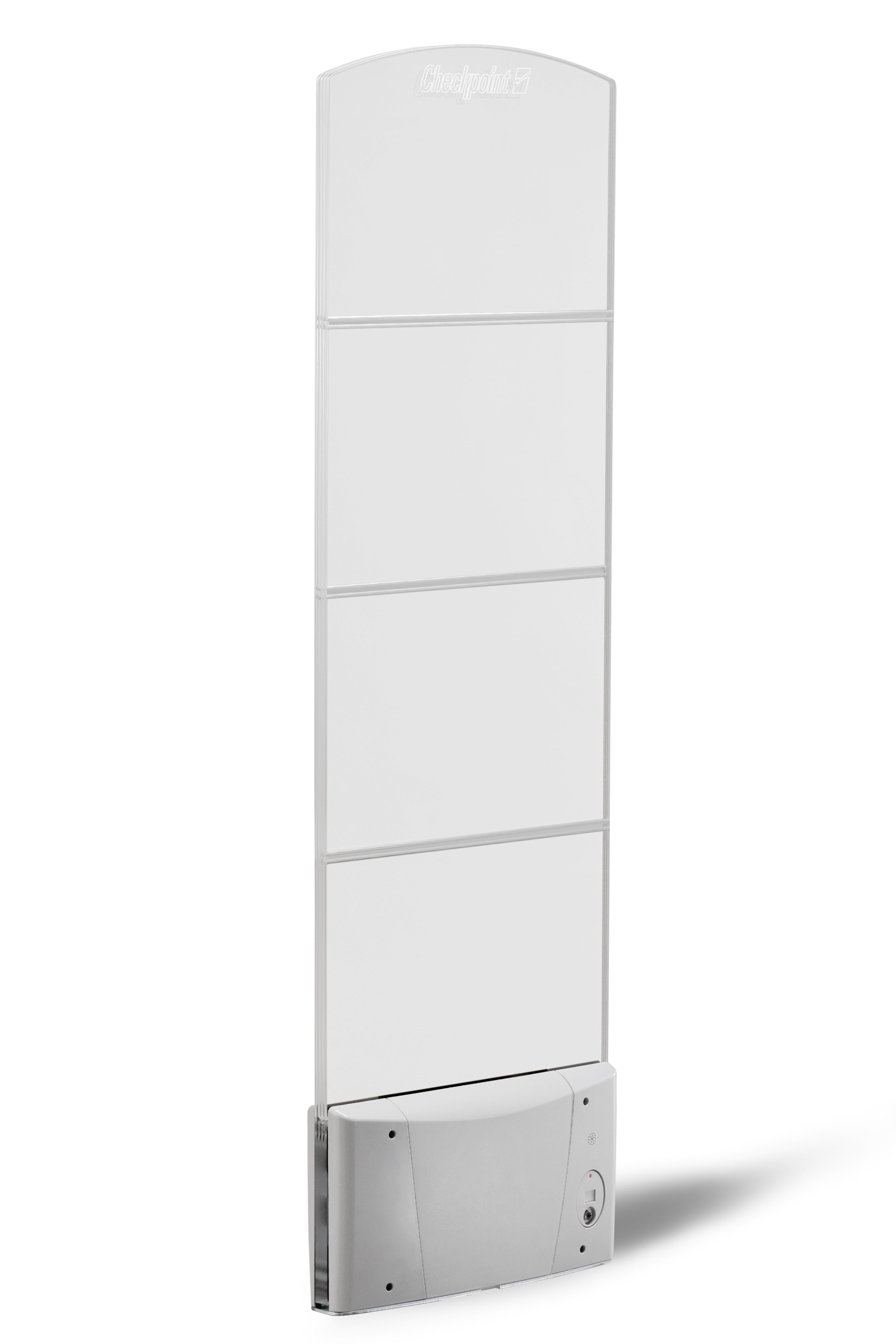
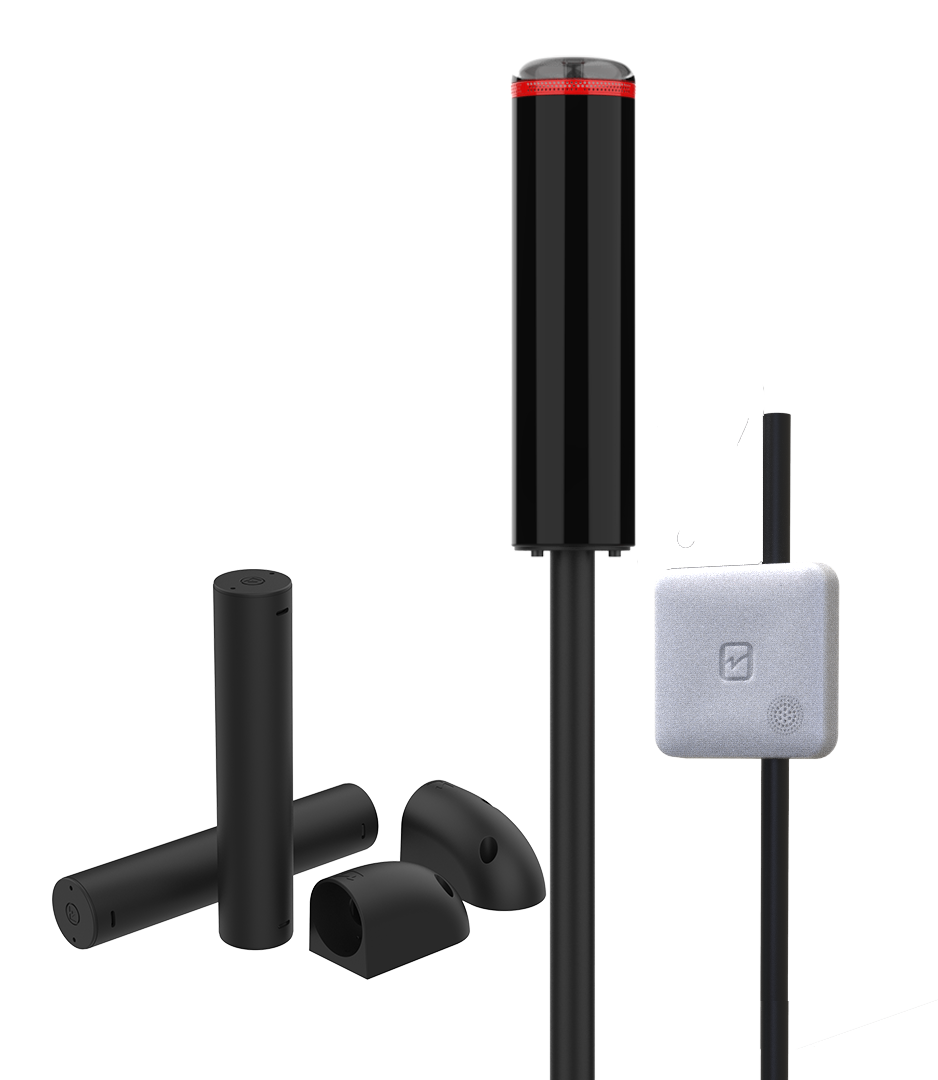
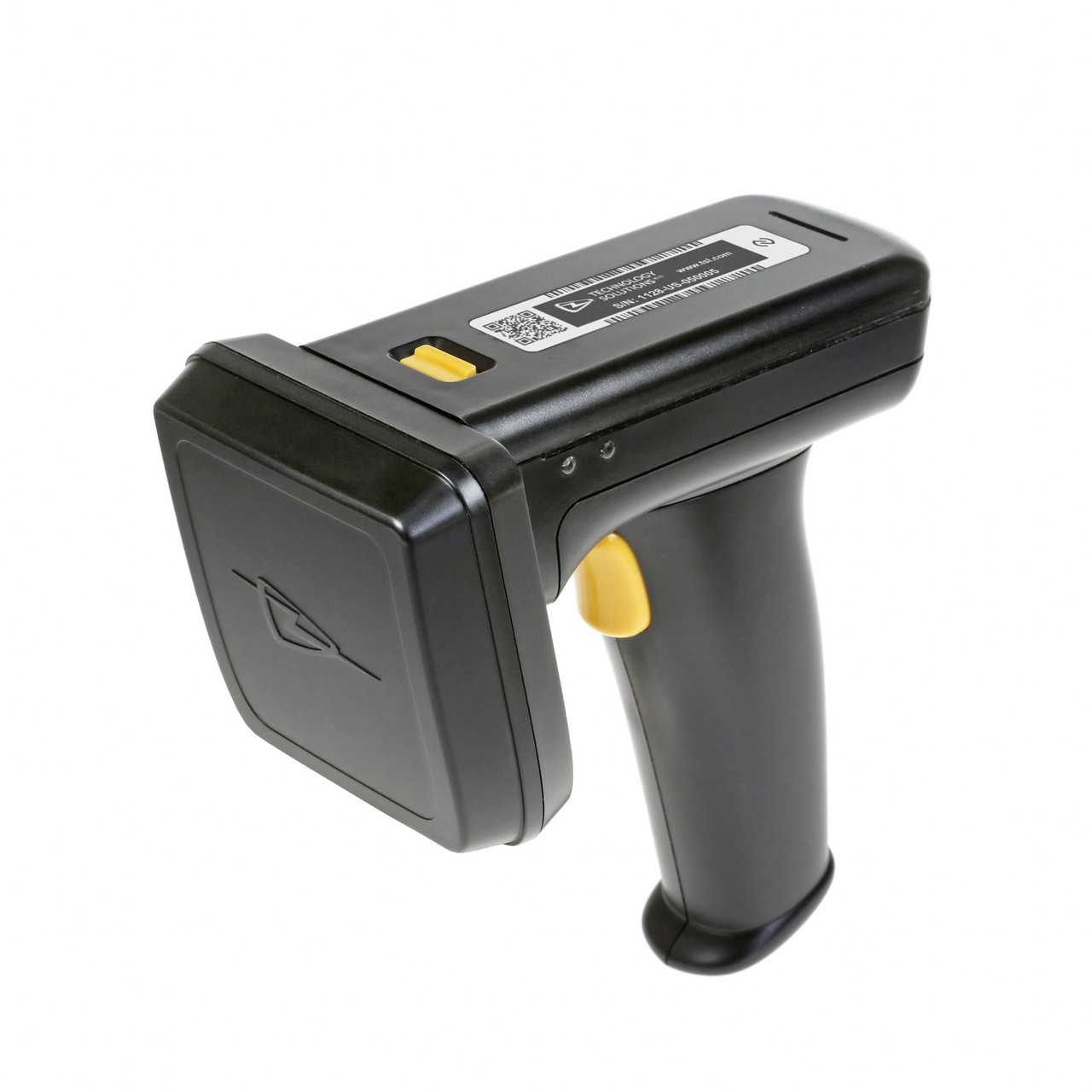

With barcodes, counting 10,000 SKUs takes 2-3 days and 3-5 staff members. With an RFID handheld, one person walks through the warehouse in 30-60 minutes, reading 200-500 tags simultaneously per second. This speed comes from the ability to read in bulk without scanning each tag.
The RFID inventory counting process proceeds as follows:
- Staff carry a handheld reader (e.g., Zebra RFD8500) walking down warehouse aisles at a speed of 3-5 km/h.
- The reader emits UHF signals, scanning all tags within a 5-8 meter radius simultaneously.
- The software compares the read data with system inventory, creating a real-time discrepancy report.
- An entire 5,000 m² warehouse is completed in 45-60 minutes, instead of 8-16 hours with barcodes.
A case study from the retail chain Lá Me (Fictional brand) in Vietnam showed: with 3 stores of 200-400 m² each, inventory counting time dropped from 6 hours/store down to 15-20 minutes — a 95-97% reduction in labor time.
RFID vs. Barcode: When Should You Use Which?
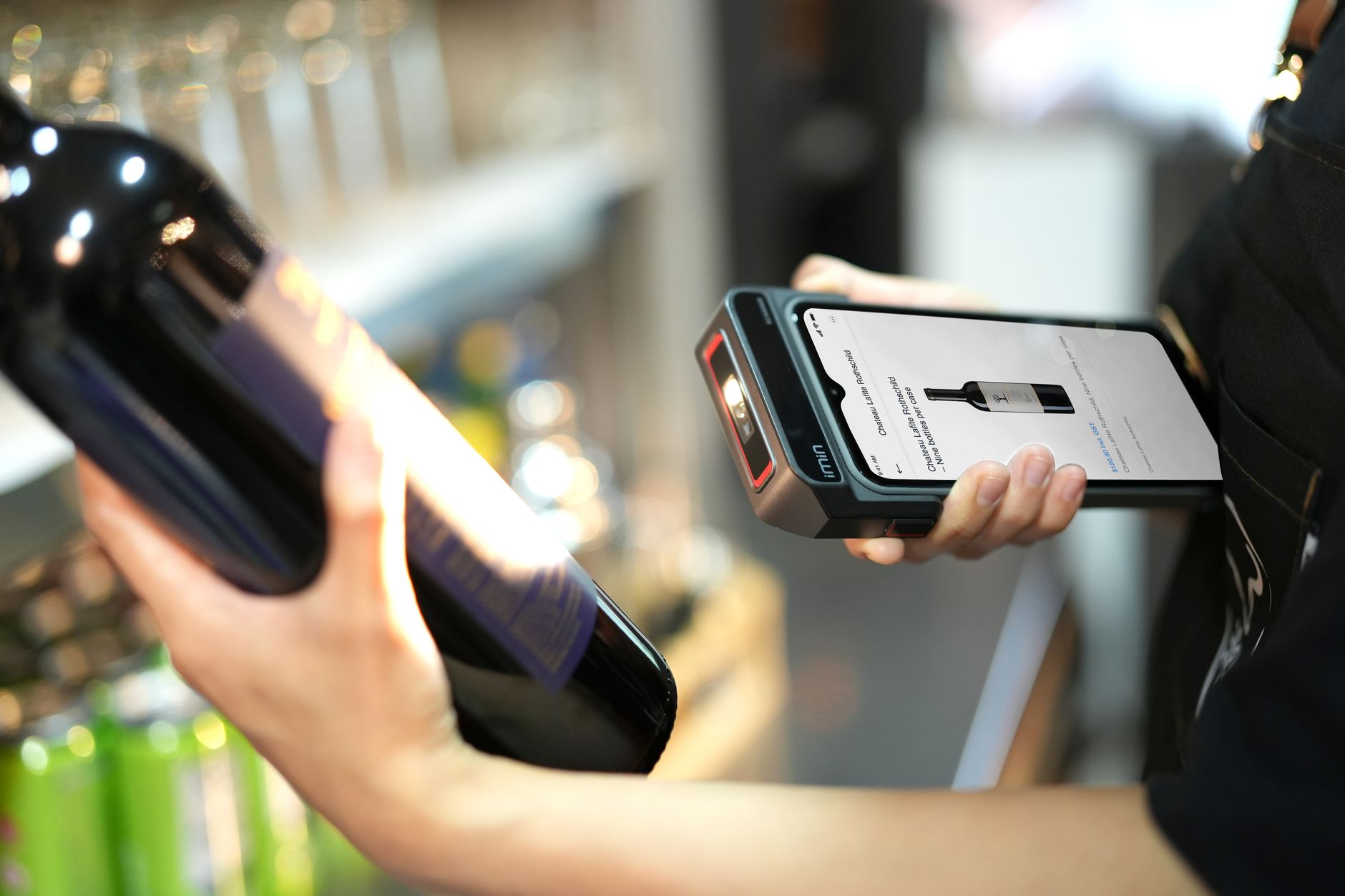
Barcodes are suitable for micro-enterprises (under 500 SKUs) with a budget under 10 million VND. RFID is optimal for warehouses with 1,000+ SKUs, where counting speed and accuracy are top priorities.
| Criteria | Barcode | UHF Passive RFID |
|---|---|---|
| Read speed | 1 tag/scan | 200-500 tags/second |
| Read range | 0-30 cm (requires line-of-sight) | 5-10 meters (no line-of-sight needed) |
| Counting time for 10,000 SKUs | 2-3 days, 3-5 people | 30-60 minutes, 1 person |
| Accuracy | 90-95% (errors due to manual scanning) | 99.5-99.9% |
| Initial investment cost | 5-15 million (printer + scanner) | 150-500 million (tags + readers + software) |
| Supply cost per SKU | 200-500 VND/label | 500-2,000 VND/tag |
| Suitable for | Mini supermarkets, small stores | Warehouses with 1,000+ SKUs, retail chains, manufacturing |
Specific Financial Benefits of Automated Inventory Tracking via RFID
RFID not only saves time — it also reduces dead stock costs by 15