
The hotel staff floor access control system (KSRV) is a set of identification devices — RFID key cards, Face ID readers, electronic locks — installed at entry points to back-of-house areas (storage, technical rooms, management offices) to authenticate identity and record access times. According to a 2025 survey by the Vietnam Hotel Association, up to 68% of property loss incidents in hotels involve employees, and more than half of those stem from lax control in internal areas.
Risk 1: Lost mechanical keys and cloned key cards
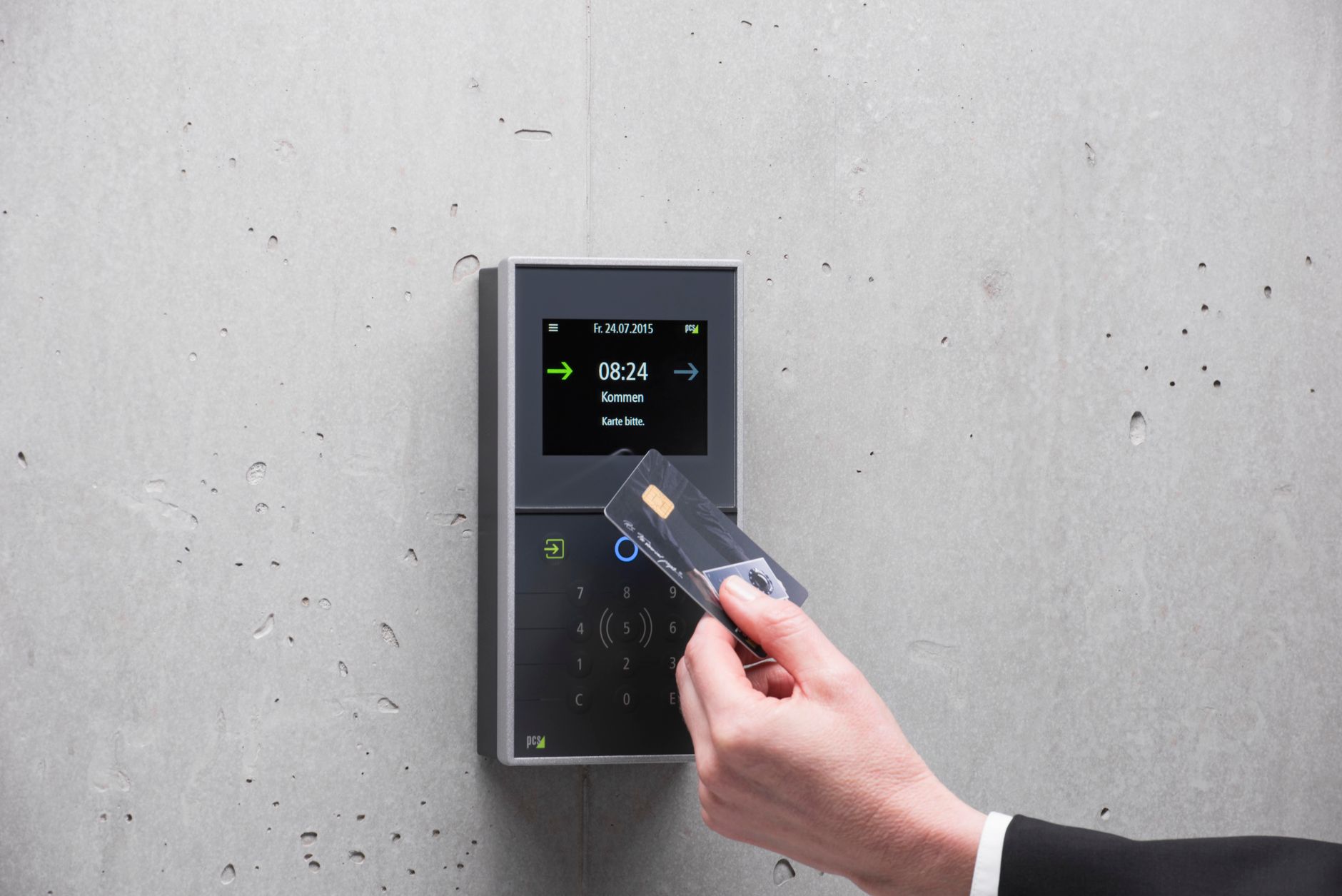
Mechanical keys are easily lost, and employees can secretly make copies without anyone knowing. 125kHz RFID key cards are also easily cloned using a cheap handheld device (under 500,000 VND) within 10-15 seconds — putting access rights in the hands of unauthorized individuals.
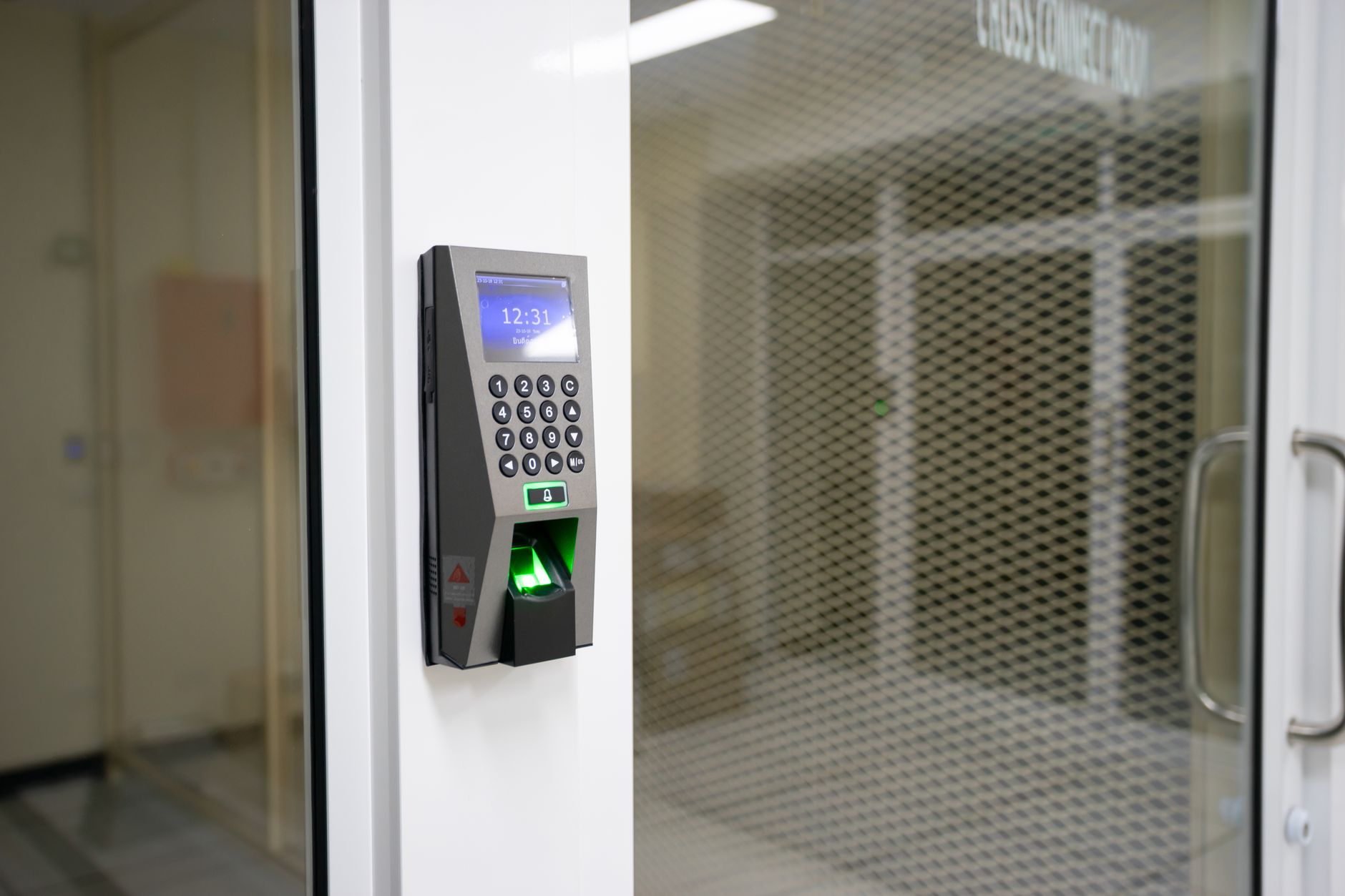
Most hotels still use mechanical keys for supply room doors or 125kHz key cards for technical area doors. Both have fatal flaws: access rights cannot be revoked if a card is lost (unless the lock is changed), and there is no sign of cloning. The solution is to upgrade to encrypted 13.56MHz RFID key cards (Mifare DESFire) or use 3D Face ID readers — facial data cannot be cloned, and access rights can be remotely disabled within 5-10 minutes.
Risk 2: Former employees still retain access rights
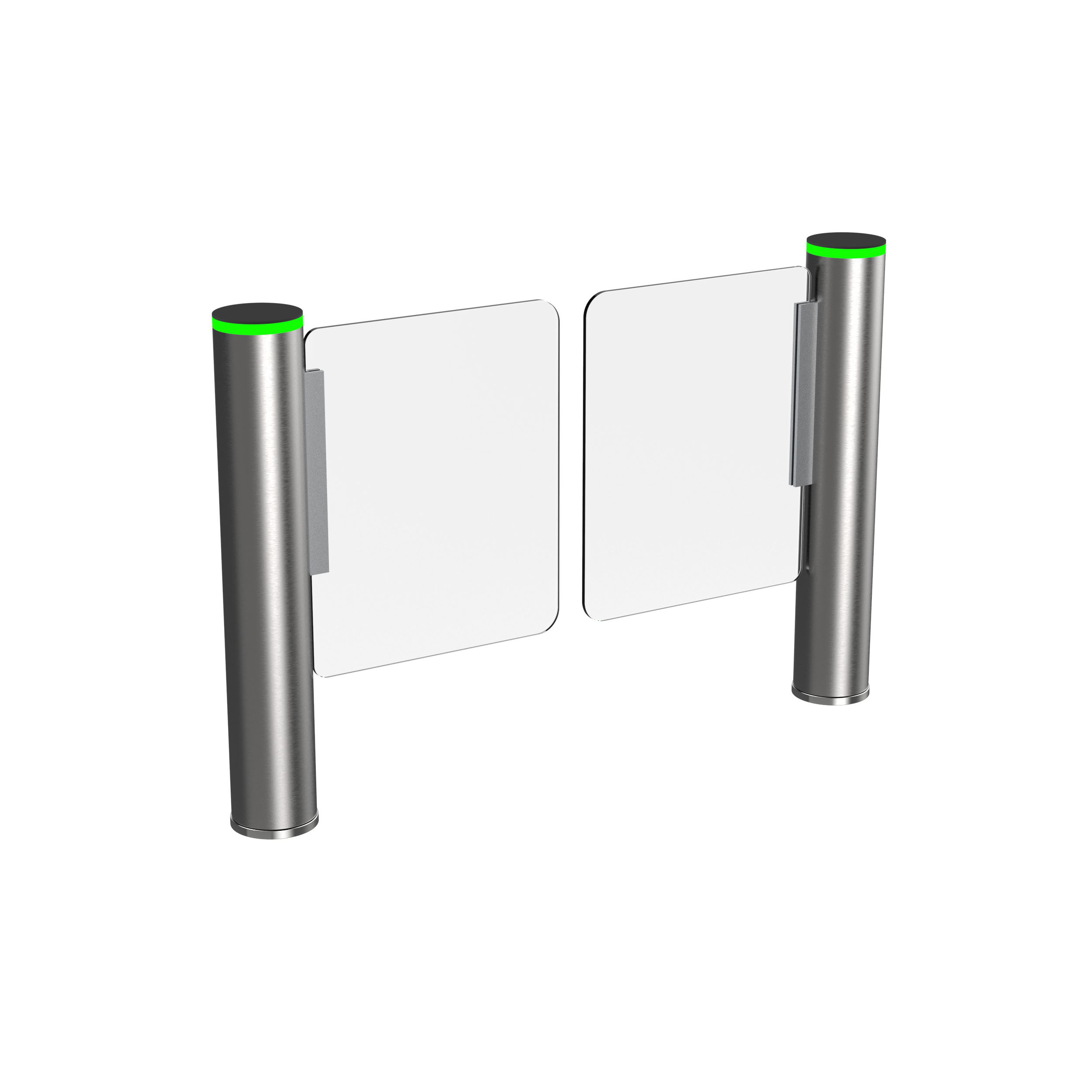
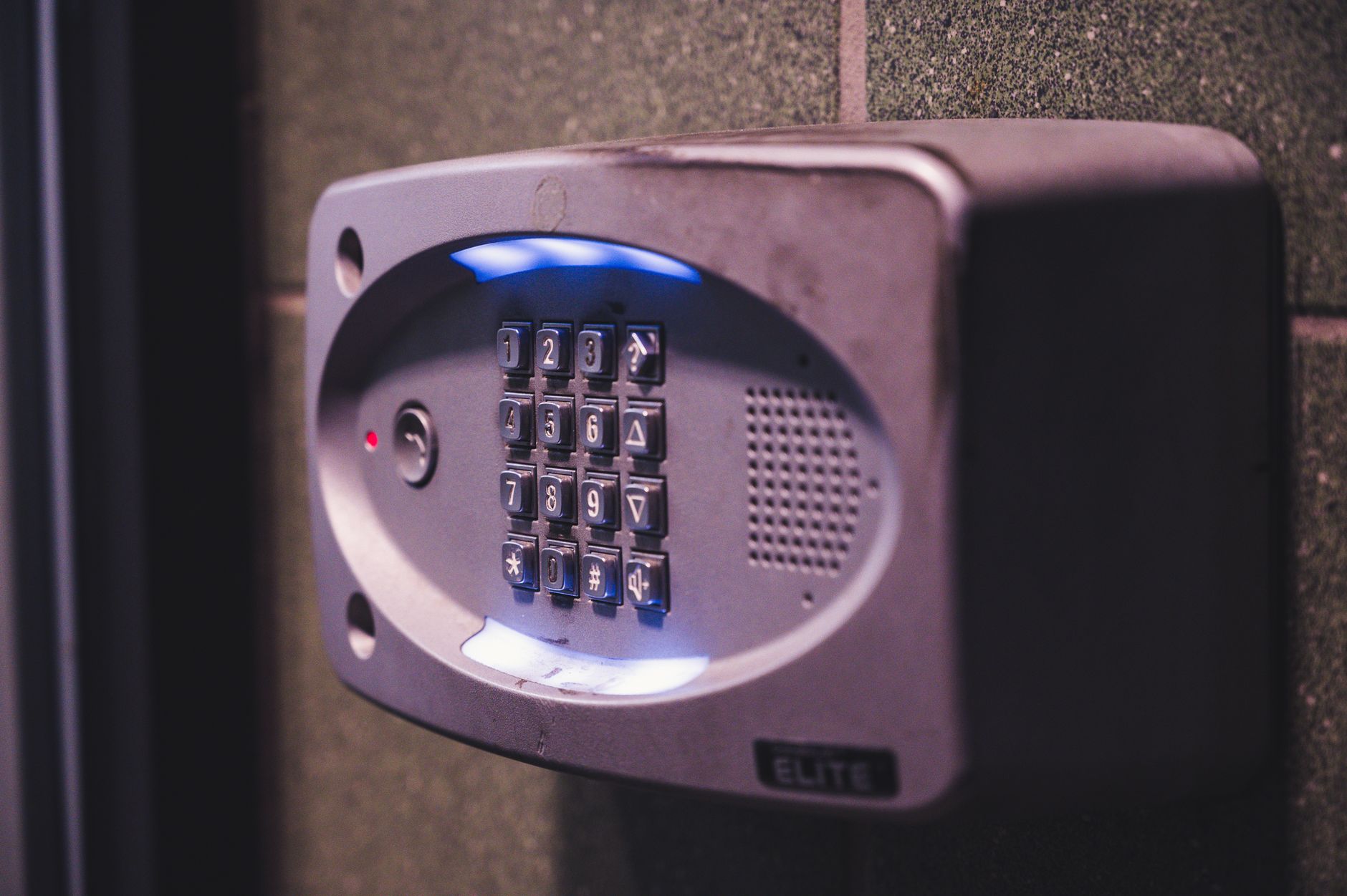
When an employee leaves, if their card is not promptly collected or their code removed from the system, the former employee can return to the hotel at any time — this is especially dangerous for liquor storage, electronics storage, or safe areas.
This is the most common vulnerability in small and medium-sized hotels in Vietnam. The handover process often takes 1-3 days, during which the card remains active. With a centralized KSRV system, management only needs 30 seconds to disable the account in the software — the card will immediately be useless at any door. For Face ID, the former employee's facial data is deleted from the database, preventing re-login.
Risk 3: Lack of an audit trail when incidents occur

When property loss is discovered, management often doesn't know who entered the storage room or when — because there is no electronic log. This makes investigations dead-end, taking 3-7 days to manually review camera footage.
The KSRV system records detailed logs of each entry and exit: employee ID, time, specific door. Data is stored on the cloud or internal server for a minimum of 90 days. When needed, management only takes 5-10 minutes to generate a report and immediately identify the suspect. Some systems also integrate with IP cameras — each time a card is swiped or a face is recognized, the camera automatically takes a snapshot for verification.
Risk 4: Uncontrolled contractors and visitors
Maintenance contractors for elevators, air conditioning cleaners, or delivery personnel often enter the staff floor without supervision — easily leading to theft of components or leakage of internal information.
The solution is to issue temporary cards with a validity of 1-8 hours, which can only open 1-2 specific doors. After the time expires, the card is automatically deactivated. With Face ID, a one-time QR code can be created and sent to the contractor's phone — scan at the gate to enter, contactless, and non-reusable.
Risk 5: Emergency exits exploited for break-ins
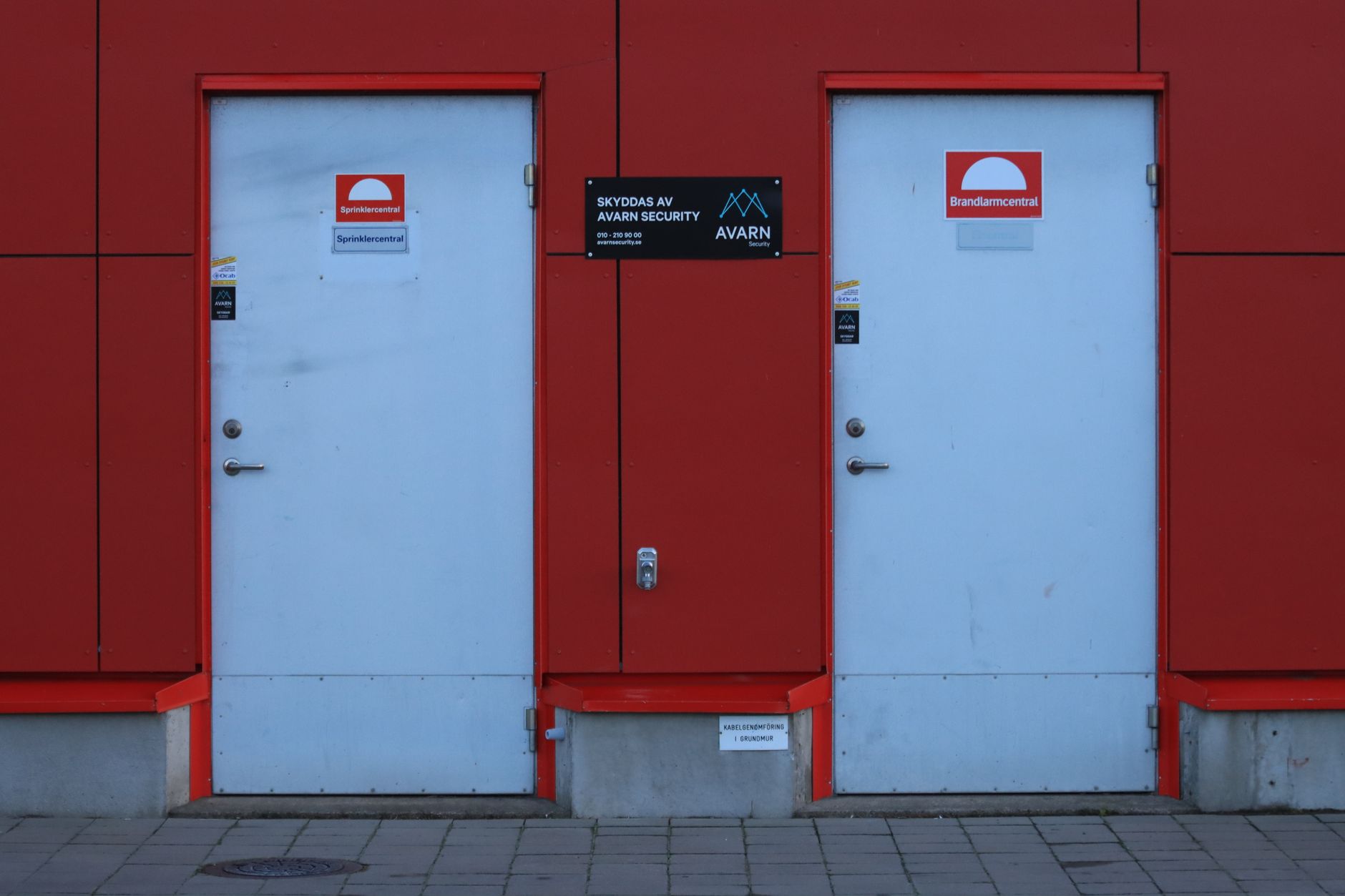
Emergency exits are often left unlocked to ensure fire safety compliance, but this creates a weak point for strangers to break in from outside to the staff area — especially in hotels with narrow frontages and multiple side entrances.
The modern KSRV solution uses electromagnetic locks combined with panic bar exit devices. When a fire alarm is