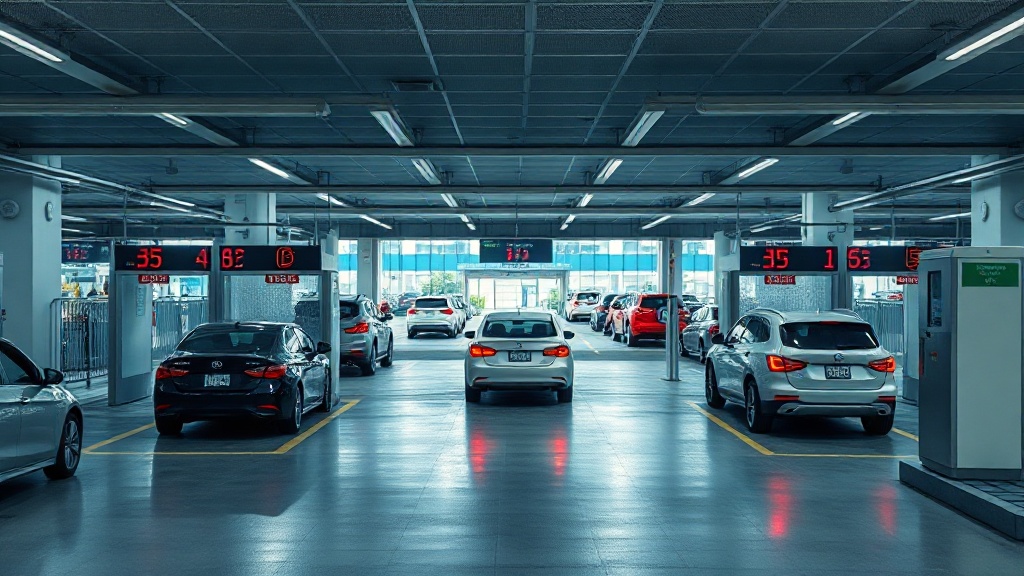
A smart shopping mall parking lot is a system integrating automatic barriers with license plate recognition (LPR/ANPR) and a cashless payment platform, automating the entire entry-exit and fee collection process. According to a 2025 survey by the Vietnam Retail Association, malls adopting this solution reduce peak-hour wait times by 50-70% and increase parking service revenue by 25-35% due to reduced leakage.
Problems with traditional shopping mall parking lots

⚠ Peak hour congestion: Manual barrier systems combined with cash collection cause each vehicle to take 30-60 seconds to pass through the station, leading to prolonged congestion on weekends and holidays, directly impacting customer experience.
⚠ Revenue leakage: Toll collectors can commit fraud (not issuing tickets, collecting less than the regulated amount). Estimates show traditional parking lots lose 15-25% of actual revenue.
⚠ High labor costs: Each entry-exit station requires 2-3 shift workers. For a mall with 4-6 lanes, labor costs can reach 30-50 million VND/month.
⚠ Lack of analytical data: Mall owners do not know the exact number of vehicles entering and exiting by hour or day, and cannot measure the effectiveness of free parking promotion programs.
⚠ Difficulty managing VIP customers: Confirming free or discounted parking for loyal customers requires a manual process, causing inconvenience and delays.
How does the smart parking solution integrating barriers and payment work?
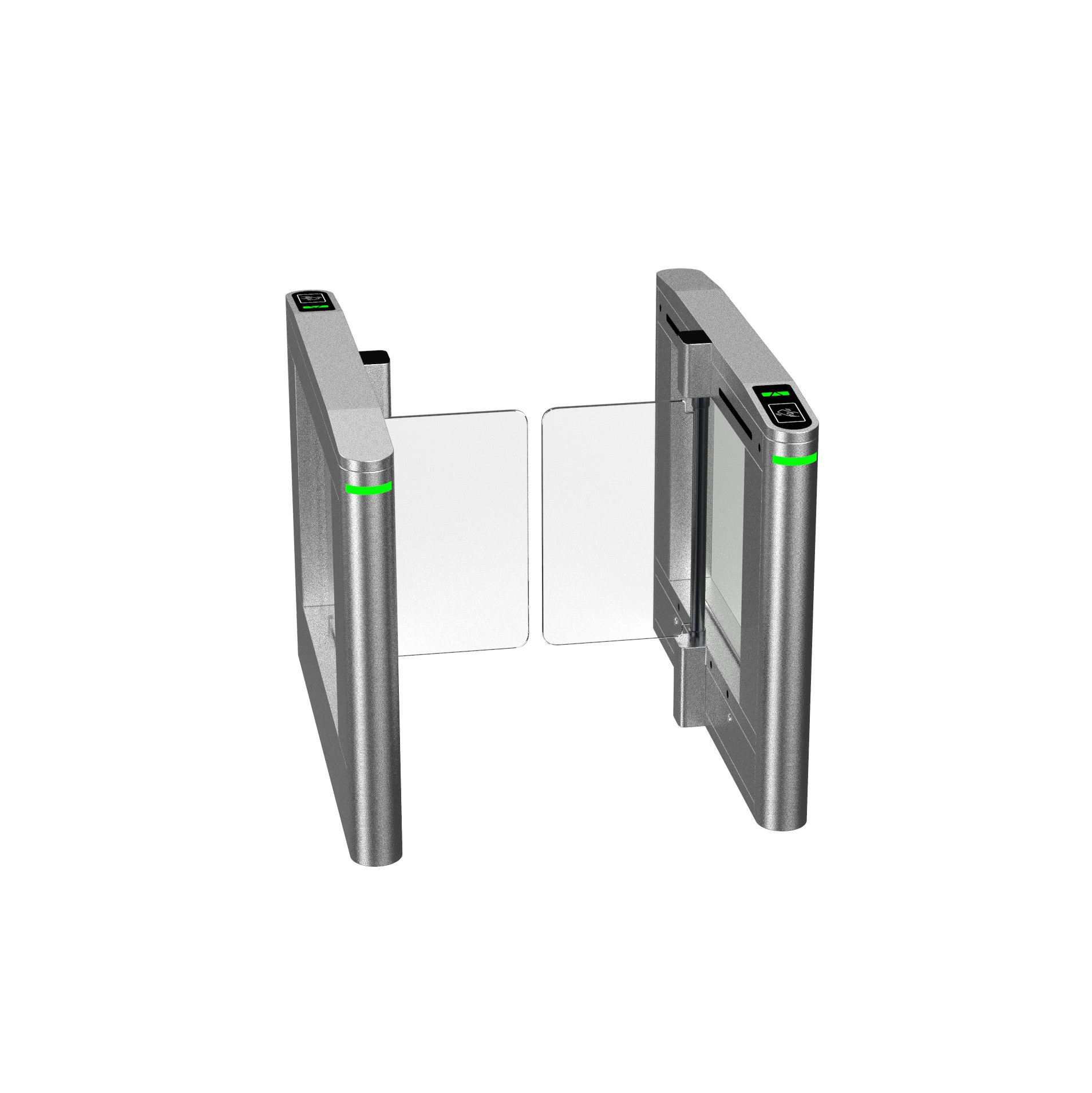
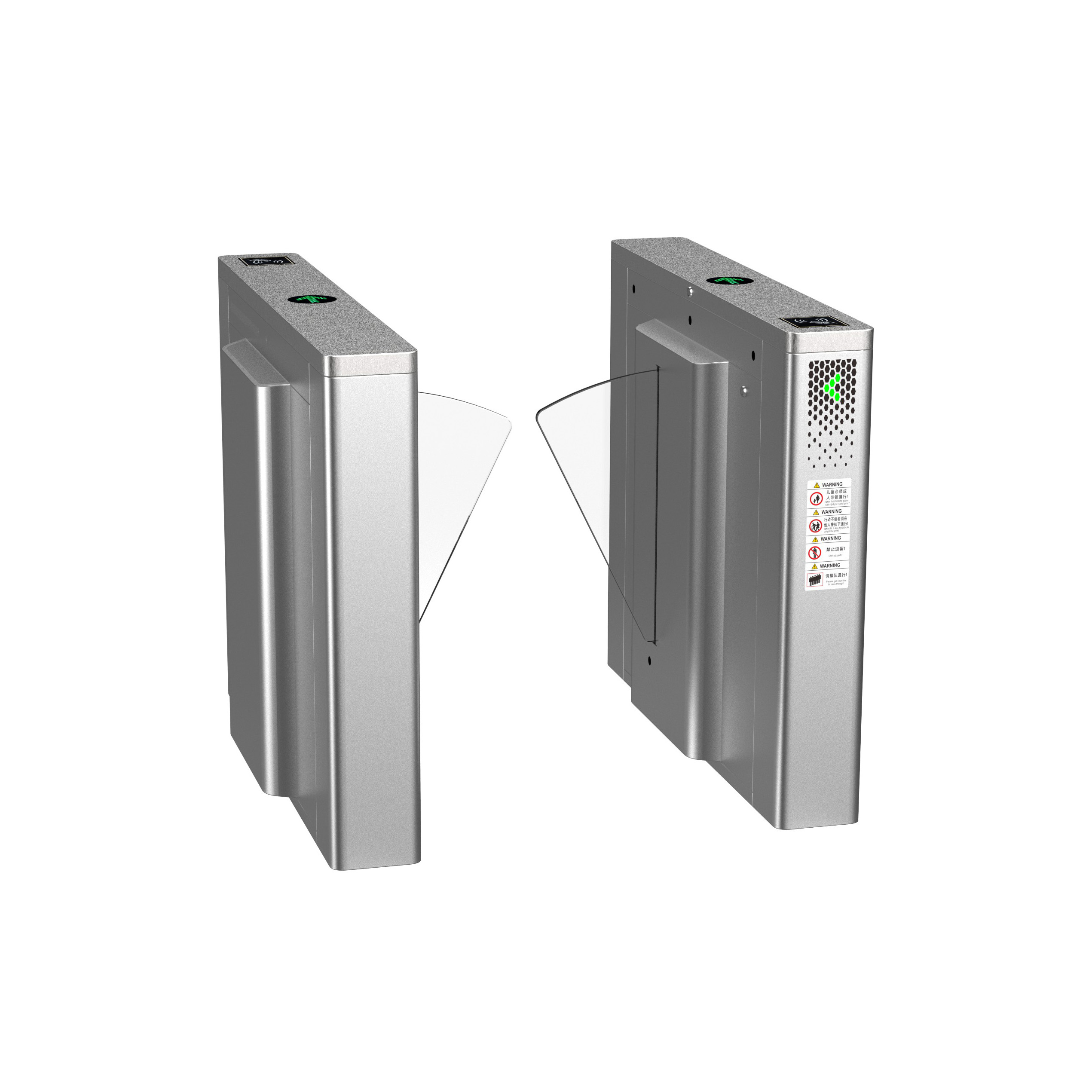
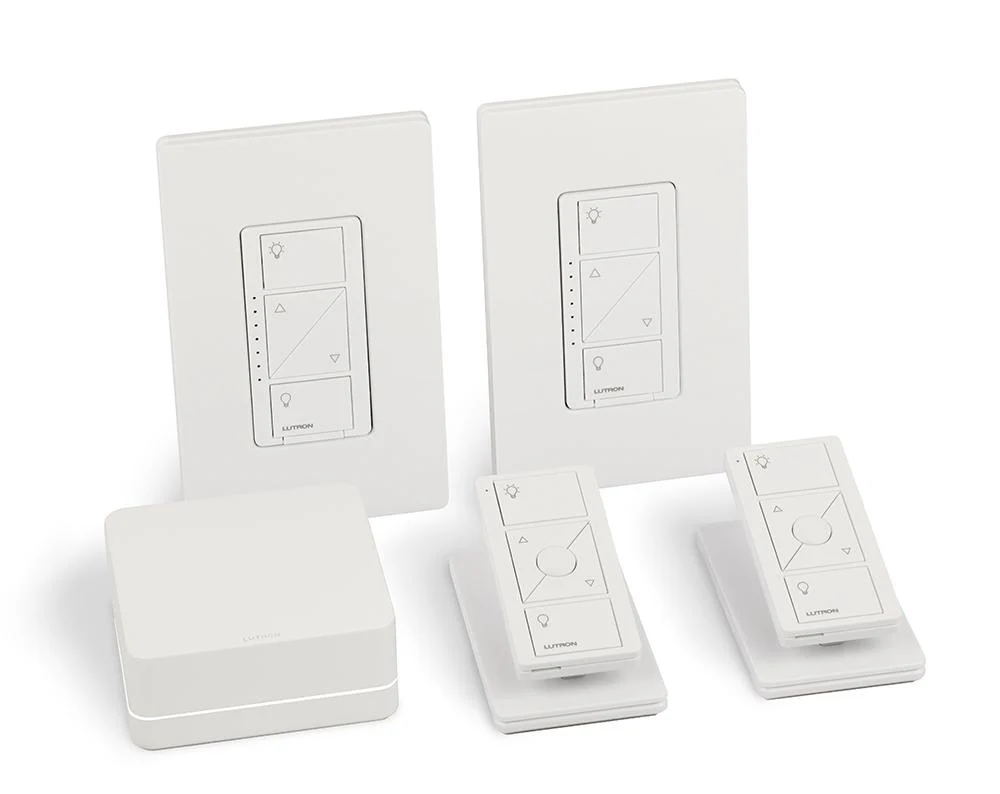
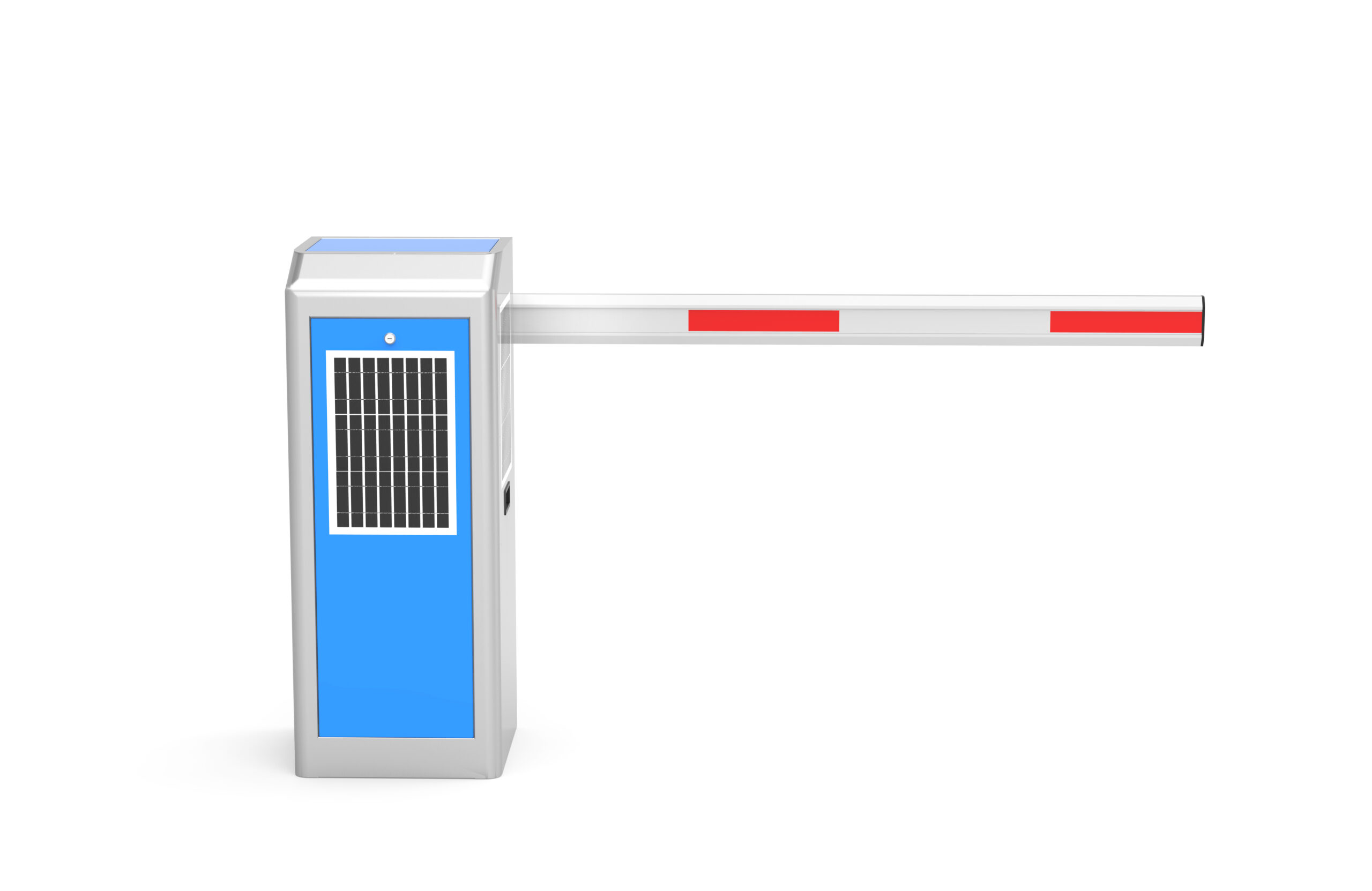
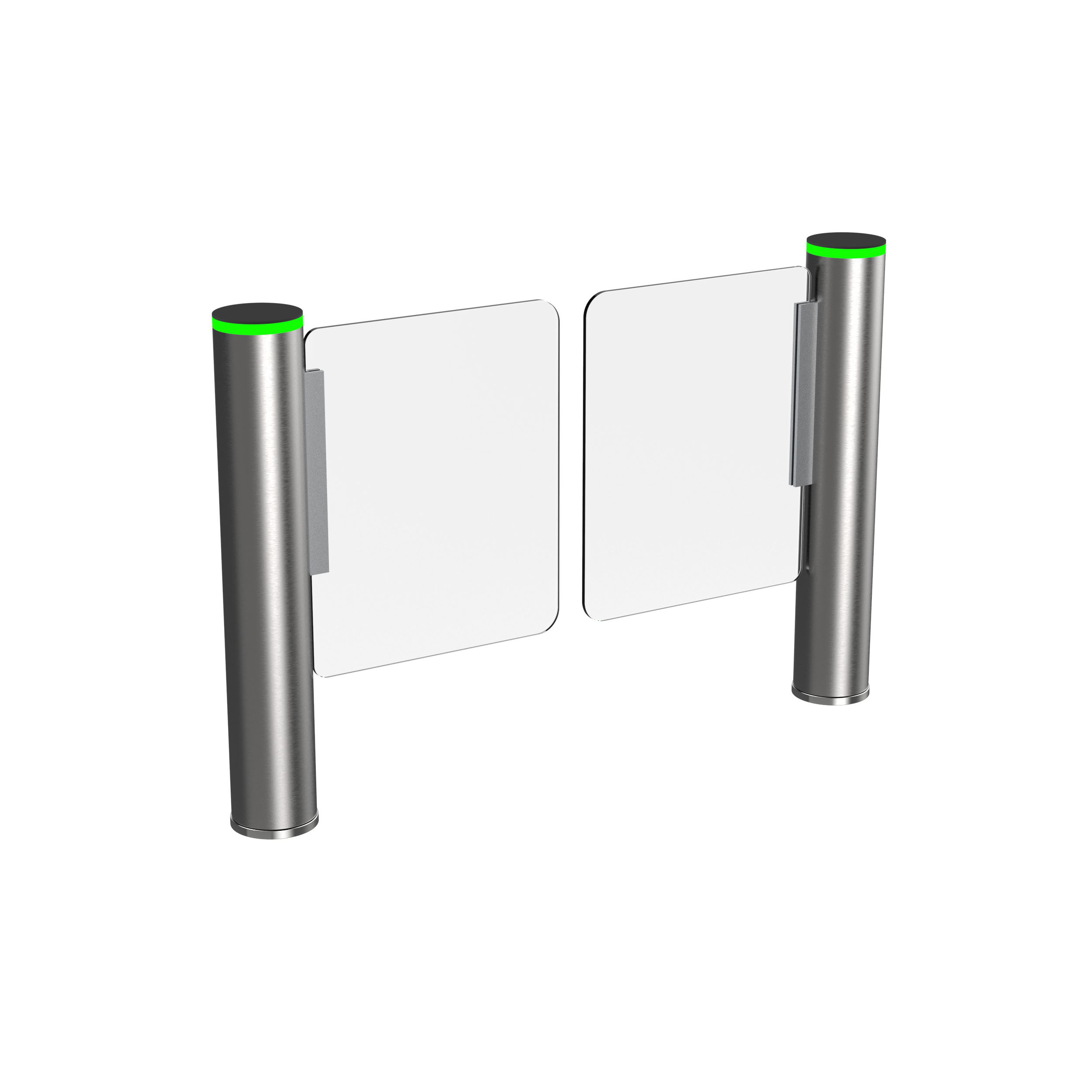
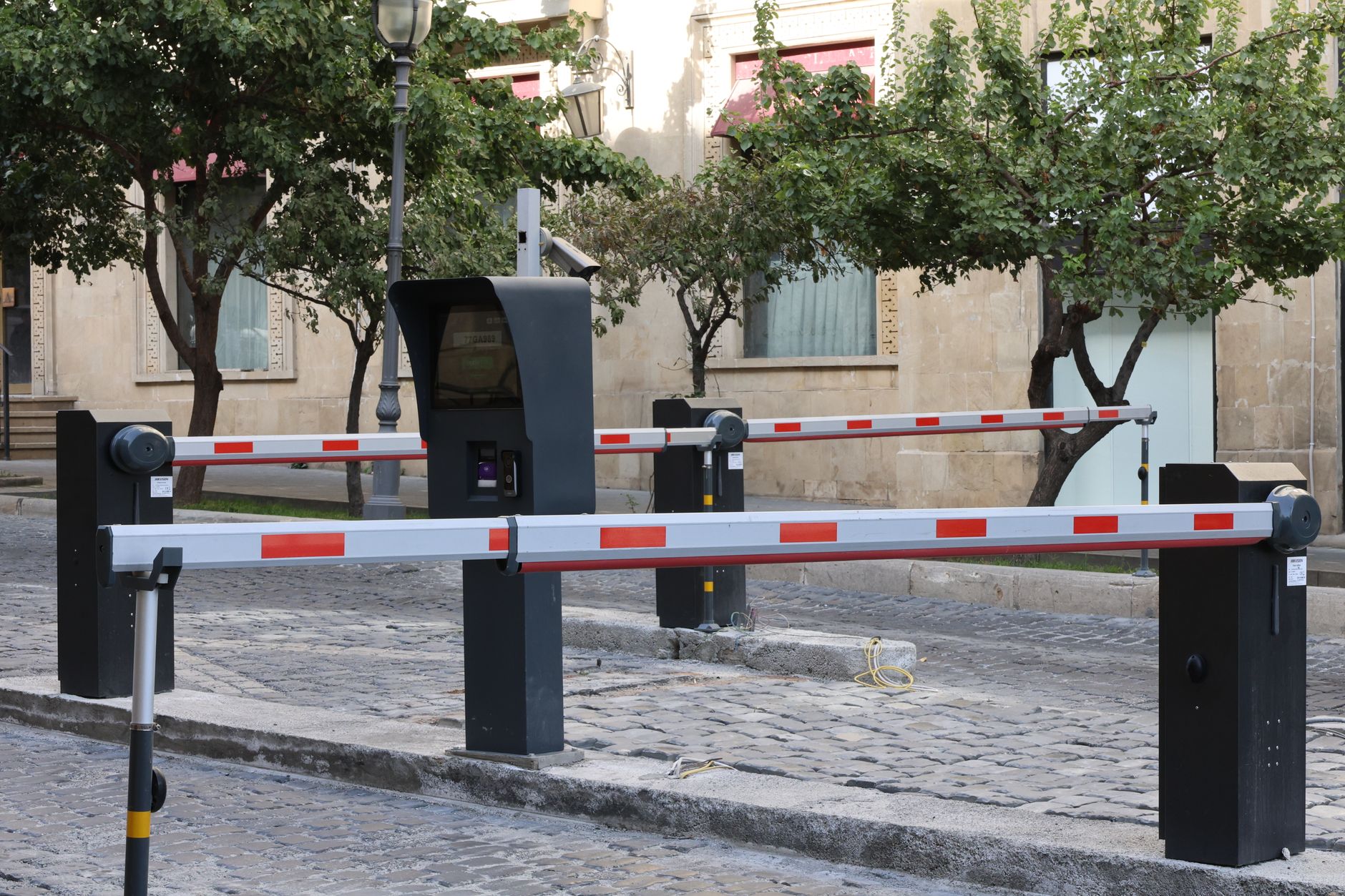
- Step 1 — License plate recognition upon entry: The LPR/ANPR camera reads the license plate as the vehicle approaches 3-5 meters from the barrier. The system checks the database (VIP/regular/pre-registered vehicles) and automatically opens the barrier within 2-3 seconds.
- Step 2 — Lane assignment and parking guidance: Based on vehicle type (car/motorbike) and available space status, the system displays guidance on LED screens or sends notifications via the app. Ultrasonic/radar sensors detect empty spots and update in real-time.
- Step 3 — Automatic fee calculation upon exit: The LPR camera at the exit lane reads the license plate again, and the system calculates the fee based on parking duration. Customers pay via channels: app, QR code, bank card, e-wallet (Momo, VNPay, ZaloPay) or cash at the self-service kiosk.
- Step 4 — Payment verification and barrier opening: After successful payment, the barrier opens automatically. If the customer is eligible for free parking (VIP, shopping bill over 500,000 VND), the system automatically recognizes this and opens the barrier without requiring a stop.
- Step 5 — Reporting and analysis: The management software compiles data by day/week/month: vehicle counts, revenue, peak hours, occupancy rate. Integrates with the mall's CRM system to measure the effectiveness of loyalty programs.
Specific benefits of implementing smart parking for malls
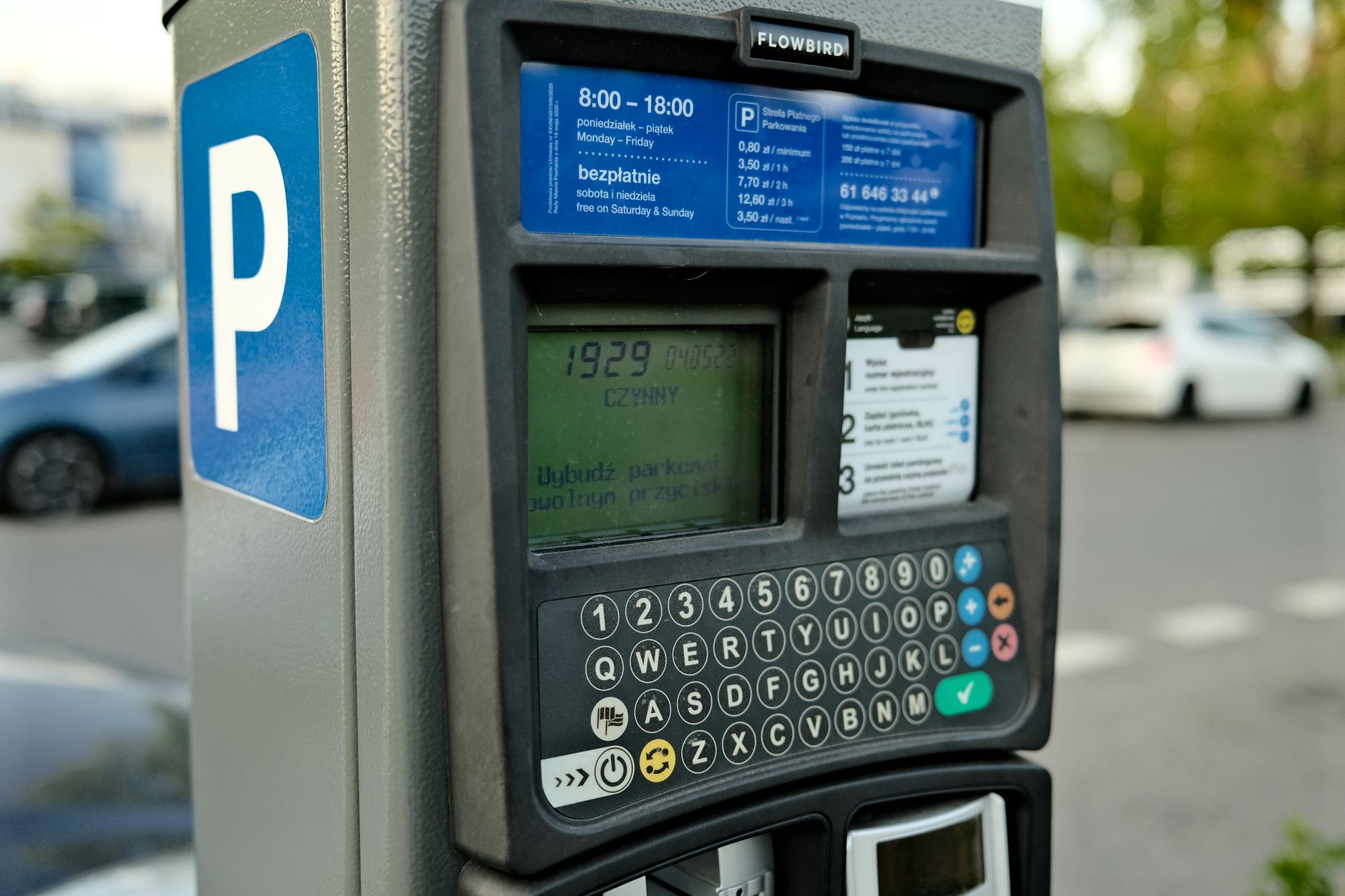
🚗 Increased traffic capacity
Each lane handles 600-800 vehicles/hour instead of 200-300 with manual systems, reducing congestion by up to 70%.
💰 Optimized revenue
Reduces leakage to below 2%, increasing parking revenue by 20-30% within the first 3 months of operation.
👥 Reduced workforce
Reduces direct toll collectors by 60-80%, requiring only 1-2 remote monitoring technicians for the entire parking lot.
📊 Data-driven decisions
Real-time reports on traffic, revenue, and customer behavior help adjust operational and marketing strategies promptly.
🎯 Customer experience
Customers enter and exit in 5-10 seconds, pay without stopping, and benefit from integrated reward points and automatic promotions.
🔒 Security and control
Stores license plate data, images, and entry-exit times for each vehicle, supporting traceability in case of incidents.
Start with a free 60-minute site survey
Our senior technical team will visit your site, assess the current setup, and propose a bundle matched to your business model and budget.