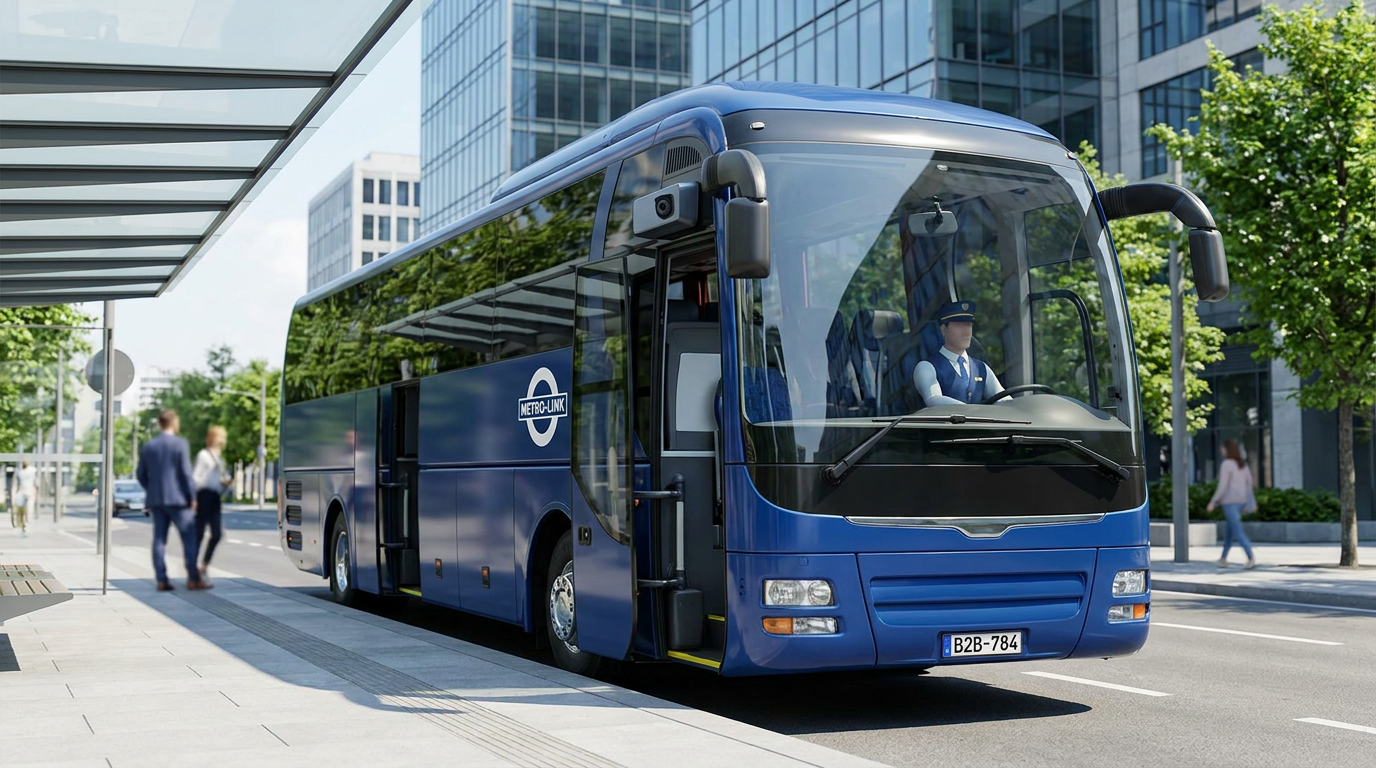
AI bus passenger counting cameras are a solution that integrates stereo vision or 3D Time-of-Flight (ToF) sensors into onboard surveillance systems, automatically counting the number of passengers boarding and alighting in real-time. In Vietnam, this technology is being widely deployed by public passenger transport companies and school bus operators to optimize routes, prevent ticket revenue leakage, and improve operational efficiency.
2026 AI bus passenger counting camera price quote: Common cost packages

The investment cost for AI bus passenger counting cameras in 2026 ranges from 15-55 million VND/vehicle, depending on the technology (2D stereo vision or 3D ToF), the number of cameras per vehicle (1-2 cameras), and the integrated fleet management software package (MDVR/GPS). Below is a reference price table for popular packages in the Vietnamese market.
| Solution Package | Technology | Cost (VND/vehicle) | Integrated Software | Estimated Payback Period |
|---|---|---|---|---|
| Basic | Stereo Vision 2D (1 camera) | 15-22 million | MDVR + basic reports | 8-12 months |
| Standard | 3D ToF (1 camera) | 25-35 million | MDVR + GPS + Dashboard | 6-9 months |
| Advanced | 3D ToF (2 cameras, front + rear doors) | 40-55 million | MDVR + GPS + API + Route Optimization | 4-6 months |
Note: The price table does not include annual maintenance fees (3-5 million VND/vehicle/year) and component replacement costs. Prices may vary depending on fleet size and supplier. Contact 0935 295 337 for a detailed quote for your fleet.
How do AI bus passenger counting cameras work?
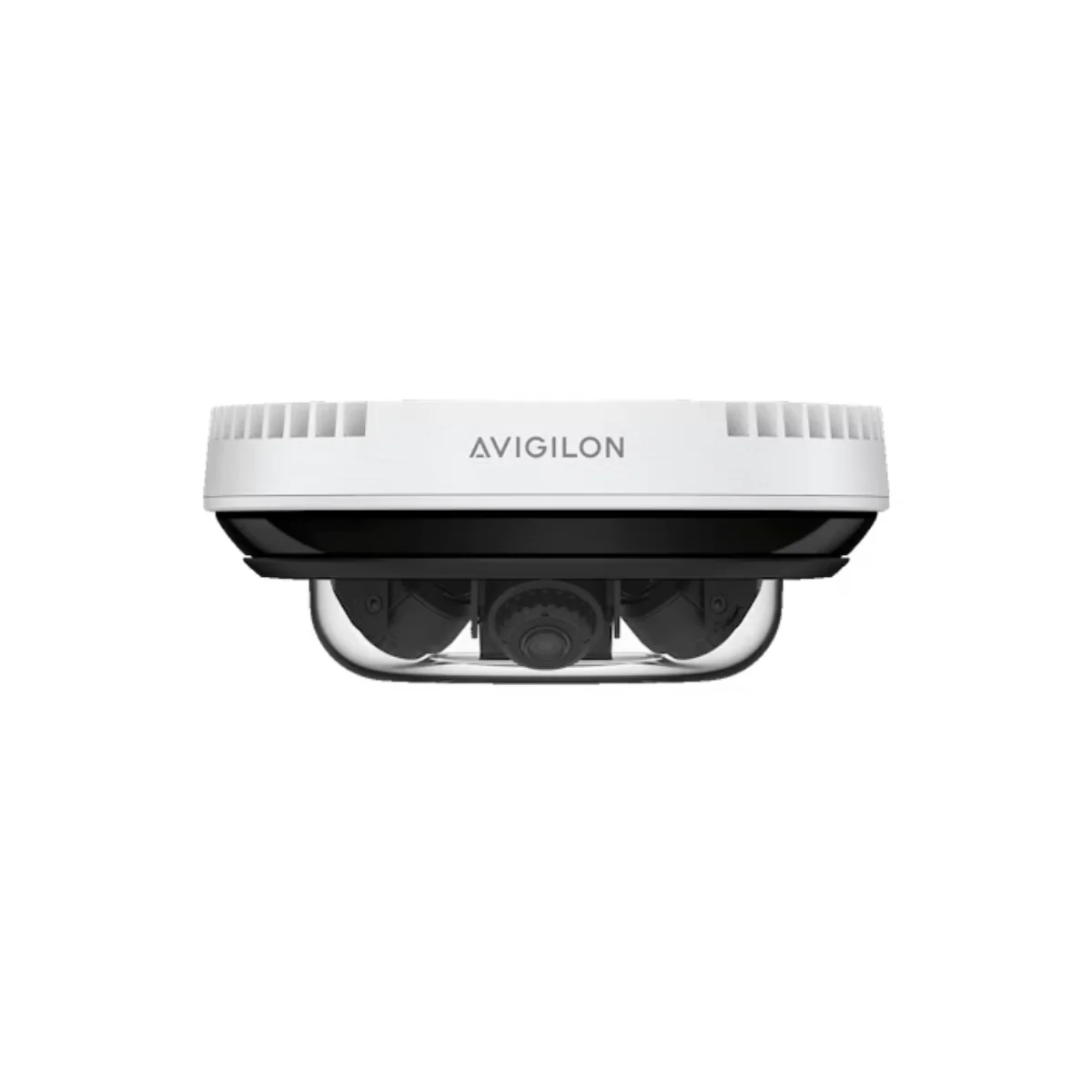
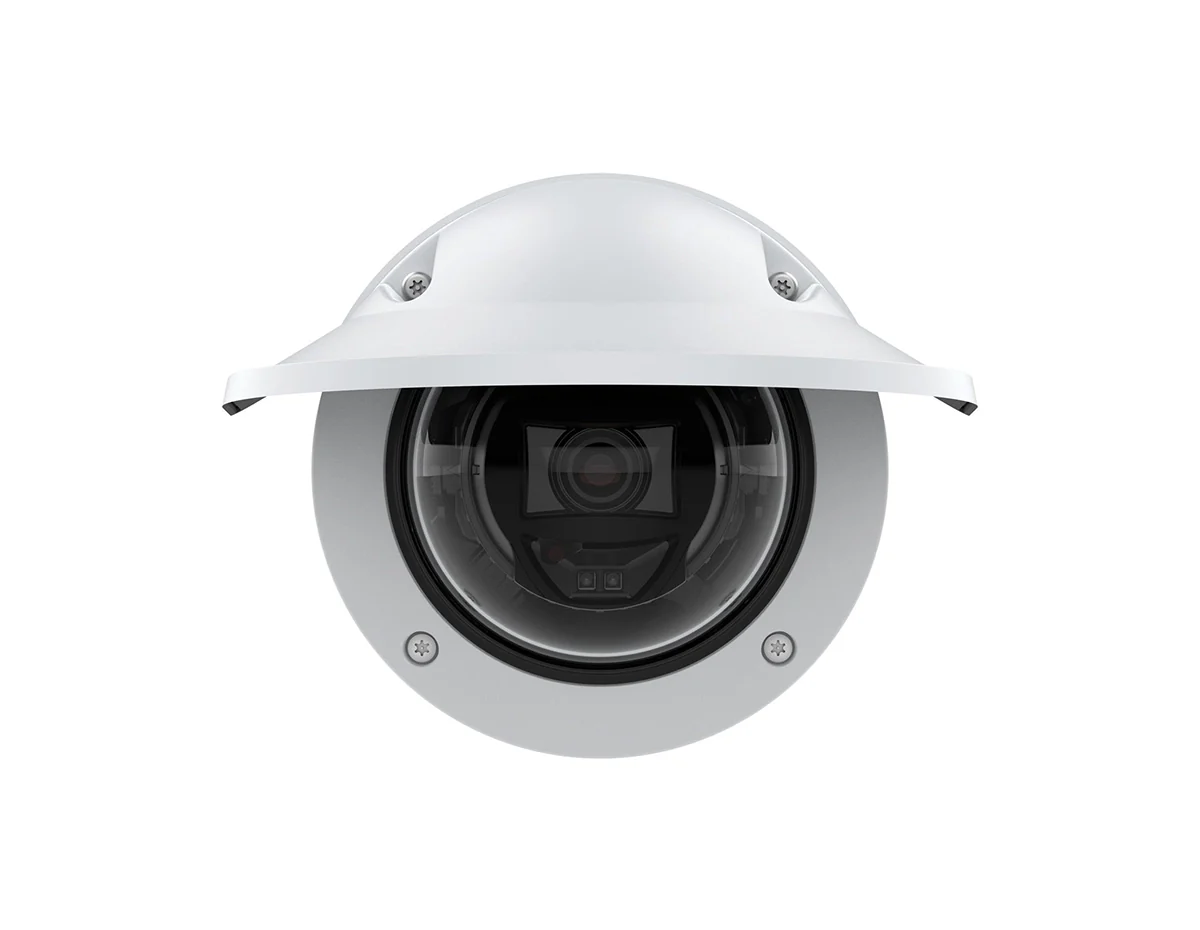
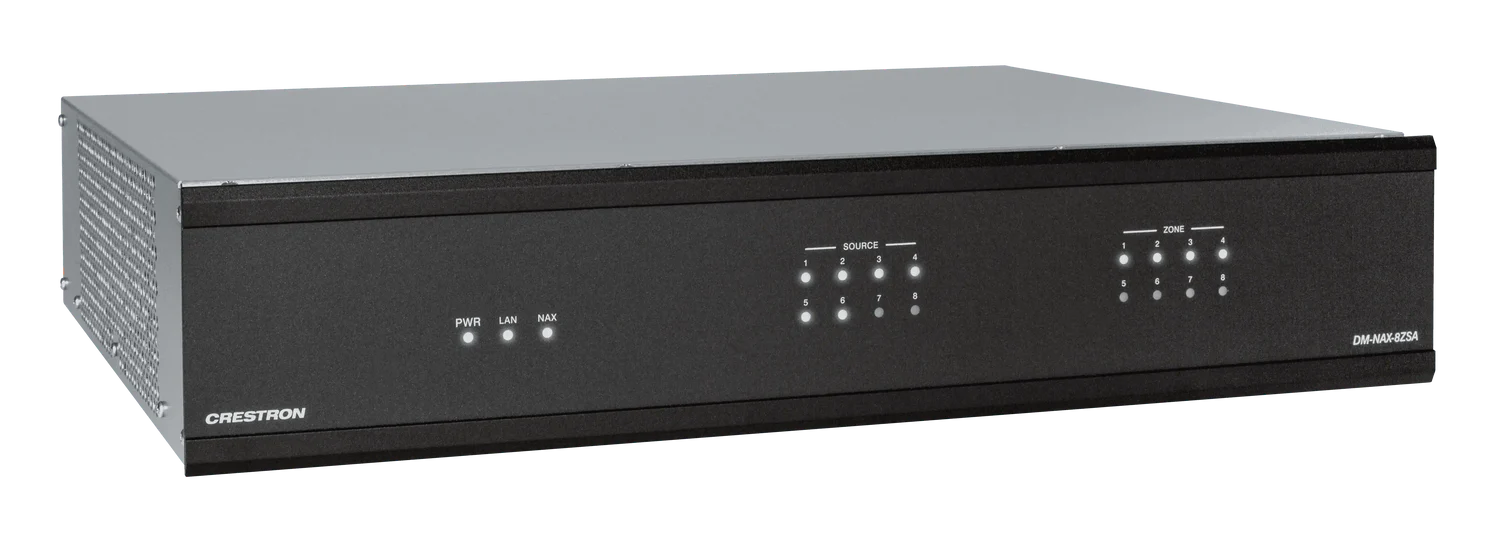
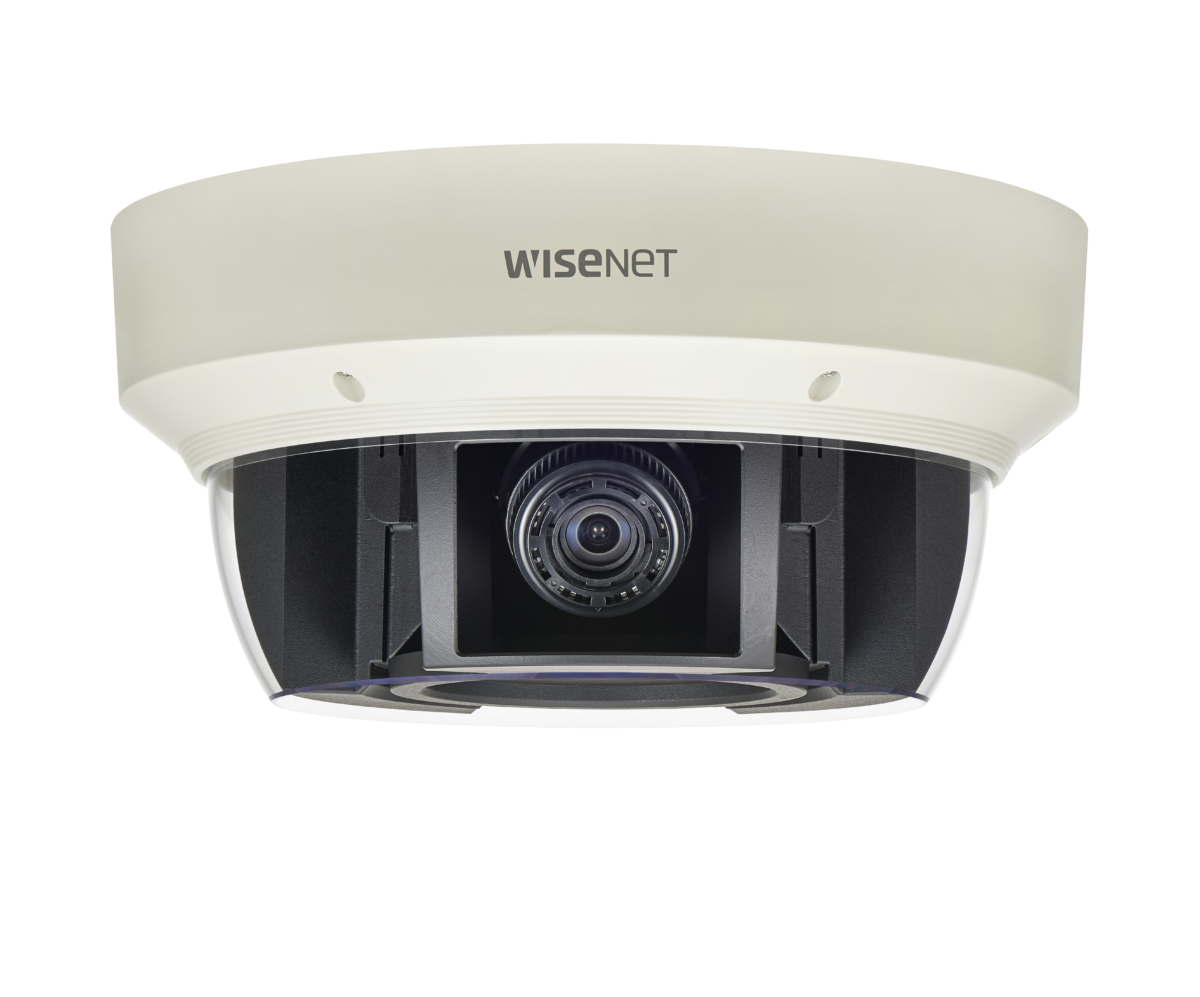
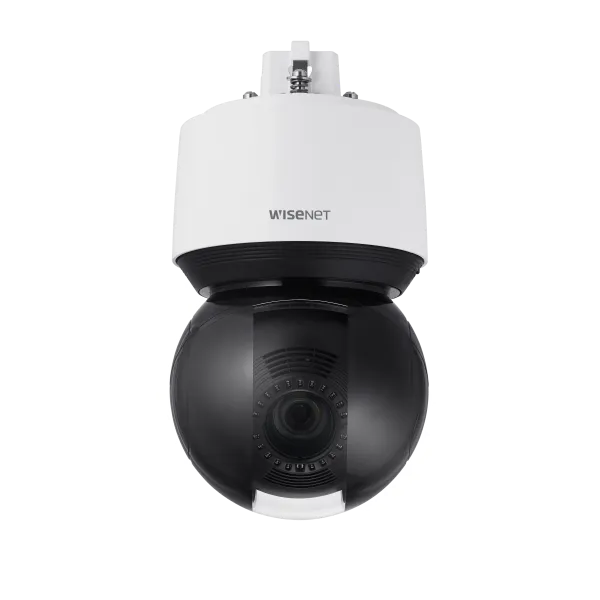

AI cameras use computer vision algorithms combined with depth sensors (stereo or ToF) to detect and accurately count each passenger as they step through the door area. Data is sent to the MDVR (Mobile Digital Video Recorder), synchronized with GPS coordinates to identify boarding/alighting points, thereby analyzing passenger volume by route and peak hours.
The operating process consists of 5 steps:
- Detection: The AI camera registers movement in the entry/exit door area.
- Classification: The algorithm distinguishes people from other objects (luggage, bicycles).
- Counting: Increments/decrements the counter when a passenger crosses a virtual boundary line.
- GPS Synchronization: Timestamps and coordinates each count.
- Reporting: Data is aggregated by shift, day, route — displayed on the management dashboard.
The accuracy of current solutions reaches 95-98% under real-world lighting conditions, according to tests from manufacturers like Comprehensive people counting camera solution for heatmap dwell time in shopping malls.
What are the cost components for installing AI bus passenger counting cameras?

The total installation cost includes not only the equipment price but also labor, signal cables, mounting brackets, integration with existing MDVR/GPS (if any), and operational training. On average, installation costs account for 15-25% of the total initial investment.
- Hardware: AI camera (stereo/ToF) + MDVR + GPS module: 70-80% of total cost.
- Installation & Cables: 10-15