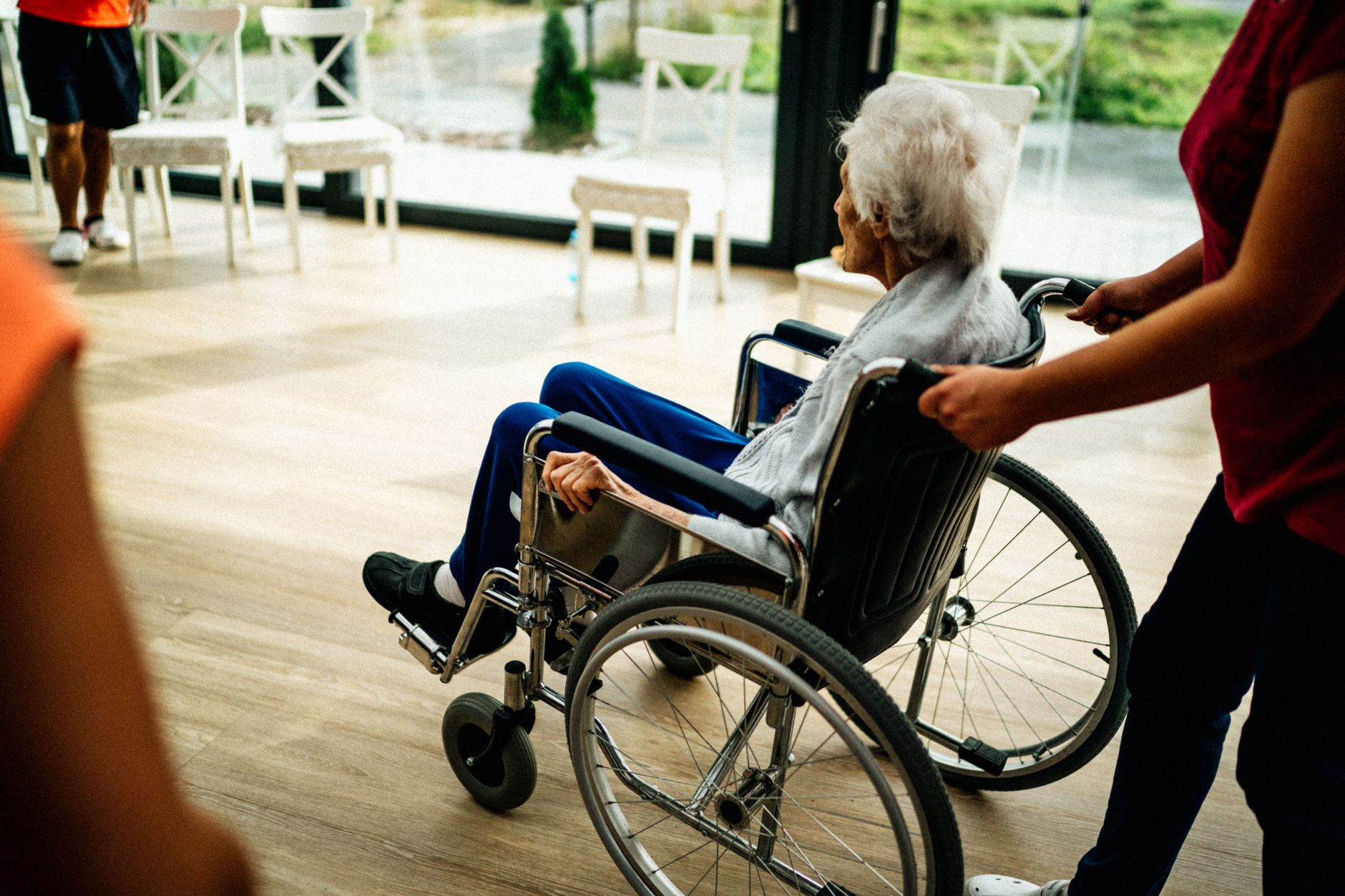
AI fall detection cameras are a non-intrusive surveillance solution that uses skeleton tracking and pose estimation to identify abnormal postures without recording faces. In Vietnam, this technology is being widely deployed in nursing homes to protect the elderly while ensuring maximum privacy.
What is an AI fall detection camera?
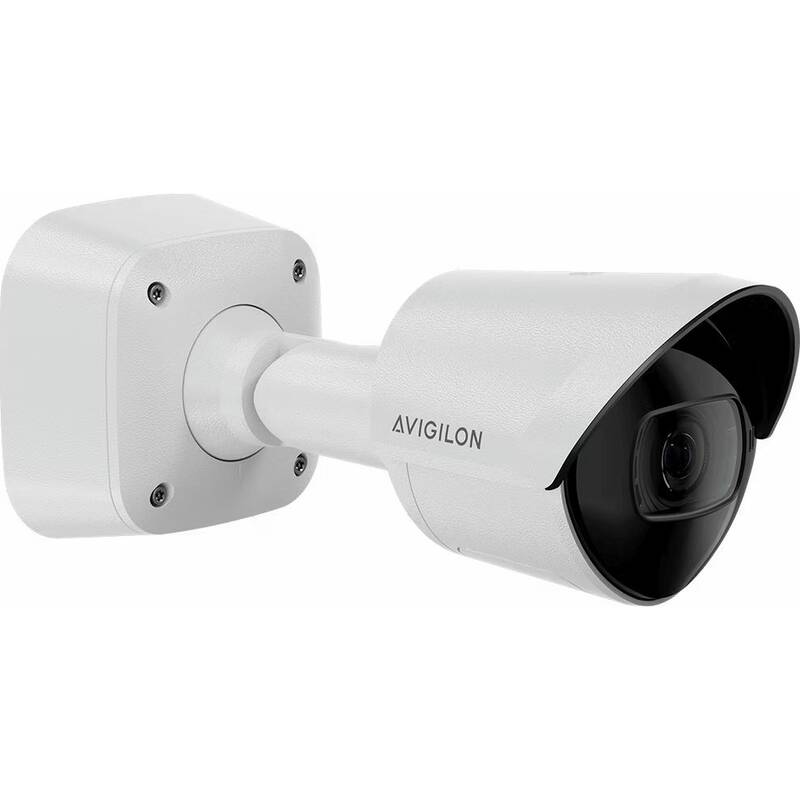
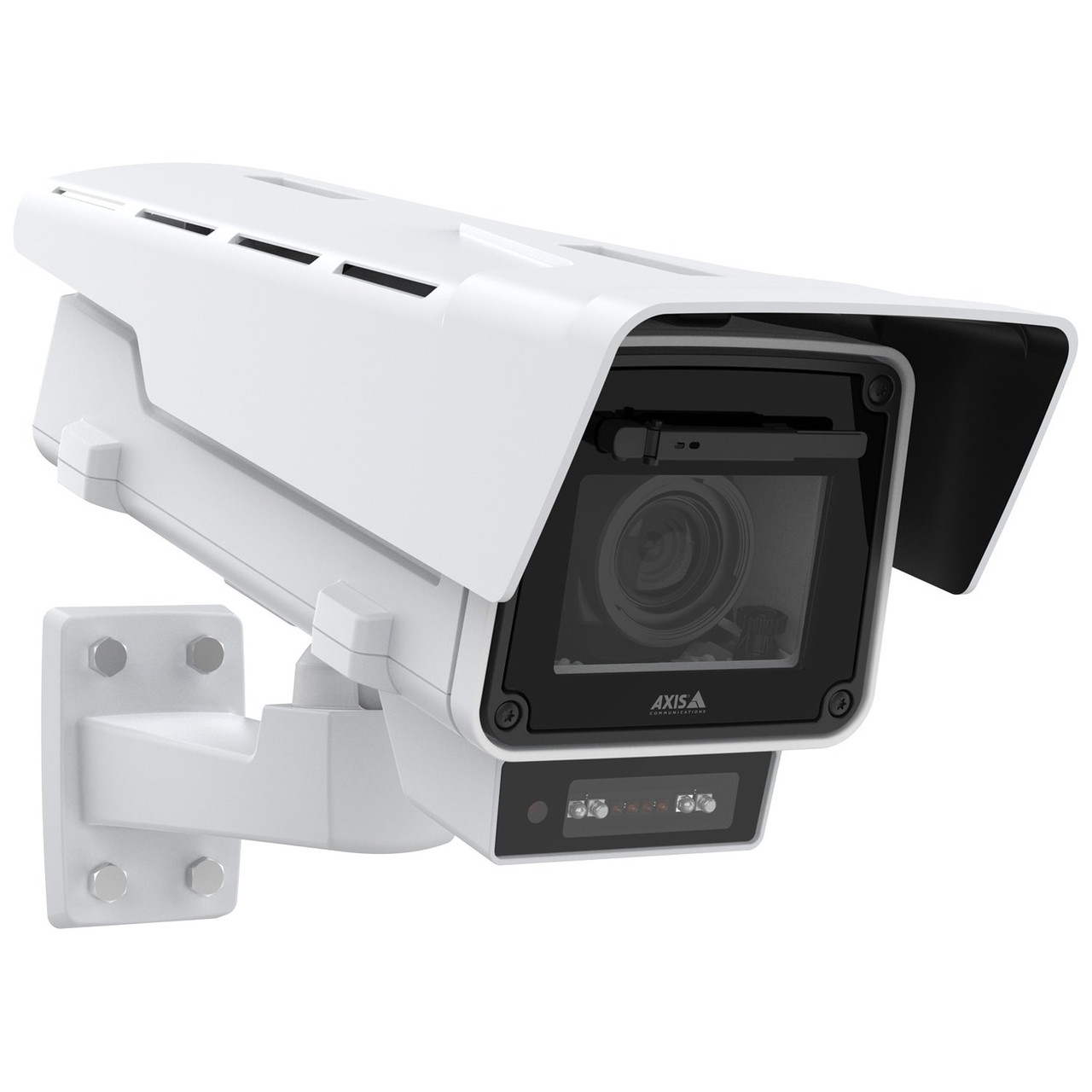
An AI fall detection camera is a camera system integrated with computer vision algorithms, skeleton tracking, and pose estimation to detect fall behavior in real-time. Unlike regular cameras that only record footage, AI cameras process data in vector form and do not store facial images.
AI fall detection cameras operate based on two core technologies: skeleton tracking and pose estimation. Skeleton tracking converts human images into 17-25 joint points on the body, creating a 2D or 3D skeleton. Pose estimation analyzes the relative positions of these points to determine posture — standing, sitting, lying down, or falling. When the height/body ratio changes suddenly and the descent speed exceeds a threshold, the system triggers an alert.
Why do nursing homes need AI fall detection cameras?
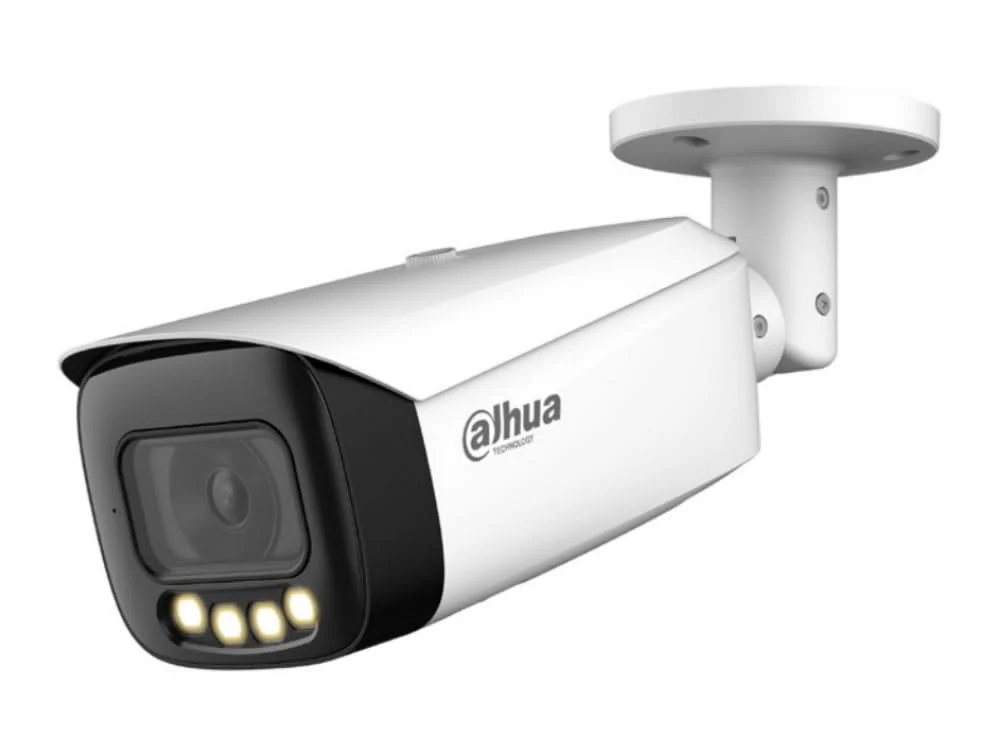
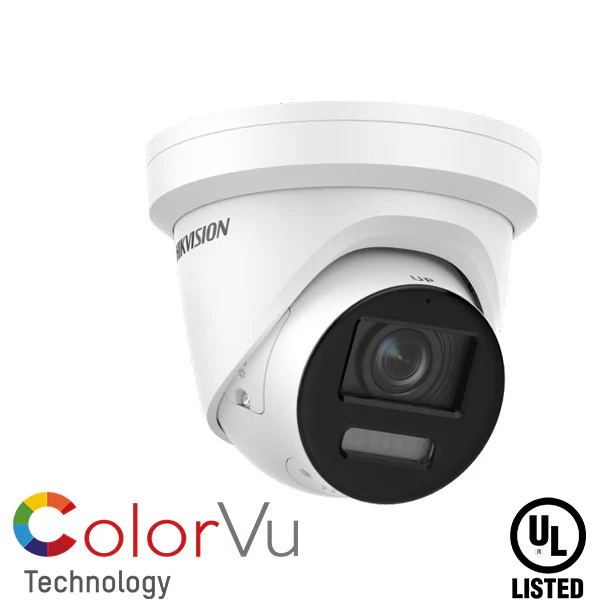
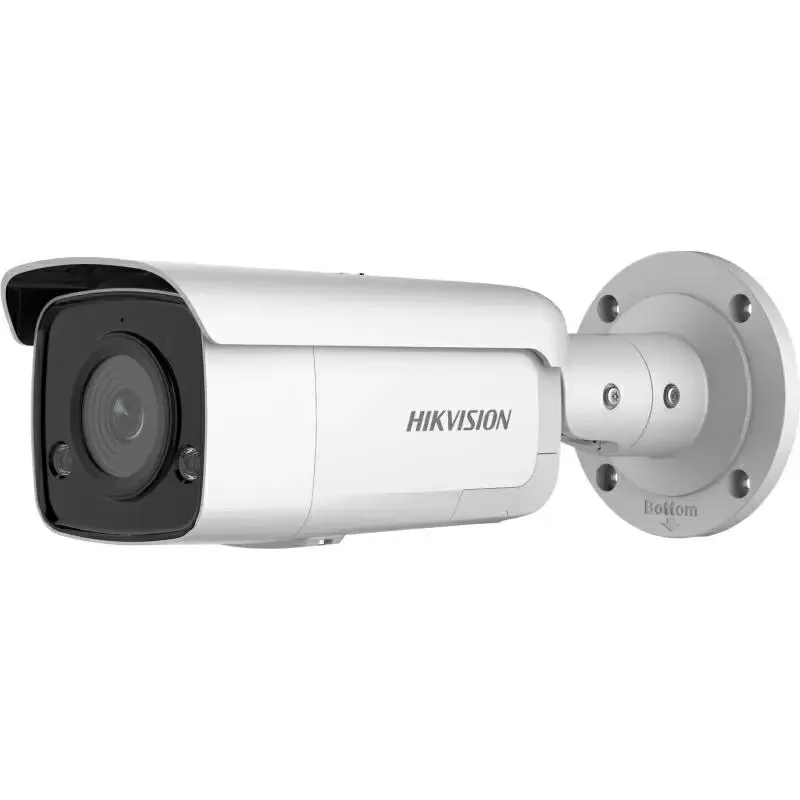

According to statistics from the Vietnamese Ministry of Health, falls are the second leading cause of death in people over 65, with over 60% of cases occurring in nursing homes. AI fall detection cameras help reduce response time from 15-25 minutes down to 10-30 seconds.
In nursing homes, the elderly often face the risk of falling while moving, bathing, or using the restroom. Traditional cameras only record the event and cannot provide immediate alerts. AI fall detection cameras automatically send notifications to caregivers' phones, enabling timely intervention, reducing the risk of severe injury and treatment costs.
Non-intrusive privacy protection mechanism

AI fall detection cameras protect privacy through on-device processing, converting images into skeleton data directly on the camera, without recording faces and without storing original video on the cloud.
- Edge computing: The integrated AI chip in the camera processes 30-60 frames per second, extracts 17-25 joint points, and discards raw image data.
- Pose estimation: The algorithm analyzes joint angles, movement speed, and height/body ratio to determine a fall.
- Alert sent as metadata: Only skeleton coordinates and an alert code are sent to the server or phone — no actual images.
- Face masking: The camera automatically blurs the face area before processing, ensuring no identity recognition.
Specific benefits of deployment in nursing homes
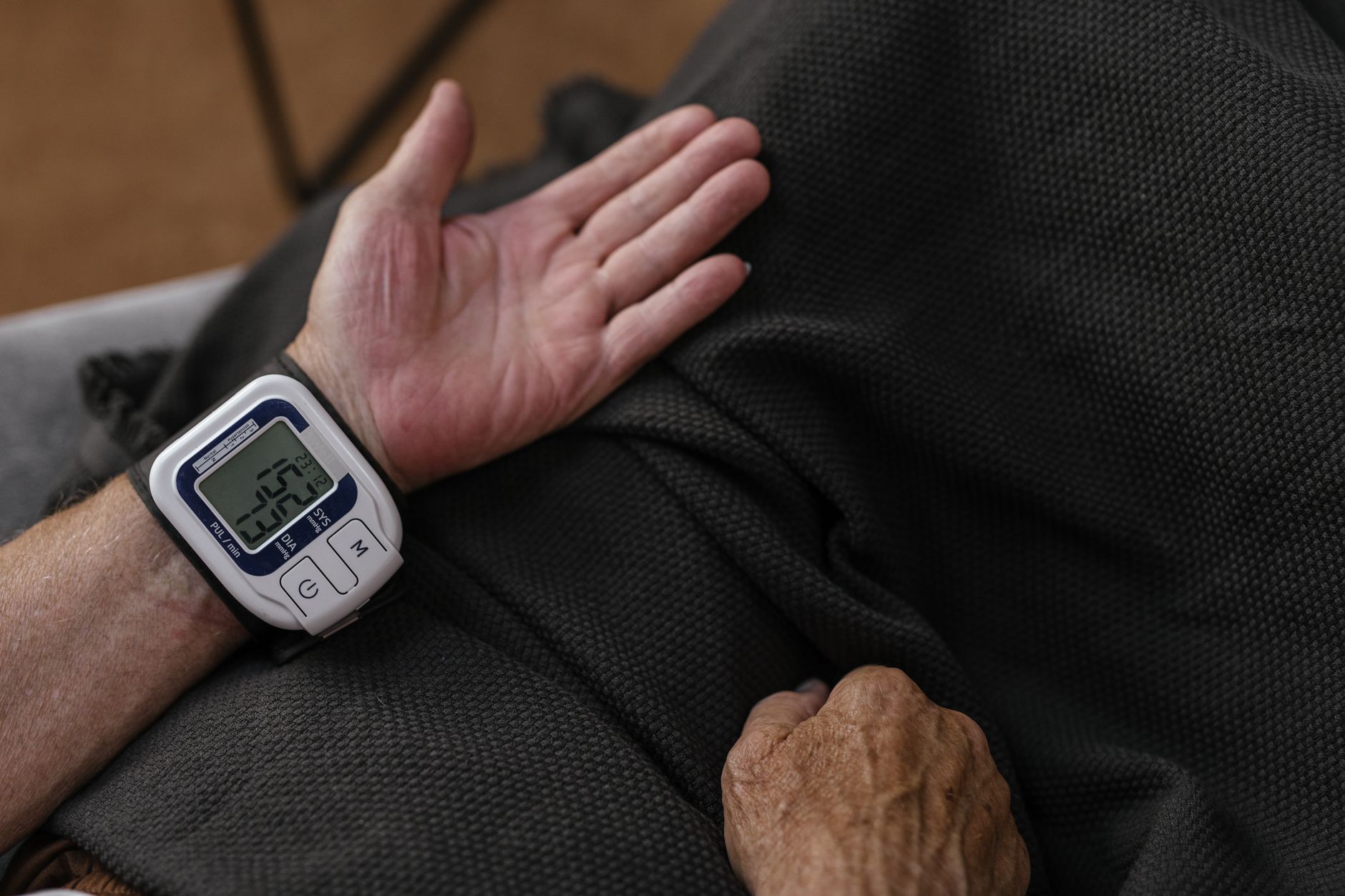
Deploying AI fall detection cameras brings 5 main benefits: reducing emergency response time by 40-60%, ensuring absolute privacy, reducing insurance costs by 30-50%, increasing family peace of mind, and optimizing night shift staffing.
- 24/7 Safety: Automatic alerts when a fall is detected, even in bathrooms or toilets.
- GDPR/NDPA Compliance: Complies with Vietnamese personal data protection regulations, no need for permission to record faces.
- Cost Savings: Reduces 1-2 night shifts thanks to the automated system, saving 5-8 million VND per shift per month.
- Periodic Reports: Statistics on fall frequency and time spent on the floor, helping improve care procedures.
Summary table: AI fall detection camera vs. regular camera
| Criteria | AI Fall Detection Camera | Regular Camera |
|---|---|---|
| Fall Detection | Automatic, real-time Ready to deploy in 7–14 days Start with a free 60-minute site surveyOur senior technical team will visit your site, assess the current setup, and propose a bundle matched to your business model and budget. |