AI people counting cameras are a solution that integrates computer vision into surveillance camera systems, automatically counting the number of diners entering and leaving the cafeteria area in real time. In Vietnam, this technology is being deployed in office cafeteria chains, industrial parks, and schools to optimize service processes and reduce peak-hour congestion. The case study below details the journey of the Tân Phát cafeteria chain, from a painful problem to measurable results.
Industry: Office F&B Services / Corporate Cafeteria
Scale: 5 cafeterias in Grade A-B office buildings in Ho Chi Minh City, serving 800-1,200 meals/day/cafeteria
Location: District 1, Binh Thanh, Tan Binh, Ho Chi Minh City
Implementation Time: Q4/2024 - Q1/2025
Customer problems with office cafeterias
The Tân Phát cafeteria chain faced 4 chronic problems: long queues during peak hours, service staff unable to keep up, high food surplus, and no data for optimization. These pains led to a poor experience for office employees and increased operational costs.
- Long queues lasting 25-35 minutes during peak hours (11:30 AM - 12:30 PM): Office employees spent an average of 30 minutes just queuing for meals, leading to complaints and a meal skip rate of about 15%.
- Overloaded service staff: With 4-5 staff per shift, they had to serve 800-1,200 customers in 2 peak hours, leading to errors and reduced service quality.
- 18% food surplus: Without accurate data on actual customer numbers, the cafeteria often cooked 15-20% more than needed, causing waste of 3-5 million VND/month/cafeteria.
- No data for optimization: Management didn't know peak hours, slow hours, or best-selling items — all decisions were based on intuition.
AI people counting camera solution for cafeterias by Việt Đức Trí Group
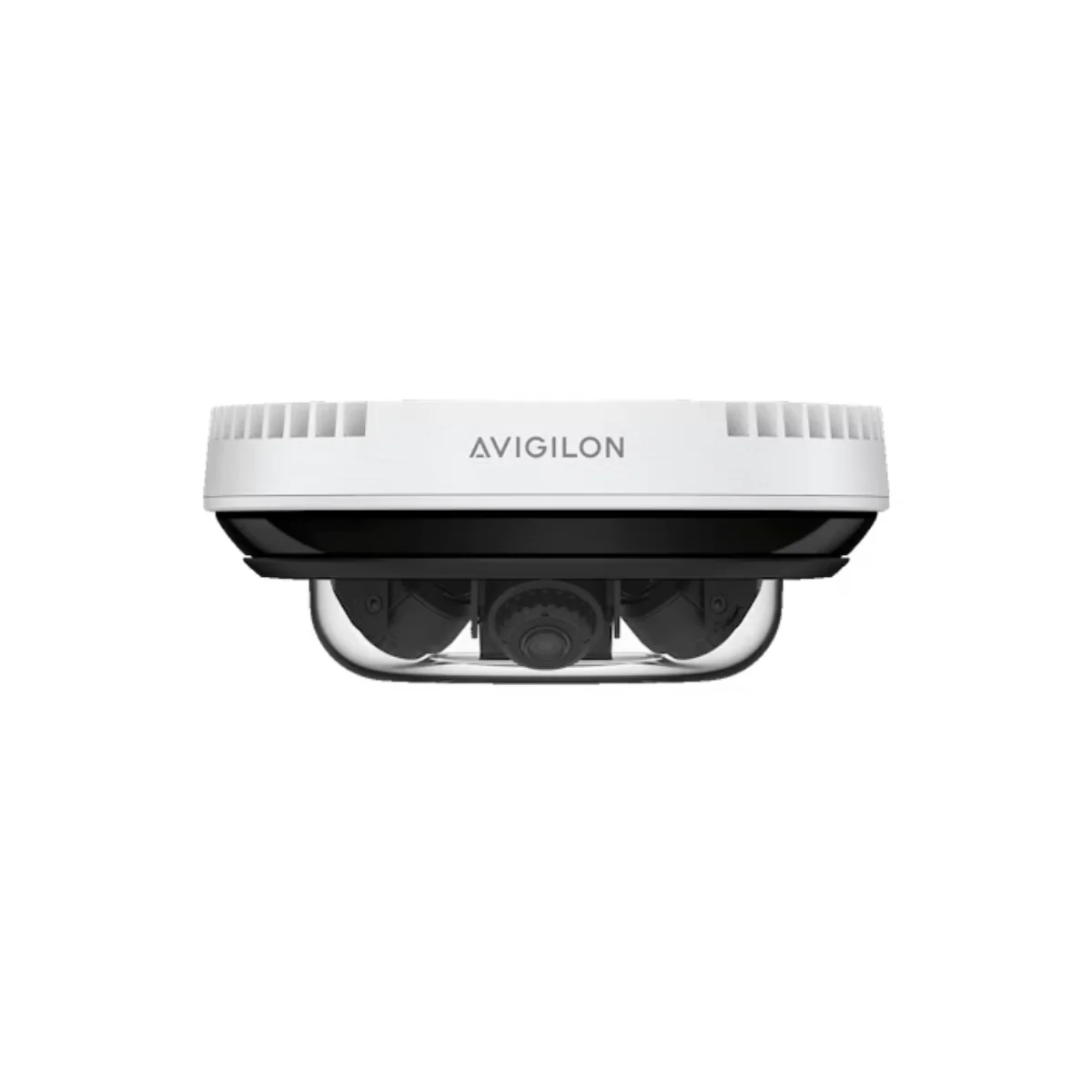
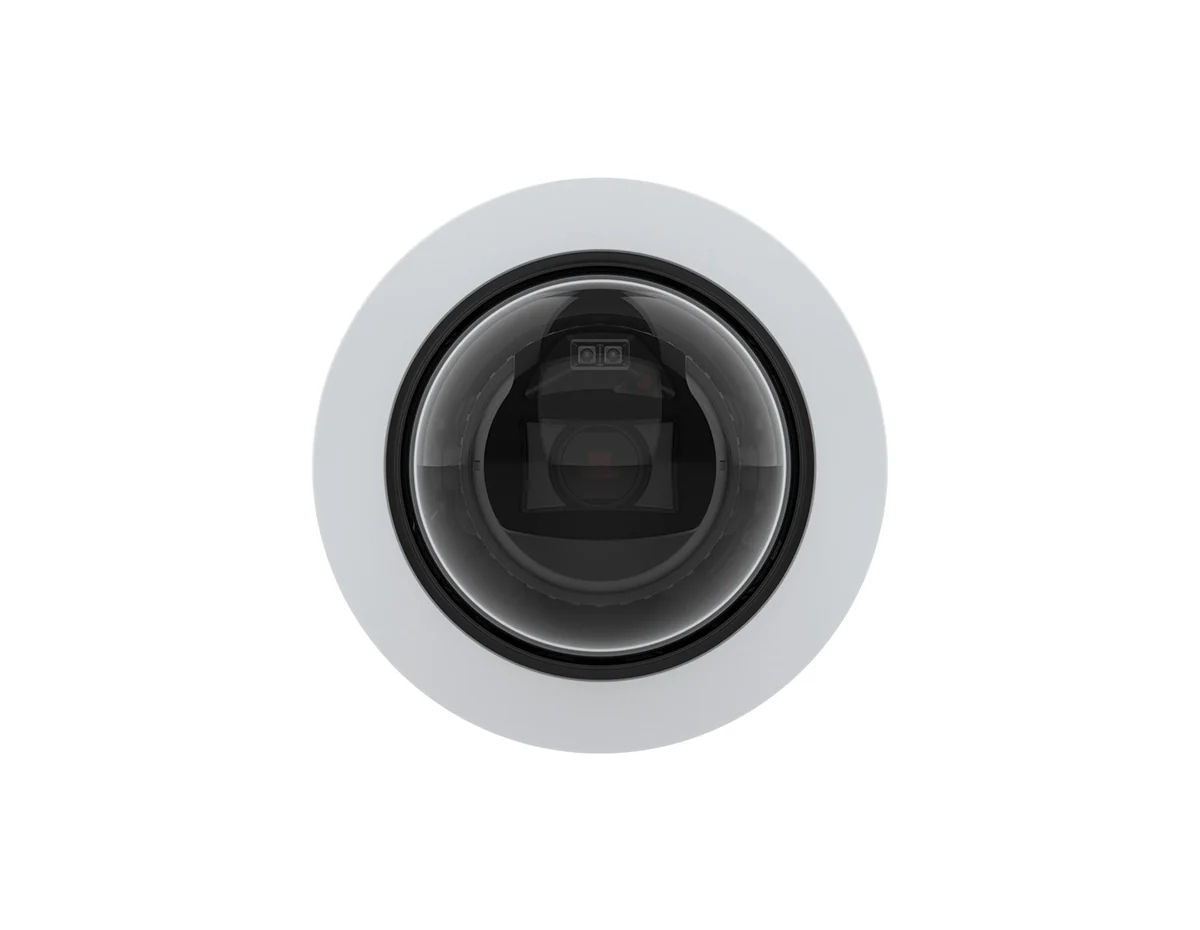

Việt Đức Trí Group deployed the Xovis PC3 AI people counting camera solution combined with queue management software and a real-time dashboard. The solution includes 3 main items installed across 5 cafeterias over 6 weeks.
- Survey and Layout Design (Weeks 1-2): Measured the cafeteria space, identified camera installation positions at 3 points: entrance/exit, food queue area, and payment area. Each cafeteria installed 3-4 Xovis PC3 cameras.
- Hardware Installation and AI Configuration (Weeks 3-4): Cameras were connected via LAN to the Dahua DHI-NVR5432-16P-4KS2E NVR. The Xovis software has built-in stereo vision people counting algorithms, providing 98% accuracy even in crowded conditions.
- Dashboard Integration and Training (Weeks 5-6): Data was synced to a management dashboard displaying real-time occupancy, average wait time, and peak hour forecasts. Provided 2 hours of training for cafeteria managers and staff.
Image: Cafeteria layout diagram showing the positions of 3 Xovis PC3 AI people counting cameras at the entrance/exit, queue area, and payment area.
Results achieved after 3 months of implementation

After 3 months of operation (January-March 2025), the Tân Phát cafeteria chain recorded significant improvements in wait time, revenue, and operational costs. Figures were measured from the dashboard against the October-December 2024 baseline.
- 40% reduction in average wait time: From 30 minutes down to 18 minutes during peak hours. Thanks to real-time occupancy forecasting, the cafeteria opened additional service counters when customer numbers exceeded 60% capacity.
- 22% increase in cafeteria revenue: Average monthly