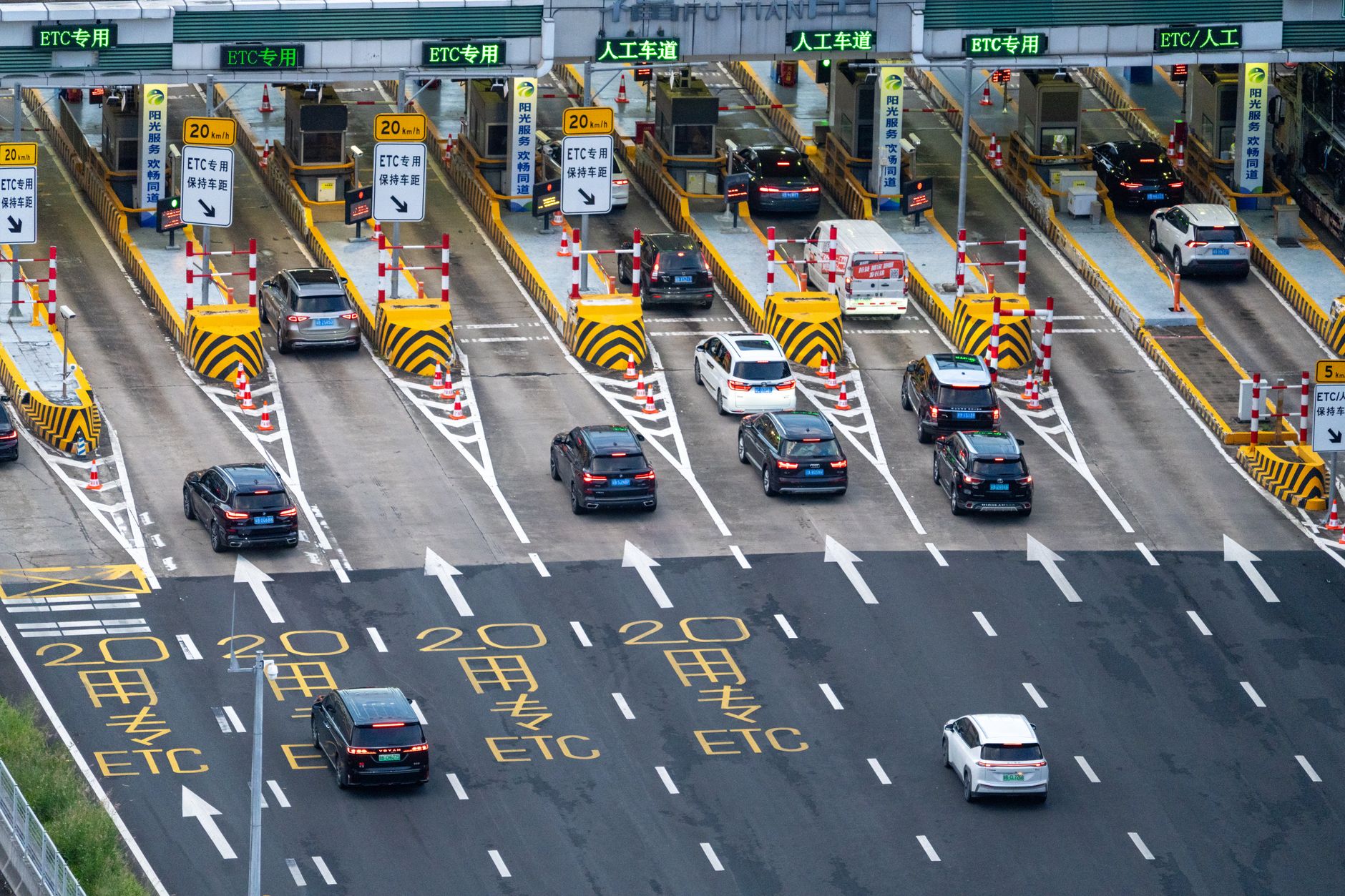
XYZ Factory (Bac Ninh Industrial Park) manufactures electronic components, with 50-70 container trucks entering and exiting daily. Previously, the manual vehicle control process caused prolonged congestion and wasted resources. This article provides a detailed analysis of the problem, the solution, and the results after deploying the LPR barrier from Việt Đức Trí Group.
Customer: XYZ Factory (name anonymized upon request)
Industry: Electronic component manufacturing
Scale: 200 employees, 3 production shifts
Location: Que Vo Industrial Park, Bac Ninh
Vehicle traffic: 50-70 container trucks/day
Customer Problems
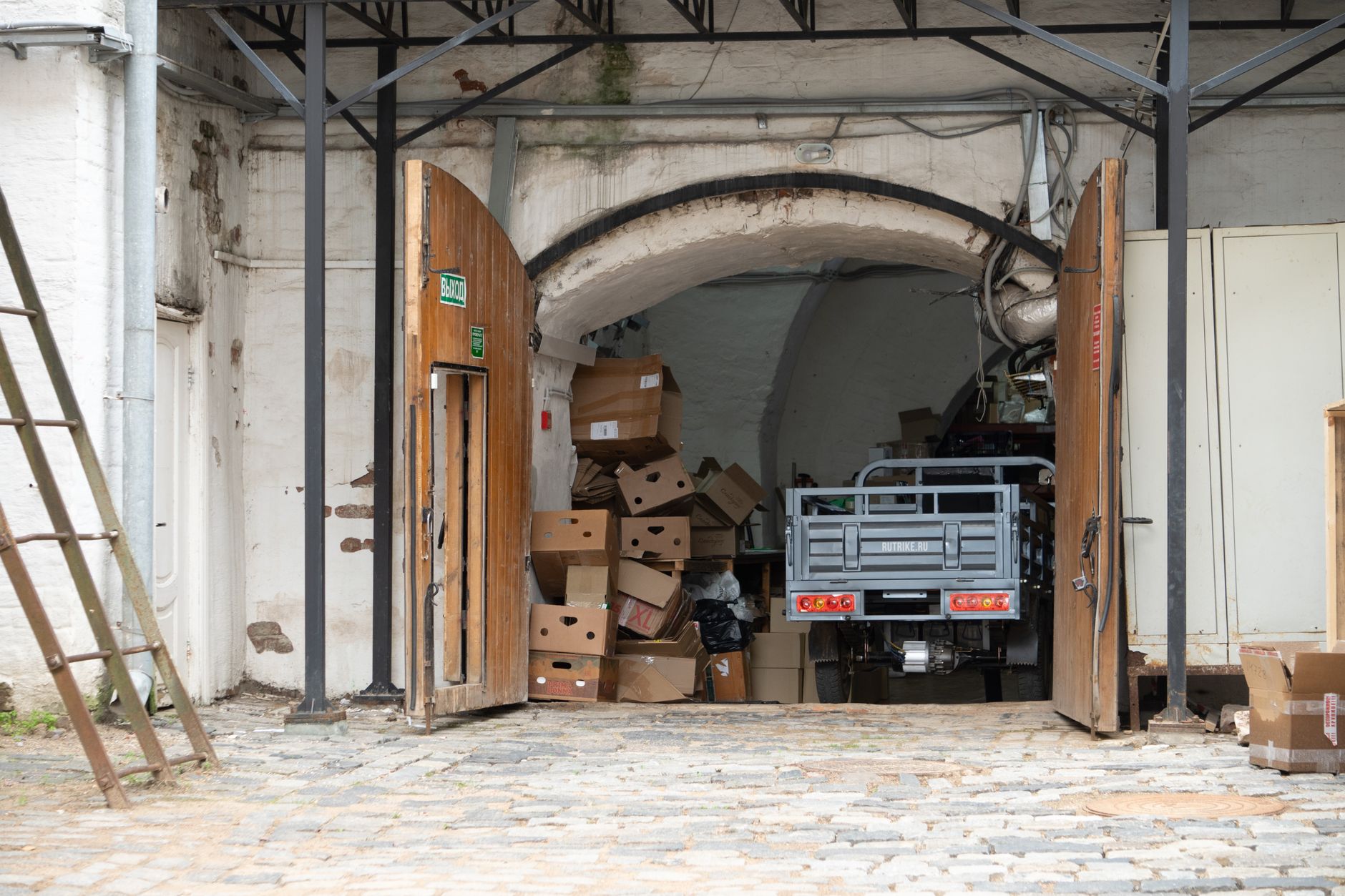
Before deploying the LPR barrier, XYZ Factory faced 4 main issues:
- Prolonged gate congestion: Each vehicle took 15-20 minutes to complete the registration, document check, and manual logbook entry process. During peak hours (7-9 AM, 4-6 PM), dozens of trucks lined up, stretching back to the national highway.
- Overloaded gate staff: Needed 3 guards/shift to handle manual processing: one recording license plates, one checking documents, one operating the barrier. Despite this, data entry errors still occurred (estimated 5-8 errors/week).
- Disputes between drivers and guards: Long wait times led to tension, with many drivers complaining, and even cases of bypassing security procedures.
- No historical data: Paper logbooks were difficult to search, making it impossible to analyze vehicle traffic by hour, day, or month to optimize delivery schedules.
Solution Deployed by Việt Đức Trí Group
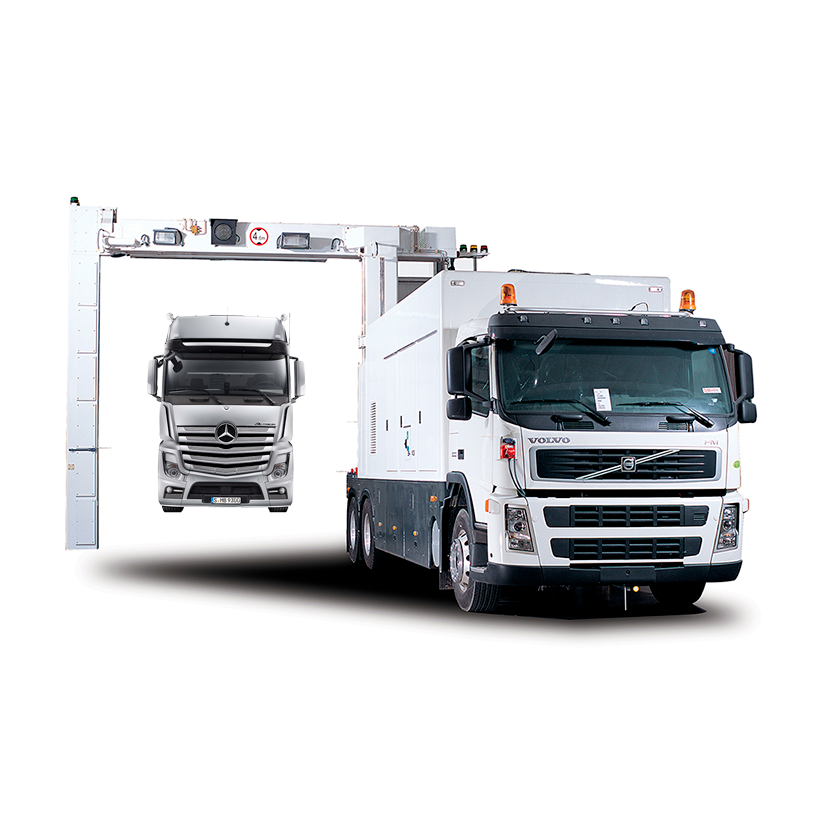
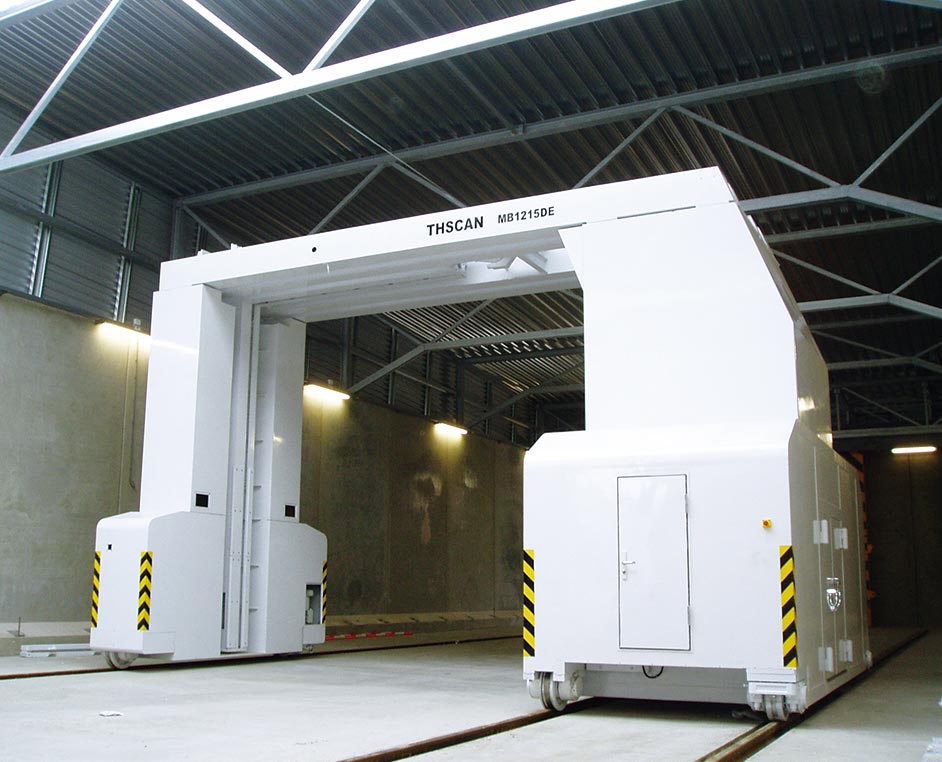
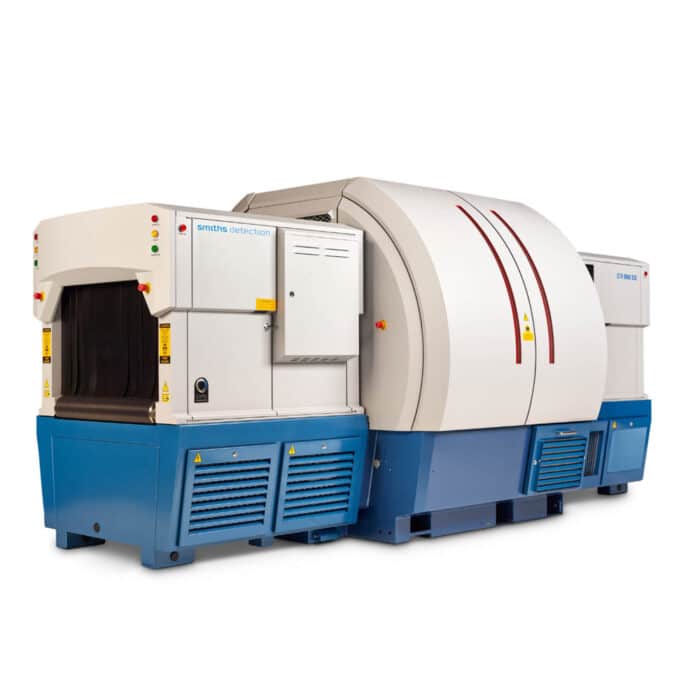
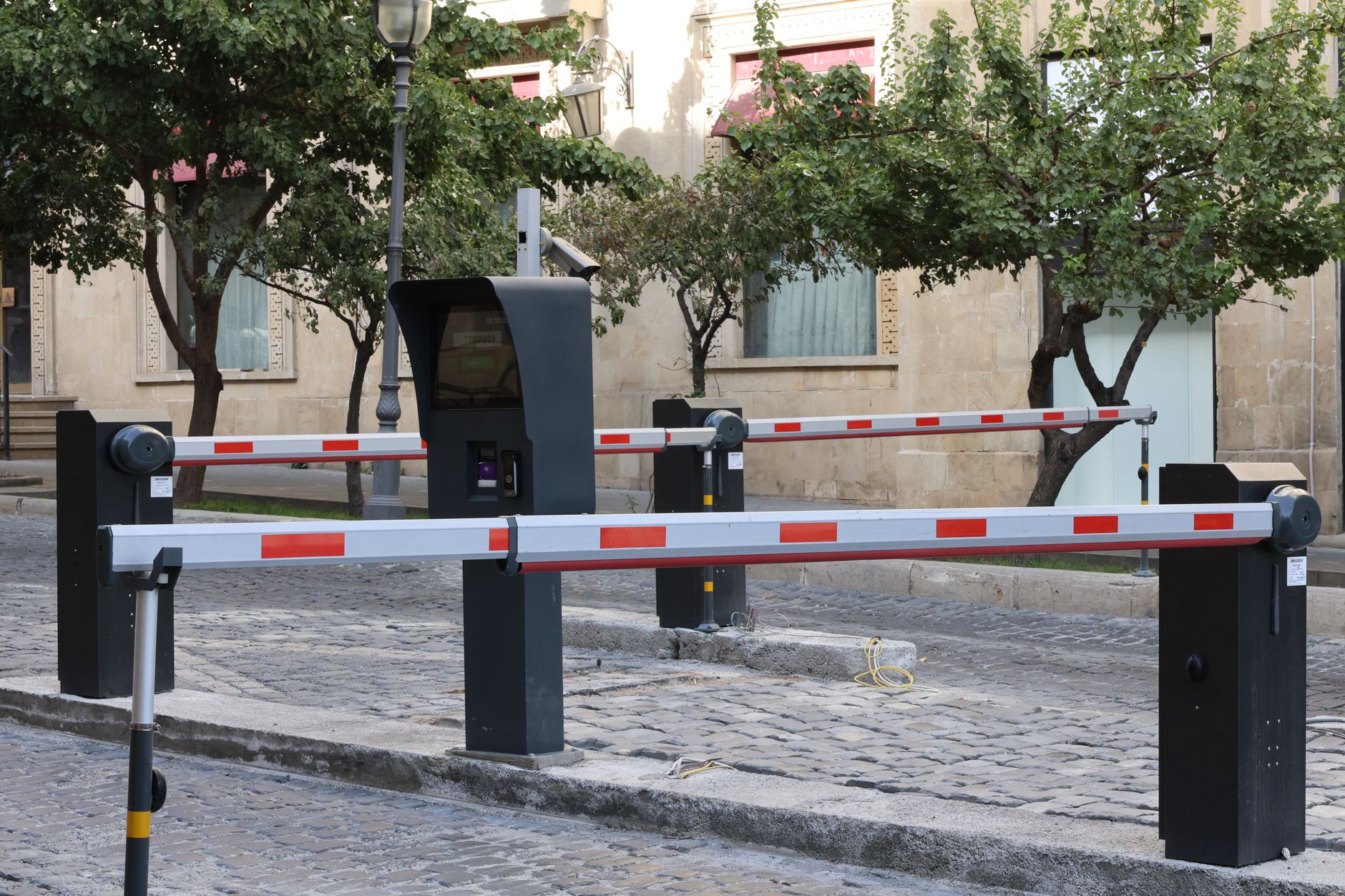
Việt Đức Trí Group proposed an LPR barrier system integrating license plate recognition cameras, yard management software, and automatic barriers. The deployment process consisted of 5 main steps, completed within 3 weeks.
- Site survey: Measured traffic flow, determined optimal locations for cameras and barriers.
- LPR barrier installation: Used the Kapaisi KPS-DZ-8003 automatic barrier combined with an LPR license plate recognition camera module. The camera was placed at a height of 4m, at a 30-degree angle to the road to read license plates accurately even when vehicles travel at 20 km/h.
- Yard management software integration: The system automatically records license plates, entry/exit times, and syncs data with the factory's ERP system. Security personnel can view real-time data on the control screen.
- Personnel training: Instructed guards and drivers on the new procedure. Training took 2 days, including handling exceptional situations (vehicles with unreadable plates, priority vehicles).
- Pilot run: Operated the old and new systems in parallel for 1 week to cross-reference data and fine-tune recognition thresholds.
Achieved Results
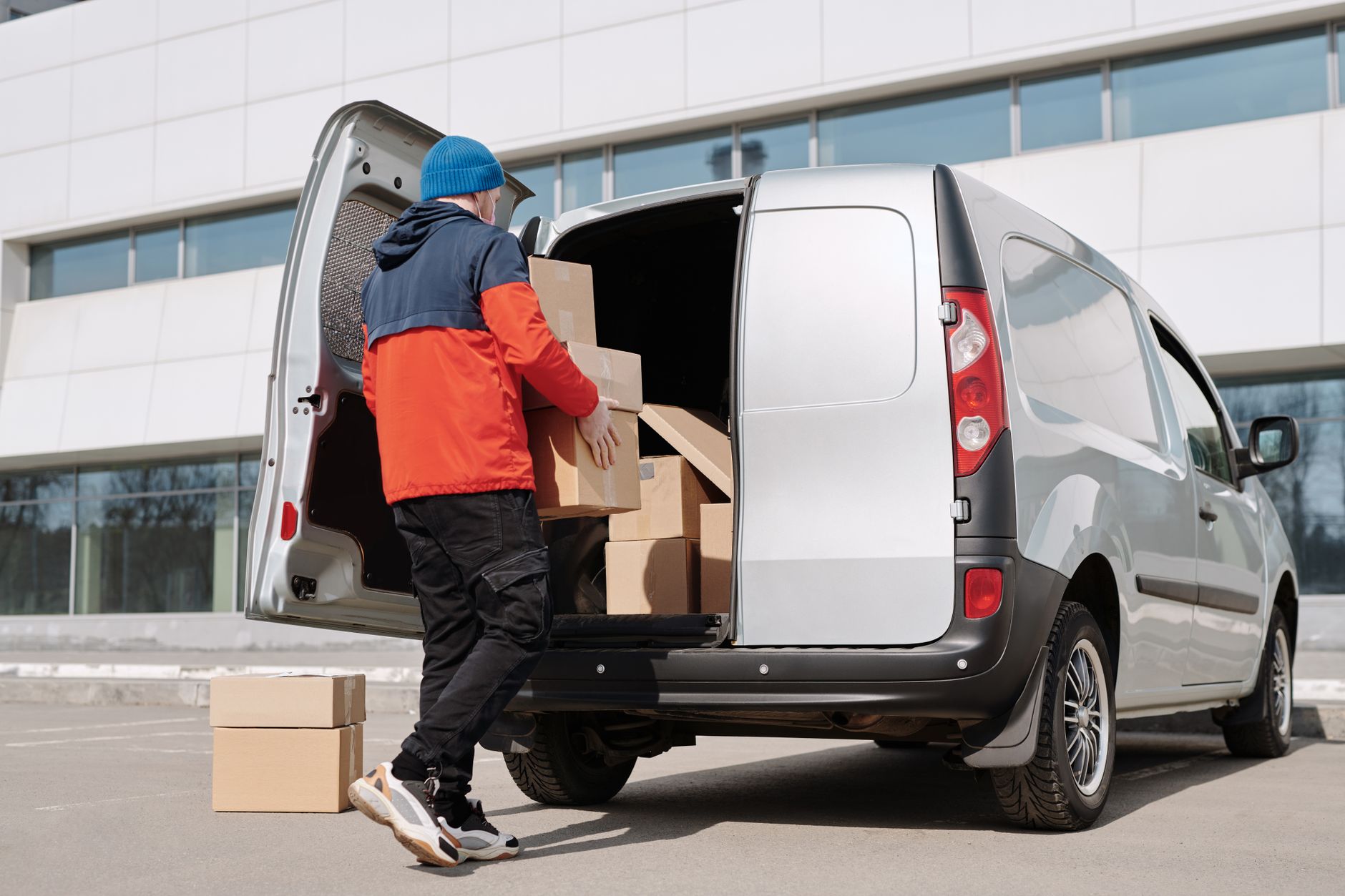
- 70% reduction in wait time: From 15-20 minutes/vehicle down to 3-5 minutes. Pre-registered vehicles take only 30 seconds for the barrier to open automatically.
- 40% reduction in gate labor costs: Only 1 guard/shift needed instead of 3, thanks to automated control processes.
- 0% data entry errors: The LPR system achieves 99.5% accuracy for Vietnamese license plates (both single-line and double-line plates).
- ROI under 12 months: Total investment cost was recovered through labor savings and optimized operational time.
“Before, drivers constantly complained about waiting 20 minutes to get through the gate. Since the LPR barrier, vehicles enter 4 times faster, and there's no more congestion. The security team also has a much easier time.”
Lessons Learned and Application for Other Businesses

Related articles
Supermarket & retail chain vehicle control: LPR barrier reduces security personnel by 70% in 2026
8 min readVehicle Control at Bank Headquarters: Barrier LPR + Financial Security Standards 2026
9 min readStart with a free 60-minute site survey
Our senior technical team will visit your site, assess the current setup, and propose a bundle matched to your business model and budget.