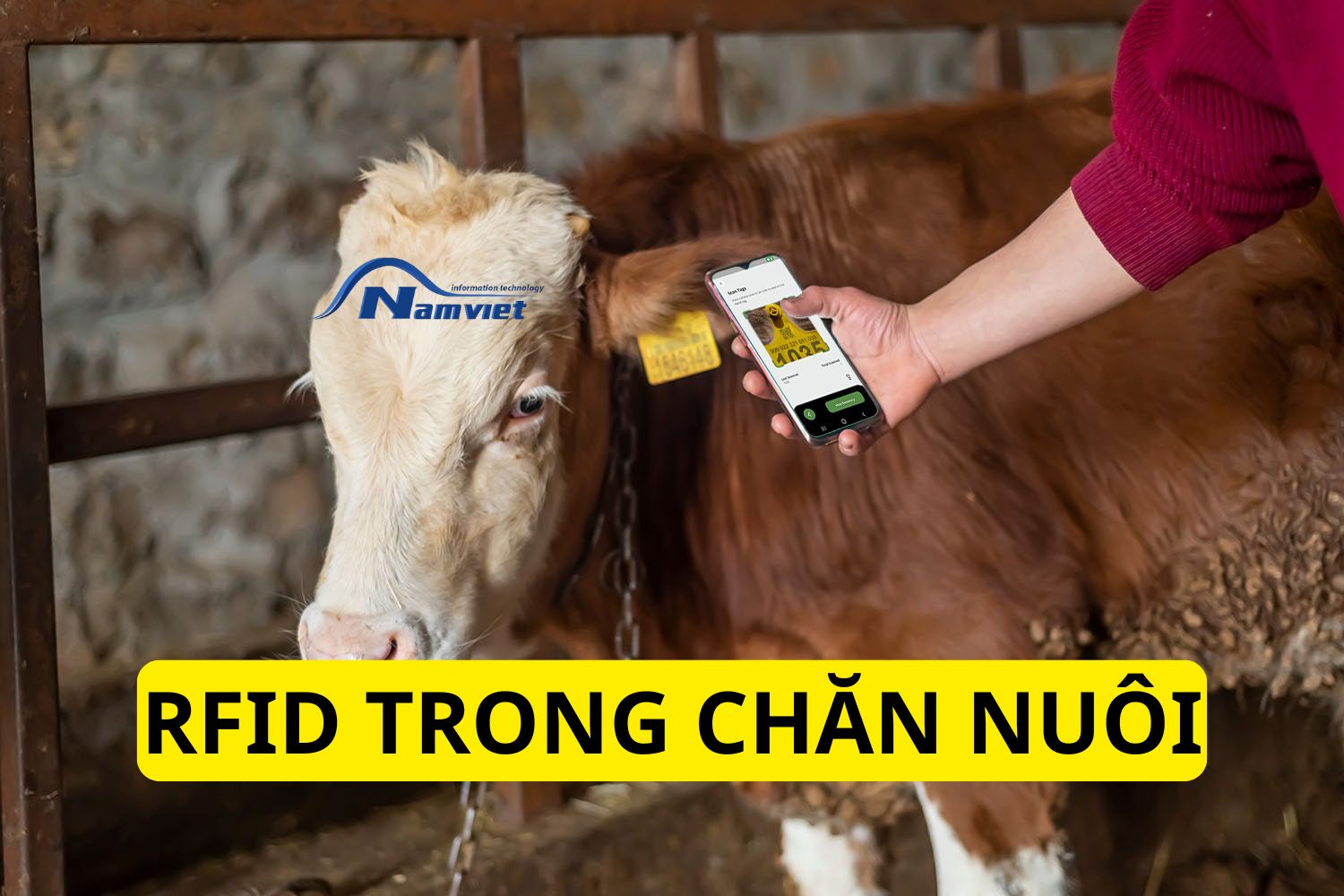
Case study AI pig farming in Vietnam is demonstrating clear effectiveness: a 5,000-head farm in Dong Nai reduced mortality by 30% after 6 months of applying an RFID system combined with AI cameras from An Ninh Số. This article provides a detailed analysis of the problem, solution, investment costs, and specific measurable results.
Problem: 5,000-head farm loses individual control
The 5,000-head pig farm in Dong Nai faced three main issues: an average mortality rate of 8% (equivalent to 400 pigs/year), difficulty in early detection of sick pigs, and feed costs exceeding 15-20% due to the inability to control individual feed intake. A workforce of 15-20 people could not monitor each pig in such a large herd.
Before applying technology, the farm recorded an average mortality rate of 8%/year, mainly due to weak piglets, respiratory diseases, and diarrhea. Detection of sick pigs was often delayed by 2-3 days, when the condition was already severe. Feed costs accounted for 65-70% of total operating costs, but there was no data for optimization. See more at Benefits of AI cameras for retail stores: 7 real-world applications in 2026 to understand how AI solves large-scale monitoring problems.
Solution: RFID + AI Camera integrated by An Ninh Số
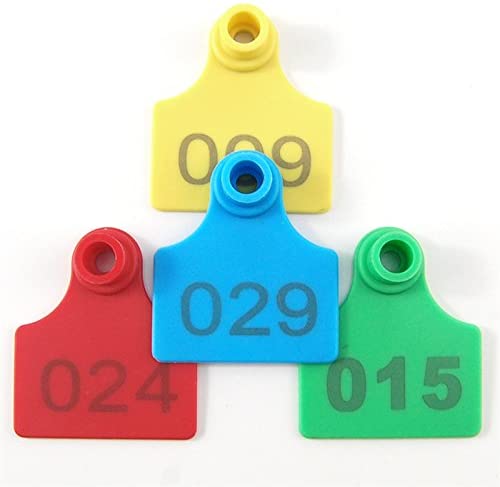
An Ninh Số deployed a system combining UHF RFID ear tags for pigs (compatible with Impinj Monza 4D chip, resistant to 220°C), fixed readers at feeding troughs and pen gates, along with AI cameras for behavior analysis, weight estimation, and anomaly detection. Centralized management software allows real-time tracking of each individual.
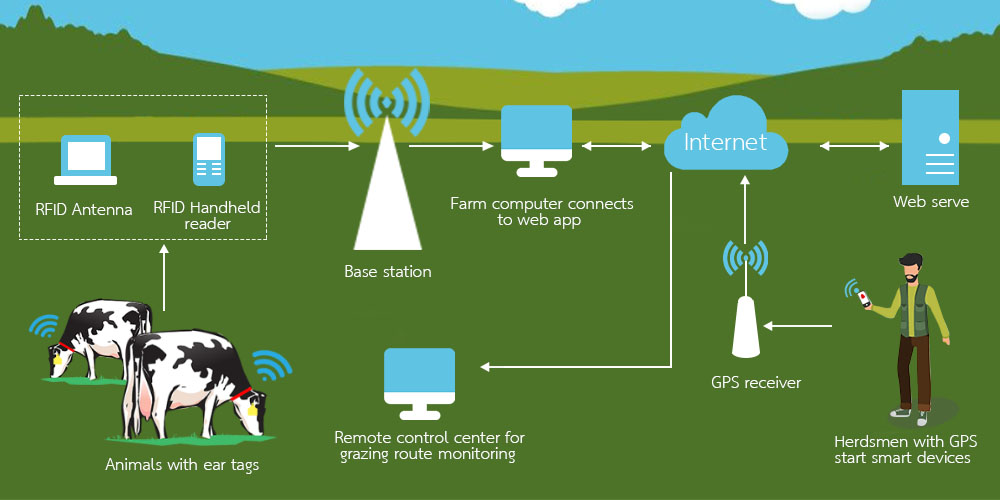
UHF RFID tags (860-960 MHz) are attached to the pig's ear within 24 hours of birth, storing individual ID, birth date, and vaccination history. Fixed readers installed at feeding troughs record the feeding time and frequency of each pig. AI cameras (Hikvision AcuSense 4MP) combined with computer vision algorithms analyze gait, lying posture, and activity levels to detect sick pigs 24-48 hours early. Compare with the solution at Edge AI vs Cloud AI Camera to see the advantages of on-site processing.
Investment costs and comparison table
The investment cost for the system for a 5,000-head farm ranges from 350-450 million VND, including RFID tags, readers, AI cameras, software, and installation. The estimated payback period is 10-14 months based on savings from reduced mortality and feed costs.
| Item | Quantity | Unit Price (million VND) | Total (million VND) |
|---|---|---|---|
| UHF RFID Tag (Impinj Monza 4D) | 5500 pcs (backup) | 0.015 | 82.5 |
| Fixed UHF RFID Reader (4-port) | 10 units | 12 | 120 |
| AI Camera Hikvision AcuSense 4MP | 20 units | 5.5 | 110 |
| Management Software + Server | 1 set | 60 | 60 |
| Installation, Cables, Accessories | 1 set | 40 | 40 |
| Total | 412.5 |
Results after 6 months of deployment
After 6 months, the mortality rate decreased from 8% to 5.6% (a 30% reduction), equivalent to saving 120 pigs/year. Market weight increased by 12% thanks to early detection of sick pigs and individualized nutritional adjustments. Feed costs decreased by 15% due to control of leftover feed.
Specific indicators: mortality rate of piglets with sows decreased from 12% to 8%; fattening pigs reached market weight of 95-100 kg after 150 days (previously 85-90 kg); average feed intake decreased from 2.8 kg/pig/day to 2.4 kg. Workforce reduced from 20 to 14 people. Refer to What is KSRV? Overview of enterprise access control systems 2026 to understand how to integrate access control for the farm.
ROI and payback period
With a total investment of 412.5 million VND, annual savings from reduced mortality (~240 million), feed savings (~180 million), and labor reduction (~120 million) amount to 540 million/year. The estimated payback period is 9-10 months.
Details: 120 pigs saved × 2.5 million/pig (meat price) = 300 million; 15% feed savings on total 1.2 billion/year = 180 million; reduction of 6 workers × 10 million/month × 12 months = 720 million. Total savings 1.2 billion/year. ROI reaches 190% after the first year.
Deployment roadmap for similar farms
The deployment process consists of 5 steps: site survey (1 week), solution design (1 week), hardware installation (2-3 weeks), software setup and training (1 week), trial operation and optimization (2 weeks). Total time is 6-8 weeks for farms with 2000-10000 pigs.
Preparation requirements: stable LAN/Wi-Fi network infrastructure, continuous 220V power supply, operational staff with basic computer knowledge. An Ninh Số provides 3 days of on-site training and monthly periodic maintenance.
Frequently Asked Questions
Can the system work with free-range pig herds?
Yes. UHF RFID readers have a read range of 8-12 meters, suitable for feeding areas or gateways. AI cameras are installed at congregation points like feeding troughs or wallowing areas. For enclosed pens, ceiling or wall-mounted readers are used.
What is the annual maintenance cost of the system?
Maintenance costs are approximately 8-12% of the initial investment value, equivalent to 35-50 million/year, including replacing RFID tag batteries (lifespan 3-5 years), cleaning cameras, and updating software.
Are RFID tags harmful to pigs?
RFID ear tags are specifically designed for livestock, small in size (30-40 mm), weighing < 5g, made of safe TPU plastic. The tagging process is quick (1-2 seconds/pig) and does not affect health.
How does the AI camera distinguish sick pigs?
The algorithm analyzes 5 indicators: activity frequency (decrease > 40%), lying time (increase > 30%), abnormal lying posture, decreased feeding frequency, and body temperature via thermal imaging if available. The system sends real-time alerts to the manager's phone.
Can the system be scaled up to 10,000 pigs?
Yes. The software architecture allows scaling up to 50,000 pigs. It only requires adding RFID tags, readers, and cameras proportionally. Estimated expansion cost is 70-80 million/1000 pigs.
Contact immediately 0796 700 777 or email [email protected] for consultation on RFID + AI Camera solutions for your farm. Free survey, quote within 24 hours.