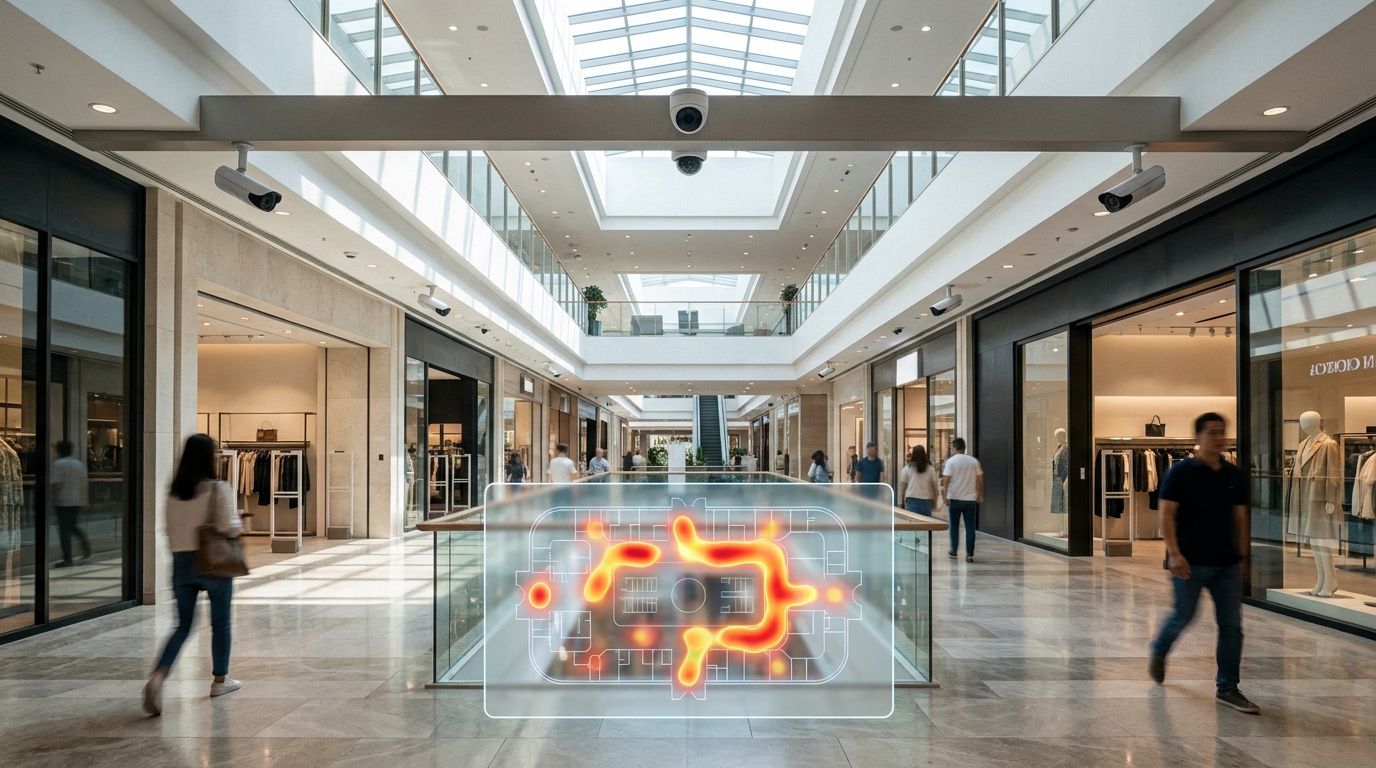
AI people counting cameras are a solution that integrates computer vision into surveillance camera systems, automatically counting the number of customers entering and exiting, recording movement flows and dwell time in real time. In Vietnam, this technology is being widely deployed in retail chains, mini-supermarkets, showrooms, and shopping malls to optimize operations and measure marketing effectiveness.
What is the AI people counting heatmap dwell time solution for shopping malls?
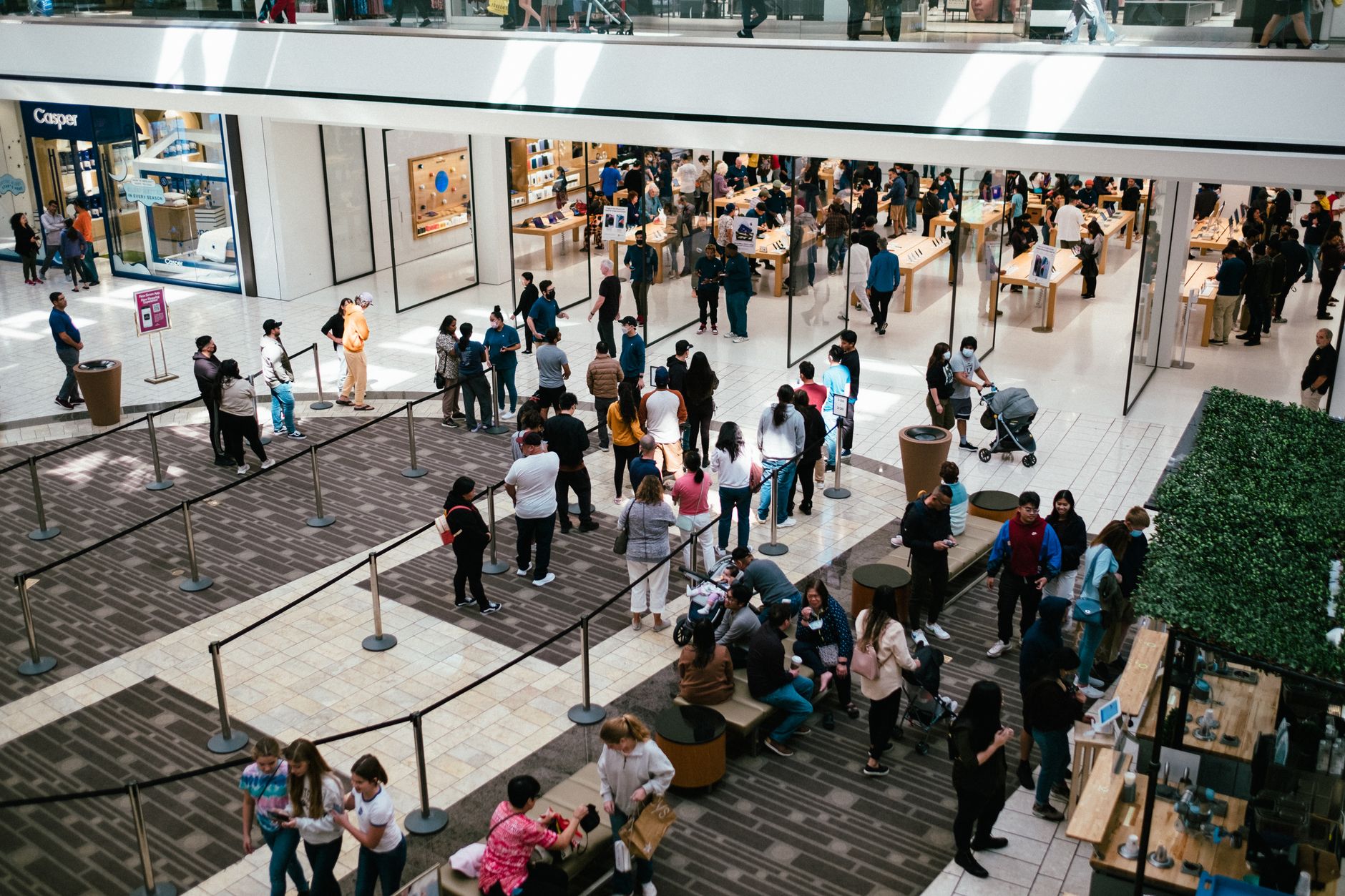
This is a system integrating three layers of data: counting the number of customers (footfall), a heatmap of locations where customers stop (heatmap), and the average dwell time. The goal is to provide a comprehensive picture of customer behavior in retail spaces, helping shop owners make data-driven decisions instead of relying on intuition.
The system includes AI cameras placed at entrances/exits and display areas, connected to a central analytics software (VMS or cloud platform). Data is aggregated into a dashboard with metrics: visitors per hour, conversion rate, hot/cold zone heatmaps, and average dwell time. Compared to traditional infrared sensors, AI cameras provide >95% accuracy even during busy periods.
System Architecture: AI Camera + Heatmap + Dwell Time
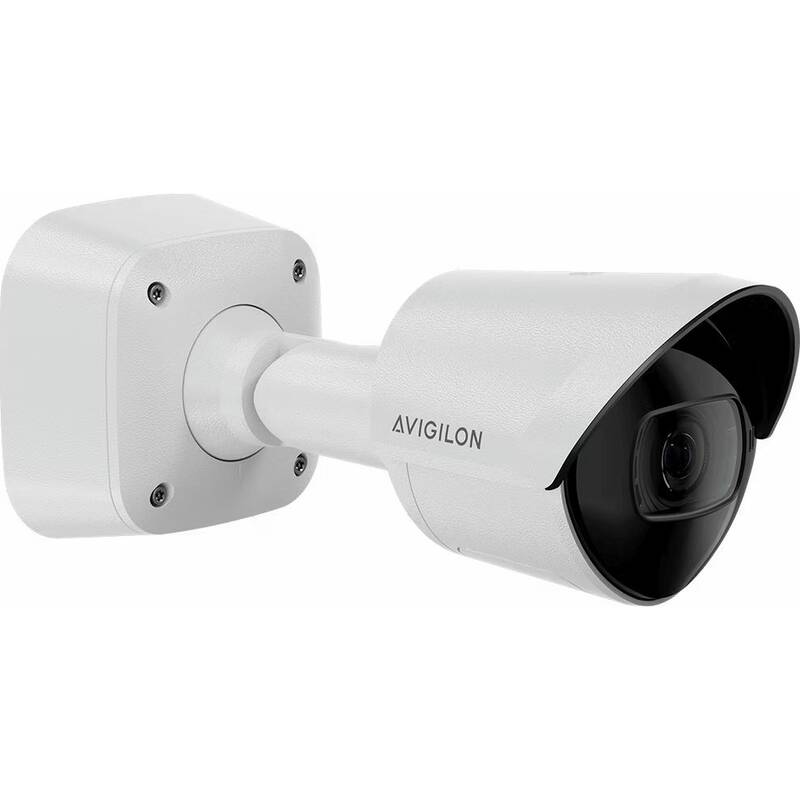
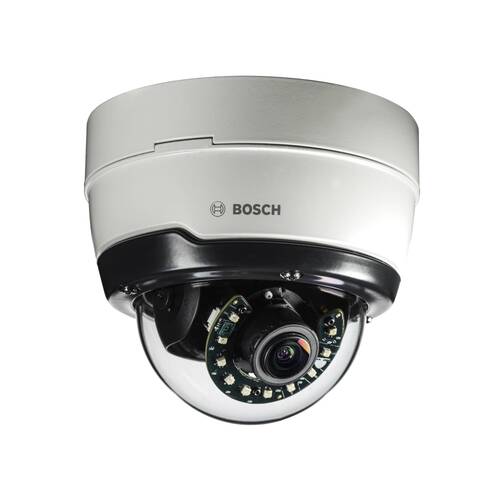
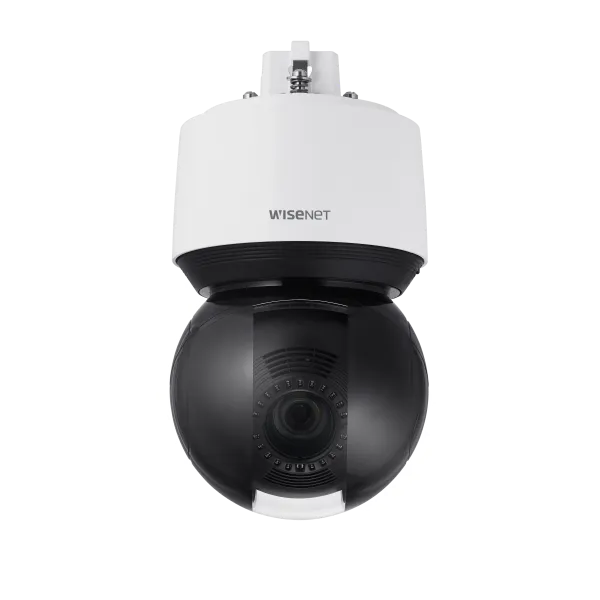

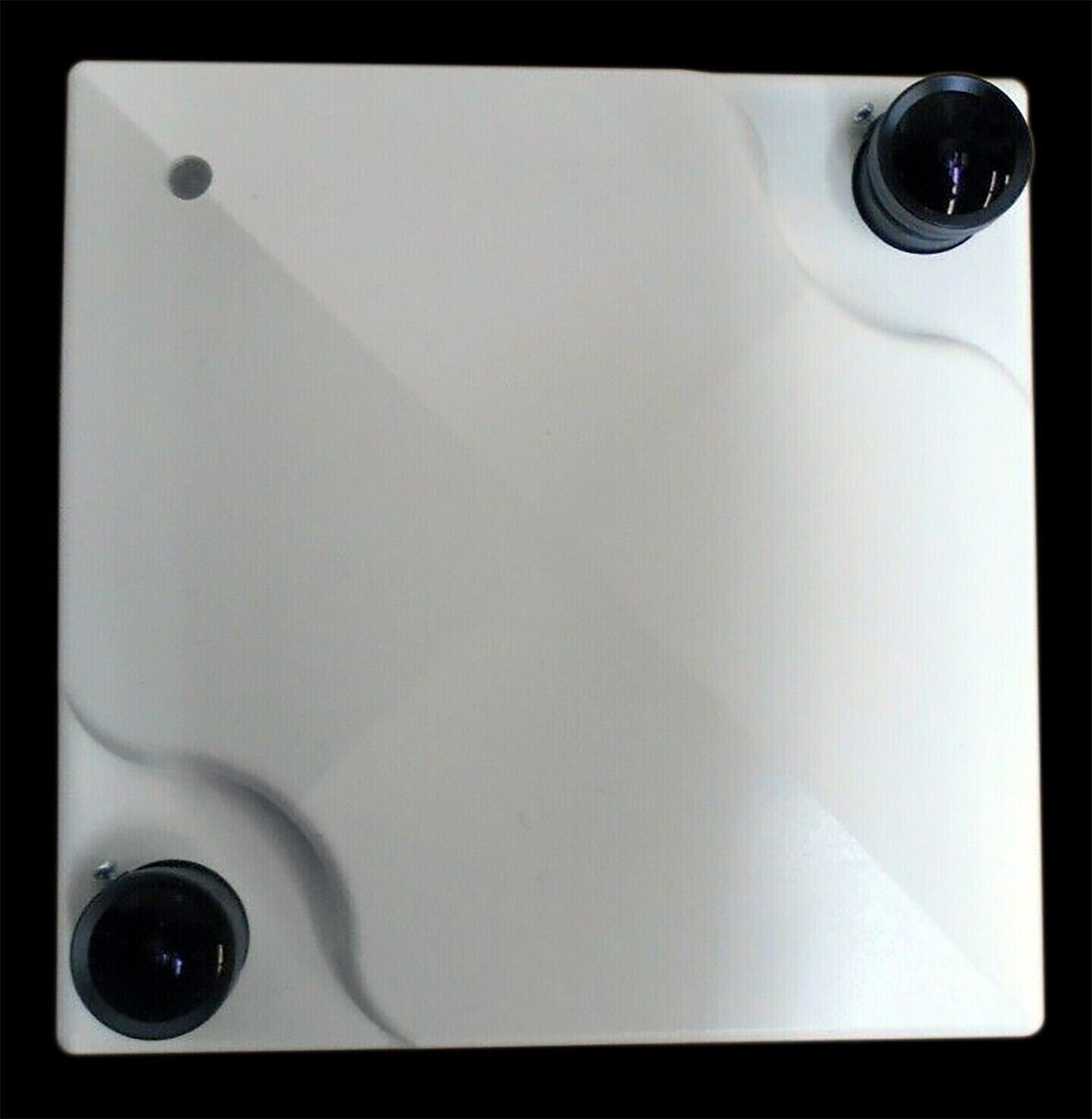
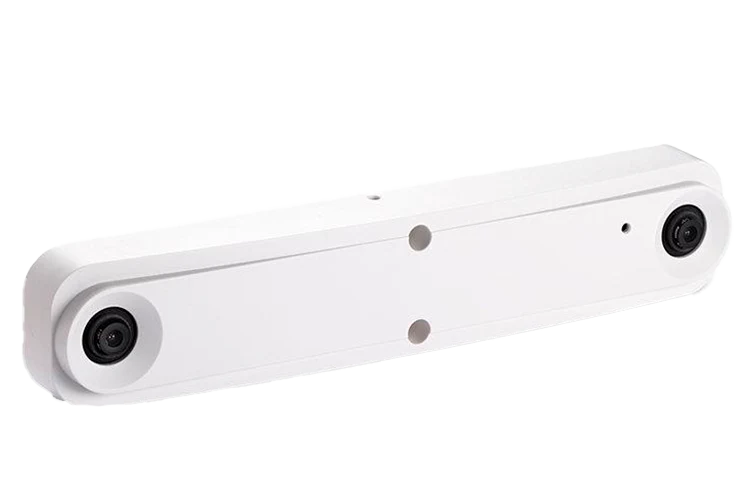

A complete system includes: AI cameras (3D stereo or 2D deep learning), an NVR or processing server, analytics software (on-premise or cloud), and a display dashboard. Proper architecture integration determines accuracy and operational costs.
1. Hardware Device Layer
- AI Camera: Choose 3D stereo models (Xovis, Hikvision AcuSense) or 2D deep learning cameras (Dahua WizMind). 3D cameras offer higher accuracy in crowded areas, while 2D cameras are cost-effective for small shops.
- NVR/Server: AI-integrated NVR (Dahua DHI-NVR5432, Hikvision DS-7608NI) or a server running VMS software (Genetec, BriefCam) for real-time video processing.
2. Analytics Software Layer
- Video Analytics Engine: Processes video frames to detect, count, and track human objects. Supports deep learning algorithms like YOLO, ResNet.
- Heatmap Generator: Aggregates object positions over time, creating a color-coded heatmap (red = crowded, blue = sparse).
- Dwell Time Calculator: Calculates the time from when a customer enters a zone of interest until they leave.
3. Dashboard and Reporting Layer
- Real-time Dashboard: Displays current visitor count, entries/exits, and minute-by-minute heatmap updates.
- Historical Reports: Trends by day/week/month, year-over-year comparisons.
Specific Benefits for Shops and Shopping Malls
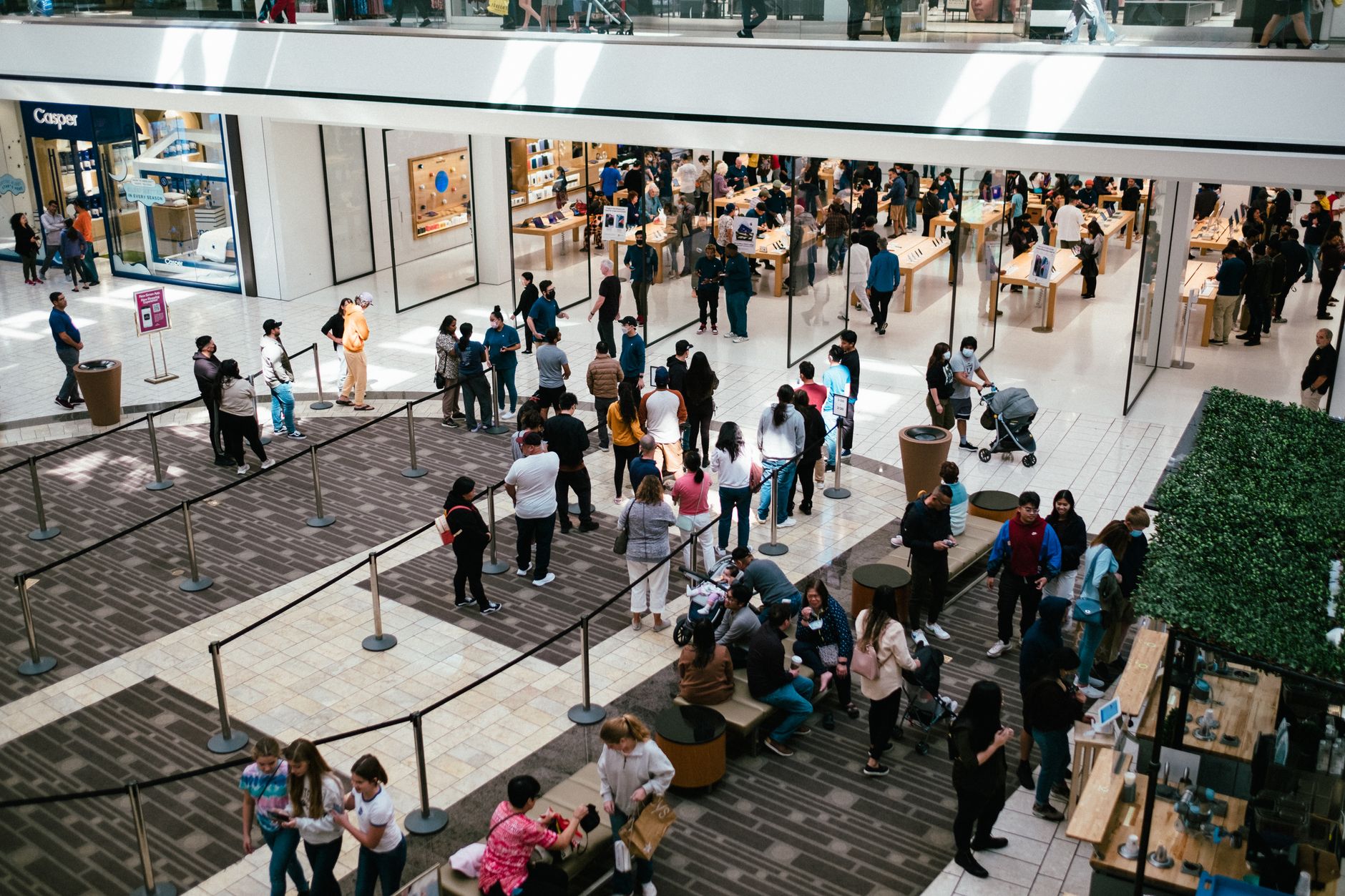
Footfall + heatmap + dwell time data helps shop owners optimize product placement, schedule staff, and evaluate marketing campaign effectiveness. Deployed chains report a 10-25% increase in revenue due to improved conversion rates.
Practical Applications
- Optimize Product Placement: Heatmaps show where customers stop the longest — place key products or promotional items there.
- Evaluate Marketing Effectiveness: Compare traffic before/after a campaign. If footfall increases but dwell time decreases → the campaign attracted the wrong audience.
- Staff Scheduling: Use hourly traffic charts to allocate sales staff and cashiers appropriately, reducing labor costs by 15-20%.
- Leasing Space: Shopping malls provide footfall data to tenant brands — increasing negotiation value.
Summary Table of Key Metrics
| Metric Ready to deploy in 7–14 days Start with a free 60-minute site surveyOur senior technical team will visit your site, assess the current setup, and propose a bundle matched to your business model and budget. |
|---|