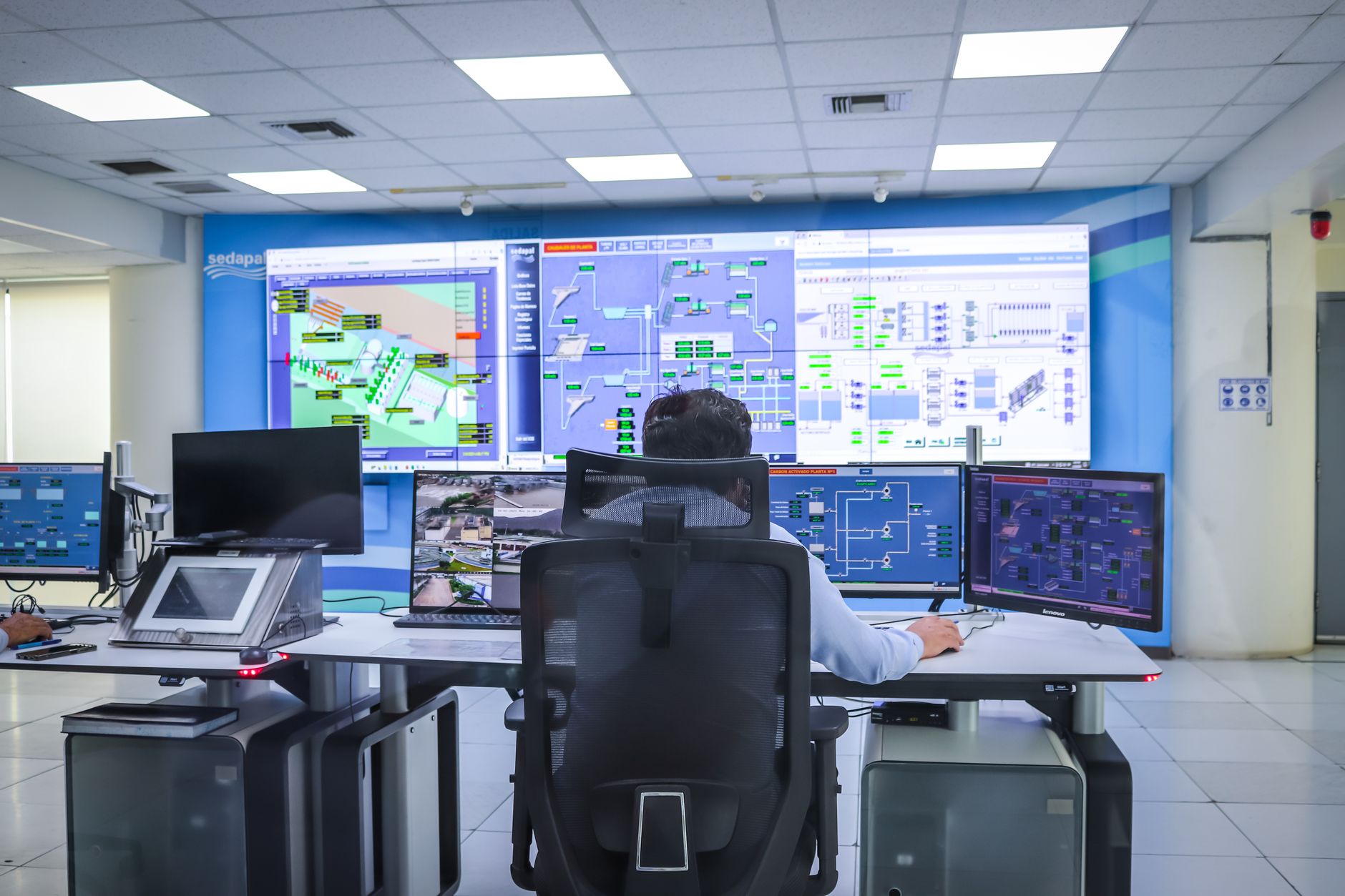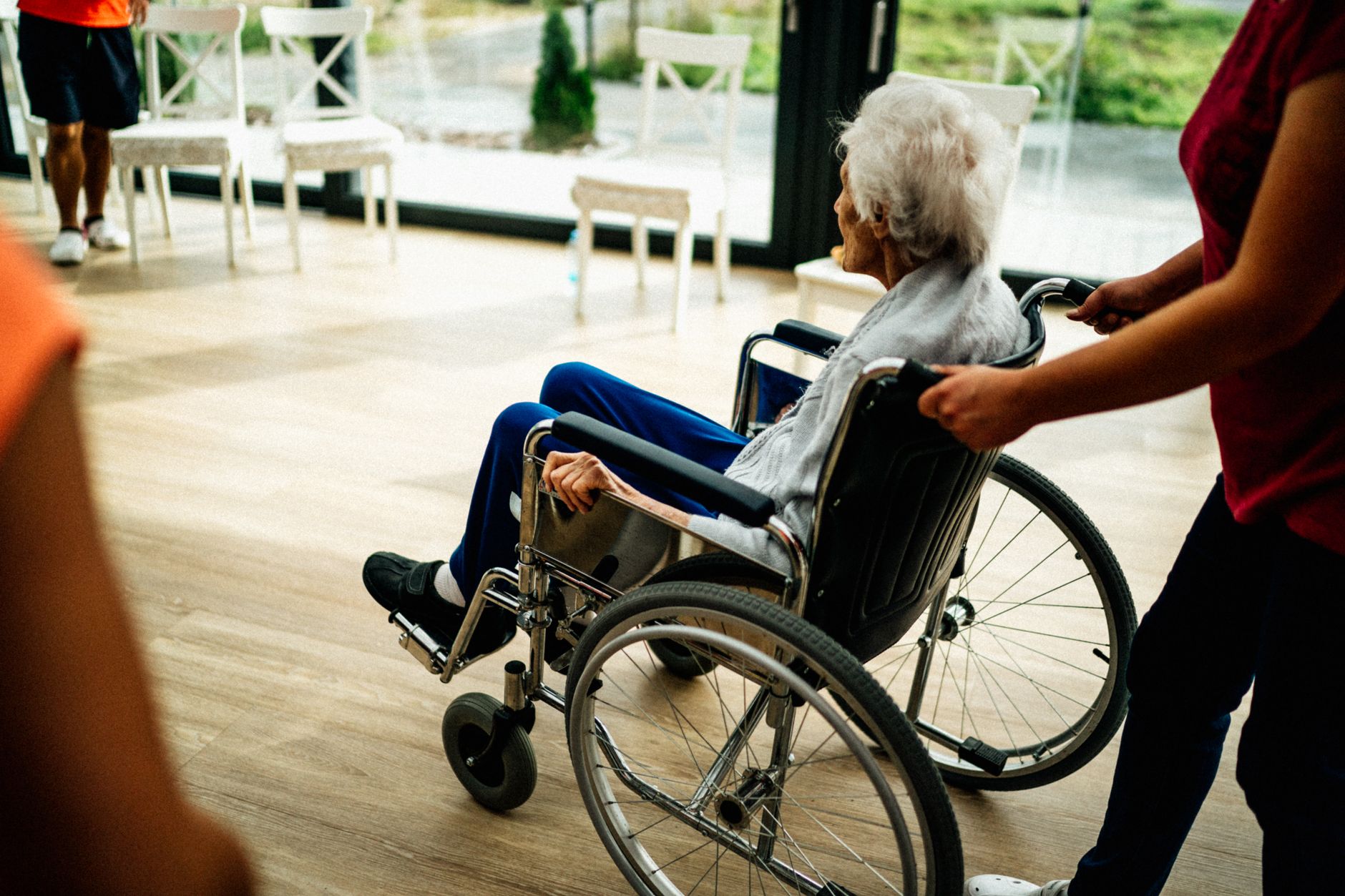
AI fall detection camera is a solution that integrates computer vision into surveillance cameras, automatically recognizing the falling posture of elderly people in real time. In Vietnam, the demand for installing this system in nursing homes is growing by 30-40% each year, especially after incidents of falls not being detected in time.
Problems the nursing home industry is facing
⚠️ Delayed fall detection: Medical staff often detect incidents 15-30 minutes later, especially at night or in areas with few personnel.
⚠️ Lack of 24/7 monitoring staff: The average staff-to-resident ratio is 1:15-20 in Vietnamese nursing homes, insufficient for continuous monitoring.
⚠️ Passive camera systems: Cameras typically only record footage, lacking the ability to analyze and automatically alert, leading to slow response times.
⚠️ Privacy concerns: Elderly people and their families worry that cameras invade private spaces, especially in bedrooms and bathrooms.
⚠️ Disproportionate investment costs: Many investors do not see a clear ROI, leading to hesitation in deploying AI systems.
How the AI fall detection camera solution works
- Architecture survey: The technical team measures the space, identifies high-risk areas (bedrooms, bathrooms, hallways, stairs), and assesses lighting conditions.
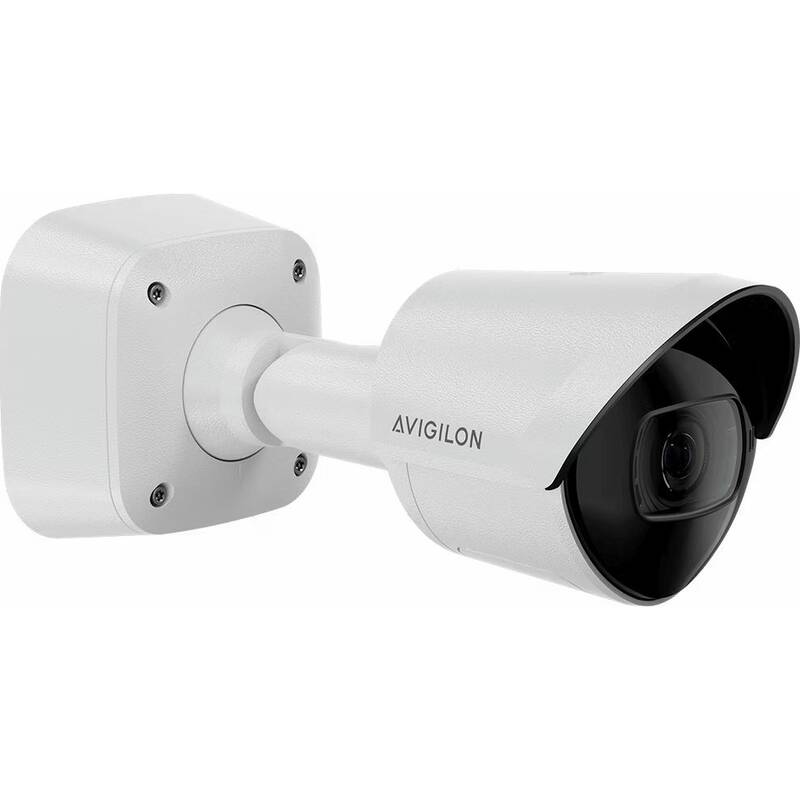
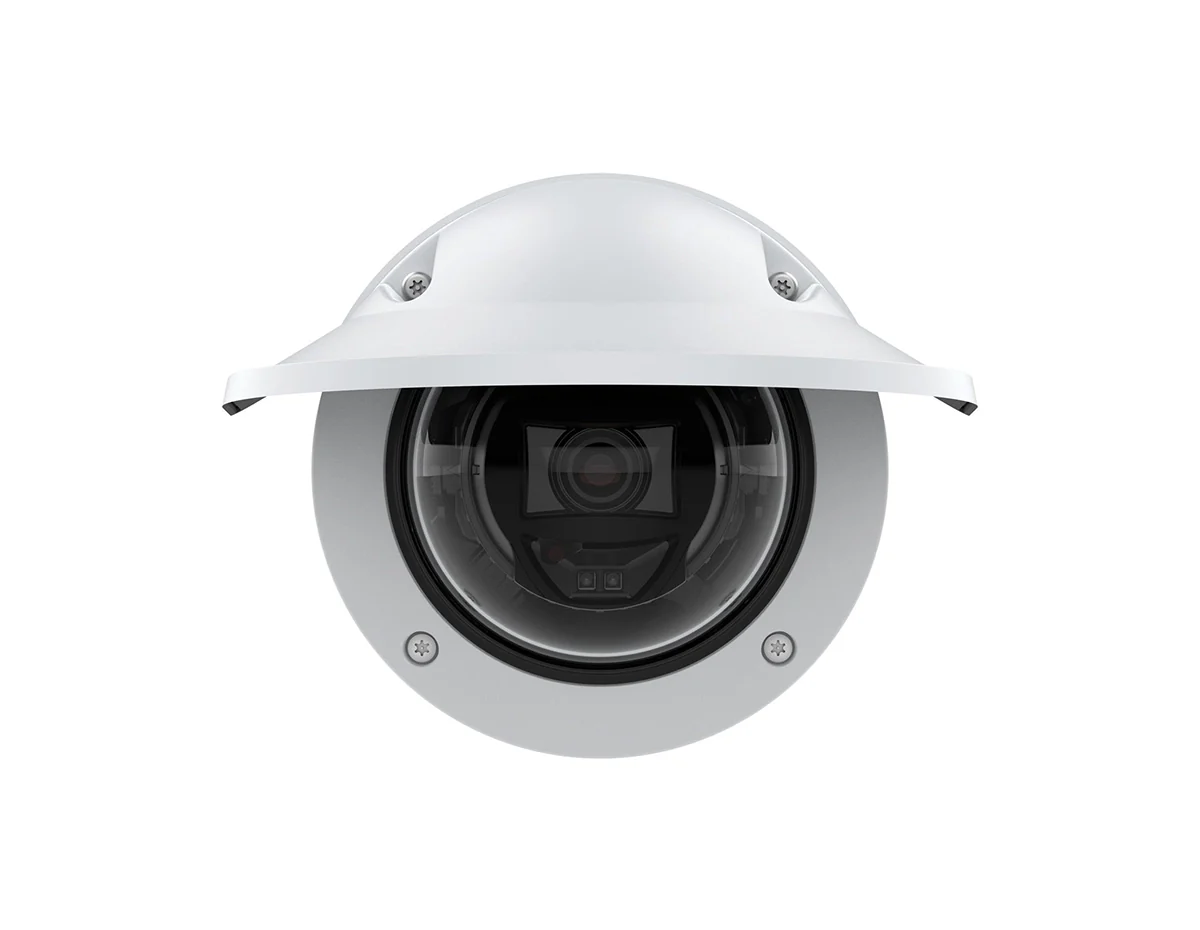
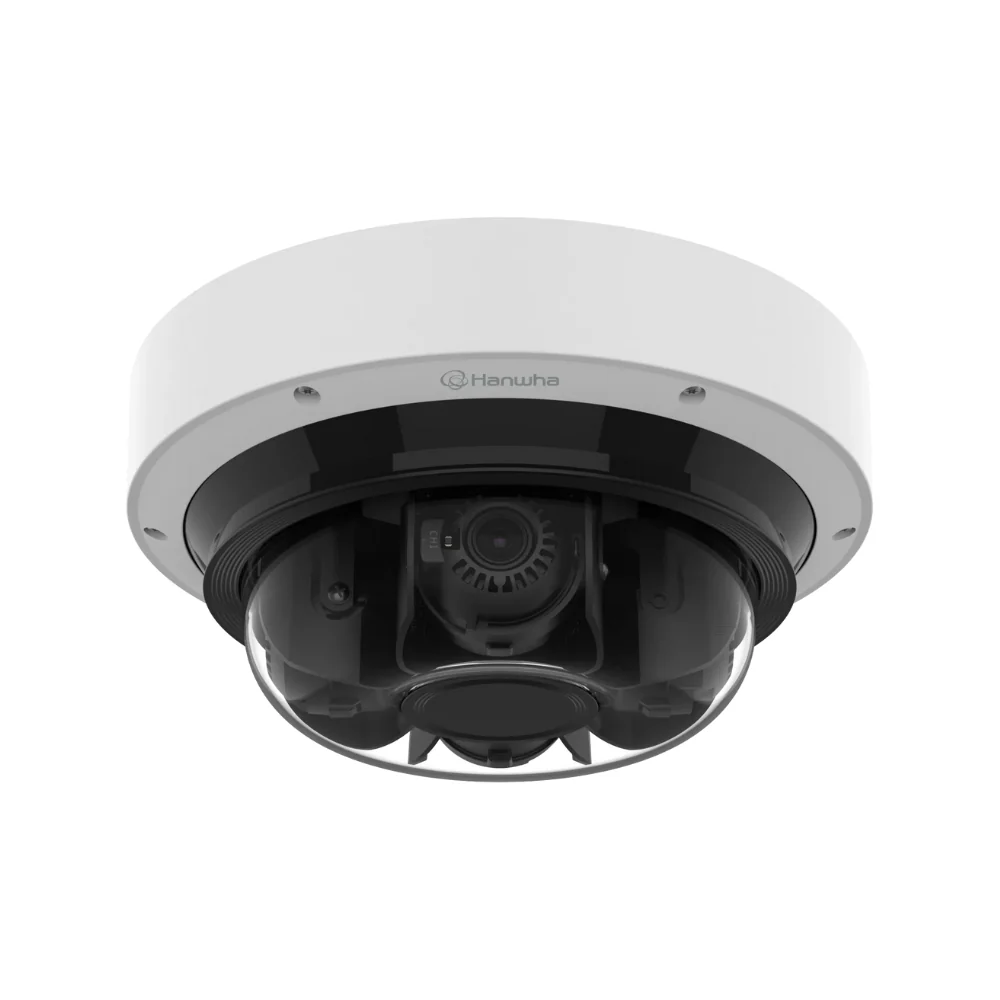
- Choose the right camera: Select AI cameras 4MP-8MP with integrated onboard AI chip, support for night infrared, minimum resolution of 4MP, and privacy mask feature to cover sensitive areas.
- Configure NVR AI: Install an NVR that supports AI (such as Hikvision AcuSense or Dahua WizMind), activate the fall detection algorithm, and set alert thresholds (time, height, fall angle).
- Integrate alerts: Connect the system to SMS gateway, Zalo OA, or mobile app to send instant alerts to medical staff and management.
- Train staff: Provide instructions on system operation, alert handling, and rapid response procedures upon receiving a fall signal.
Specific benefits of deployment
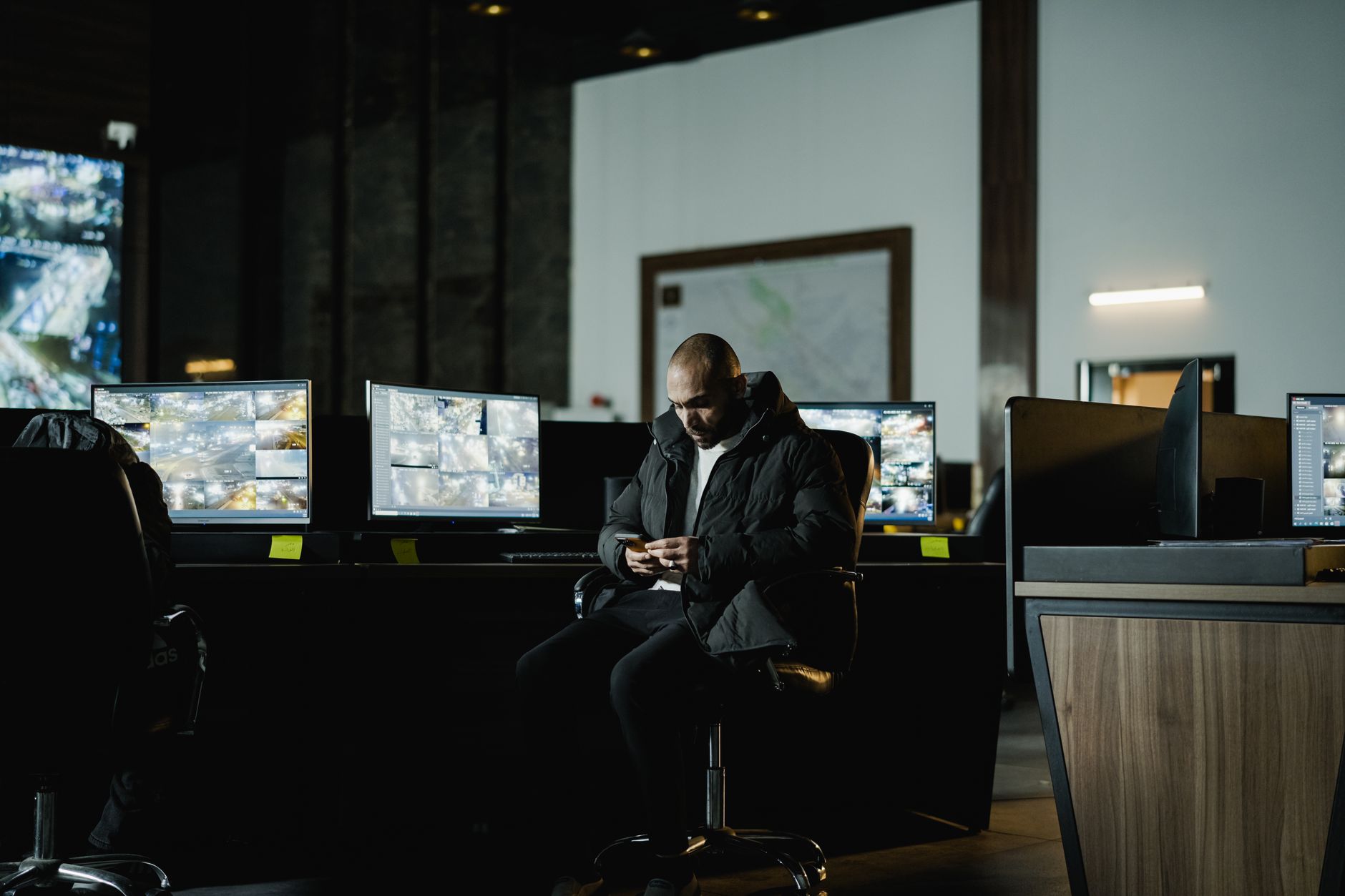
Applications in specific areas
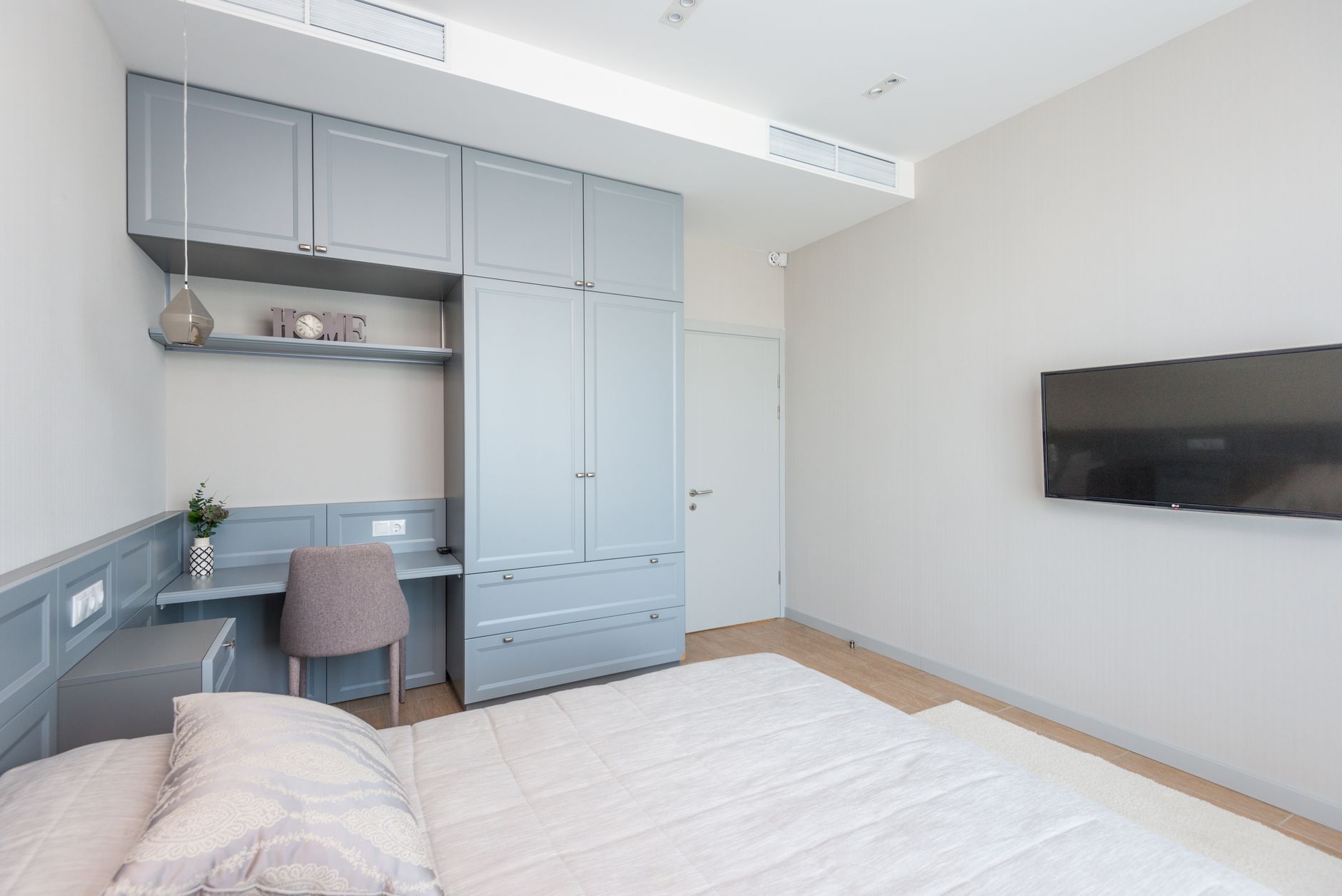
Private bedrooms
AI cameras are installed at the ceiling corner, covering the entire bed area and walkway. Privacy mask covers the bed area (unless a fall is detected), ensuring elderly people are not monitored while changing clothes. A nursing home in Ho Chi Minh City reduced undetected fall incidents by 60% thanks to this configuration.
Bathrooms and restrooms
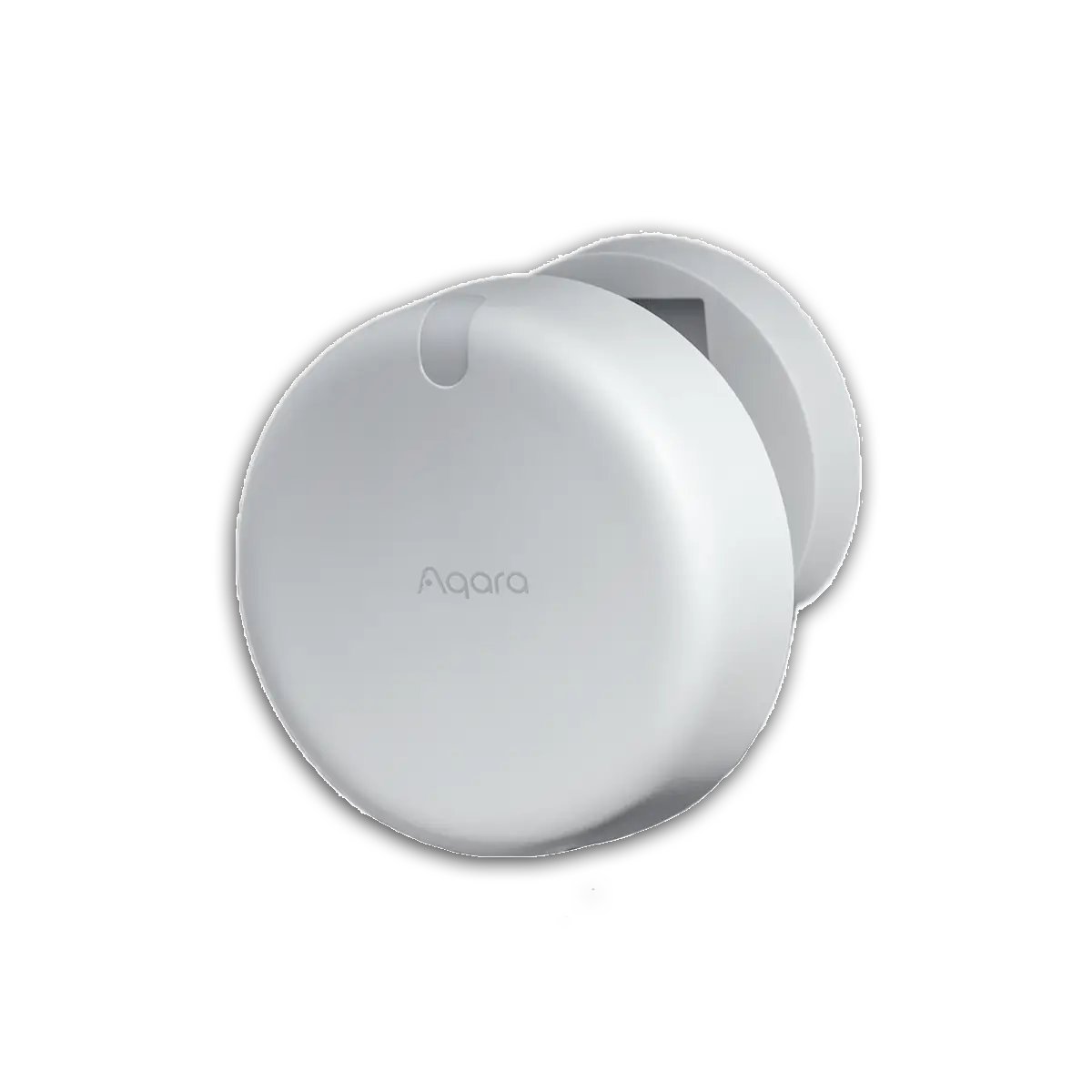
The most dangerous area due to high humidity and slippery surfaces. IP67 waterproof cameras combined with mmWave motion sensors (such as Aqara FP2) help detect falls accurately even when visibility is limited. Dual alert system: integrated speaker sound + SMS to staff.
Hallways and common living areas
AI cameras with a 120° wide angle cover dining and living areas. Integrated fall detection algorithm combined with abnormal crowd detection (e.g., many people gathering around one point) for early warnings.
Related Products/Equipment