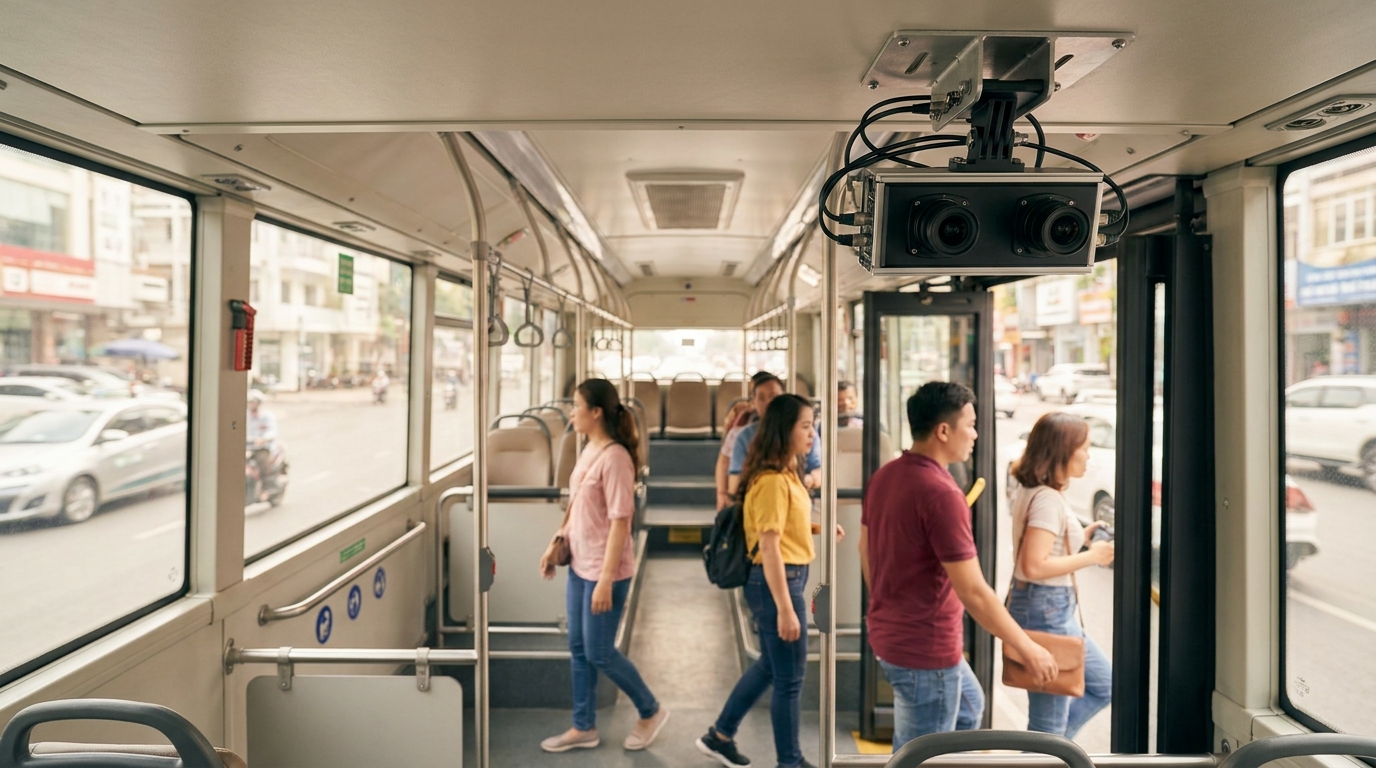
AI passenger counting cameras are systems integrating 3D stereo vision sensors and deep learning, installed on bus ceilings to automatically count the number of people boarding and alighting with up to 99% accuracy. This technology is being deployed by public passenger transport units in Vietnam to optimize routes, manage revenue, and enhance operational efficiency.
What is bus passenger counting?

Bus passenger counting is an automatic system that counts the number of passengers boarding and alighting at each stop, using AI cameras combined with 3D stereo sensors. Data is recorded in real-time, helping managers know exactly the number of passengers on each route and each trip.
The system includes cameras mounted on the bus ceiling, an embedded AI processor, and central management software. The camera records movement flow, analyzes depth and shape to identify objects as people, then counts the number of times they cross a virtual counting line. Results are transmitted to the server via 4G or Wi-Fi, integrated with fleet management software for real-time reporting.
Structure and principle of 3D stereo cameras in passenger counting
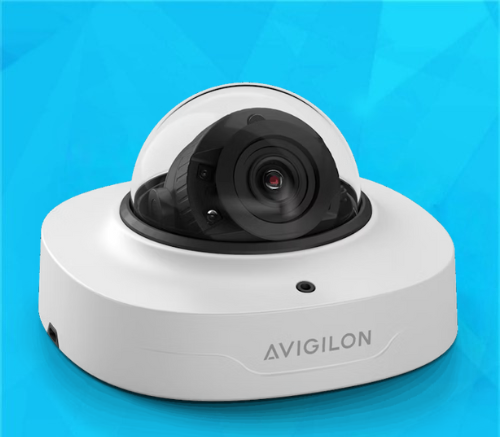
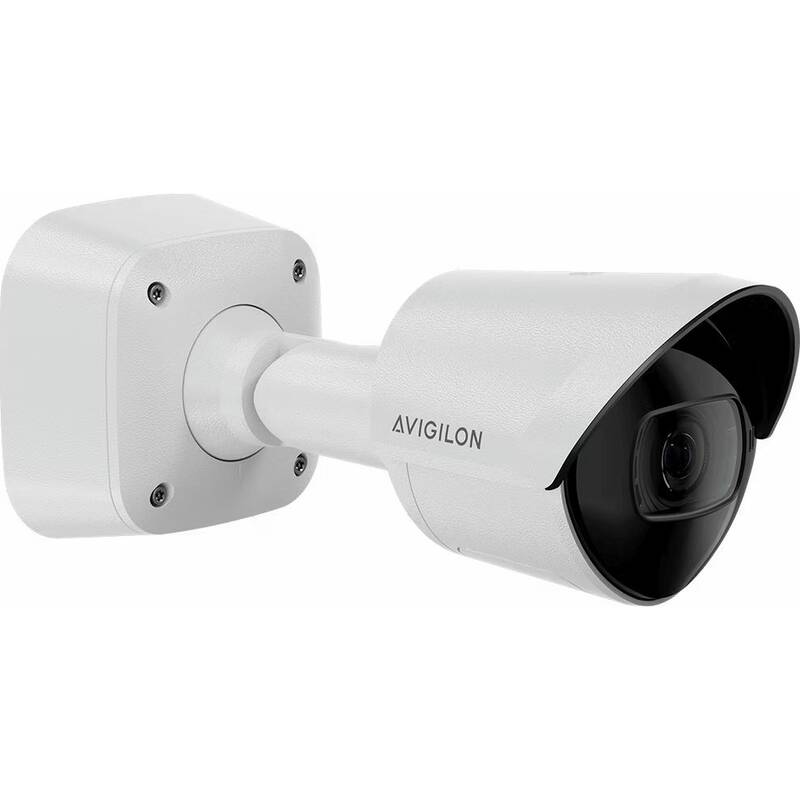
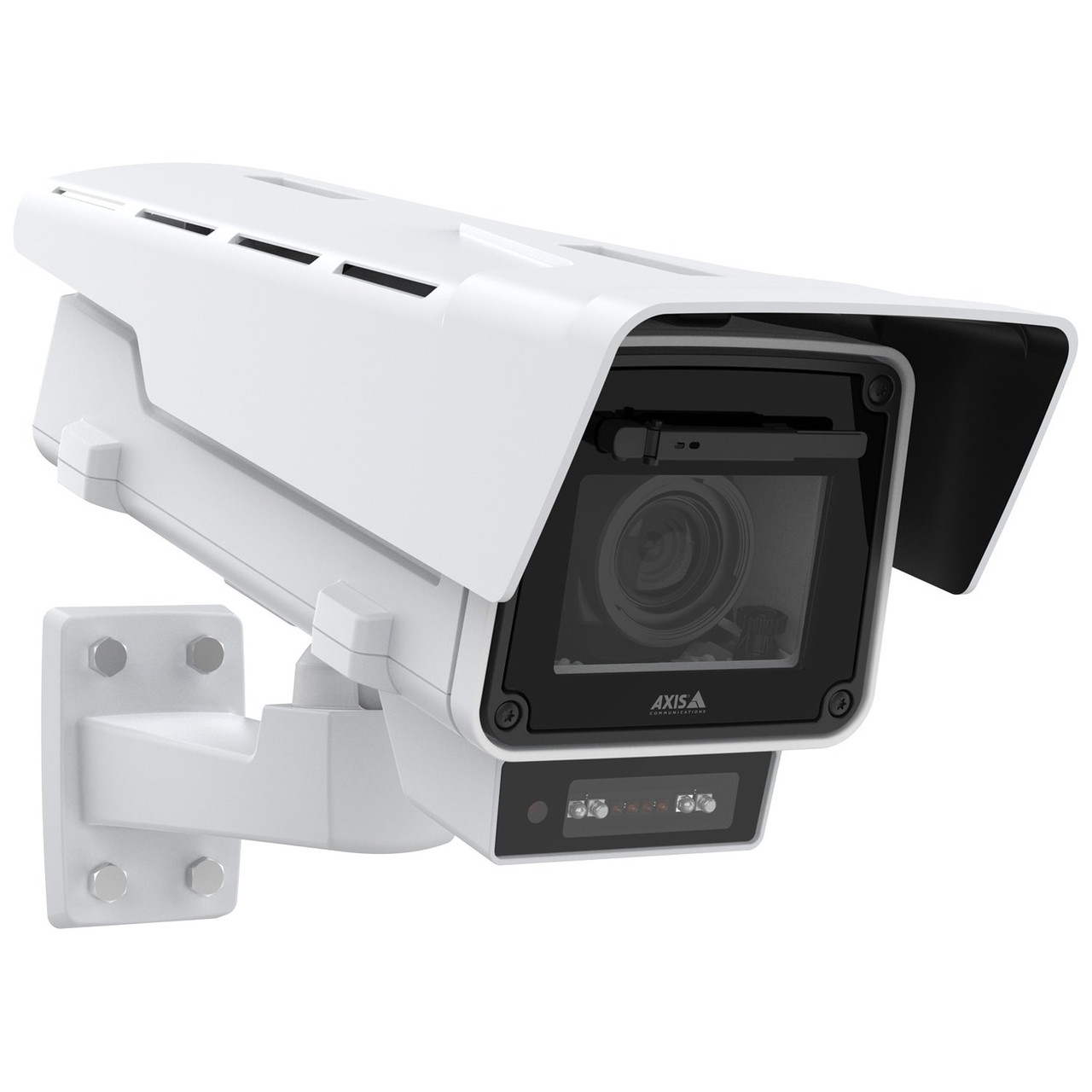
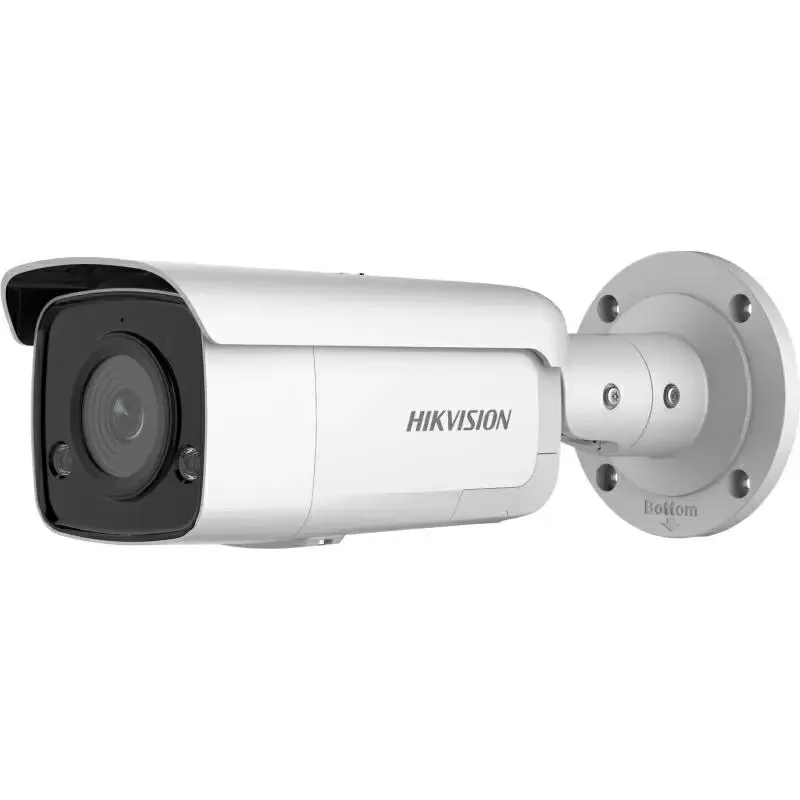
A 3D stereo camera uses two lenses placed at a fixed distance apart, simulating human binocular vision. By comparing the difference between the two images (disparity), the system calculates a depth map, thereby accurately determining the position and size of each object.
This principle allows distinguishing people from flat objects like backpacks, bags, or empty seats — which are major sources of error in conventional 2D cameras. 3D stereo cameras operate stably in low-light or backlit conditions thanks to active infrared illumination, ensuring passenger counting accuracy of up to 99% even when the bus is crowded.
Deep learning algorithm for passenger detection and tracking
A convolutional neural network (CNN) is trained on millions of passenger images in various postures, ages, and clothing. The algorithm performs head-shoulder detection and trajectory tracking to determine boarding/alighting direction.
Main processing steps:
- Input frames from the stereo camera are passed through the CNN to detect regions containing people (bounding boxes).
- The SORT (Simple Online and Realtime Tracking) algorithm assigns a unique ID to each object and tracks movement between frames.
- When an object crosses the virtual counting line in the entry or exit direction, the corresponding counter increments by 1.
- A noise filter eliminates false signals caused by passengers bending, turning, or children running and jumping.
Distinguishing adults from children — challenges and solutions

Distinguishing adults from children is based on height and head-shoulder region size from the depth map. Children typically have a larger head-to-body ratio and lower height compared to adults, enabling the CNN to classify with over 95% accuracy.
The biggest challenge is when children are carried in arms or stand very close to adults. The solution uses depth segmentation: if two objects have a depth distance difference of 15-30 cm, the system separates them into two distinct entities. This data is useful for concessionary fare calculation and passenger statistics by age group.
Summary comparison table of passenger counting technologies

| Technology | Principle | Accuracy | Advantages | Disadvantages |
|---|---|---|---|---|
| 3D Stereo Camera + AI | Depth map + CNN | 95-99% | Ready to deploy in 7–14 days Start with a free 60-minute site surveyOur senior technical team will visit your site, assess the current setup, and propose a bundle matched to your business model and budget. |